
Travel dreams are still alive, but 2026 planning looks a little less impulsive and a lot more tactical. The European Travel Commission’s Long-Haul Travel Barometer for 2026 points to softer long-haul intent in several key markets, and TravelPulse, citing Cirium advance booking data, reported U.S.-to-Europe bookings down about 7.3% year over year in one snapshot. It noted U.S.-to-Europe bookings were down 7.3% in one measurement window. That does not mean people stopped traveling. It means plenty of U.S. travelers are becoming choosier about hassle, cost, crowds, and timing.
This slideshow picks seven famous places that many Americans are rethinking, postponing, or shifting to shoulder season because new fees, crowd controls, protests, or disruption risk make the trip feel less simple than the social media version. Every stop here is worth seeing. The point is that 2026 travel planning rewards people who read the rules before buying the plane ticket.
1. Venice, Italy
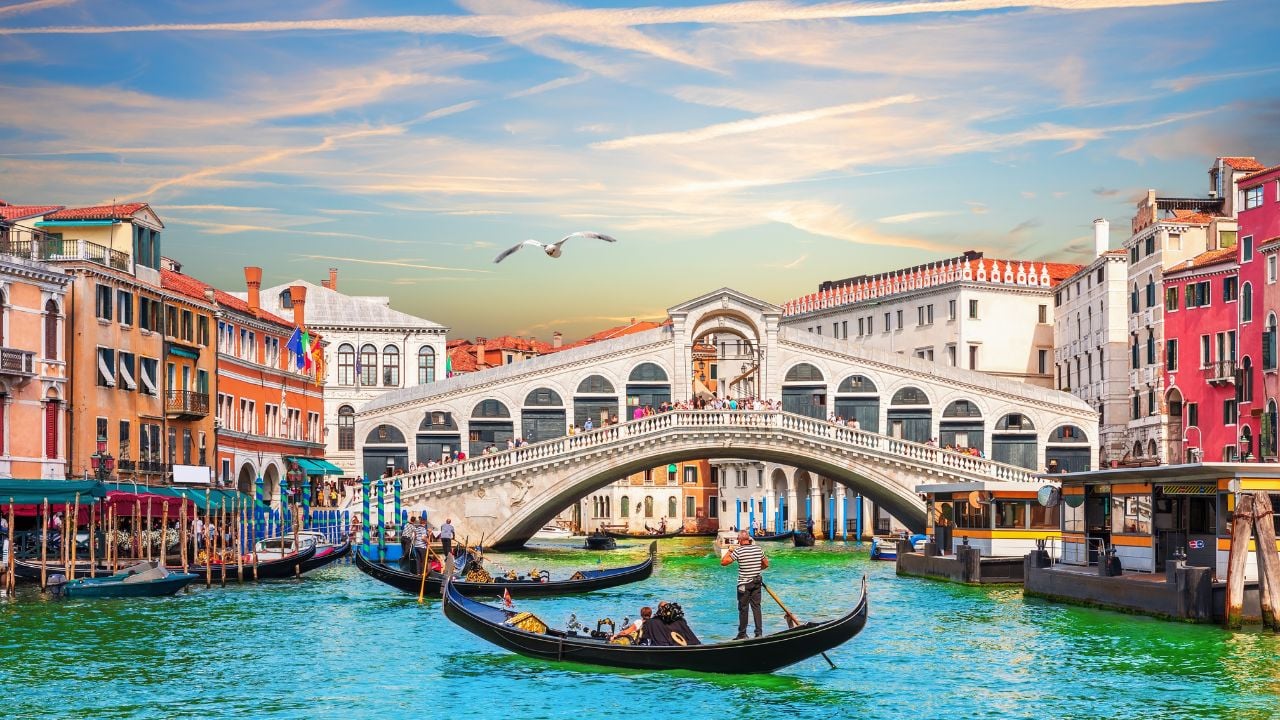
Venice remains gorgeous, cinematic, and wildly photogenic, but the city now asks day visitors to plan like they are booking an event. In 2025, officials expanded the “access contribution” calendar and raised the higher last-minute amount for some day-trippers, which pushed Venice further away from the old spontaneous “we’ll decide tomorrow” style. If you want the official overview in one place, start with the city’s Comune di Venezia access fee information page.
For 2026, the clearest planning tool is the official payment and date portal. The Venice access fee site already lists 2026 dates beginning April 3, with additional days across April, May, June, and July during daytime hours. In practice, that means a day trip works best for travelers who pre-plan, register correctly when required, and keep proof handy. Venice is still Venice, but the “decide on the fly” energy is fading fast.
2. Barcelona, Spain
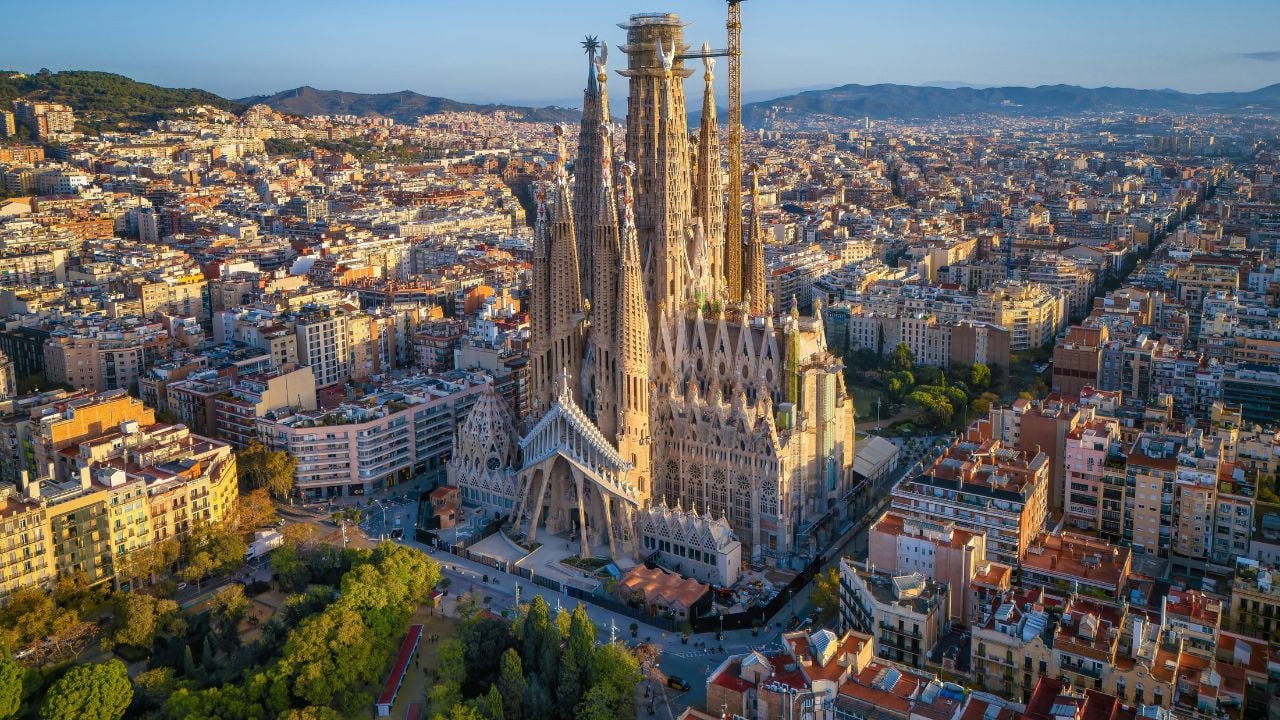
Barcelona remains a dream stop for beaches, Gaudí landmarks, and nightlife, yet the money math got sharper heading into 2026. Spanish reporting noted Catalonia approved changes that allow Barcelona’s total tourist tax stack to rise significantly, with headlines pegging the potential top end around €15 per night in some cases. A widely shared explainer in El País breaks down how the higher ceiling works, while Euronews’ 2026 tourist-tax roundup places Barcelona in the broader “new fees” wave travelers are noticing.
The mood on the ground also matters, and overtourism protests have been visible enough to make international news. AP reported on protests in Barcelona and Mallorca that used symbolic tactics (including water guns) to spotlight housing pressure and crowd fatigue. That does not make Barcelona off-limits, but it does push many visitors toward quieter dates, nearby alternatives, or a shorter stay with more structure.
3. Santorini and Mykonos, Greece
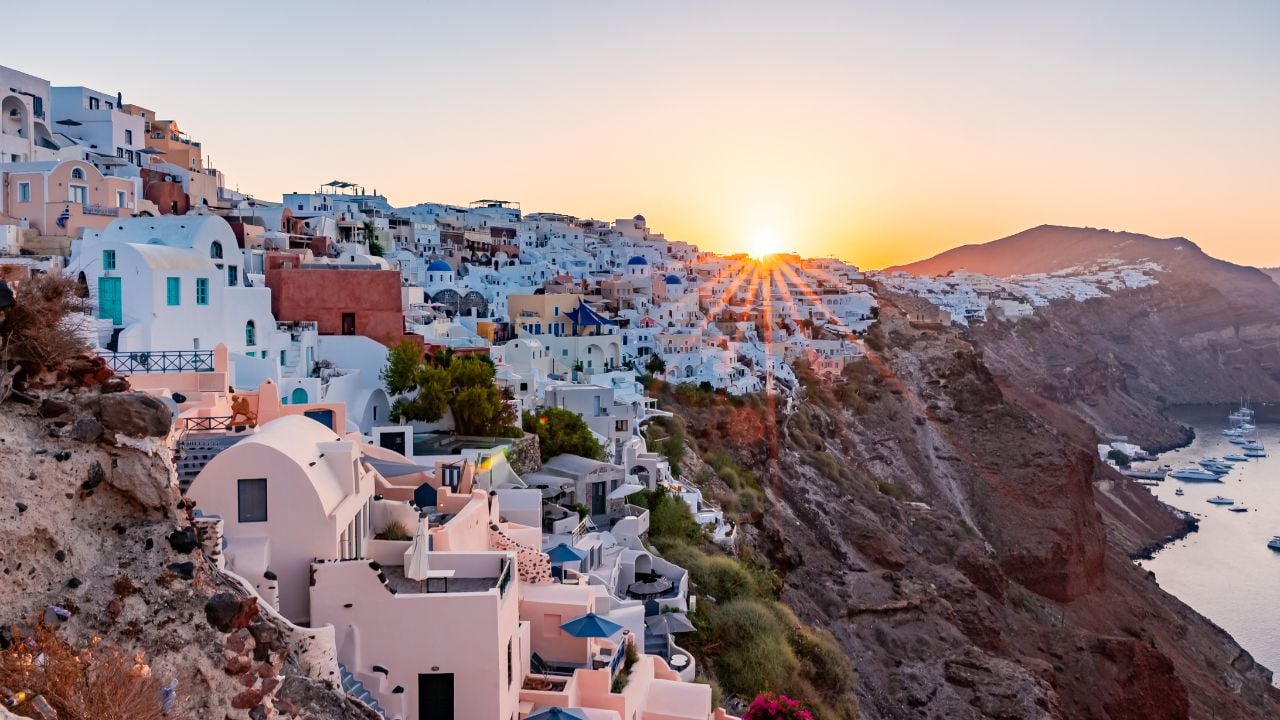
These islands still deliver the postcard look, with white walls, blue domes, and sunsets that feel designed for camera rolls. The catch is that Greece has moved toward tougher crowd-management tools for peak cruise days, including a proposed cruise passenger fee that can reach higher amounts in the busiest periods for the most pressured islands. Euronews’ guide to 2026 tourist taxes summarizes the plan and the logic: fewer “everyone arrives at once” shocks and more funding for local services.
Translation for trip planners: the view is incredible, but the easiest version of the trip is usually off-season, overnight, and booked well in advance. If you are visiting in summer, expect more coordination around cruise flows, more “timed” decisions, and more emphasis on staying longer rather than doing a frantic day dash.
4. Mount Fuji, Japan

Mount Fuji is a legendary goal that lives on screensavers, phone wallpapers, and “someday” lists. The modern reality is that the most famous routes are now managed more tightly to reduce overcrowding and improve safety. The official climbing site’s Yoshida Trail FAQ lays out the current framework, including a mandatory hiking fee, gate-hour rules, and a daily cap that can affect last-minute plans.
For casual visitors who imagined a simple sunrise climb with zero admin, this is a vibe shift. The mountain is still there, and the experience can be better with fewer bottlenecks, but it is no longer a “show up whenever and figure it out” bucket-list stop. For 2026, the safest move is to treat Fuji like a reservation-driven attraction and watch the official site for updated booking guidance.
5. Bali, Indonesia
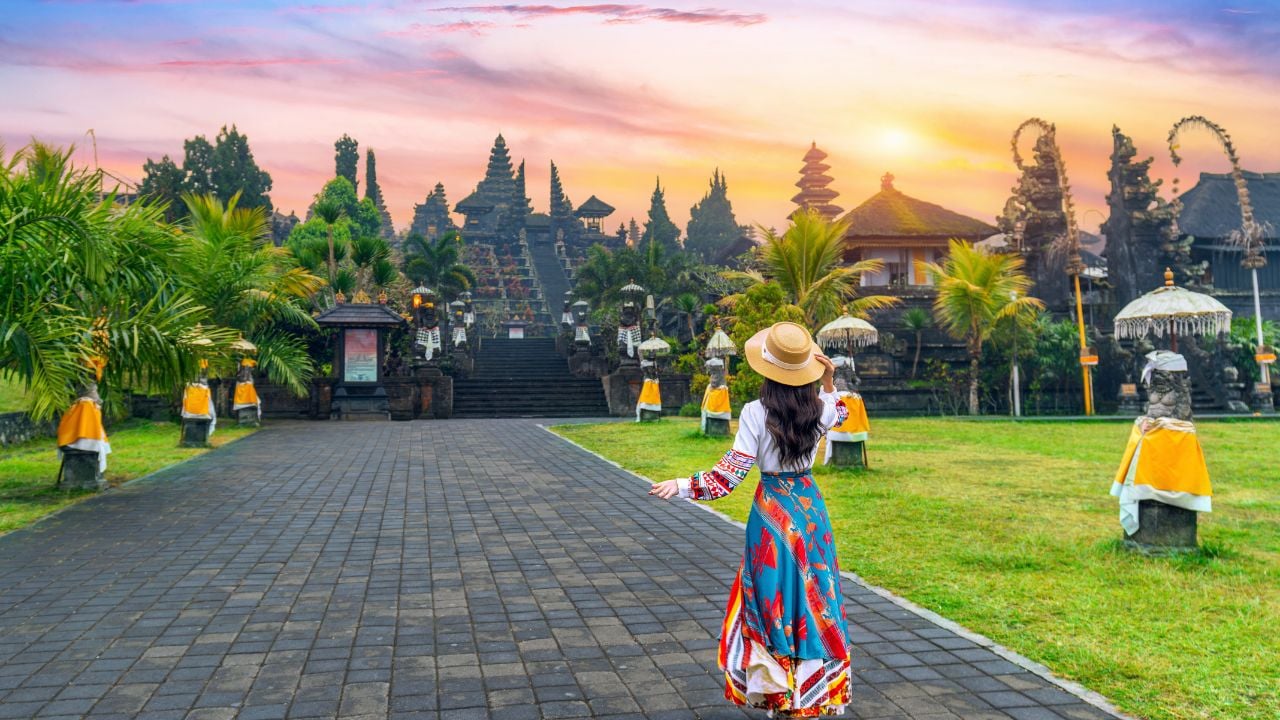
Bali still sells the dream extremely well: surf at sunrise, temples in the hills, and cafés that look built for a camera roll. The planning wrinkle is an extra layer of admin, because the official Love Bali FAQ explains foreign tourists are required to pay a tourist levy of IDR 150,000 per person, with proof of payment in the form of a levy voucher and QR code. It is not a huge amount, but it is one more step in the modern “scan, pay, show proof” travel era.
The larger issue is volume in the most saturated areas. When demand spikes, local governments and communities typically respond with more rules, more enforcement, and less patience for chaotic behavior. In 2026, Bali can be amazing, but it rewards travelers who pick quieter regions, avoid the most slammed peak weeks, and treat local guidance as non-negotiable.
6. Blue Lagoon and the Reykjanes Peninsula, Iceland
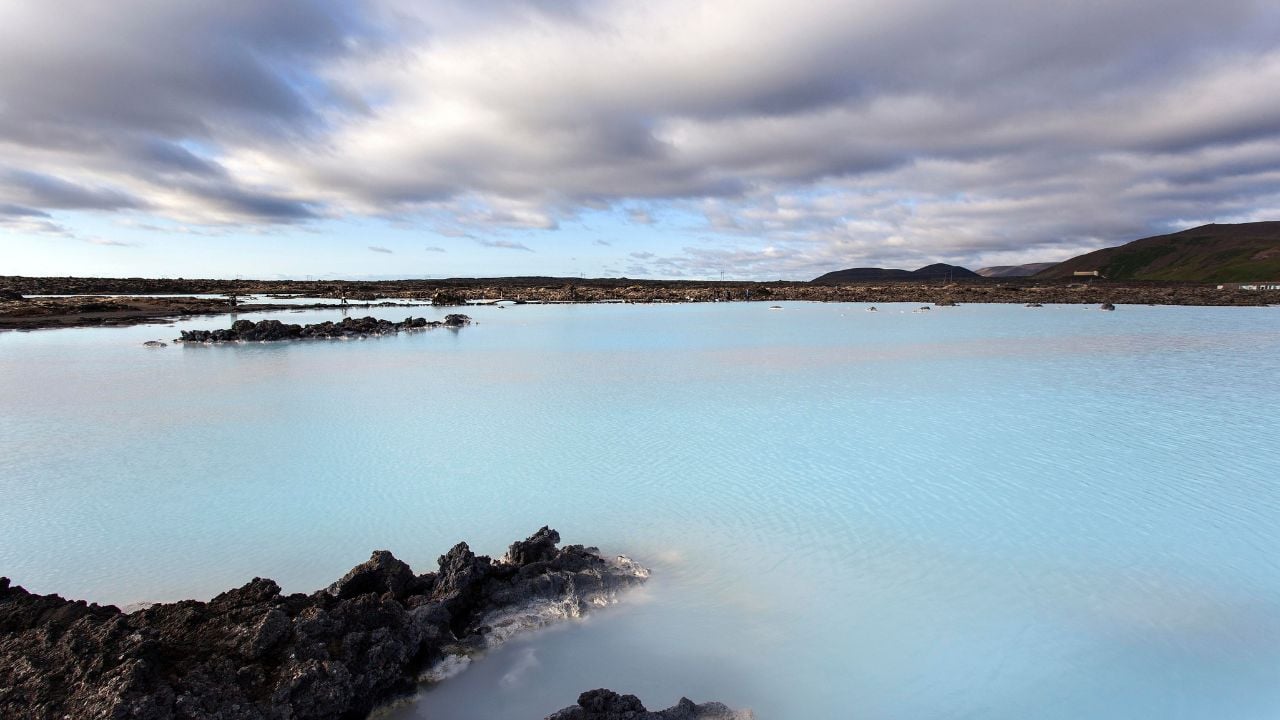
Iceland is still one of the most jaw-dropping places on Earth, and the Blue Lagoon remains a major magnet. The difference now is that Reykjanes planning comes with a real-time risk layer. Iceland’s government portal on volcanic activity in Reykjanes notes that, as a precaution during recent activity, areas including Grindavík and the Blue Lagoon have been evacuated at times and later reopened. That’s not “cancel your trip” information. It’s “build a flexible plan” information.
For up-to-the-minute safety framing, the Blue Lagoon seismic activity updates page explains how the facility handles changing conditions, and the Icelandic Meteorological Office news feed is the most useful place to track official monitoring language. In 2026, the smart move is to treat Reykjanes bookings as dynamic, not guaranteed, and to keep backup options ready.
7. New Zealand

New Zealand is still a top-tier dream for road trips, trekking, and absurdly beautiful scenery, but entry costs rose enough to make some travelers pause. The government’s tourism funding pages explain the International Visitor Conservation and Tourism Levy (IVL) is set at $100 for most international visitors. See MBIE’s “What is the IVL?” explainer for the plain-language policy purpose and Immigration New Zealand’s IVL page for the practical “when you pay” side.
None of this makes New Zealand a bad choice. It just nudges the trip into the “save more, stay longer, plan smarter” category instead of the quick fantasy booking category. If you are flying that far, the best value play is often fewer stops, more nights in each region, and a plan built around weather windows rather than social media timing.
Travel patterns are cyclical. Places that feel strained today may stabilize as policies take effect, while quieter destinations may eventually face similar pressure. The practical lesson is simple: stay informed, travel respectfully, and assume that in 2026 the rulebook matters almost as much as the view.