Some trips get better the moment you stop treating every hour like a task. River cities are especially good at teaching that lesson, because water softens the rhythm of a place before you even decide what to do. In the right setting, a promenade, a ferry, a bridge, or a low-key café by the bank can carry more of the day than any packed itinerary ever could.
That is part of what makes these places so appealing. In each one, the river is not just scenery. It helps set the tempo. You feel it in the spacing of the old streets, the pull of the waterfront, and the way a simple walk often turns out to be the most satisfying part of the day.
They also prove that slow does not have to mean dull. One place offers temple roofs and a UNESCO-listed old quarter, another glows with lantern light and riverside boats, and another leans into tea, wooden streets, or a waterfront made for strolling. The details change, but the effect is similar: the city keeps giving you reasons to linger.
What unites them is simpler. Each one makes it easy to wander, pause, eat well, and let the river do part of the storytelling. For travelers who want beauty without constant urgency, these are some of the most rewarding urban breaks to put on the map.
1. Luang Prabang, Laos
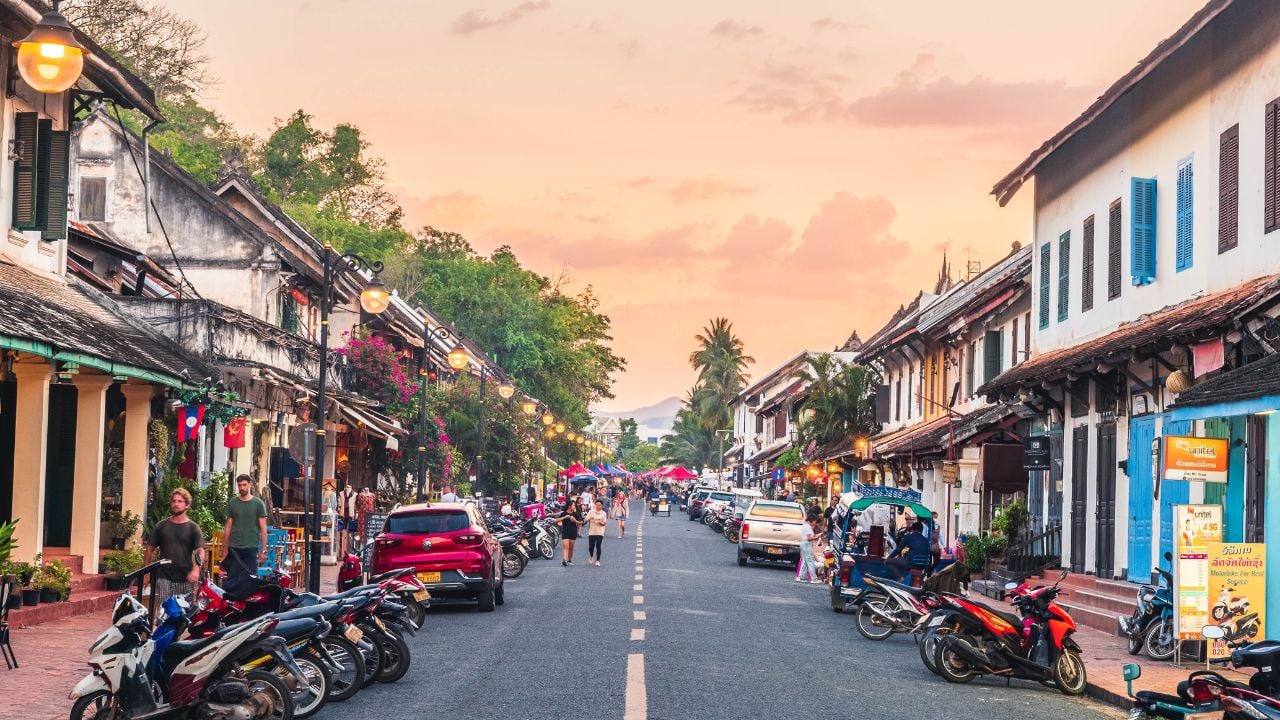
Luang Prabang feels calm almost immediately because its historic heart sits at a beautiful meeting point. The city stands at the confluence of the Mekong and Nam Khan rivers, and that setting gives its UNESCO-listed old quarter a natural sense of balance before you even start exploring. Traditional Lao architecture, old temples, and traces of French colonial influence all sit together in a way that feels graceful rather than busy.
The appeal deepens once you start walking instead of chasing landmarks. The old town rewards slow mornings, easy riverside pauses, and afternoons that unfold without much planning. A short stretch along the riverbank, a stop at a café, or a gentle wander past temples and historic buildings can already make the day feel full. Luang Prabang works so well because it never seems to push you to do more than the place itself can naturally hold.
2. Hoi An, Vietnam
Hoi An almost seems built for travelers who prefer to slow down. The Thu Bon River bends through the city beside old shop houses, assembly halls, pagodas, and the former trading-port waterfront, and that setting gives the whole place a softness that larger cities often lose. The preserved street plan and the historic architecture make the city beautiful in an obvious way, but the real charm is how easy it is to settle into its pace once you arrive.
The river fits naturally into a broader, slower itinerary. A day here can move from an early walk in the Ancient Town to a quiet boat ride, a cycle through the nearby countryside, or a relaxed evening by the water as lanterns begin to glow. Hoi An also benefits from contrast. The old quarter, the river, the surrounding rice fields, and the nearby coast all sit close enough together to make the city feel varied without ever becoming frantic.
3. Melaka, Malaysia
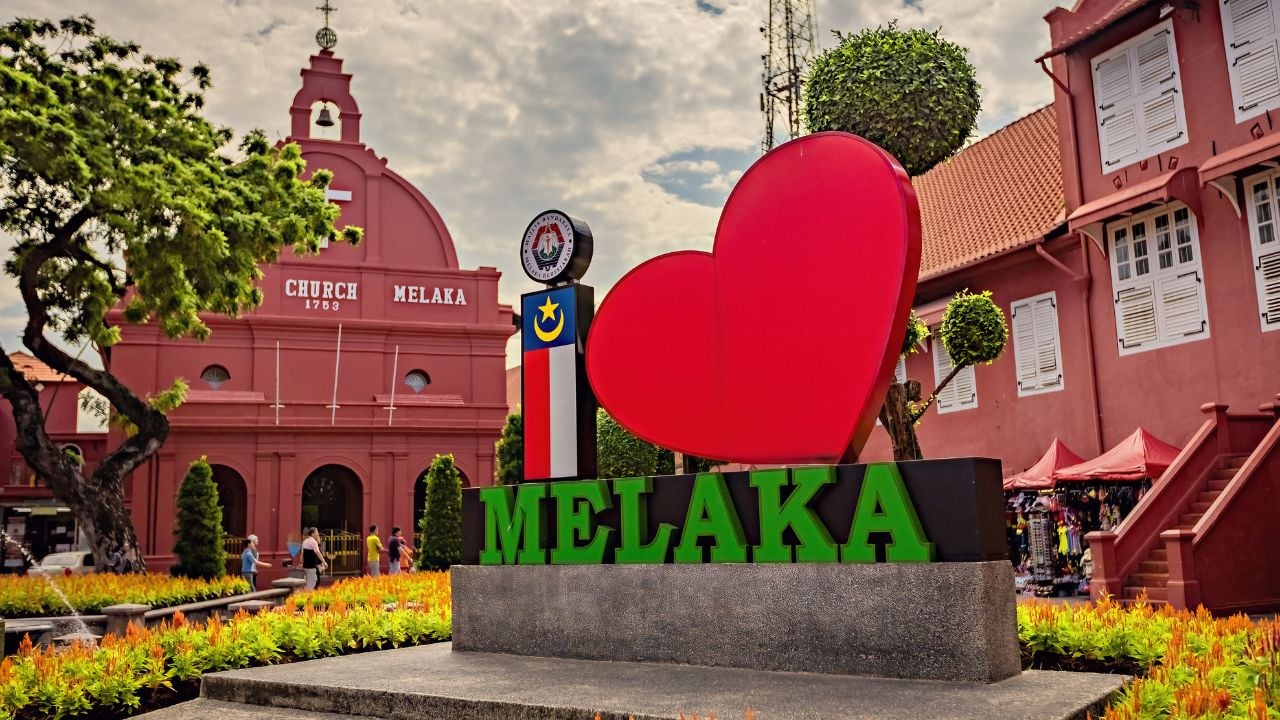
Melaka works because the river gives structure to a city already loaded with history. The Melaka River Cruise cuts through a UNESCO-listed urban landscape, and seeing it by boat makes the city feel legible in a very easygoing way. A cruise passes Dutch-style buildings, old shop houses, places of worship, museums, cafés, and neighborhood scenes without demanding that you stitch everything together on foot.
The waterfront becomes even more appealing as the day softens. By evening, the lights reflect on the water, the riverfront takes on more atmosphere, and the whole place feels more relaxed than crowded. That is part of Melaka’s strength. It is rich in history, but the river keeps it from feeling too dense or museum-like. You can browse during the day, then let the cruise and the riverside handle the evening almost on their own.
4. Kuching, Malaysia
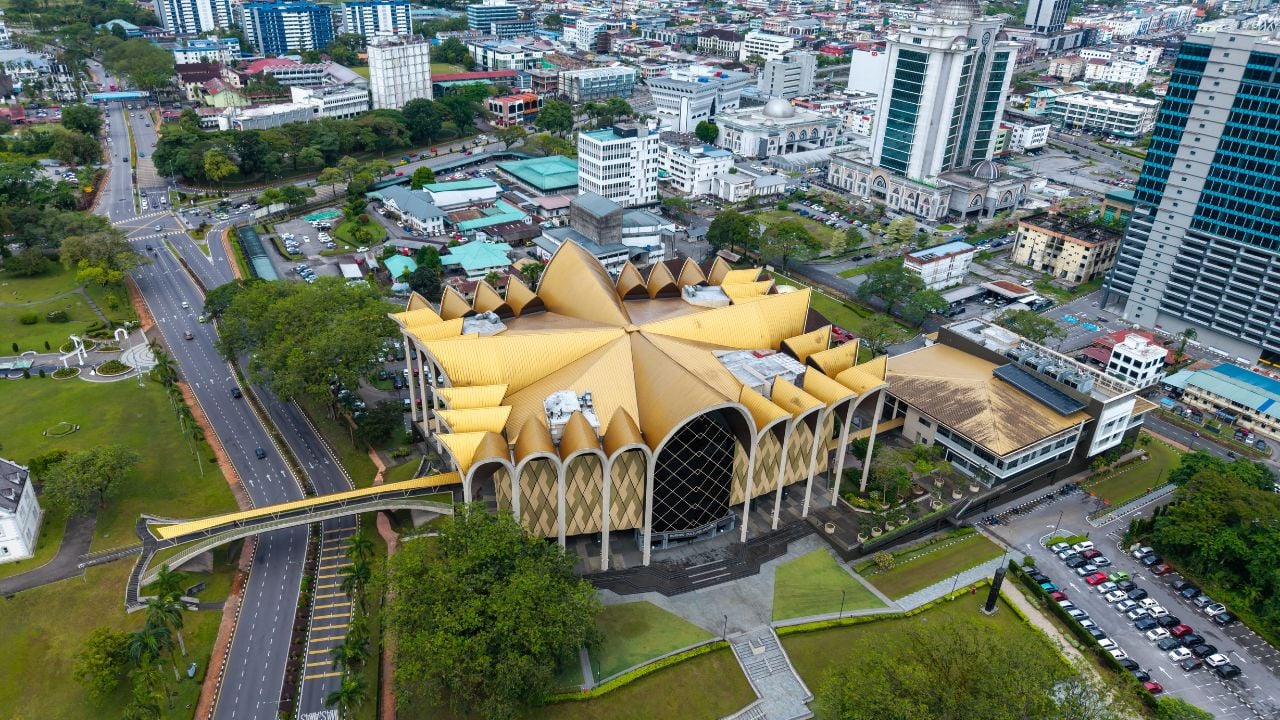
Kuching is one of the easiest cities on this list to enjoy without much planning. The Sarawak River waterfront does a lot of the work for you, giving the city a clear center and a natural walking route that ties together history, daily life, and views. The atmosphere is open, friendly, and low-pressure. It feels like the kind of city where you can simply keep moving at an easy pace and still feel like you are seeing a lot.
The waterfront itself is a big part of the charm. It offers room to stroll, places to stop, food and craft stalls, and views toward landmarks such as the Astana, the Old Courthouse, and the Darul Hana Bridge. None of it asks for a packed agenda. Kuching is at its best when you let the river hold the day together, moving from one small pleasure to the next without trying to turn every hour into a headline attraction.
5. Uji, Japan

Uji offers a gentler city break than Kyoto proper, but it never feels empty. The Uji River sits at the center of the city’s identity, and many of the shops, cafés, and sights gather naturally along its banks. That layout makes the city unusually easy to settle into. You step off the train, and the pace already feels softer.
There is also real depth behind the calm. Uji links river scenery with tea culture, history, and literary associations, so the atmosphere never feels shallow. You can walk along the river, cross Uji Bridge, stop for tea, and take in major sights like Byodoin without ever needing to rush. That is what makes the city so satisfying. Its pleasures are close together, easy to read, and best enjoyed at a pace that leaves room for detail.
6. Chiang Khan, Thailand
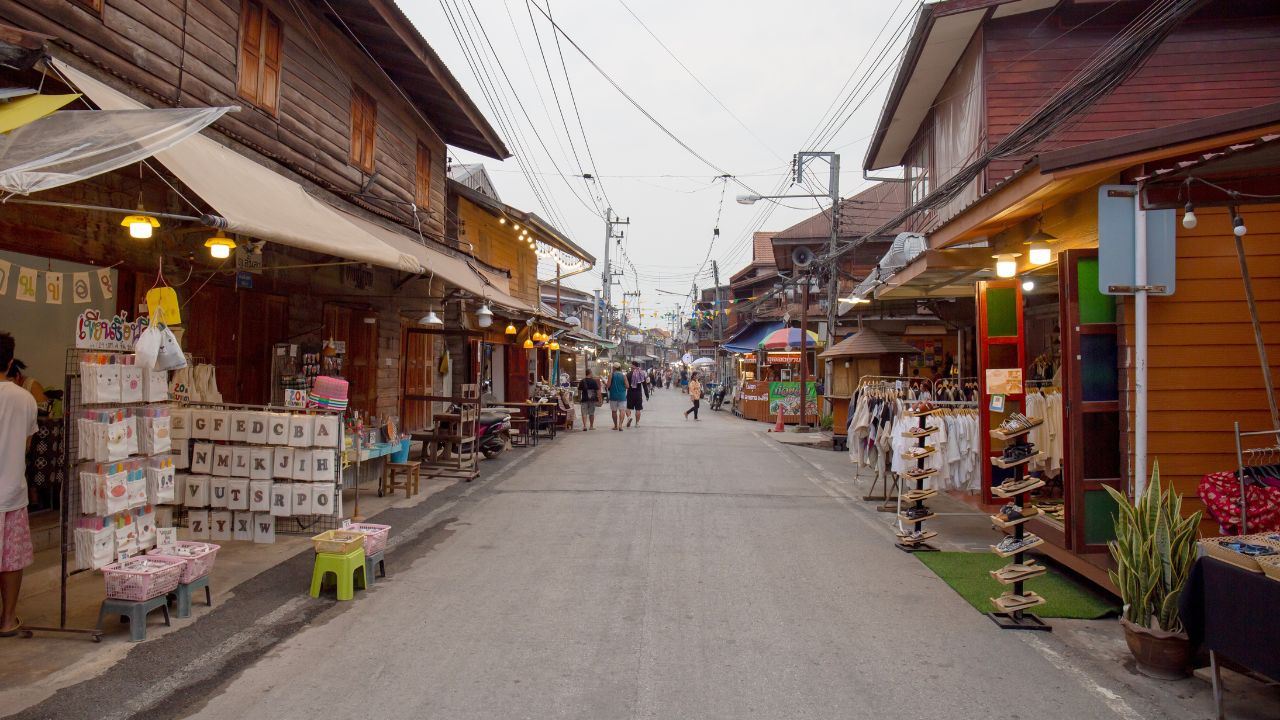
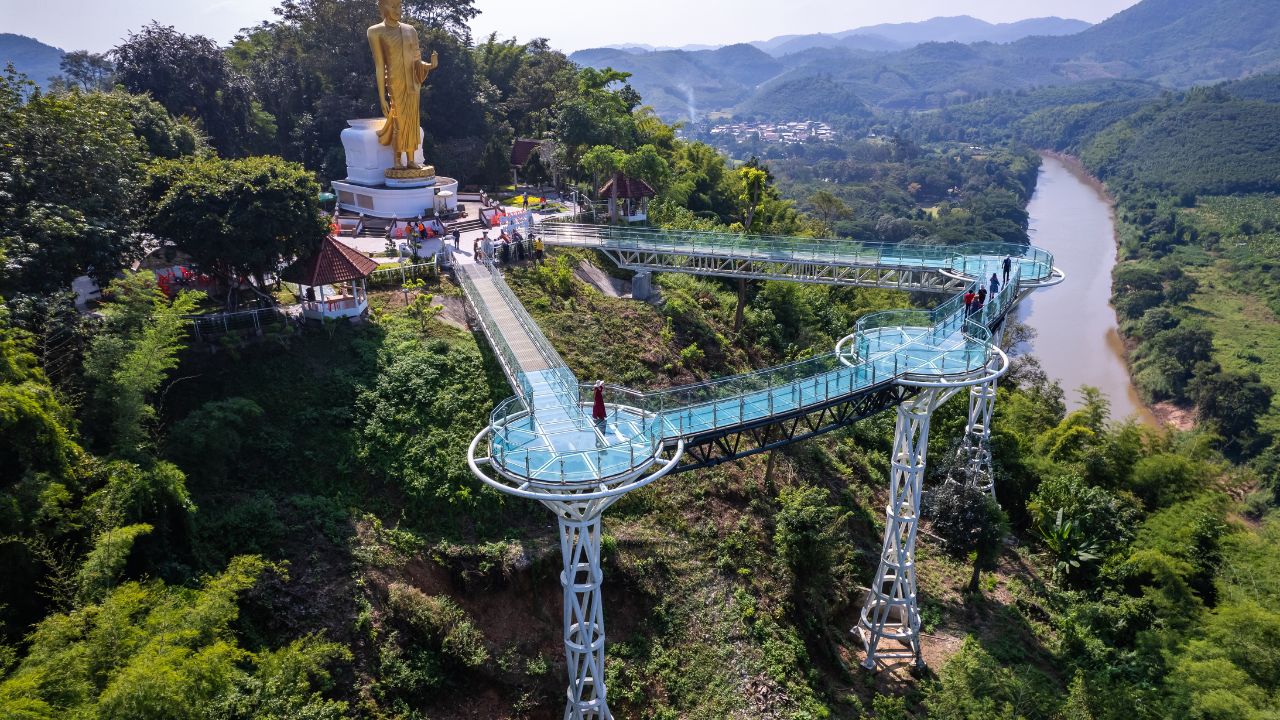
Chiang Khan is probably the clearest slow-travel fit of the group. This Mekong-side town has the kind of quiet charm that does not need much explanation once you are there. Its walking street, old wooden buildings, local food, and riverside views create a setting where the simplest version of the day often feels like the best one. You do not need a complicated plan to enjoy Chiang Khan.
What makes it especially appealing is how much value ordinary moments seem to hold. Morning alms, a bicycle ride through the old streets, a calm afternoon by the Mekong, and a long golden-hour walk can already feel like enough. Even the nearby scenic stops fit neatly into the same unhurried mood. Chiang Khan does not feel built for speed, and that is exactly why it leaves such a strong impression.