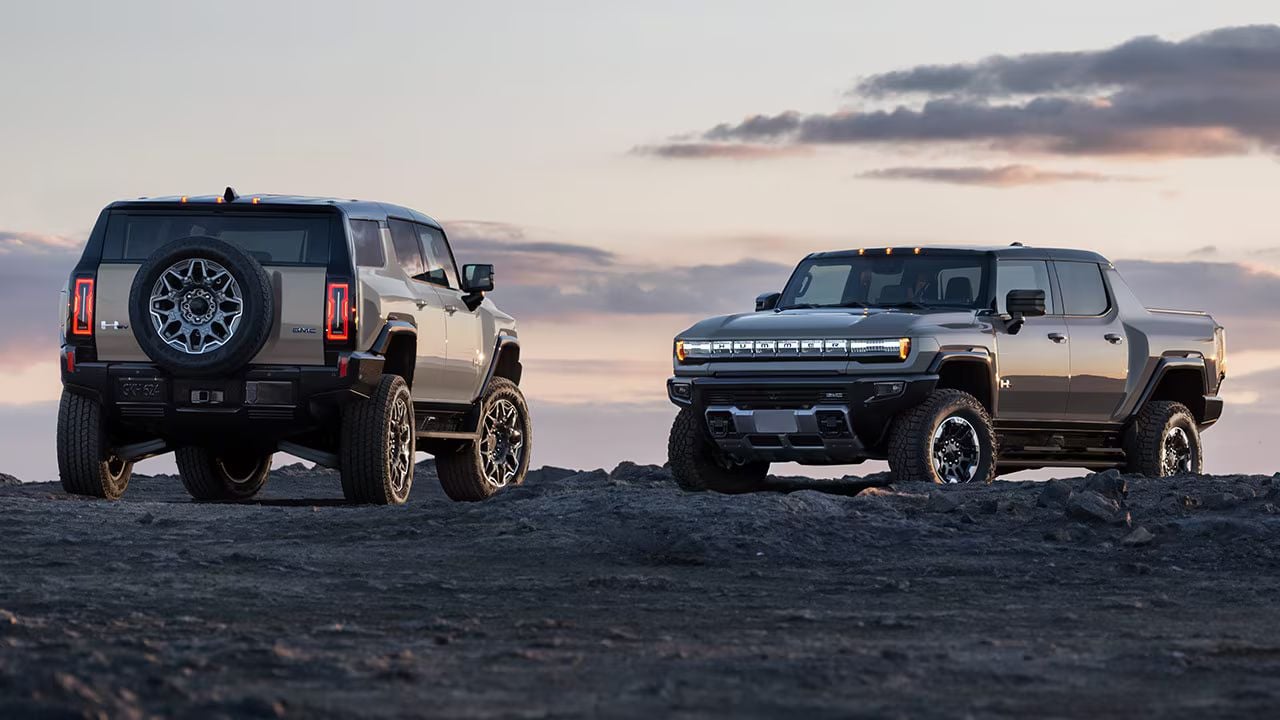
A longtime GMC dealer in New York is taking General Motors to court, alleging the automaker has systematically limited its access to new vehicles in a way that has damaged both its business and reputation.
Sun GMC, located on Long Island, has filed a lawsuit claiming GM has unfairly restricted vehicle allocations for years, making it difficult for the dealership to compete, maintain sales targets, and qualify for manufacturer programs. The dealership argues that the situation has become so severe that it threatens the future of the business.
The lawsuit centers on one of the least visible aspects of the automotive industry: vehicle allocation. While customers rarely think about how inventory reaches dealerships, allocation determines how many vehicles a retailer receives and can directly affect sales performance, profitability, and customer traffic.
Automotive News reports that Sun GMC is seeking at least $15 million in damages and alleges that GM’s actions constitute an indirect attempt to force the dealership out of business without formally terminating its franchise agreement.
Dealer Claims Inventory Has Been Dramatically Reduced
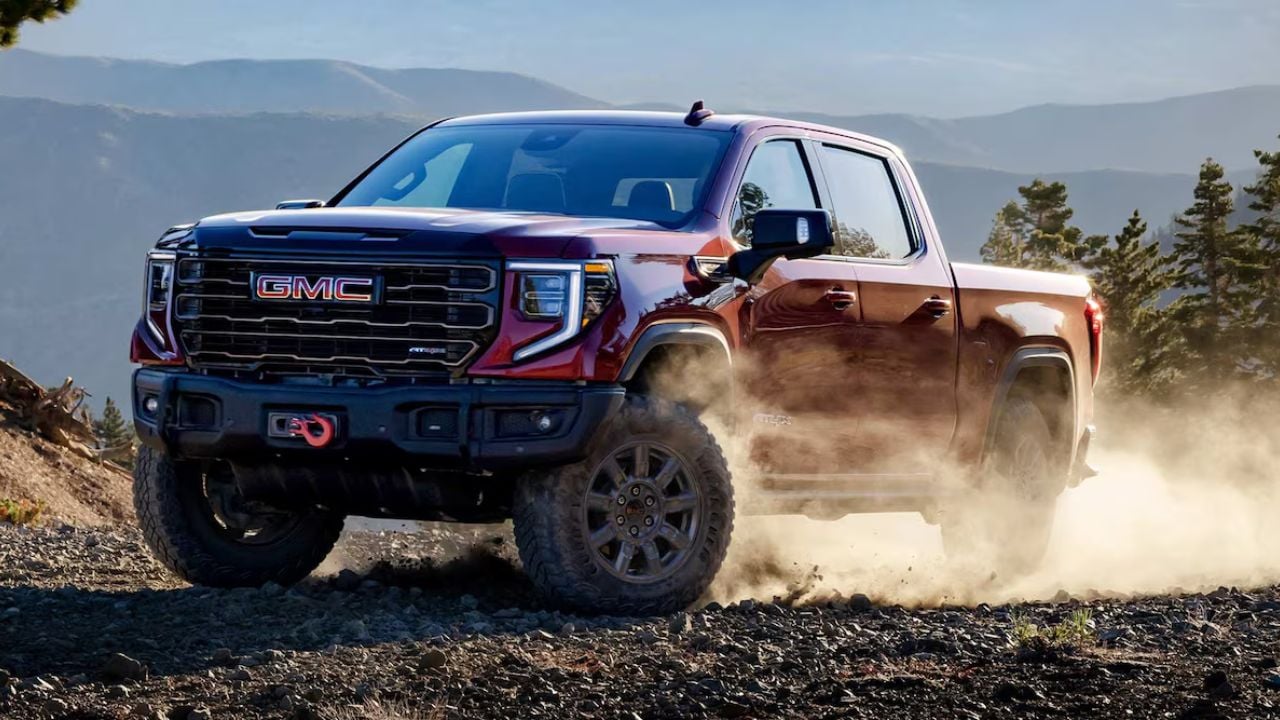
According to the lawsuit, Sun GMC’s inventory allocation has fallen sharply over the past several years despite maintaining strong sales performance.
The dealership claims it received approximately 1,200 vehicles in 2017. That figure reportedly dropped to 380 units in 2023, increased slightly to 426 in 2024, and reached 501 units in 2025.
Sun GMC argues those numbers are insufficient to remain competitive in its market. The complaint notes that the dealership sold 420 of the 426 vehicles it received in 2024, suggesting demand was not the problem.
Instead, the dealer alleges that limited inventory has restricted its ability to grow sales and improve performance metrics that GM uses to evaluate retailers.
Performance Scores And Reputation At Stake
The lawsuit claims the inventory shortage has consequences beyond vehicle sales. According to Sun GMC, GM’s performance system requires dealerships to achieve annual sales volumes exceeding 900 units to receive favorable ratings. The dealer argues that reaching those targets becomes nearly impossible when inventory levels remain well below that threshold.
The complaint also alleges that lower performance scores have prevented dealership president Patrick Cassino from pursuing positions within GM’s dealer network, including eligibility for the Buick-GMC National Dealer Council.
Additionally, the dealership claims it has lost access to certain incentive programs, awards, and bonus opportunities tied to performance measurements.
Sun GMC argues that the resulting perception creates the appearance of a struggling business, potentially damaging relationships with customers, employees, and prospective buyers.
Forced To Buy Vehicles From Other Dealers?

One of the more unusual claims in the lawsuit involves how the dealership allegedly obtained additional inventory. According to Sun GMC, GM directed the store to acquire vehicles from other Buick-GMC dealers rather than receiving them directly through standard allocation channels.
The dealership claims doing so adds roughly $2,000 in additional cost per vehicle. Those higher acquisition costs can reduce profit margins and make it more difficult to compete against other retailers receiving inventory directly from the manufacturer.
Sun GMC argues that this arrangement places it at a significant disadvantage while doing little to solve the underlying allocation problem.
Allegations Of An Indirect Termination Strategy
The most serious accusation in the lawsuit concerns GM’s alleged motivation. Sun GMC’s attorney argues that the automaker wants to effectively eliminate the dealership from its retail network but is unwilling to formally terminate the franchise agreement. Instead, the lawsuit claims GM has achieved a similar result by limiting access to inventory over an extended period.
GM has not publicly responded to the allegations detailed in the lawsuit, and the claims remain unproven in court.
Disputes between automakers and dealers are not uncommon, but they typically involve franchise compliance, customer satisfaction issues, facility requirements, or accusations of misconduct. A case centered primarily on vehicle allocation is considerably less common.
A Potentially Significant Dealer-Manufacturer Battle
Vehicle supply has become one of the industry’s most valuable assets in recent years, particularly following pandemic-era inventory shortages that reshaped how automakers distribute vehicles across their dealer networks.
If the case proceeds, it could offer a rare look into how allocation decisions are made and whether dealers can successfully challenge manufacturers over those practices in court.
For now, Sun GMC’s lawsuit represents an escalating dispute between a dealer that has represented GMC since 1986 and the automaker that supplies its showroom. Whether the dealership can prove its claims remains to be determined, but the outcome could draw attention from retailers across the industry facing similar concerns about inventory distribution.