Some American landscapes are beautiful in a familiar way. Others feel so outsized or strange that they seem to belong to another planet. The places below fall into that second category, the kinds of destinations that make people go quiet for a moment once the view finally opens up.
Part of the appeal is scale. A canyon wall can look less like a landform than a collapsed world, while a hot spring can seem painted rather than natural. In other places, sand rises where it should not, water fills a volcanic basin with impossible color, or stone breaks into shapes that look almost designed.
This list also works because the landscapes are so different from one another. One is carved by deep time, one is shaped by hydrothermal heat, one sits inside a volcanic caldera, one runs beneath the earth for hundreds of miles, one piles sand against alpine peaks, and one turns erosion into a forest of rock spires.
Together, they show how many different ways the United States can feel visually overwhelming. These are not just scenic places. They are places that make the country look stranger, older, and far less ordinary than many travelers expect.
1. Grand Canyon, Arizona
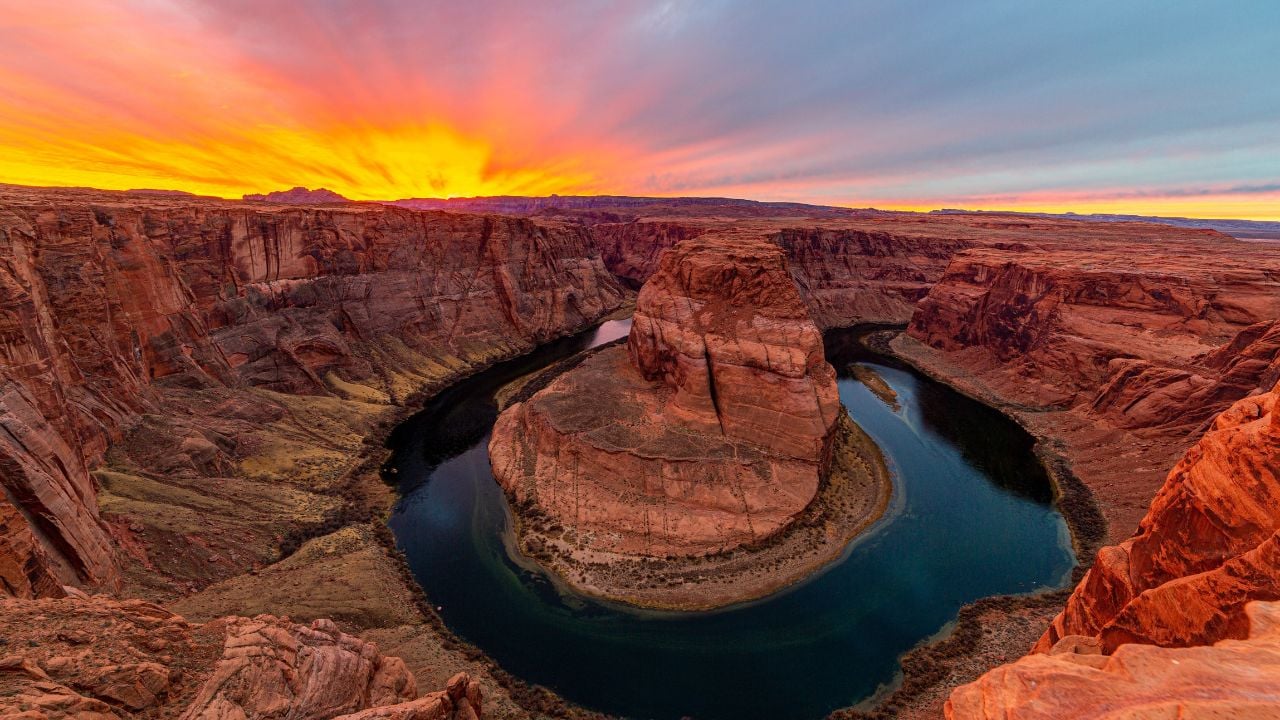
The Grand Canyon still earns a place near the top of almost any American natural-wonders list because scale alone does not explain its impact. The National Park Service’s geology overview makes clear that the canyon exposes an immense rock record, with ancient basement rocks deep below and younger sedimentary layers stacked above them. The view is dramatic, but it is also a visible slice of geologic time.
That is a big part of why the canyon keeps feeling larger the longer you stare at it. Bands of red, tan, gray, and rust pull the eye downward in stages, so the landscape reads almost like a history book written into a wall. Plenty of places are scenic. Very few make geology look this cinematic.
2. Grand Prismatic Spring, Yellowstone National Park
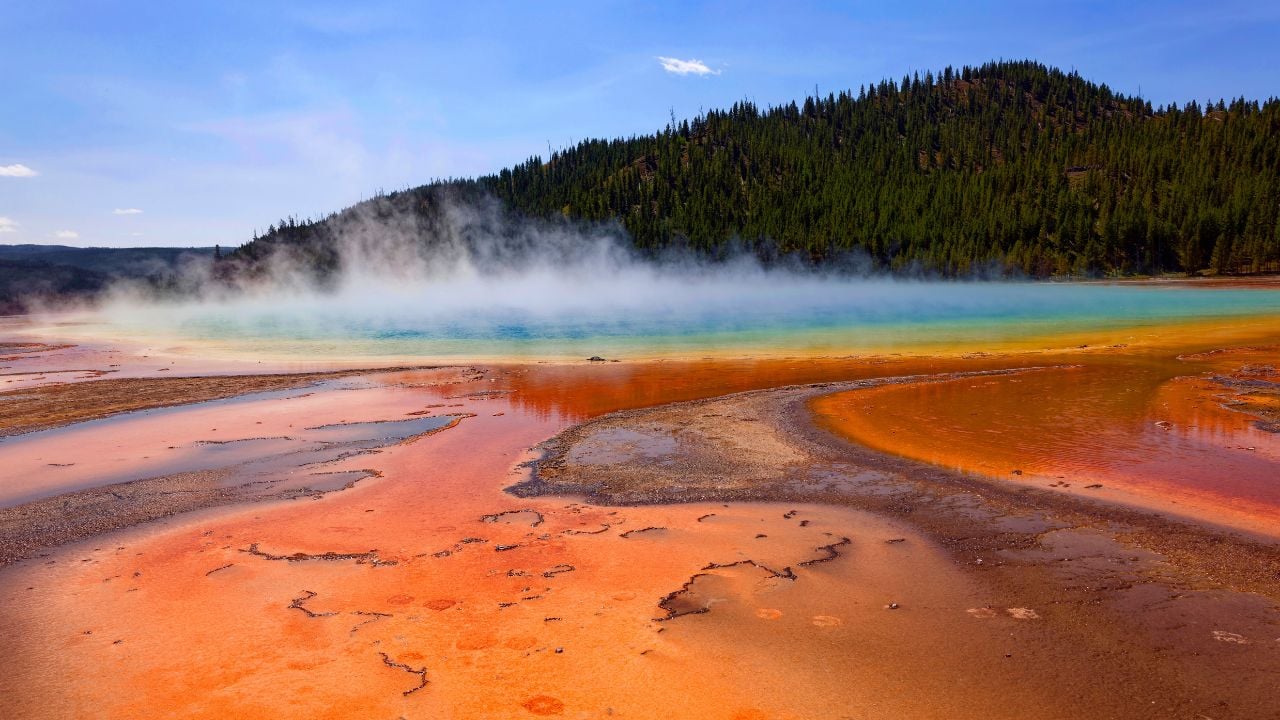
Yellowstone has no shortage of extraordinary features, but Grand Prismatic Spring is one of the most instantly astonishing. The National Park Service says it is Yellowstone’s largest hot spring, measuring about 200 to 330 feet in diameter and more than 121 feet deep. The size would already make it memorable. The color is what pushes it into another category entirely.
Seen from the overlook, the spring looks almost unreal, with an intense blue center and bright orange, yellow, and rust-colored rings around it. Yellowstone was created to protect the park’s unique hydrothermal and geologic features, and Grand Prismatic is one of the clearest reminders of why the place still feels unlike anywhere else in the country.
3. Crater Lake, Oregon
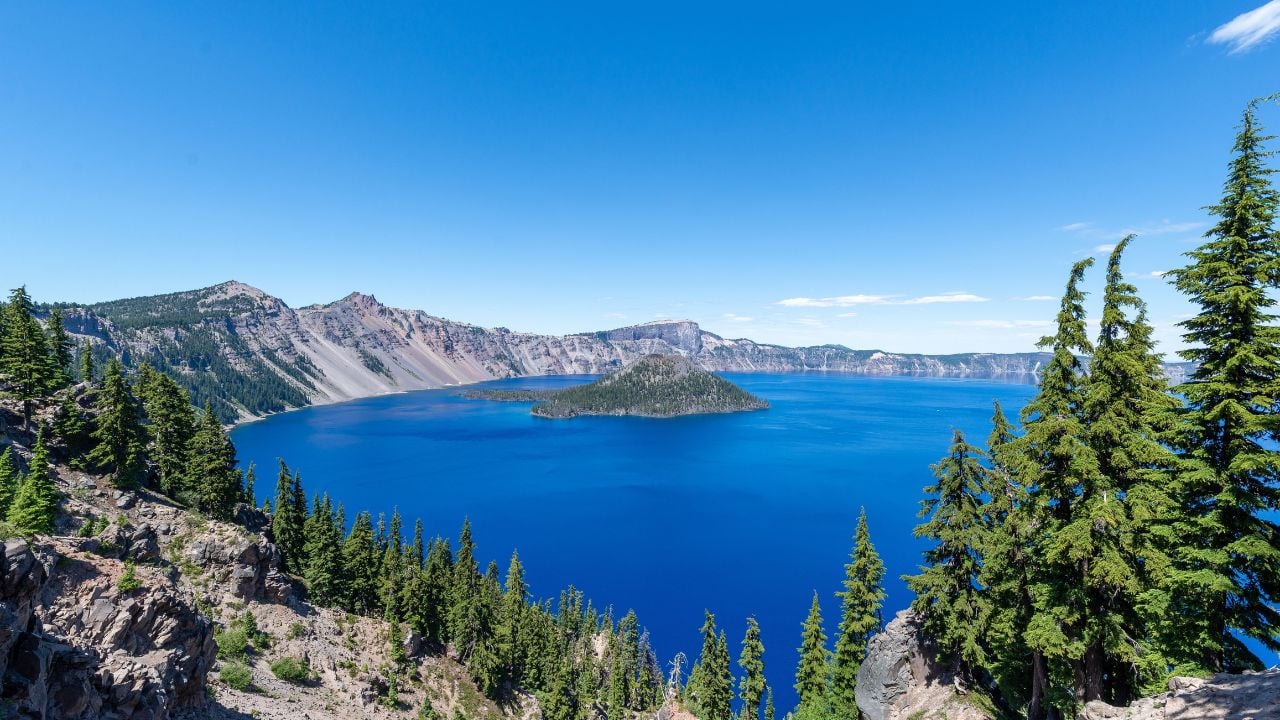
Crater Lake has one of the strongest visual identities of any national park in the country. The National Park Service says it is widely known for its rich blue color and extreme clarity, which averages 102 feet, and that it is the deepest lake in the United States at 1,943 feet. Those facts help explain why the water looks so saturated and still.
The setting makes the lake even more compelling. It sits inside a volcanic caldera formed when Mount Mazama collapsed about 7,700 years ago, which gives the whole scene unusual intensity. This is not just a pretty alpine lake. It is a volcanic basin filled with remarkably pure water, and it looks like one.
4. Great Sand Dunes National Park and Preserve, Colorado
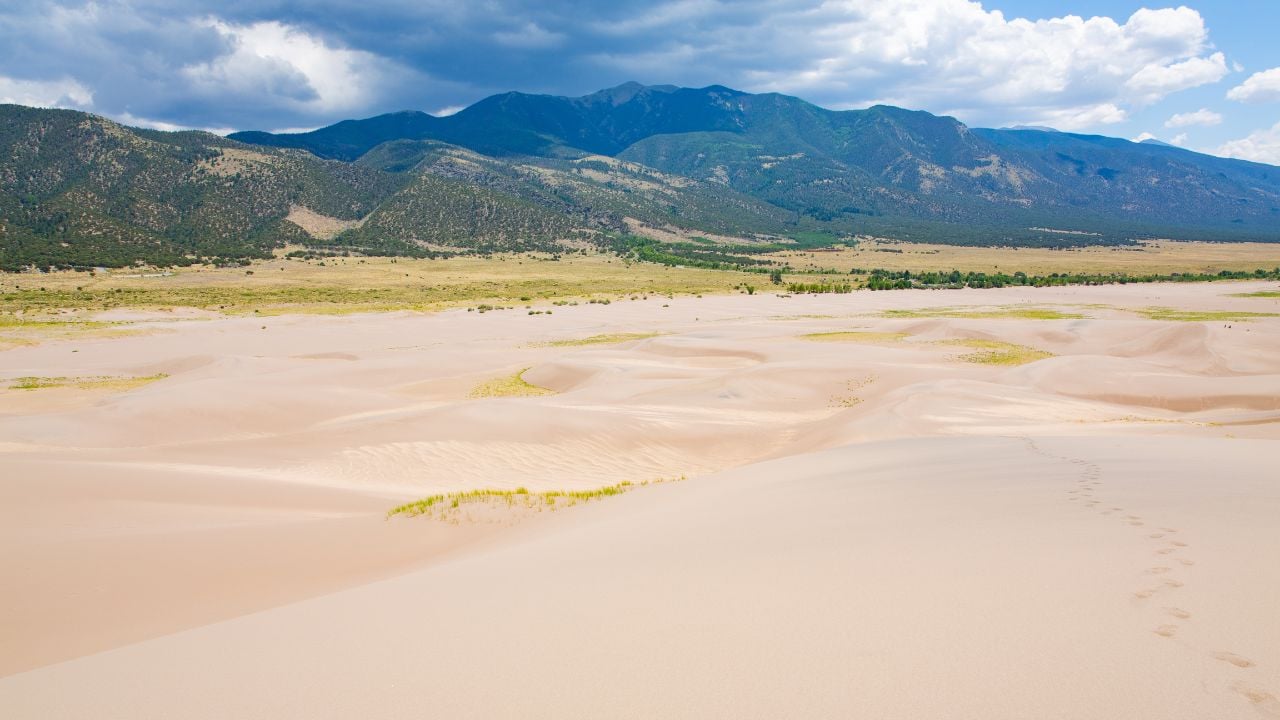
Great Sand Dunes is the kind of place that looks improbable even in photographs. The National Park Service says the park contains the tallest dunes in North America, spread across a roughly 30-square-mile dunefield. That alone would make it unusual.
The real surprise is the backdrop. The park’s main page emphasizes that the dunes rise within a much broader landscape of grasslands, wetlands, forests, alpine lakes, and tundra. Instead of one environment, the frame seems to hold several at once, which is exactly what makes the place feel so strange and oversized.
5. Mammoth Cave, Kentucky
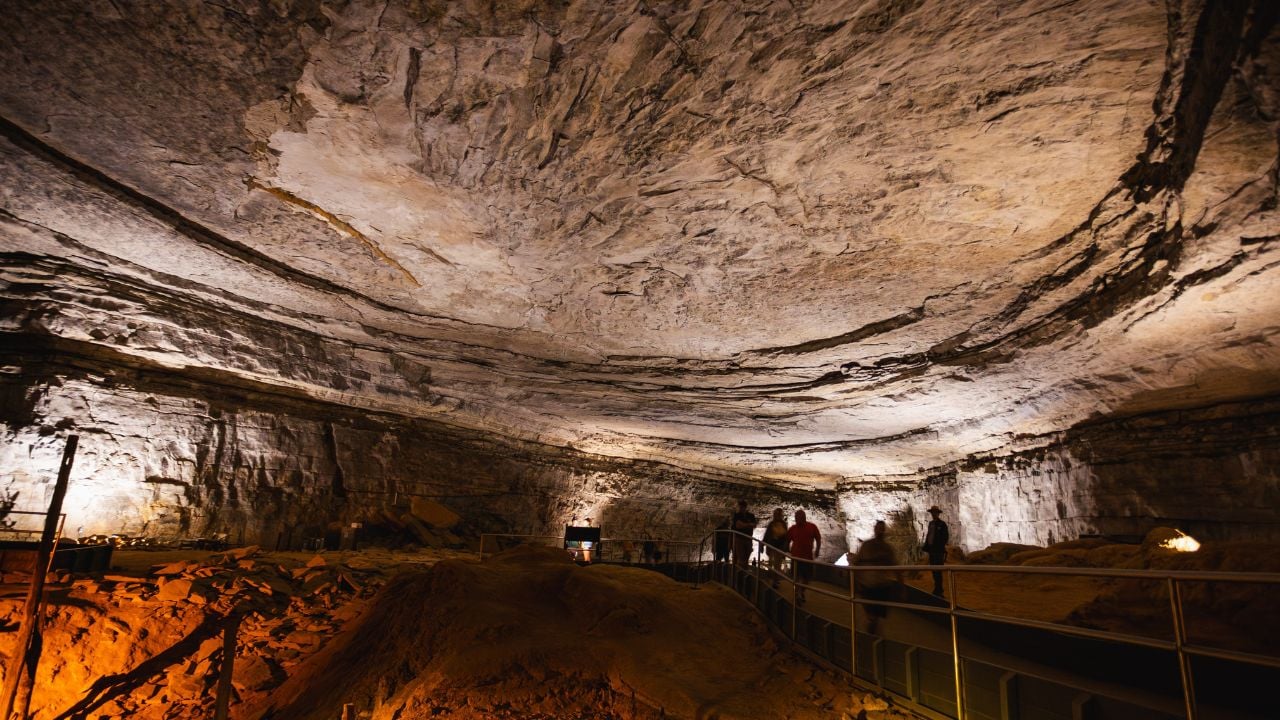
Mammoth Cave earns its place here because wonder does not always mean huge views under open sky. The National Park Service says Mammoth Cave National Park is home to the world’s longest known cave system, and park science material says more than 426 miles of passageways have been surveyed so far. The scale is hard to picture until you are inside it.
What stays with people is not only the length, but the feel of the place. Vast passageways, low-ceilinged corridors, and chamber after chamber disappearing into darkness give the cave a sense of size that most underground sites never approach. A lot of caves are beautiful. Very few feel this expansive.
6. Bryce Canyon National Park, Utah
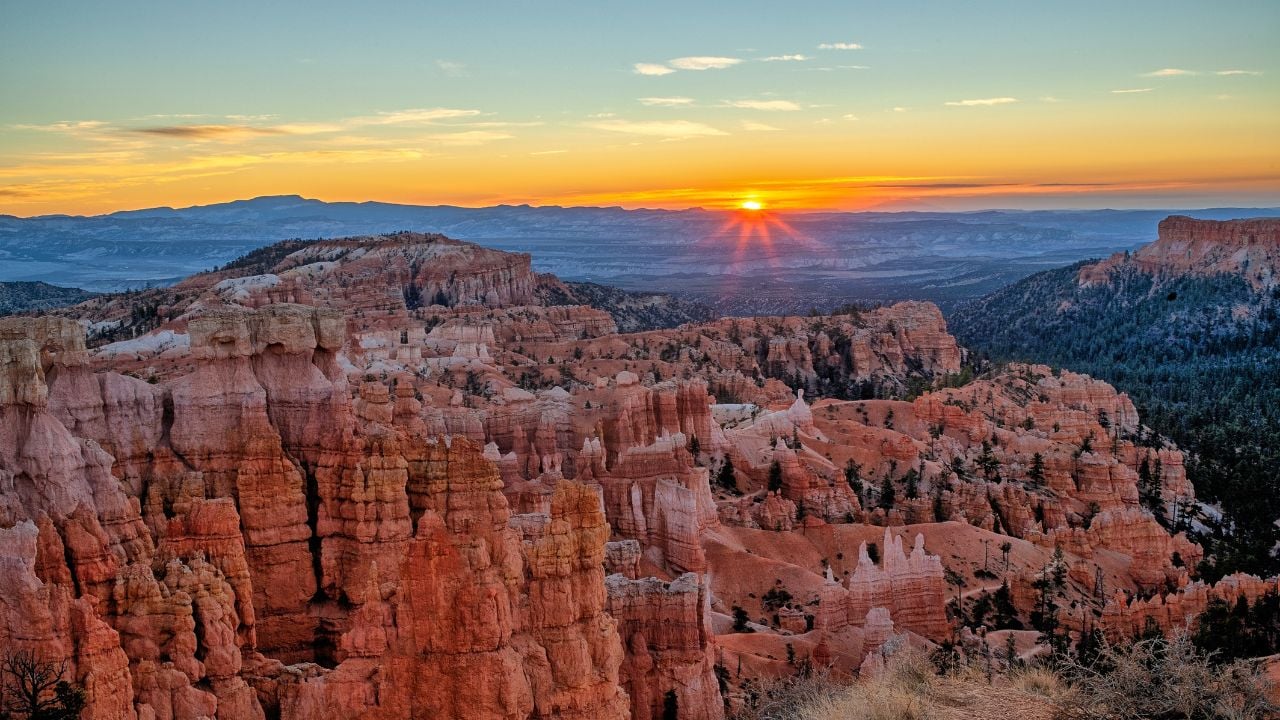
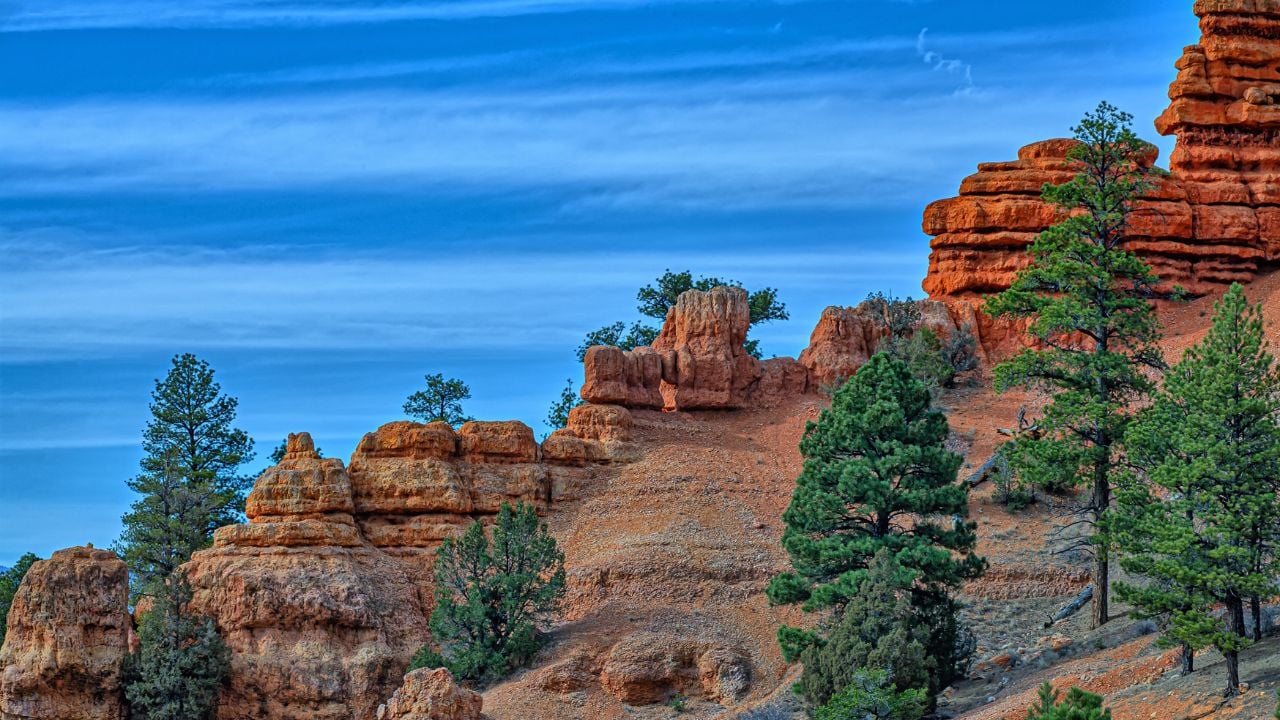
Bryce Canyon is one of those places that barely resembles what most people picture when they hear the word canyon. The National Park Service says the park contains the largest concentration of hoodoos found anywhere on Earth, along with red rocks, pink cliffs, and high-plateau views that make the whole landscape feel slightly unreal.
The effect is different from the Grand Canyon’s brute scale. Bryce looks ornate rather than massive. Thousands of irregular stone spires crowd together inside broad natural amphitheaters, so the scene feels delicate, colorful, and faintly surreal all at once. It is one of the rare American landscapes that looks almost sculpted instead of simply eroded.