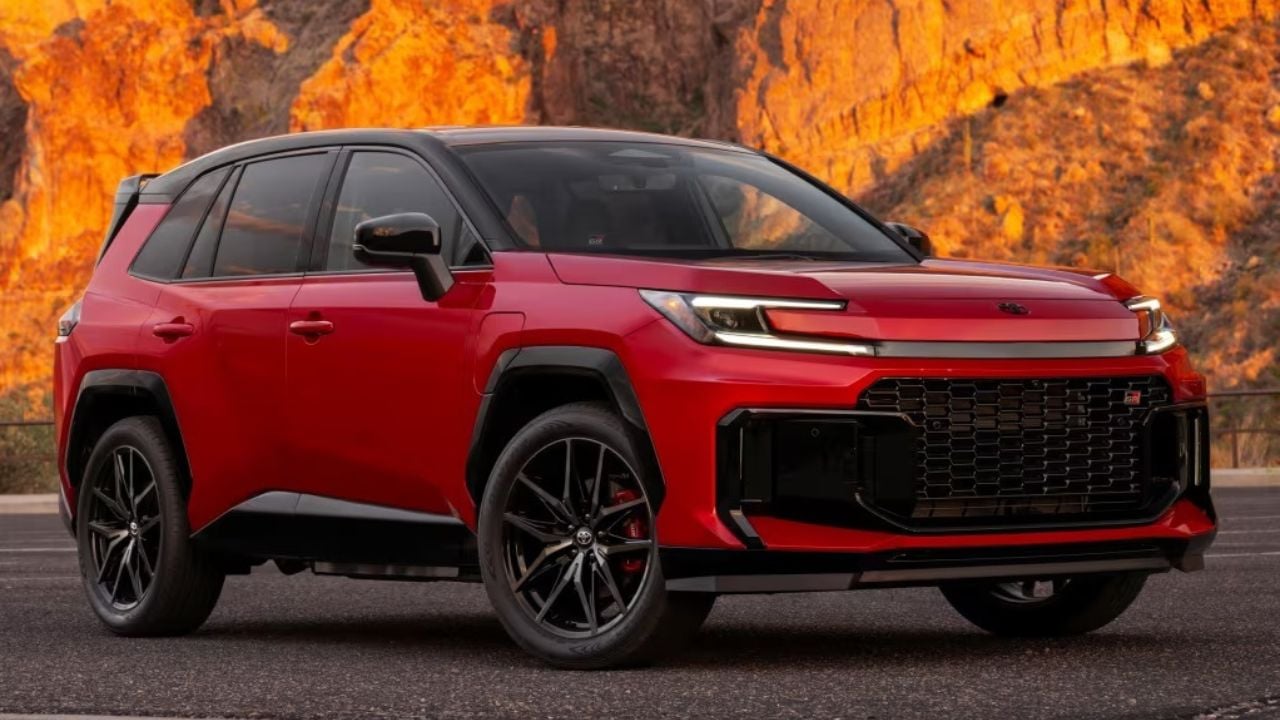
Toyota is making a clear move with the 2026 RAV4, but it is not the kind of move that points to an immediate all-electric future. Instead, the brand has turned its best-known compact SUV into a hybrid-only nameplate, with buyers choosing between a conventional hybrid and a plug-in hybrid.
On the surface, that looks like a major step toward electrification. In reality, it says just as much about Toyota’s caution as it does about its ambition.
Toyota is not treating the RAV4 as the place to experiment with every new battery electric idea at once. The company is keeping that role for the bZ and the new C HR BEV, while the RAV4 continues serving as the dependable volume player at the center of the lineup.
That split tells you exactly how Toyota sees the market right now. It is willing to electrify one of its most important models but not willing to force that model into a full EV role before the company believes the timing truly makes sense.
A Hybrid Only RAV4, But Not A Battery EV
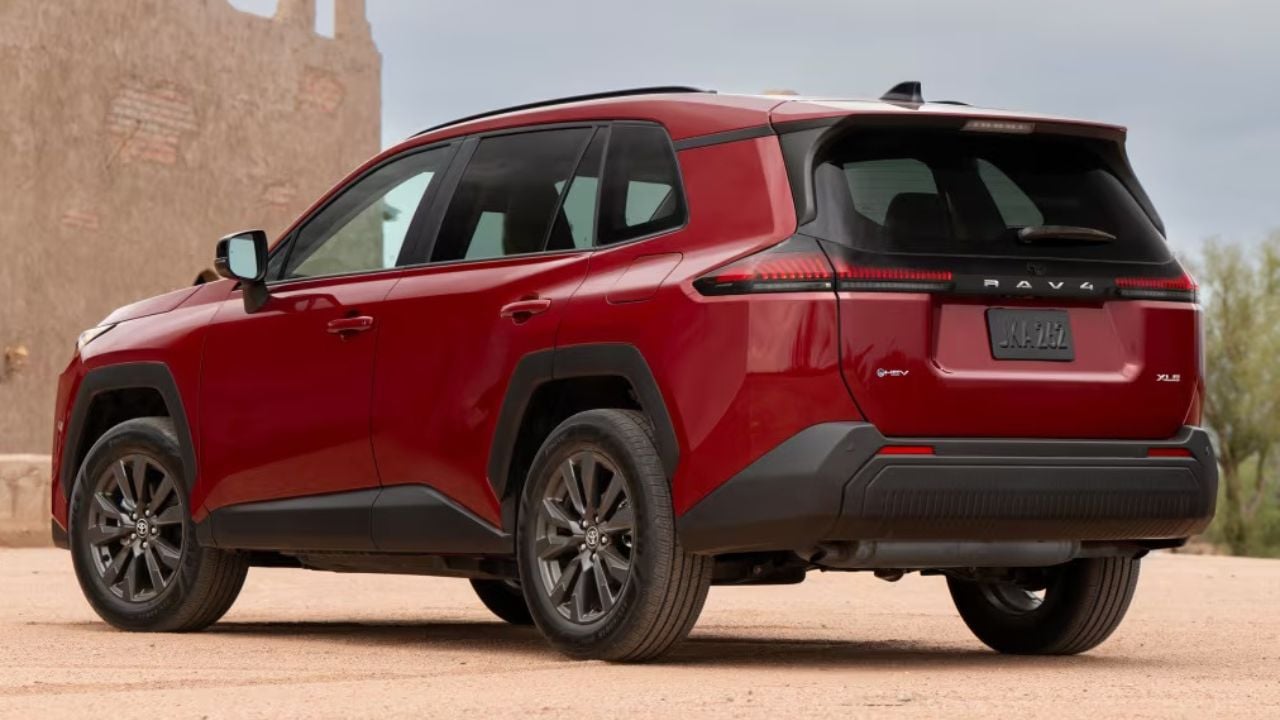
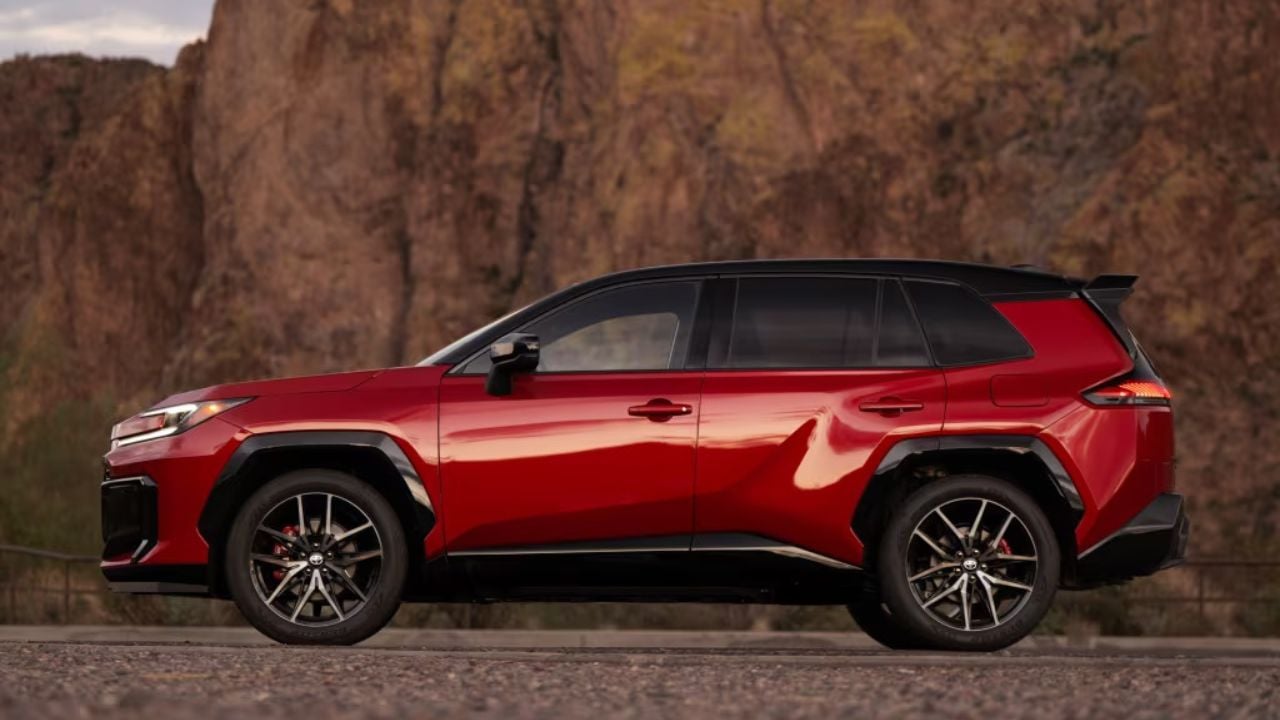
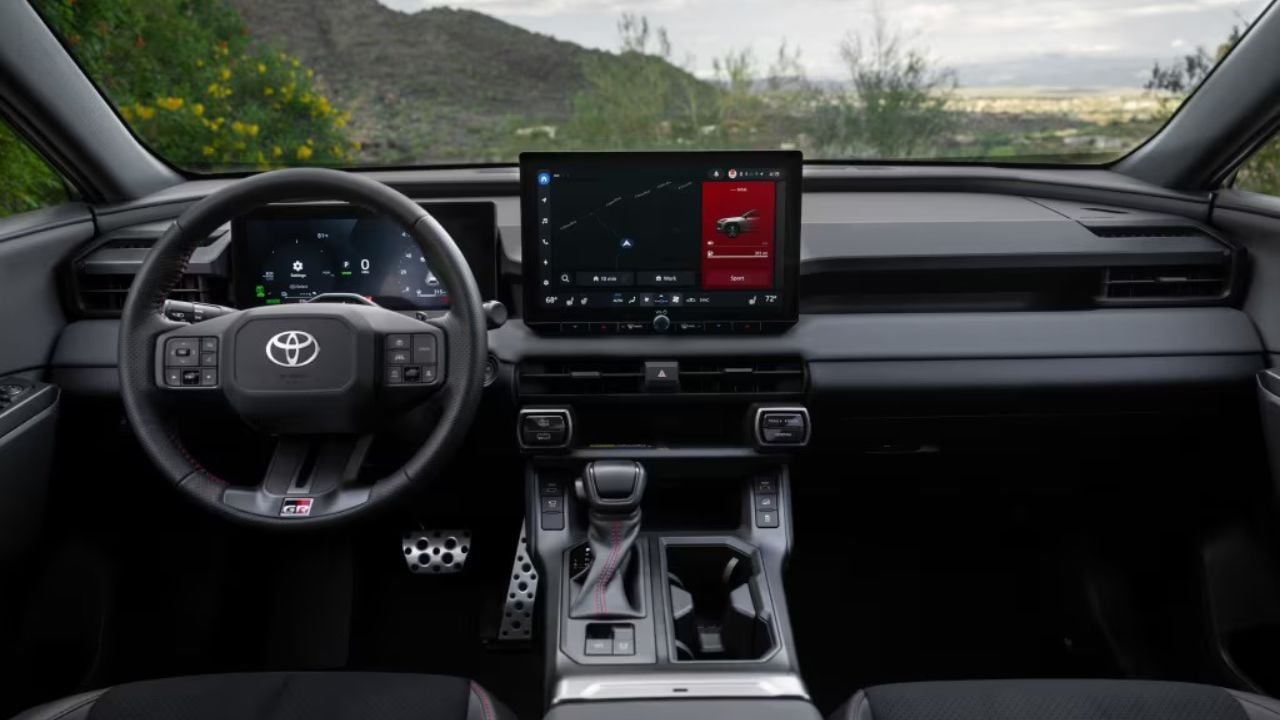
For 2026, Toyota has officially made the RAV4 an electrified-only model. The sixth-generation SUV now comes only as a hybrid electric vehicle or a plug-in hybrid electric vehicle, depending on the trim, with available front-wheel drive or all-wheel drive.
That is a meaningful change for one of the world’s most important crossovers. Reuters reported when the new model debuted that Toyota sold more than a million RAV4s globally in the previous year, which explains why the company is handling this transition with so much care.
Instead of making the RAV4 its electric flagship, Toyota is strengthening what buyers already know. The hybrid remains the mainstream choice, while the plug-in hybrid gives customers more electric driving range without asking them to commit to a full battery electric vehicle.
Why Toyota Is Not Ready For A RAV4 EV
Yoshinori Futonagane, the RAV4’s chief engineer, has made Toyota’s position unusually clear. According to multiple reports based on his recent comments, the company has not given a full-battery electric RAV4 much serious thought, and he indicated that such a model is not something happening now.
His explanation fits Toyota’s broader multipathway strategy. The company does not want to cram every powertrain idea into one vehicle line. Instead, it wants different models to play different roles across the lineup.
That is why the RAV4 remains the practical mass market pillar, while the bZ family handles the pure EV mission. Toyota appears to believe that separating those jobs gives it more flexibility than turning its most important crossover into a test case for a battery-only future.
The EV Side Of Toyota Lives Somewhere Else
For buyers who want a fully electric Toyota in the United States, the path runs through the 2026 bZ4X and the new 2026 C-HR BEV. The updated bZ continues as Toyota’s core electric small SUV, while the new C-HR returns as a battery electric crossover with standard all-wheel drive and a stronger performance focus.
That lineup makes Toyota’s broader strategy easier to read. The company is expanding its EV range, but it is doing so with dedicated battery models instead of turning every major crossover into an EV all at once.
So the 2026 RAV4’s hybrid-only shift is not a half step or a contradiction. It is Toyota choosing its own pace. The company is pushing electrification forward, but on terms shaped by what it sees as real customer demand, real infrastructure limits, and the need to protect one of its most important vehicles while the electric market continues to take shape.
This article originally appeared on Autorepublika.com and has been republished with permission by Guessing Headlights. AI-assisted translation was used, followed by human editing and review.