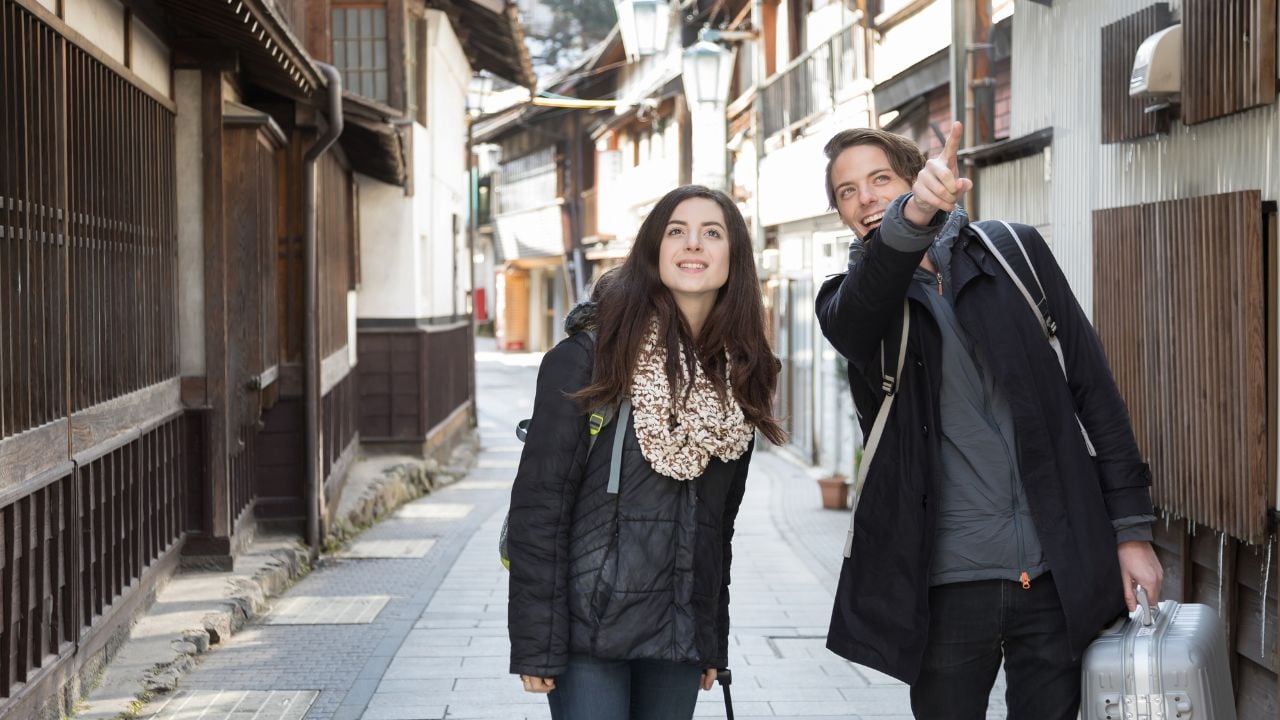
Japan can overwhelm first-time visitors quickly, not because it is hard to enjoy, but because the small decisions arrive all at once. A train station may have several companies inside it. A hotel may ask whether luggage should be forwarded. A restaurant may move quietly and quickly without much explanation. Even a short ride across Tokyo can depend on choosing the right line, gate, platform, and exit.
The trip becomes easier when travelers remove a few problems before they start. Too many hotel changes, heavy bags, the wrong rail pass, missing IC card setup, unsaved addresses, and unfamiliar public manners can turn the first days into work. Fix those early, and the country opens up faster.
Japan rewards travelers who travel lighter, move slower between bases, and keep important details ready before the station gets crowded. The planning does not need to be complicated. It needs to stop the same avoidable problems from showing up every morning.
The payoff is more time for the parts people remember: ramen counters, temple lanes, convenience-store breakfasts, quiet gardens, night streets, mountain views from train windows, and the small calm moments between major sights.
1. Keep the First Route Simple
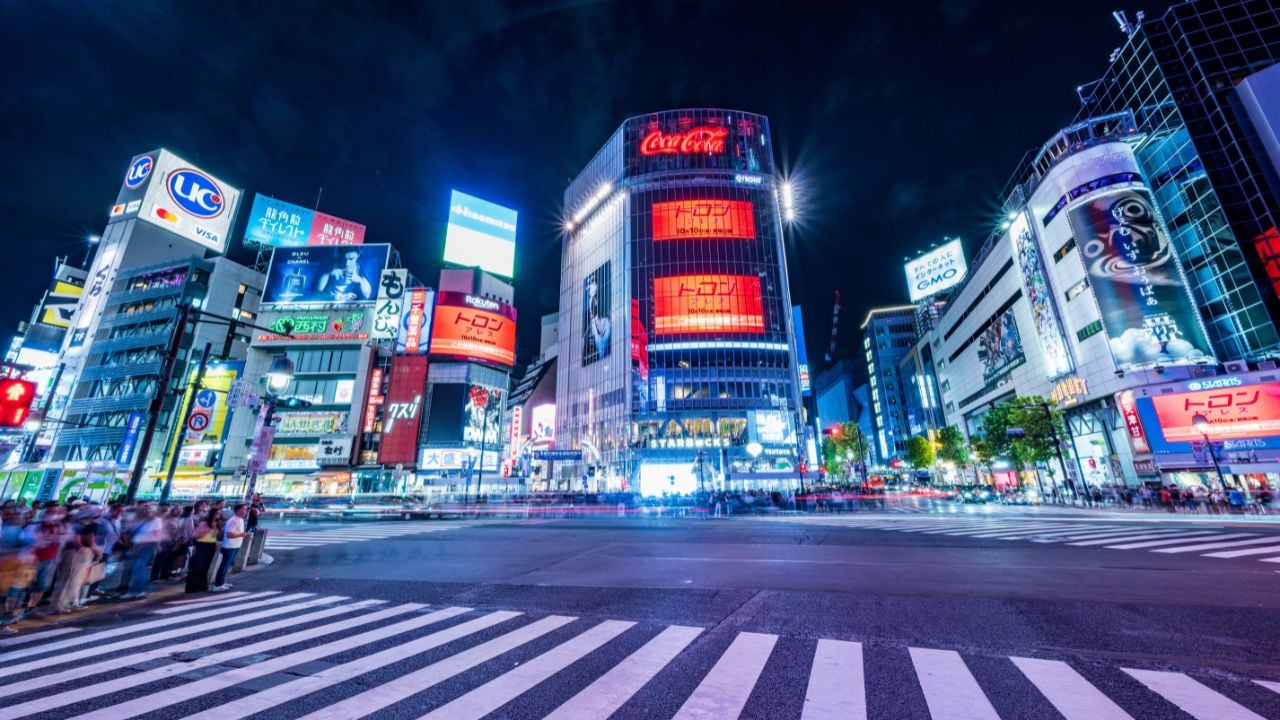
Japan makes it easy to keep adding names to the itinerary. Tokyo, Kyoto, Osaka, Nara, Hakone, Hiroshima, Kanazawa, Nikko, and Mount Fuji all sound important when the map is open. The trouble starts when the route becomes a string of one-night stays, station transfers, and hotel checkouts.
Most first trips work better with two or three main bases. Tokyo deserves several days because it is not one experience. Shibuya, Shinjuku, Asakusa, Ginza, Ueno, Harajuku, food halls, parks, museums, and side streets can all feel like different versions of the city. Kyoto or Osaka can anchor the Kansai portion, with Nara fitting naturally as a day trip instead of another hotel move.
A third stop should earn its place. Hakone makes sense for hot springs and Mount Fuji views. Kanazawa brings gardens, seafood, markets, and traditional districts. Hiroshima adds history, regional food, and an easy connection toward Miyajima. One of those can deepen the trip. All of them can turn the route into a baggage relay.
Fewer bases mean fewer mornings spent packing, finding platforms, and checking into another room. Travelers still see major places, but each stop has enough time to feel like more than a train connection.
2. Set Up an IC Card for Everyday Rides
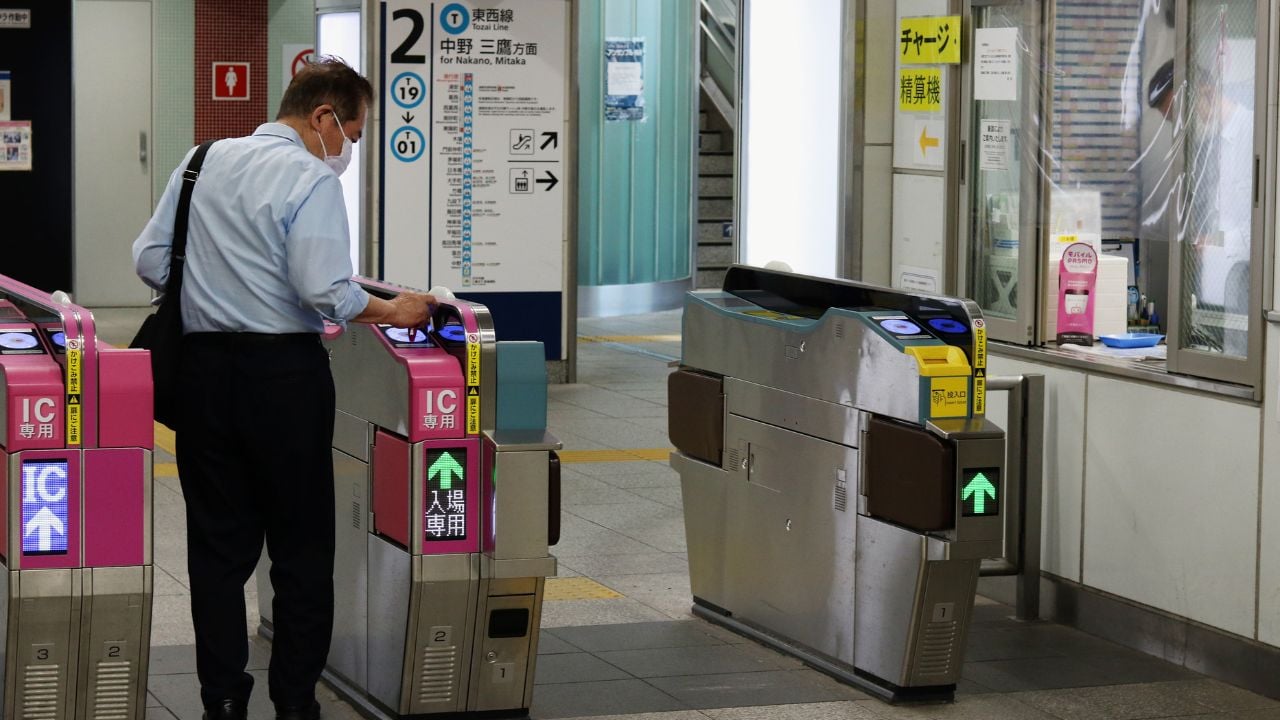
An IC card removes the repeated ticket-machine stop from many ordinary rides. JR East describes Welcome Suica as an IC card for temporary visitors that can be used for travel and shopping. PASMO also works for many train and bus fares and for cashless payments at participating shops.
Set one up at the beginning of the trip through an available tourist card, mobile wallet option, airport counter, or station purchase point. Physical-card availability has changed in recent years, so travelers should check current airport and rail information instead of assuming one specific card will be sold everywhere.
For daily movement, the card is one of the simplest tools in Japan. It can work on many subways, local trains, buses, station lockers, vending machines, convenience stores, and small purchases. That makes short rides and quick stops less awkward, especially in the first few days.
It still has limits. Shinkansen rides, limited express trains, reserved seats, and some special services may need separate tickets. PASMO also notes that it is not accepted on every train and bus network in Japan, so visitors should check local rules when traveling beyond the main urban areas.
3. Compare the Rail Pass With the Trip You Are Actually Taking
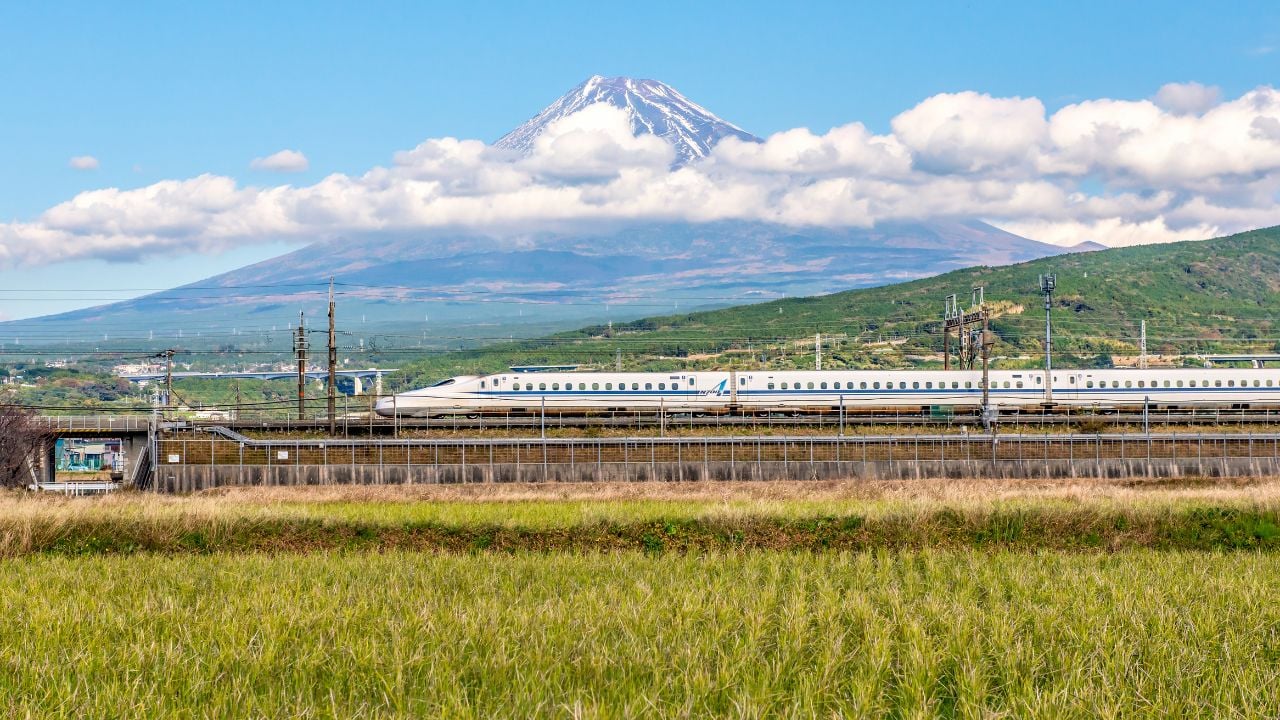
The Japan Rail Pass is not the automatic purchase it used to be for every first visit. The official Japan Rail Pass site says the pass is offered jointly by the six JR Group companies and can be used for travel throughout Japan by train. Advance reserved-seat booking is available only when the pass is bought through the official website.
The numbers should be checked against the actual route. A trip with several long JR rides in a short period may still favor a pass. A Tokyo, Kyoto, and Osaka route with only one or two major Shinkansen legs may be cheaper with individual tickets.
The official JR Pass site says the pass is not valid for Nozomi and Mizuho trains on the Tokaido, Sanyo, and Kyushu Shinkansen lines unless pass holders buy a special additional ticket for those services. First-timers who assume the pass covers every train equally can run into confusion on some of the most popular routes.
SmartEX is worth checking for Tokaido, Sanyo, and Kyushu Shinkansen rides. The official service lets travelers book seats online and choose seats from a cabin map. For Tokyo, Kyoto, Osaka, Hiroshima, or Hakata, comparing SmartEX tickets with pass prices before buying anything can prevent an expensive mistake.
4. Send Large Bags Ahead on Multi-Stop Trips
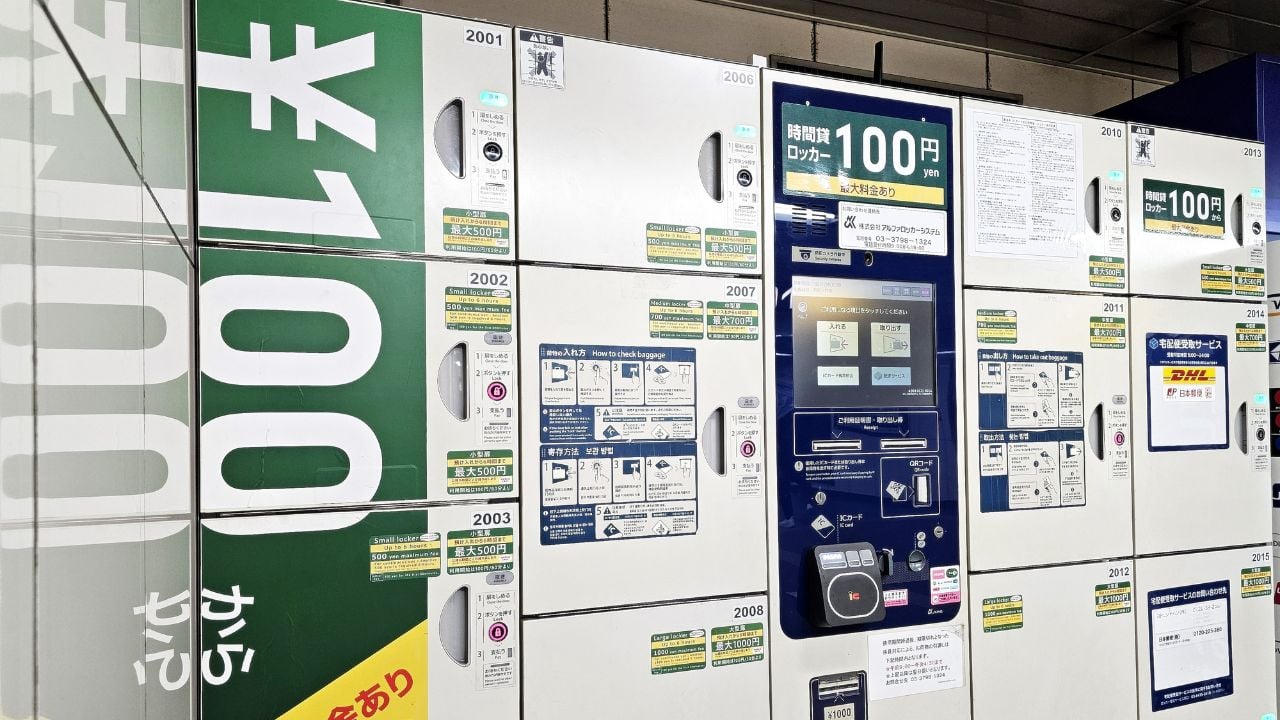
Japan’s stations are efficient, but a large suitcase can make them exhausting. Big stations often have several floors, long corridors, busy escalators, and exits that put travelers farther from the hotel than expected. A transfer that looks short on a phone can feel very different with a heavy bag in rush-hour foot traffic.
Japan’s official travel site promotes hands-free travel through luggage delivery and storage services, noting that carrying heavy suitcases through busy cities can be one of the most stressful parts of traveling. Many hotels can help send bags to the next destination, and major airports often have luggage delivery counters.
Large luggage also has rules on some Shinkansen routes. JR Central says passengers traveling with baggage whose total dimensions are more than 160 cm and up to 250 cm on the Tokaido, Sanyo, and Kyushu Shinkansen need to reserve a seat with an oversized baggage area.
On a route with several stops, send the main suitcase ahead and carry a small overnight bag for one-night stays or side trips. The travel day becomes much easier when the stairs, platforms, lockers, and hotel walk are not all built around one giant case.
5. Save Addresses, Tickets, and Key Details Before the First Station Day
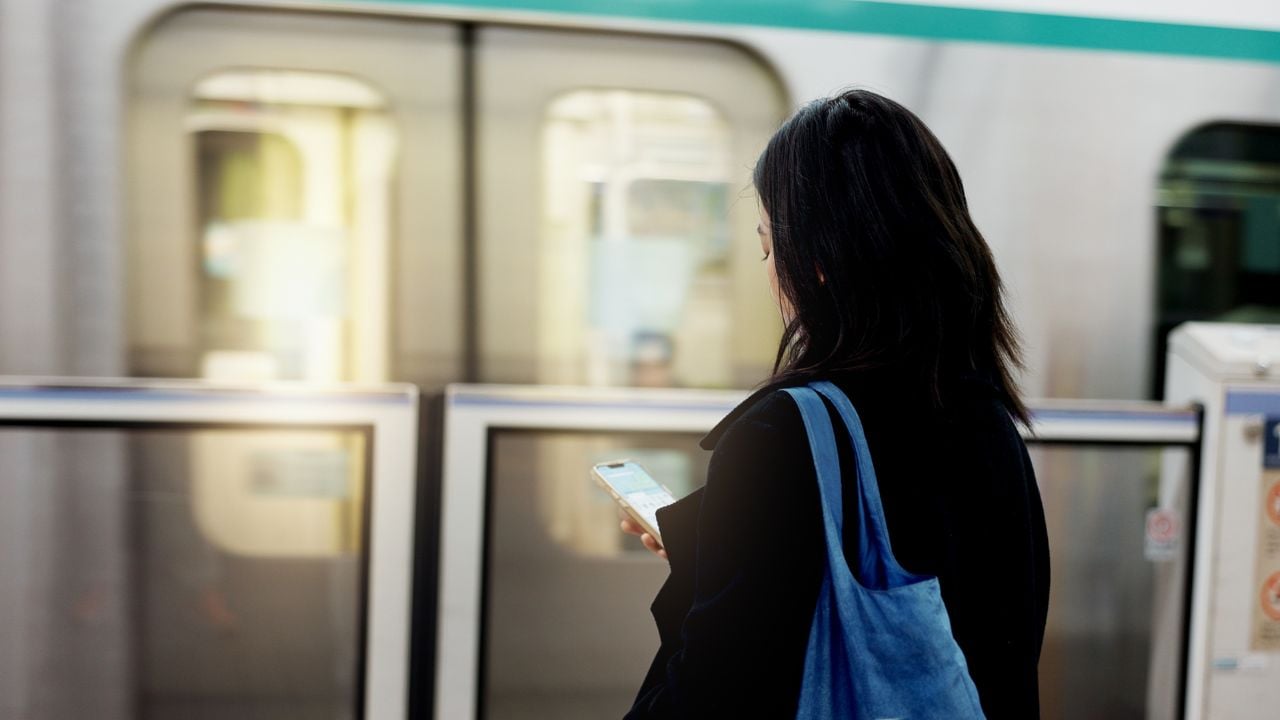
Station stress usually gets worse when the phone becomes the only source of information. Jet lag, weak signal, low battery, or a crowded platform can make a simple hotel address hard to find at the wrong moment.
Before departure, save hotel addresses in Japanese, offline map areas, translation tools, transit apps, Shinkansen confirmations, luggage forwarding addresses, and screenshots of important reservations. A hotel name written only in English may not be enough for a taxi driver, station staff member, or delivery form.
Japan’s official travel planning guide covers practical topics such as Wi-Fi connectivity, customs, weather, geography, and luggage delivery. Use those basics before the trip, then keep the essential details somewhere easy to open without searching through email.
Train reservations can also sit in different systems. SmartEX covers Tokaido, Sanyo, and Kyushu Shinkansen reservations, while JR East has separate reservation tools for passes and tickets in eastern Japan. Save the confirmation for each important ride instead of assuming one app will hold the whole trip together.
6. Learn the Public Manners People Notice Most
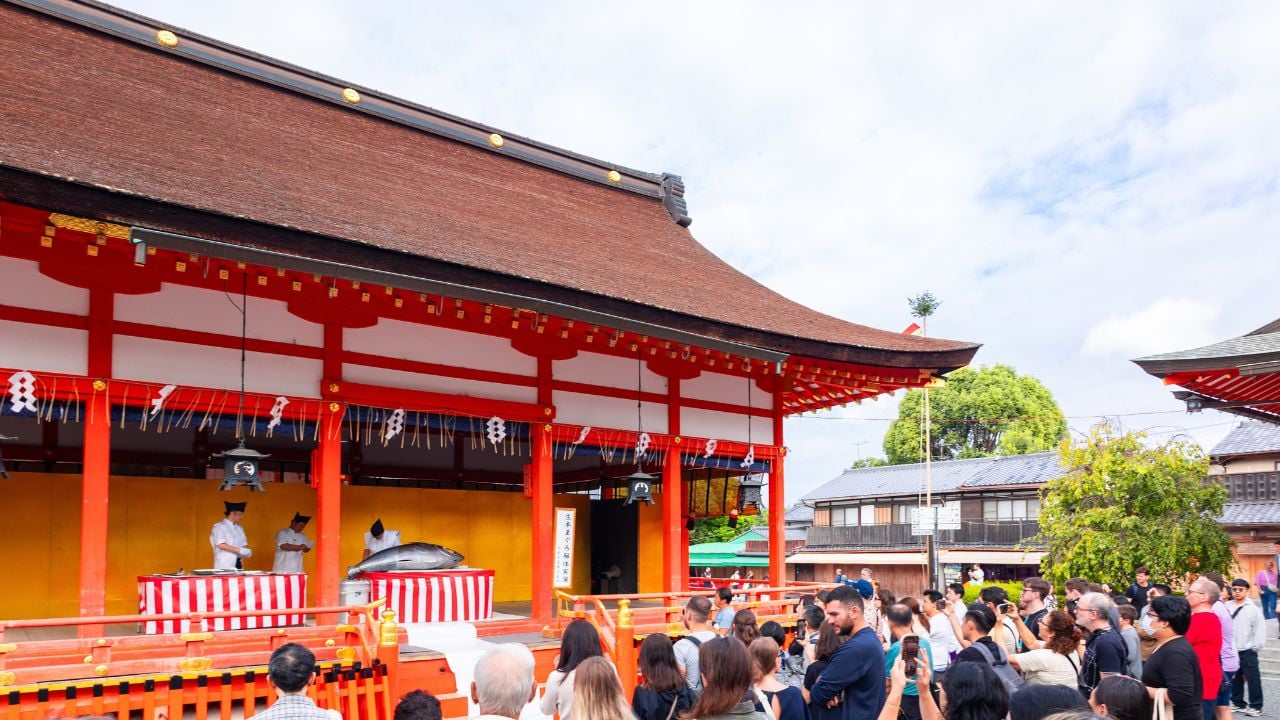
Japan’s official etiquette guidance covers everyday behavior, greetings, public volume, and shared spaces. For visitors, the most useful habits start in ordinary places: trains, sidewalks, convenience stores, restaurants, hotels, and stations.
On trains, keep voices low, avoid blocking doors, and step aside before checking a phone or map. In crowded stations, follow the flow of the line instead of stopping suddenly at the gate. In restaurants and shops, short polite exchanges usually work better than long explanations given in a hurry.
At shrines and temples, the official Japan travel guide says visitors should bow once before passing through a torii gate and should avoid walking directly along the center of the path, which is considered the route for the deity.
Small habits like these remove a lot of awkwardness. Travelers will still make minor mistakes, but quiet voices, orderly lines, careful movement through crowds, and respect at religious sites go a long way on a first visit.