“Overtourism” can sound like a loose label, so this slideshow leans on measurable signals: resident surveys and public consultations, plus documented crowd-control policies that usually appear only once daily life starts getting squeezed. A recent YouGov poll across several European countries adds context, showing frustration with visitor numbers is not limited to a few viral clips or loud online debates.
None of these places is anti-visitor by default. What locals tend to resent is the hit-and-run style of tourism: coaches that dump crowds for 20 minutes, photo bottlenecks that block sidewalks, and housing pressure that makes a village feel like a set instead of a home.
1. Hallstatt, Austria

Hallstatt looks like it was designed by a committee of romance novelists: lake, mountains, tidy lanes, and that postcard viewpoint that launched a thousand Instagram captions. The problem is scale. The village footprint is tiny, so crowds do not spread out the way they can in a city, and even basic errands turn into obstacle courses once the tour buses roll in.
Locals have protested overtourism and pushed for tighter controls, with multiple reports describing peak-day surges that overwhelm narrow lanes and access routes (Time Out coverage). On the management side, Hallstatt’s coach system shows how serious the pressure became: travel coaches are required to book entry and exit slots via the official bus terminal system, effectively turning arrivals into scheduled windows. If you go, treat it like a real village: stay overnight, avoid midday coach hours, and skip the famous viewpoint when it is shoulder-to-shoulder.
2. Bibury, England

Bibury’s charm is almost weaponized: Arlington Row, honey-stone cottages, and a riverside setting that makes every phone camera feel upgraded. But Bibury is not built for mass arrivals, and the narrow roads mean one bad parking decision can jam the center. When a village becomes a backdrop for quick content, locals end up living inside someone else’s shoot.
Gloucestershire County Council has run a public consultation and laid out traffic and safety measures aimed at managing heavy visitor pressure, including coach-bay changes and parking controls. Their own traffic survey counted thousands of vehicle movements across Swan Bridge in a single day, which helps explain why residents want volume reduced, not just better behavior. Plan like a considerate guest: arrive early, use designated parking, linger for lunch, and do not block driveways or bridges for photos.
3. Giethoorn, Netherlands

Giethoorn sells a rare fantasy: water as the main street, boats replacing cars, and the loudest sound being a duck with opinions. That calm draws day-trippers, especially in warm months, and the canals can turn into traffic lanes of their own. Once you get boat queues, the fairytale feeling disappears fast.
A Wageningen University case study notes Giethoorn recorded hundreds of thousands of day visitors in a year, and residents and stakeholders flag overcrowding and nuisance as quality-of-life issues (Wageningen University research). The pressure is not abstract. It shows up in noise, congestion, and the basic ability to move around your own home area. The respectful move is simple: visit on a weekday, go outside peak summer hours, and keep boat behavior slow and quiet in residential stretches.
4. Manarola, Cinque Terre, Italy
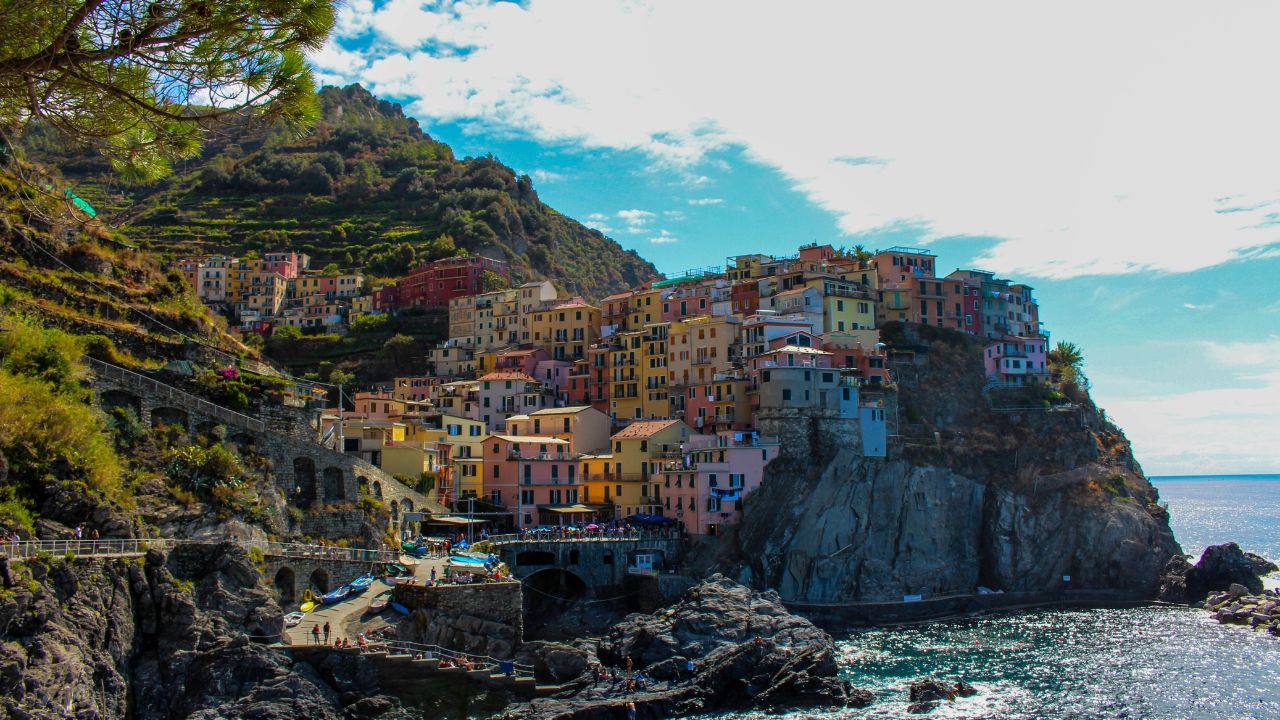
Manarola is one of those places where color seems mandatory: stacked houses, cliffside paths, and a harbor view that looks unreal even when you are standing in it. Cinque Terre’s villages were never meant to process modern crowd volumes, especially when most people arrive at the same time by train and head for the same viewpoints. At peak hours, it can feel less like a community and more like a moving line.
Local leaders keep leaning into controls because the geography is unforgiving. The Cinque Terre National Park’s official hiking guidance makes clear that closed, anti-slip footwear is compulsory on the trails, and enforcement ramps up in busy periods. Peak-flow measures show up too: reporting notes that the park has used crowd-management tools like footwear checks and one-way systems on specific routes during high-demand days. Travel smarter: go early, hike less-hyped segments, and spend money in local cafés and shops instead of treating the village like a free outdoor studio.
5. Portofino, Italy
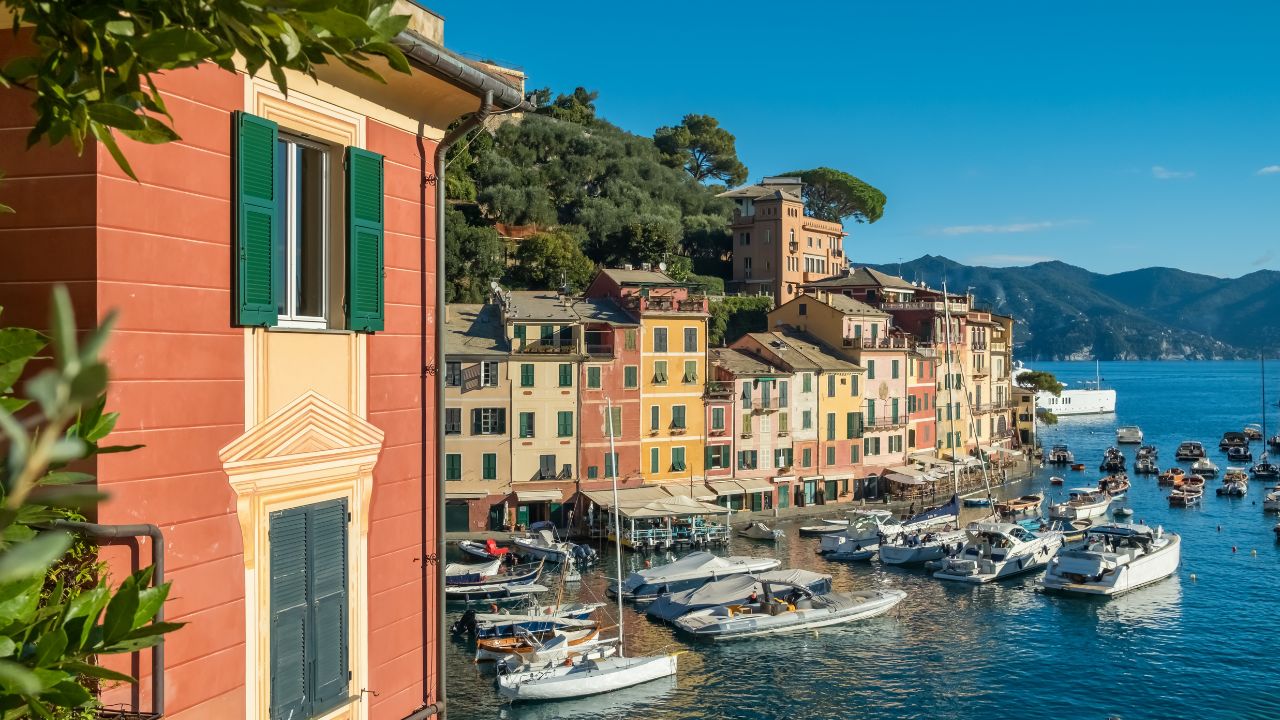
Portofino is tiny, glossy, and extremely photogenic, which is a recipe for sidewalk gridlock. The harbor front is narrow, and when crowds pause for selfies, the whole village can seize up like a laptop running too many tabs. Locals still need to get to work, carry groceries, and move through the same pinch points.
Officials have experimented with “no-waiting” zones and fines aimed at stopping people from lingering in the most congested spots during peak hours. That kind of rule does not appear when a place is merely popular. It shows up when the daily flow has become unmanageable. To keep your visit from becoming part of the problem, go in shoulder season, walk a few minutes beyond the harbor crush, and do your photo stops where you are not blocking the only path through.
6. Oia, Santorini, Greece

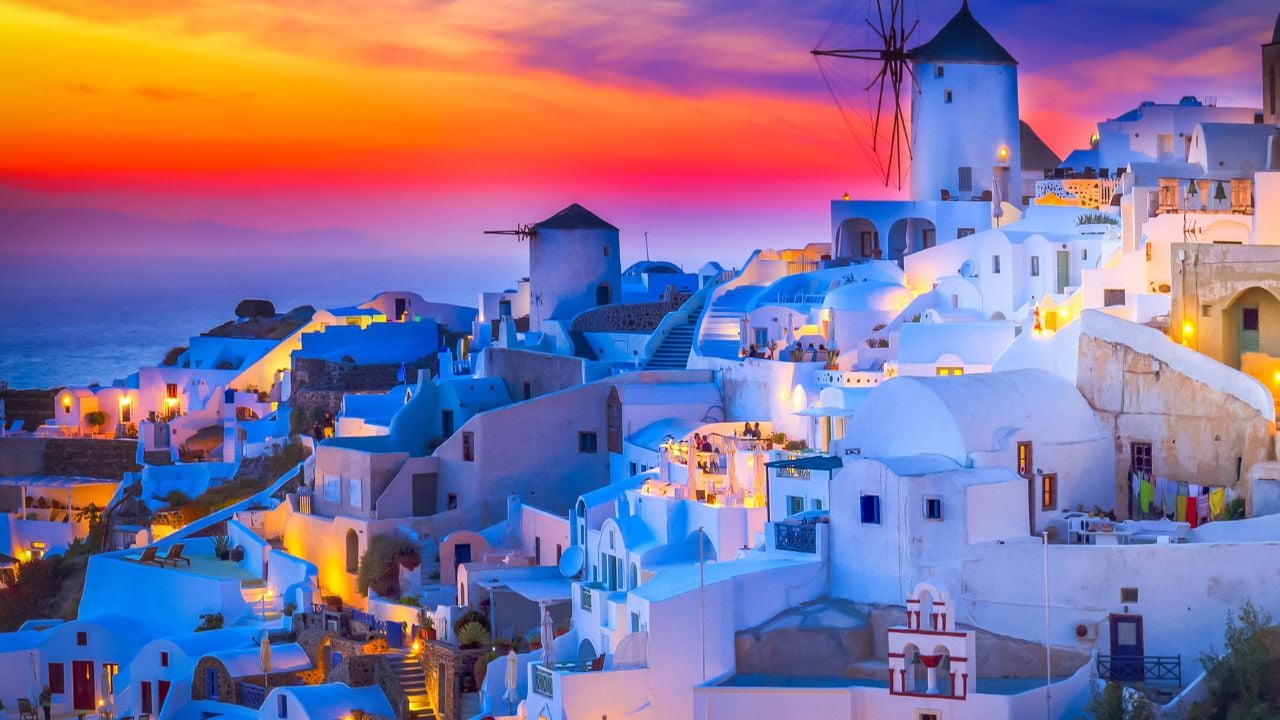
Oia is the sunset capital of the internet: white walls, blue domes, and lanes that funnel everyone toward the same cliff-edge viewpoints right on cue. When cruise schedules stack, the village’s narrow passages turn into slow-motion crowd physics. Peak-hour pressure is not something locals can opt out of when it is happening outside their front doors.
Research on Santorini’s overtourism impacts regularly points to the same pressure points: peak-hour crowding, infrastructure strain, and resident frustration during the busiest weeks. The traveler fix is practical: avoid cruise-peak hours, stay overnight, explore less-crowded villages, and treat the sunset as a nice bonus, not a competitive sport.