Historic centers usually get the first look: the cathedral square, the old harbor, the main canal, the castle hill, or the grand avenue. Those places matter, but they can also keep visitors in the same streets as every group tour, souvenir shop, and crowded terrace.
A few neighborhoods away, the day can look different. Bakeries open onto residential streets, market stalls serve regular shoppers, murals cover side walls, café tables fill after work, and dinner happens away from the busiest monument routes. Copenhagen, Valencia, Marseille, Athens, and Warsaw all reward that extra walk, tram ride, or metro stop.
1. Copenhagen, Denmark
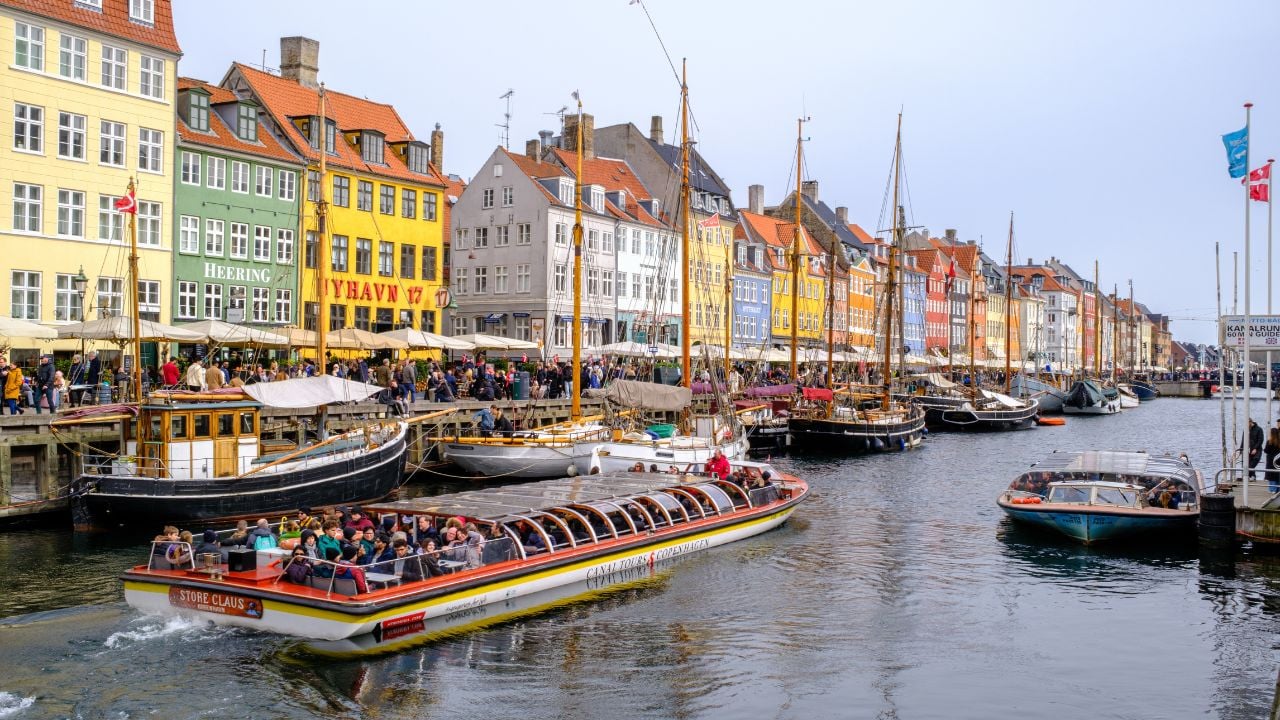
Copenhagen’s center has Nyhavn, royal palaces, design shops, and clean harbor edges, but Nørrebro brings a looser side of the city. VisitCopenhagen describes Nørrebro as one of the city’s most culturally diverse neighborhoods, full of food, energy, and local character.
Assistens Cemetery has tree-lined paths, famous graves, joggers, cyclists, and parents pushing strollers. Superkilen brings bright public spaces, playgrounds, benches, and objects from around the world into the street. Jægersborggade has coffee shops, bakeries, ceramics, small design stores, natural wine, and casual places to eat.
After a morning around Nyhavn or the palace district, Nørrebro gives the day kebab shops, bakery queues, park paths, bikes locked to railings, and café tables that stay busy after work. It feels less polished than the postcard center, and that is exactly why it belongs in the trip.
2. Valencia, Spain
Valencia’s old center has plazas, churches, market halls, and medieval lanes, but Ruzafa and El Cabanyal bring the city closer to daily life. Visit Valencia places Ruzafa just south of the historic center and notes its position within the Ensanche district.
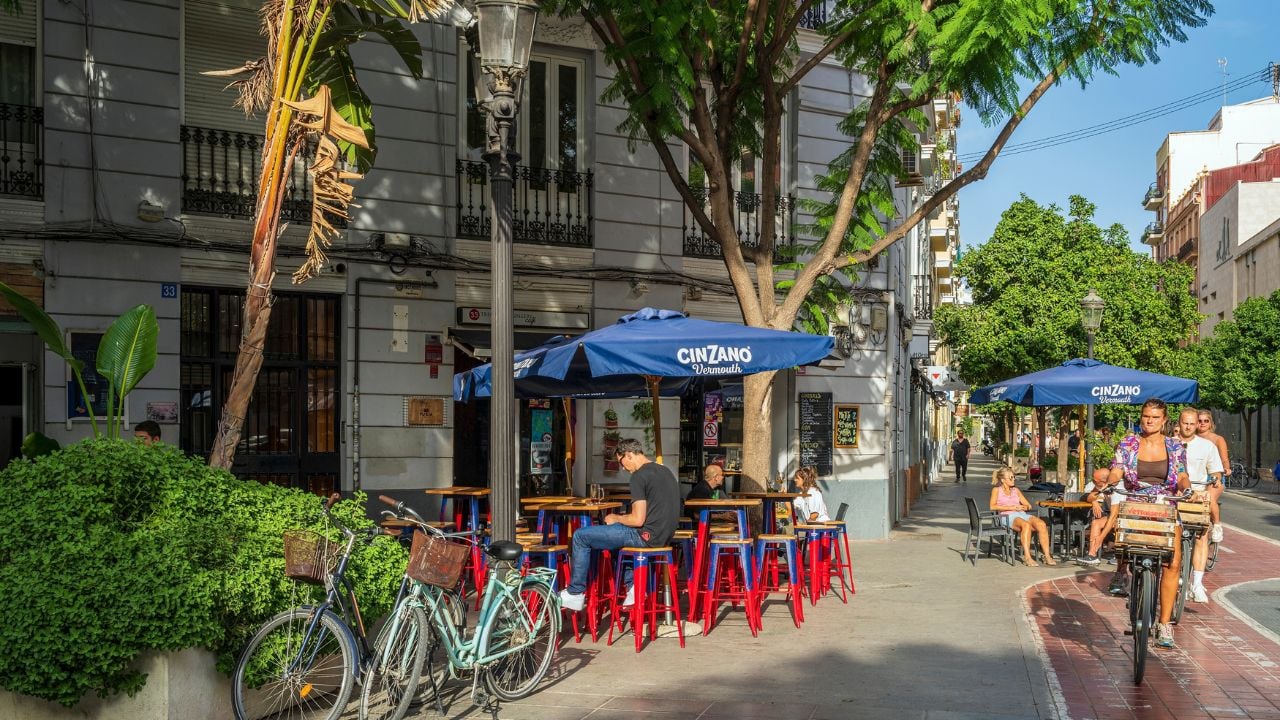
Ruzafa has café terraces, bars, vintage shops, apartment streets, and a market neighborhood feel that works well before or after the main sights. Breakfast can stretch into another coffee, and a short walk can pass produce stalls, painted shutters, shop windows, and tables filling before dinner.
El Cabanyal brings tiled façades, low houses, seafood, beach air, and streets tied to the old fishing quarter. Visit Valencia’s official site highlights the Marina, beaches, and Cabañal area as part of the city’s coastal side. Between Ruzafa and El Cabanyal, Valencia has market streets, rice dishes, sea air, and late meals beyond the cathedral route.
3. Marseille, France

Marseille is not only the Old Port. Le Panier, the old quarter above the harbor, is the place to begin when the city needs streets instead of a waterfront panorama. Marseille Tourism presents Le Panier as the city’s oldest district.
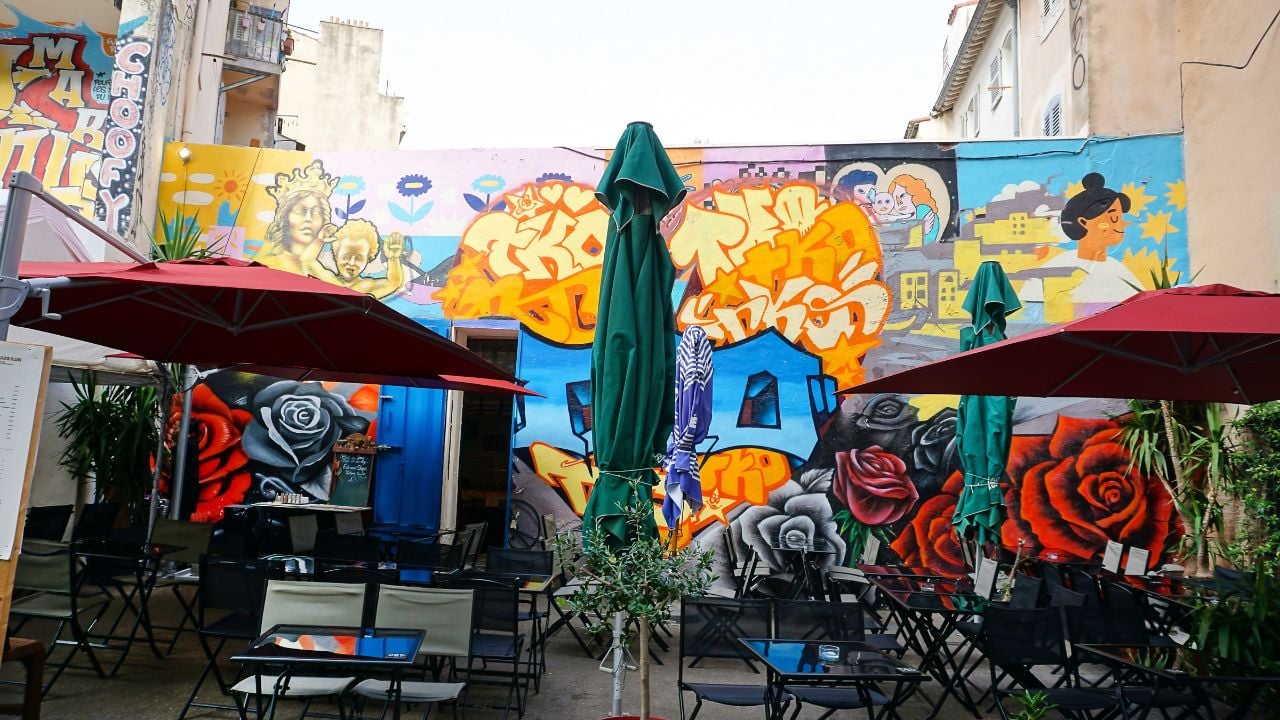
Le Panier has stairways, shutters, laundry, small squares, church fronts, painted walls, and narrow lanes climbing away from the harbor. The area is close to the old center, but the streets feel more irregular and worn-in than the polished visitor route around the water.
Cours Julien brings murals, bars, cafés, independent stores, record-shop energy, and painted walls. The tourism office describes Cours Julien as one of Marseille’s liveliest districts and a key spot for artists and street art. A day can move from Le Panier’s stairways and old façades to Cours Julien’s murals, terrace tables, music, and evening crowds.
4. Athens, Greece

Athens does not need to end at the Acropolis corridor. Koukaki sits below the hill and works well after the museum, Philopappou Hill, or a morning around the ancient sites. This is Athens highlights Koukaki as a neighborhood under the Acropolis with shops, bars, and places to eat.
Koukaki has shaded streets, small stores, coffee stops, bakeries, casual restaurants, and apartment blocks close to the monuments without feeling trapped inside the busiest visitor path. It is a useful place to sit down after marble, museum rooms, and sun.
Pangrati has another kind of Athenian evening. This is Athens describes Pangrati through its restaurants, bars, bookshops, and neighborhood energy. Squares fill late in the day, café tables stay busy, glasses clink outside bars, and dinner can stretch without the hard stop of a sightseeing schedule. Athens can start with ruins and continue with coffee, bookstores, bars, and a late meal among people who live there.
5. Warsaw, Poland
Warsaw’s Old Town is important, but Praga brings a different surface to the city. Go To Warsaw explains that North Praga stood apart from Warsaw until 1791, and the district still feels distinct from the left-bank center.
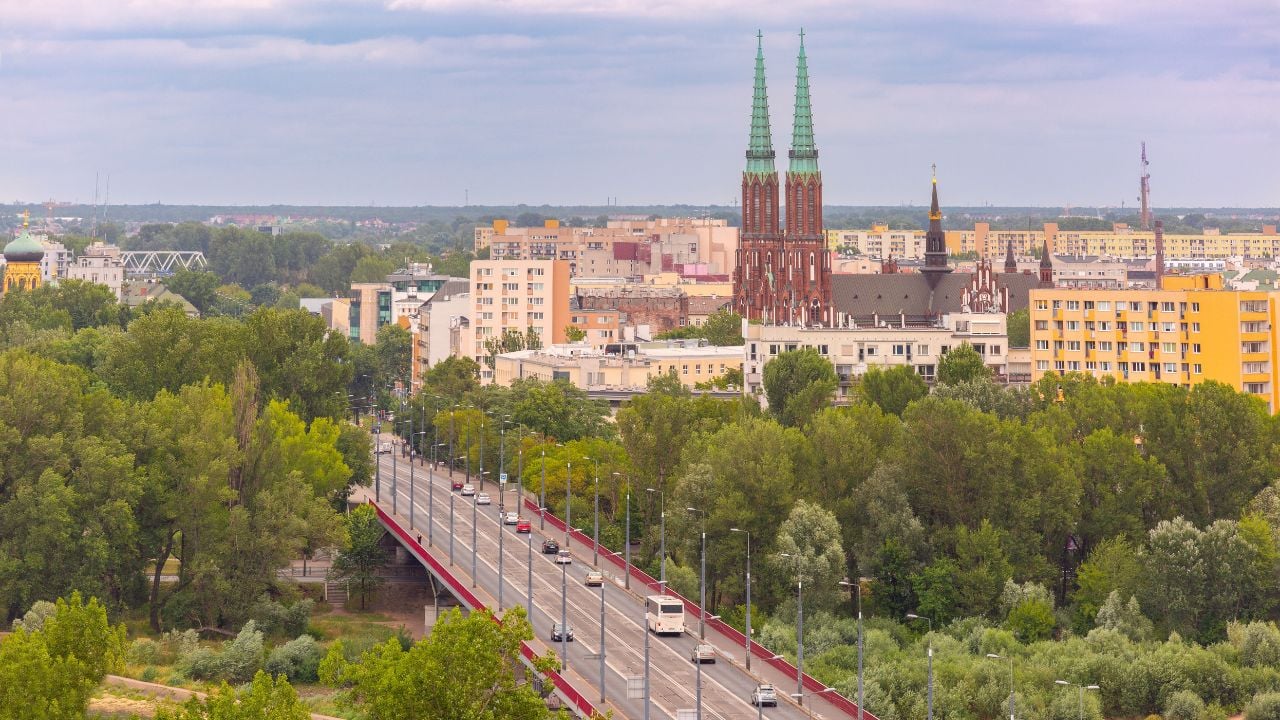
Praga has brick courtyards, older façades, chapels tucked into corners, murals, cultural venues, Orthodox church silhouettes, and streets that feel rougher than the rebuilt Old Town. It gives Warsaw old brick, local bars, side-street detail, and a less polished edge across the river.
Powiśle sits closer to the Vistula, with river paths, parks, cafés, and green breaks below the escarpment. Go To Warsaw points toward Powiśle for greenery, palaces, and the Vistula Escarpment. A Warsaw day can include Old Town façades, Praga brick courtyards, and a final walk by the river before dinner.