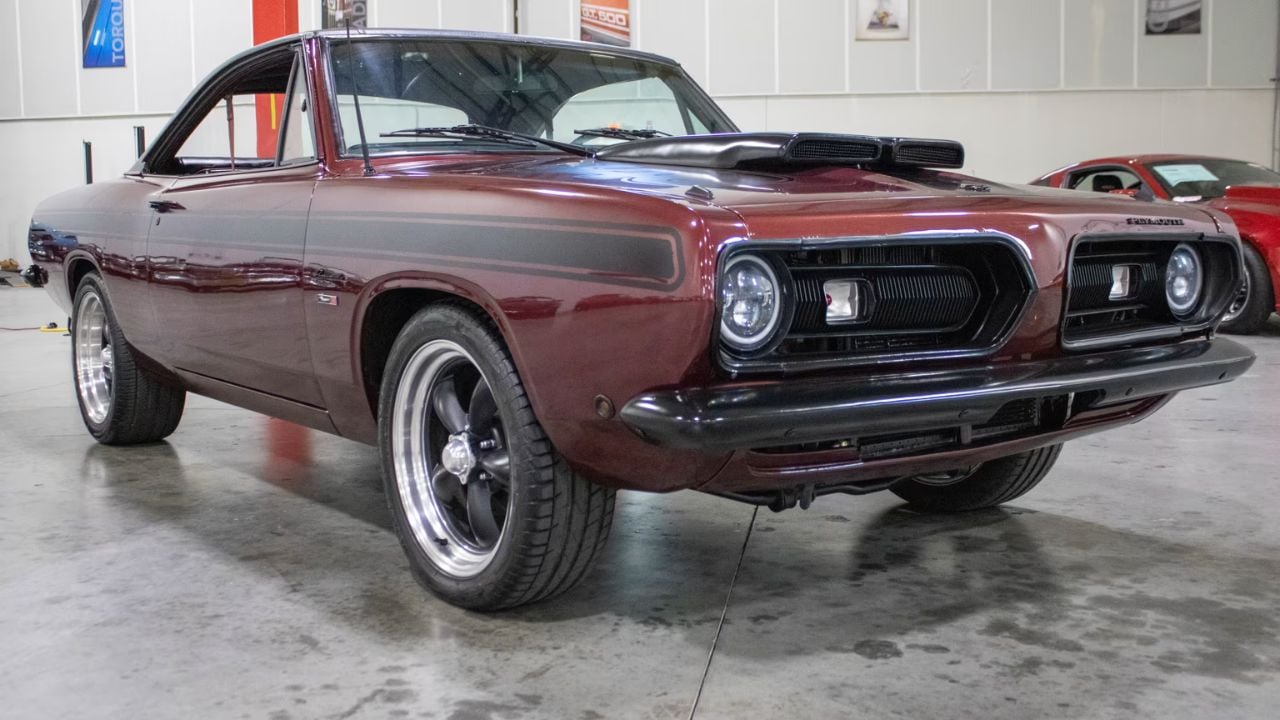
Set to cross the block on Friday, May 8th, this 1968 Plymouth Barracuda (Lot J67) heads to Mecum Indy 2026 right as interest in A-body Mopars continues to climb.
The well-equipped example features V-8 power paired with an automatic transmission, reflecting Plymouth’s late-1960s push toward stronger performance during the height of the pony car wars. Showing 53,000 miles (TMU) and described as a period-correct modified car, it fits squarely into the kind of enthusiast-owned muscle that continues to draw attention from collectors.
As prices for later E-body ’Cudas remain out of reach for many buyers, earlier Barracudas like this one are increasingly seen as a more attainable entry point into Chrysler’s muscle-era performance story.
340 Power Arrives at the Right Time
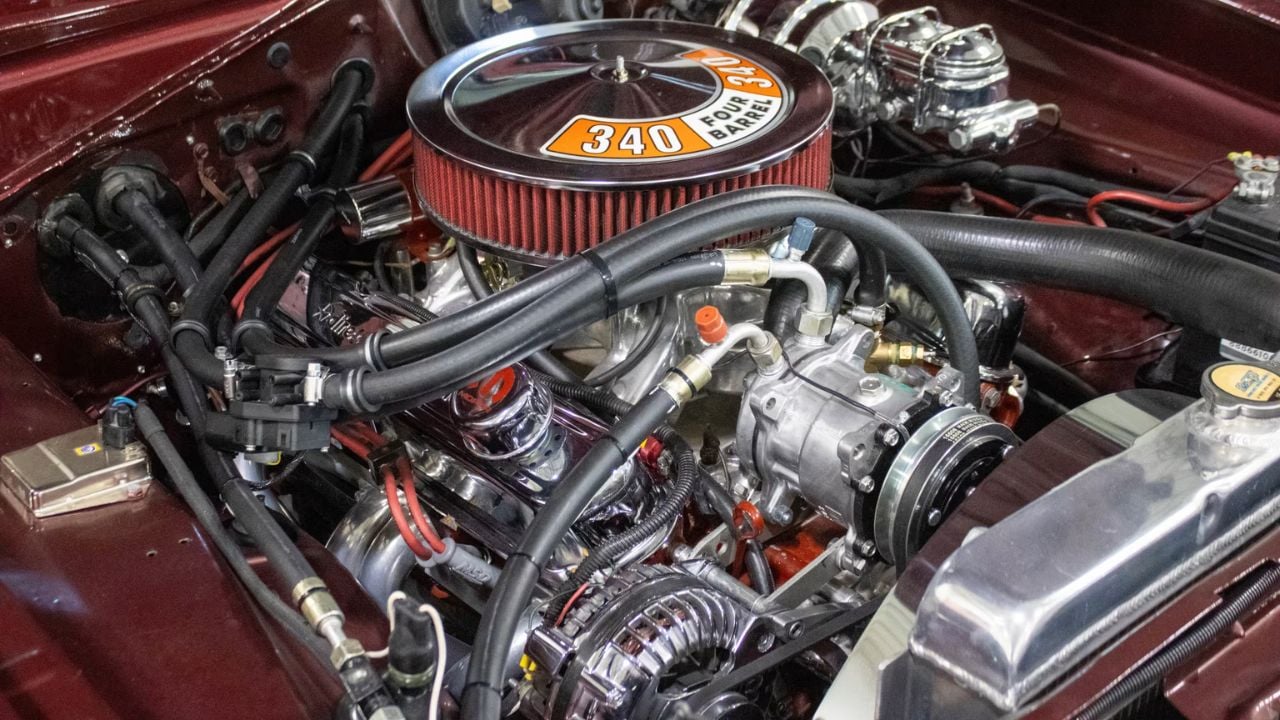
The 1968 model year marked an important shift for the Barracuda lineup. Plymouth introduced the 340-cubic-inch small-block V-8, positioned between the base 318 and larger big-block options. The engine produced strong performance while maintaining lighter front-end weight. It improved balance and overall drivability compared with heavier big-block combinations.
This approach aligned with how many enthusiasts used these cars. They became street-driven muscle machines rather than pure drag-strip builds. The 340 quickly developed a reputation as one of Chrysler’s most responsive small-block engines, particularly when paired with the lighter A-body chassis.
In 1968, Plymouth also revised the Barracuda’s engine lineup, replacing the earlier 273 V-8 with the 318 while introducing the 340 as the performance-focused small-block option. Buyers could still opt for the 383 big-block, but the 340 became a popular middle ground for drivers seeking performance without sacrificing handling.
A Redesigned Barracuda Gains Identity

By 1968, Plymouth’s second-generation Barracuda had begun to establish its own identity. Introduced in 1967, the redesign moved away from the earlier Valiant-derived styling and adopted more aggressive proportions. This included wider wheel openings, curved side glass, and revised front and rear styling.
The 1968 model received subtle, but identifiable updates, including round side-marker lamps and revised tail lighting, distinguishing it from both the 1967 and 1969 versions. These incremental changes reflected broader safety regulations while also modernizing the car’s appearance.
Despite the improvements, production numbers remained relatively modest. Approximately 45,412 Barracudas were produced for the 1968 model year. A figure that contributes to the model’s growing appeal among collectors today. The combination of distinctive styling, manageable size, and performance options helped the Barracuda carve out its place in the competitive pony-car market.
Unlike some larger muscle cars, the Barracuda’s compact footprint made it easier to live with, both then and now. That usability has helped drive renewed interest, particularly as collectors increasingly seek cars they can drive rather than simply display.
A-Body Mopars Gain Collector Attention
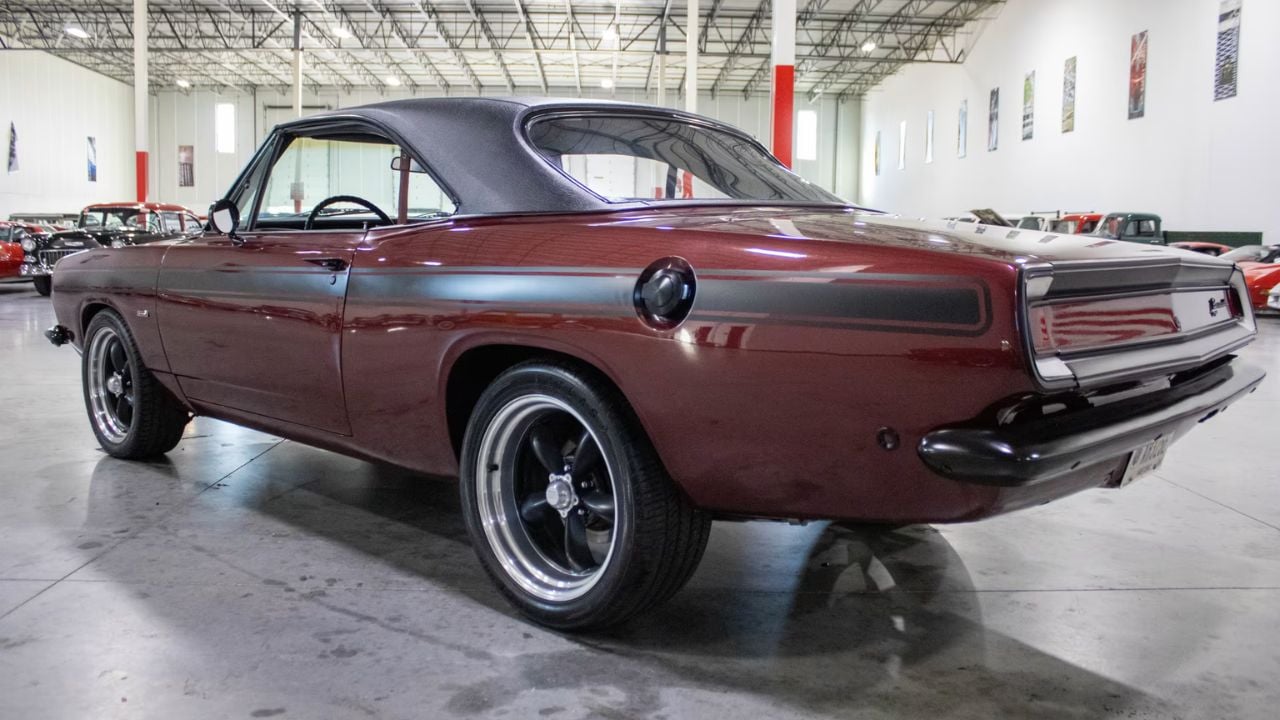
Interest in A-body Mopars has grown steadily as values for higher-profile muscle cars continue to climb. While the 1970-1971 ‘Cuda models often dominate headlines, earlier Barracudas offer similar heritage at more accessible entry points.
The 1968 Barracuda sits at the center of that shift. It combines the refined styling of the second-generation redesign with the introduction of the 340 engine, making it one of the more balanced offerings of the era.
Collectors are also drawn to the flexibility of these cars. Many surviving examples like this one feature period-correct modifications, reflecting decades of enthusiast ownership and practical upgrades. These changes often enhance drivability while preserving the car’s original character.
With Mecum’s Indianapolis event known for attracting serious buyers and a broad range of American muscle, this 1968 Plymouth Barracuda arrives at a time when interest in smaller, well-balanced muscle cars continues to expand.