American cars of the 1960s defined a culture built on horsepower, bold styling, and fearless ambition. Each one rolled off the line with a mission to rule the street, and many succeeded without apology. These were not quiet machines. They invited attention with wide stances and deeper meanings for those who loved the open road.
Underneath their steel skin lived something untamed, something that made drivers feel alive in ways modern cars often forget. Some came with stripes, others with subtle menace, but every model had strength that reached beyond numbers. Crowds gathered, neighbors watched, and challengers thought twice. What made them special went far beyond what fit under the hood. They brought fire to a decade already full of heat, and they still carry that spark today.
Where Muscle Met Its Peak
“Power” means different things to different drivers. To some, it’s a precisely engineered lap time on a German track. To others, it’s silent, instant electric torque (and then we block these people because we don’t want that kind of negativity in our lives). But in the 1960s, “power” had a clear voice, usually a thunderous V8 rumble, and a firm grip on the steering wheel.
For this article, we’re focusing on stylish American cars that delivered real, undeniable punch straight from the factory. None of that “bolt-on until it explodes” nonsense. These were the models that pulled hard enough to make your eyeballs flatten, ran strong enough to clear out an entire block, and left a lasting echo wherever they passed. Straight-line speed mattered, sure, but so did presence, reputation, and how confidently they wore their muscle. We looked for machines that carried both brutal performance and undeniable personality.
Their impact stretched beyond quarter-mile numbers into memory, myth, and every car guy’s garage dreams. Some gained fame quickly, like a rockstar’s first hit, while others earned it over time, quietly proving their worth. What matters most is how they made people feel when that big engine finally came alive, usually a mix of exhilaration and mild terror.
Pontiac GTO

Let’s be real, the Pontiac GTO was as much a societal shift as it was a car. It carried the spark that ignited a whole movement (you can blame it for all the Mustangs doing burnouts at car meets now).
John DeLorean and his crew basically snuck a big engine (the optional 389 cubic inch V8 was rated at 325 horsepower in 1964, but we all know it was more) into a mid-size Tempest. While they didn’t invent the muscle car, they certainly popularized it. It blended size, undeniable style, and neck-snapping speed in a way that felt almost rebellious. Rolling through town in one of these meant owning every block you passed, probably making other drivers question their life choices.
The body looked strong, clean, and confident, but what it could do on the street gave it a different kind of voice. It brought muscle to the masses with confidence and ease, offering big-block power for a relatively affordable price. Drivers felt like they had control of something bigger than just a machine, something that whispered “trouble” in the most alluring way.
Some say it made performance feel personal. The GTO left a deep impression that no modern badge, no matter how many turbos it has, could fully replicate. This is OG muscle.
Chevrolet Chevelle SS

Few cars from the 1960s walked with such effortless confidence as the Chevrolet Chevelle SS, a broad-shouldered brawler that delivered straight-line force with an ease that often caught unsuspecting drivers off guard. It was big, bold, and never felt out of place at a stoplight showdown, even against cars that cost twice as much.
What made it truly memorable was how quickly it went from calm, unassuming cruiser to commanding, tire-shredding monster. With engines like the legendary 396 cubic inch (L78) V8, pushing 375 hp, families respected it, and street racers legitimately feared it.
It sat in the garage like a heavyweight waiting for the bell, ready to unleash its inner demons. This wasn’t just a weekend toy; it demanded to be driven hard. You knew it meant serious business the second you turned the key and that big block coughed to life.
Dodge Charger R/T

If the GTO was the spark, the Dodge Charger R/T was the inferno. Muscle met motion in this beast, with long, aggressive lines, a wide, menacing stance, and a sound that could make birds take flight and small children cry. It had presence from every angle, like a snarling guard dog. Once rolling, especially with the mighty 426 Hemi V8 (rated at 425 hp but notoriously underestimated, I’m seeing a pattern), it felt like a freight train pulling through a tight corner, completely unbothered by hesitation.
People instinctively stepped aside just to watch it pass. This car didn’t need a loud paint job or silly graphics to make a scene; its shape and sound did all the talking.
Every inch of it worked together to create crushing pressure on the pavement. Drivers held the wheel with purpose, knowing they commanded something truly special. The Charger R/T was raw strength wrapped in a showroom body, the kind of car a movie villain would drive right before blowing something up. It was pure, unadulterated menace, and we loved every second of it
Ford Fairlane Thunderbolt
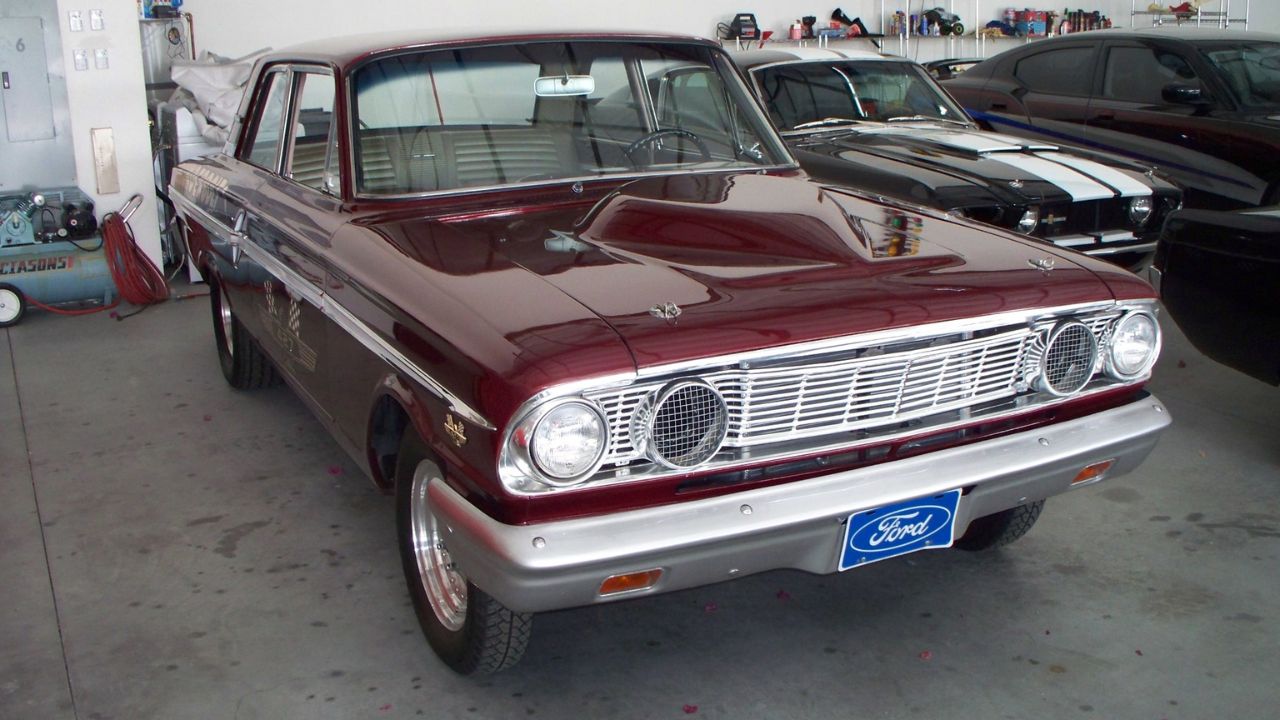
This car was built like it had one thing on its mind: beating the other guy off the line, then probably running him down for good measure. The Ford Fairlane Thunderbolt was a true factory lightweight, designed purely for drag strip domination, and period Super Stock results are commonly cited in the mid 11 second range around 11.6 to 11.8 seconds at roughly 123 to 124 mph. It was lighter, faster, and more aggressively single-minded than anything that looked this “simple.”
At first glance, it looked like your aunt’s family car on the outside, just a plain ol’ Fairlane. But under pressure, with its monster 427 cubic inch V8 (rated at 425 hp, but again, likely much more), it delivered in ways that surprised even seasoned racers, often hitting quarter-mile times in the low 11s right off the showroom floor.
It was essentially a race car barely disguised for the street, with fiberglass body panels, no radio, no sound deadening, and often only one sun visor. It gave drivers the feeling that the road, and the strip, belonged to them. With fewer distractions and a purpose-first attitude, it became a legend with few rivals. In the right hands, it ran like a machine chasing destiny, burning rubber and leaving a trail of broken hearts. The Thunderbolt never played games; it just won.
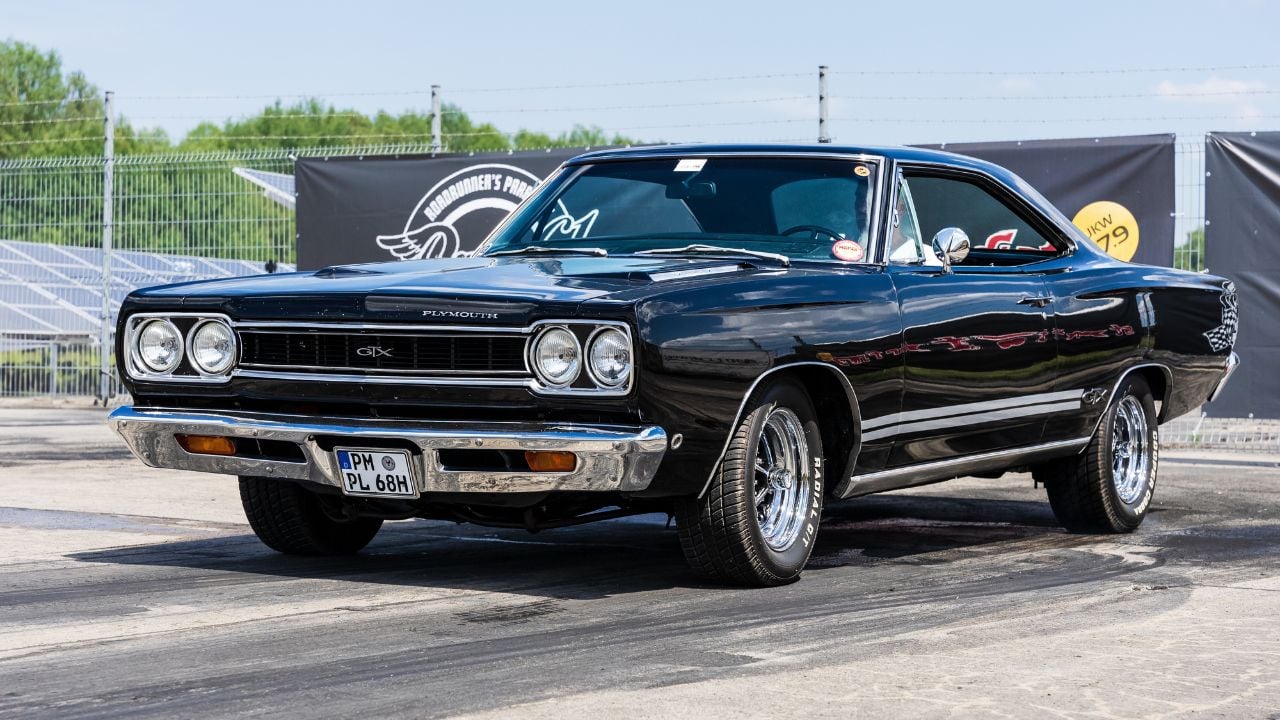
Plymouth GTX

The Plymouth GTX meant business, but in a sharply tailored, “I’m here to dominate, but I’ll do it politely” sort of way. It didn’t try too hard to be flashy, but it always felt ready for a challenge, like a well-trained pit bull in a tuxedo. On the road, it had the weight and balance of something well-engineered, inspiring confidence. But when pressed, especially with the standard 440 Super Commando V8 (375 hp) or the optional 426 Hemi (425 hp), it moved like it had something serious to prove.
The lines looked clean, purposeful, and the stance looked serious. Everything about it said it knew exactly what it could do on the street. For those who wanted muscle with manners, this car hit the mark. You could take it to work or to the drag strip without missing a beat, because it delivered in both.
It was the sophisticated choice for someone who appreciated performance but didn’t need a parade every time they drove to the store.
Oldsmobile 442

Muscle came with polish in the Oldsmobile 442. This was GM’s answer to those who wanted power but also appreciated a ride that didn’t feel like a buckboard wagon. It moved with confidence, but the ride never felt harsh or impatient. This was a performance car that knew how to carry itself in any setting, from the drive-in to the executive parking lot. Some saw it as the choice for the driver who appreciated the journey just as much as the destination (i.e., the quarter-mile finish line).
It had power, particularly with the 400 cubic inch V8 used in late 1960s 442 models, which could be factory rated at 360 hp in W-30 trim, but it wasn’t wild and unpredictable. Instead, it applied force in a measured, confident way that felt like wisdom on wheels. Real-world driving suited it perfectly, handling commutes and cruises with ease.
The 442 proved that strength and refinement could work together without friction, offering a surprisingly comfortable ride for a car that could still light up the tires. It was the gentleman’s hot rod.
Mercury Cyclone CJ
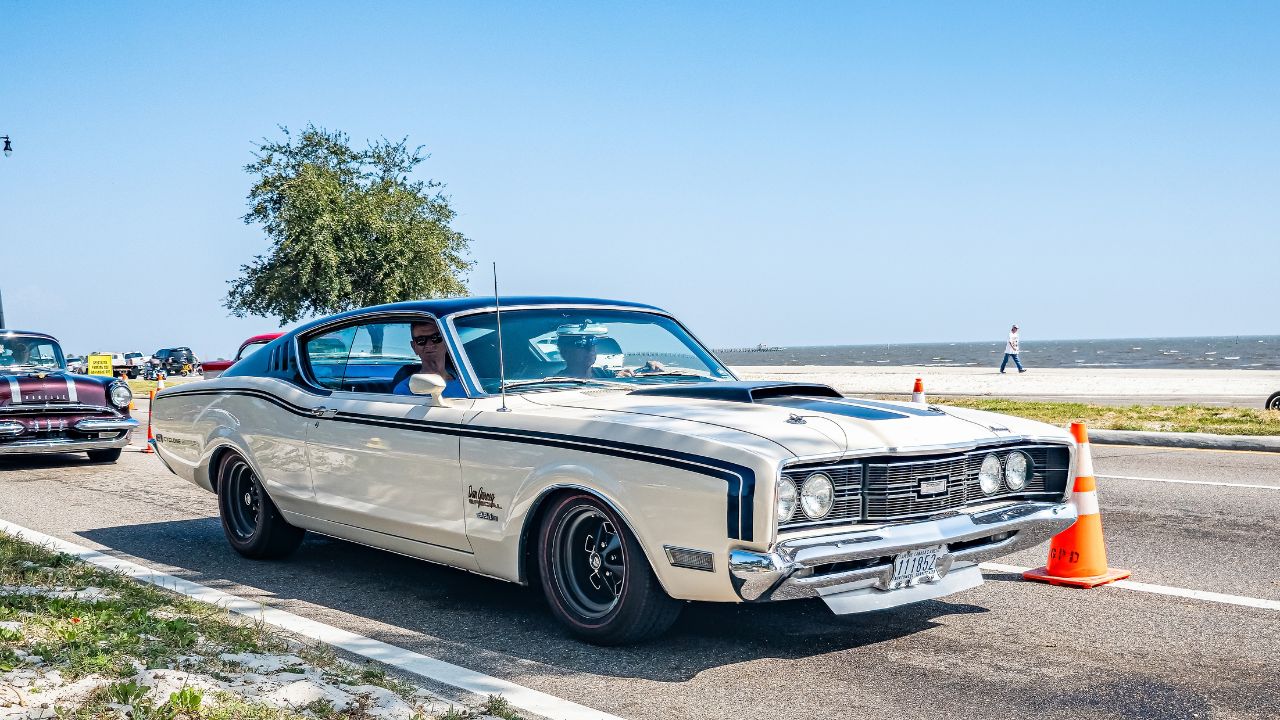
With a name like Cyclone, you expect something wild, and the Mercury Cyclone CJ absolutely delivered. This car had an edge and a purpose that showed in every sculpted panel. It offered the driver something rare in the muscle car world: a genuine sense of uniqueness. You didn’t park next to another one at the store; you owned something that most people only saw in magazines, making you instantly cooler by association.
Powered by the potent 428 cubic inch Cobra Jet V8 (rated at 335 hp, but often dynoing much higher), it could hold its own on the strip against the big boys and still feel smooth on the way home. This was Mercury showing that power didn’t have to wear the same Ford face. The Cyclone CJ had style, speed, and a badge that earned respect.
It was the cool kid in class who didn’t try too hard but still aced the test.
Ford Galaxie 500 XL
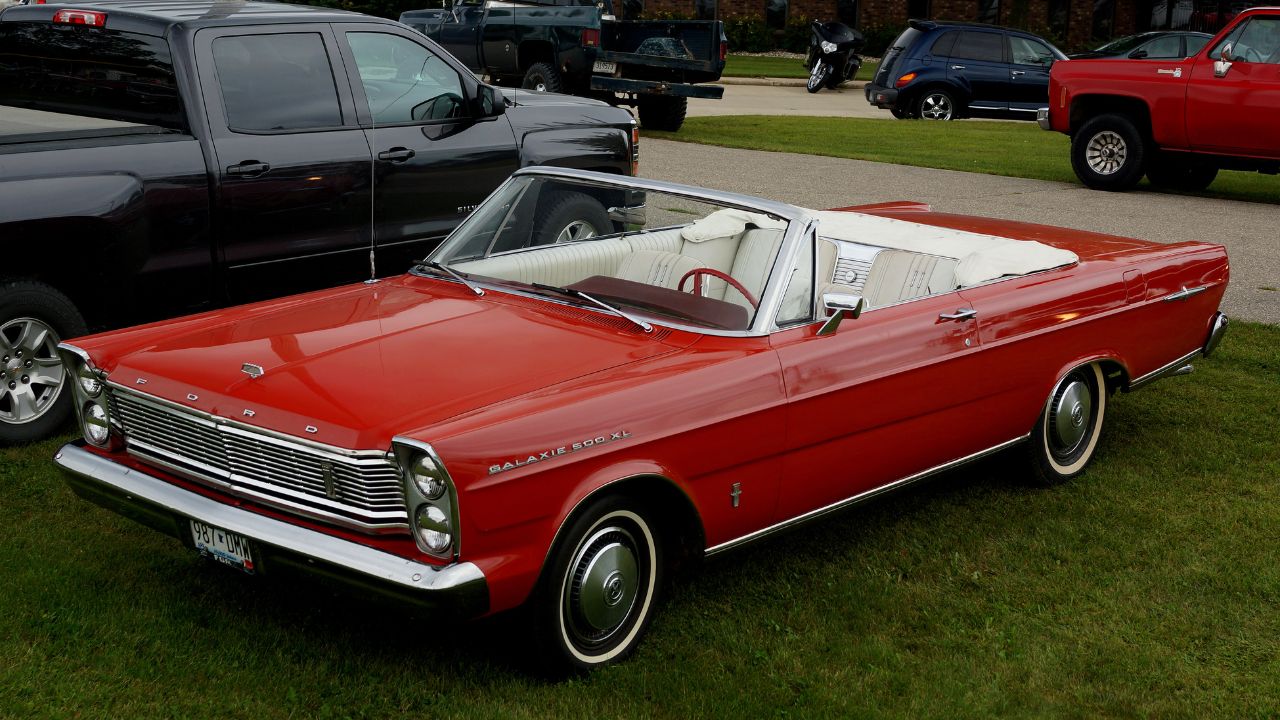
Not a muscle car in the traditional sense, the Ford Galaxie 500 XL was a land yacht, a proper full-size American cruiser. But don’t let its size fool you; it delivered the kind of performance that made it a surprising threat at the drag strip. It combined boat-like comfort with muscle car punch in a package that looked just as sharp pulling up to a fancy diner as it did flying down a straightaway.
The long body gave it undeniable presence, the interior offered real space for five full-sized adults, and the whole experience felt tailored for those who wanted strength wrapped in style.
Equipped with engines like the 427 cubic inch V8 (up to 425 hp), it moved with confidence and soaked up miles like a highway king. Many remember it for its improbable balance of grace and grit. This was Ford showing it could stretch size to epic proportions and still deliver genuine excitement.
Driving one felt like owning both luxury and firepower in equal measure, it was the perfect car for a long road trip that inexplicably ended at a drag strip.
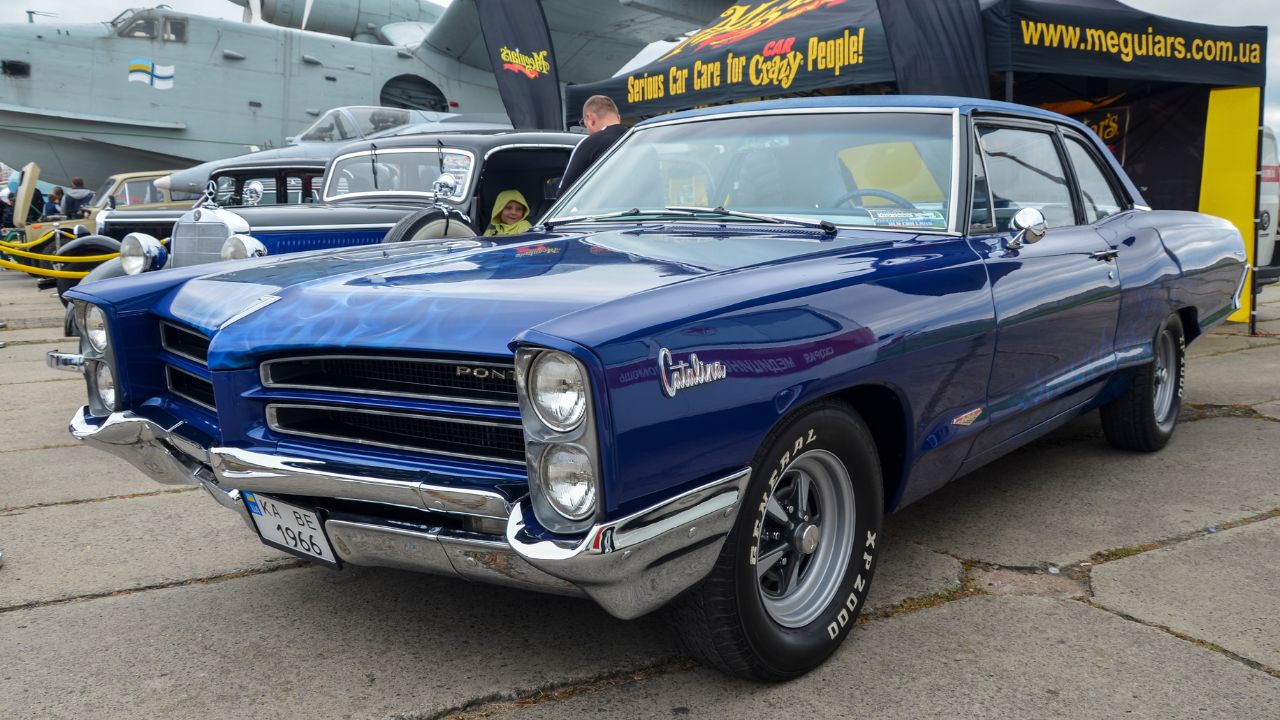
Pontiac Catalina 2+2
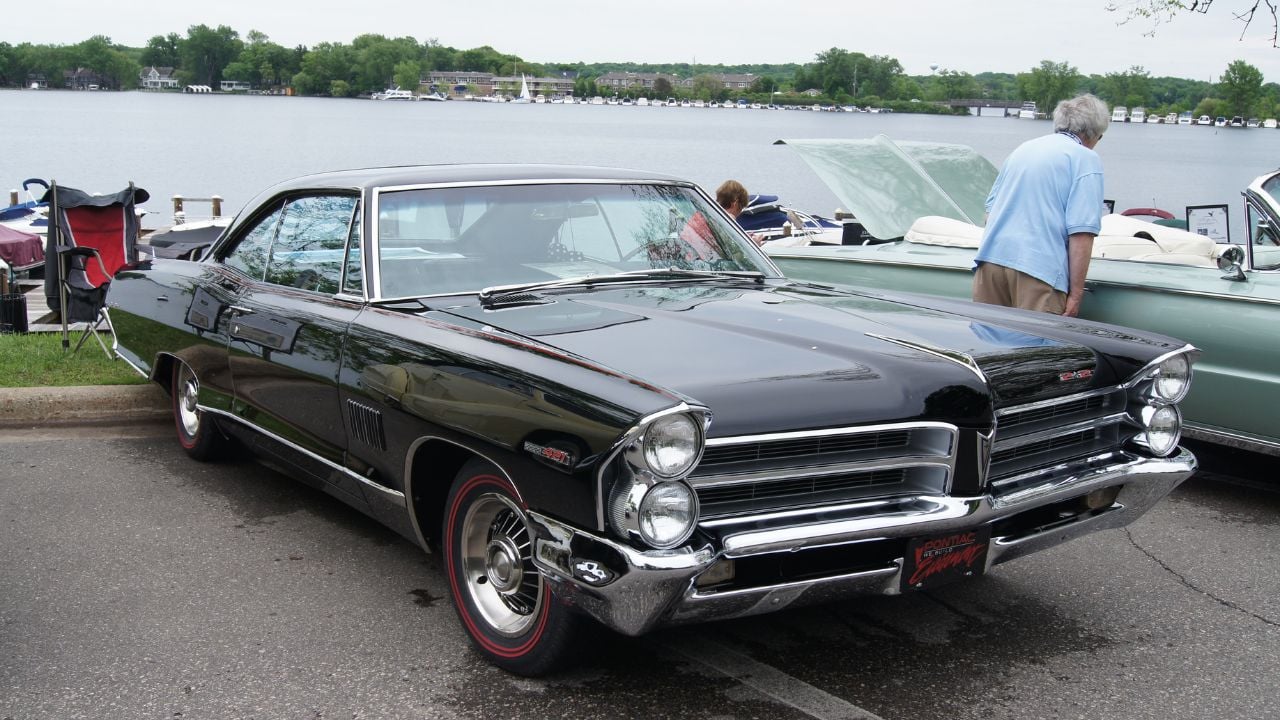
Big, bold, and unapologetically American, the Pontiac Catalina 2+2 delivered serious performance without trimming its substantial size. This was no lightweight. It had room for friends (and enemies, if you were feeling generous), enough luggage for a two-week road trip, and still found time to outrun expectations.
The styling was pure muscle elegance, with clean lines and that signature Pontiac twin-grille look. But once you drove it, especially with the optional 421 cubic inch V8 (338 hp in standard form, or 376 hp with the available Tri-Power setup), you understood its real purpose: to cover ground quickly and comfortably.
The ride offered balance, the handling felt intuitive for such a large car, and the overall feel was one of command. Pontiac gave it weight and serious power, and somehow made both work in harmony. It stood tall, not because of height but because of an undeniable presence. This was a car that carried pride with every mile, effortlessly blending full-size comfort with bona fide muscle car chops.
AMC AMX
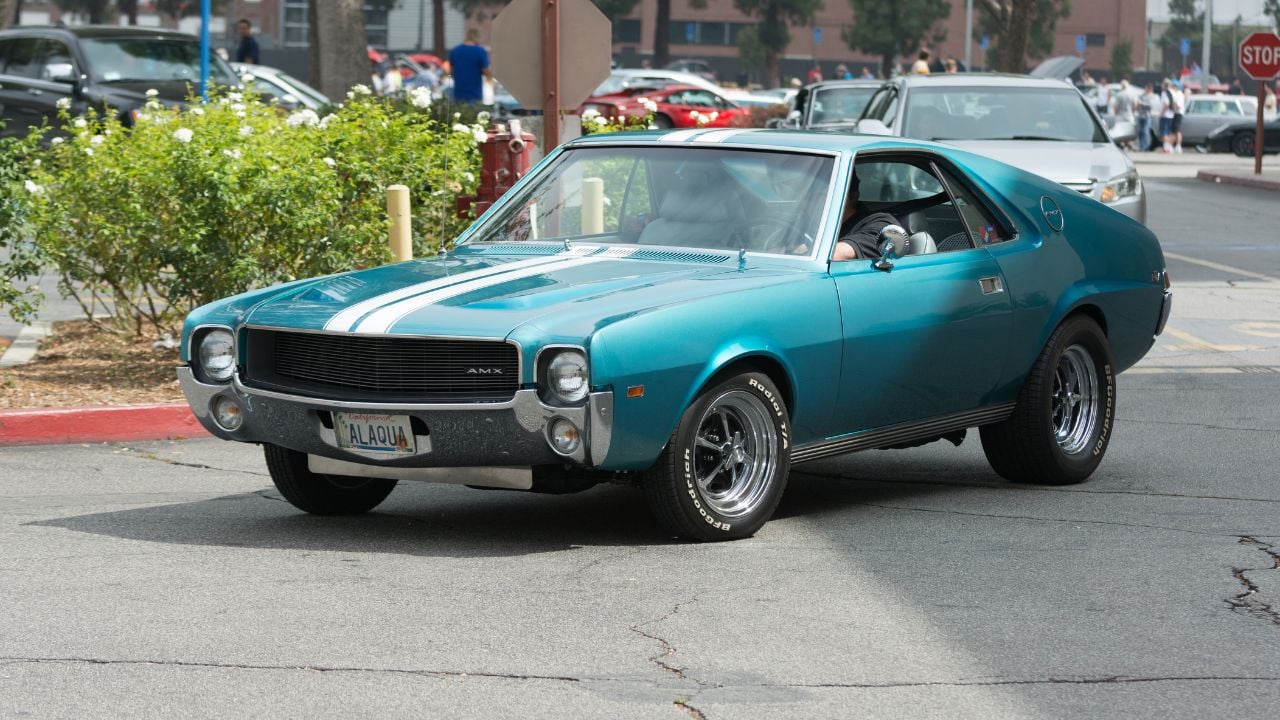
The AMC AMX proved that compact muscle could pack just as much heat as its big brothers, and then some. With its shorter, two-seat frame (a direct rival to the Corvette, believe it or not), it meant less weight, and that translated directly into surprising agility and responsiveness. On a curvy road, it moved like it belonged in another class altogether, embarrassing some of the larger, lazier muscle cars. While others stretched out their power, the AMX made everything feel closer and more immediate. It was a true driver’s car with serious potential.
Even at rest, it looked alert and ready to pounce. AMC wanted to show it could play in the big leagues with the likes of Ford and GM, and this model delivered the proof with every rev of its potent 390 cubic inch V8 (315 hp). No muscle car conversation feels complete without mentioning this overlooked gem.
It was the scrappy underdog that consistently punched above its weight.
Dodge Coronet R/T
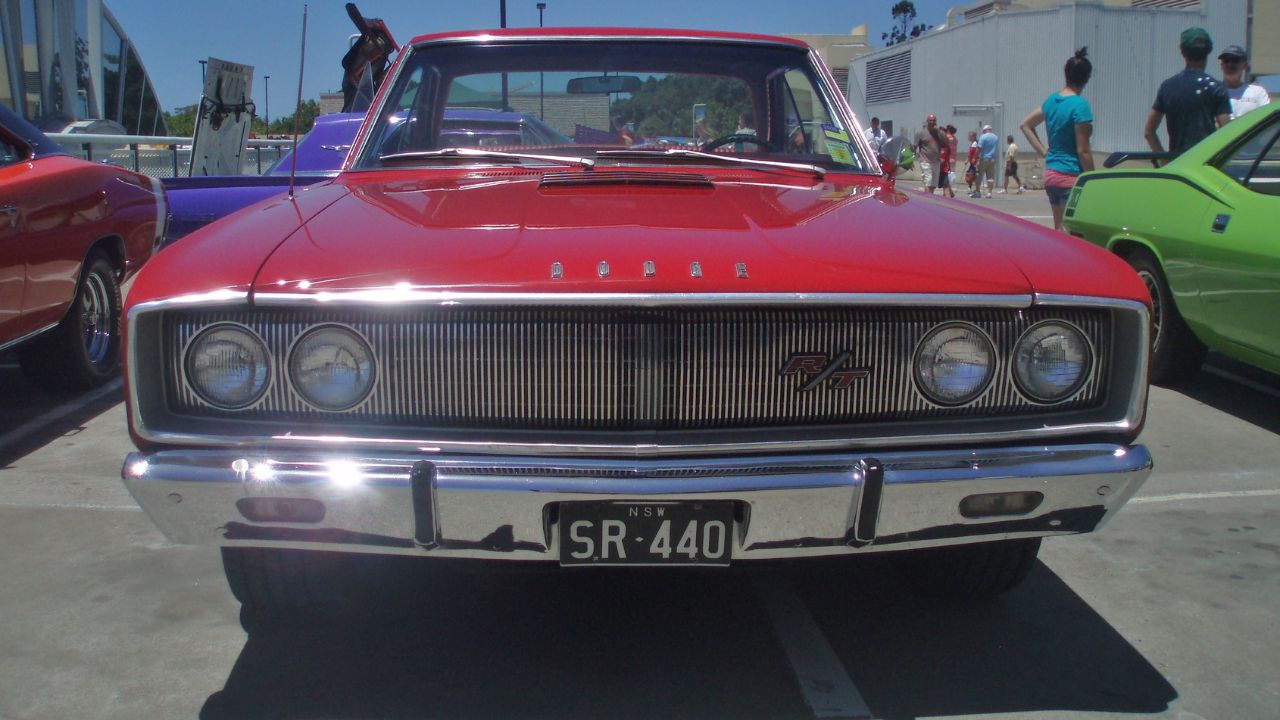
The Dodge Coronet R/T perfectly balanced muscle attitude with a surprisingly practical design. Its squared-off profile carried strength in every edge, looking like it meant business, and the driving feel rewarded those who paid attention to its capabilities. This was a car you could genuinely drive daily and still enjoy immensely at full throttle on the weekends.
The simplicity of the design worked entirely in its favor, no unnecessary frills, just pure, unadulterated performance.
Powered by the robust 440 cubic inch Magnum V8 (rated at 375 hp) or the optional, utterly insane 426 Hemi (425 hp, just one off from the name), the Coronet R/T looked purposeful without being overcomplicated. Once moving, it gained confidence and absolutely asked the driver to stay sharp. This was a partner for real roads, real races, and real fun.
It proved that performance didn’t need a spotlight to be felt; sometimes, it just needed a heavy right foot and an open stretch of asphalt.
Plymouth Road Runner
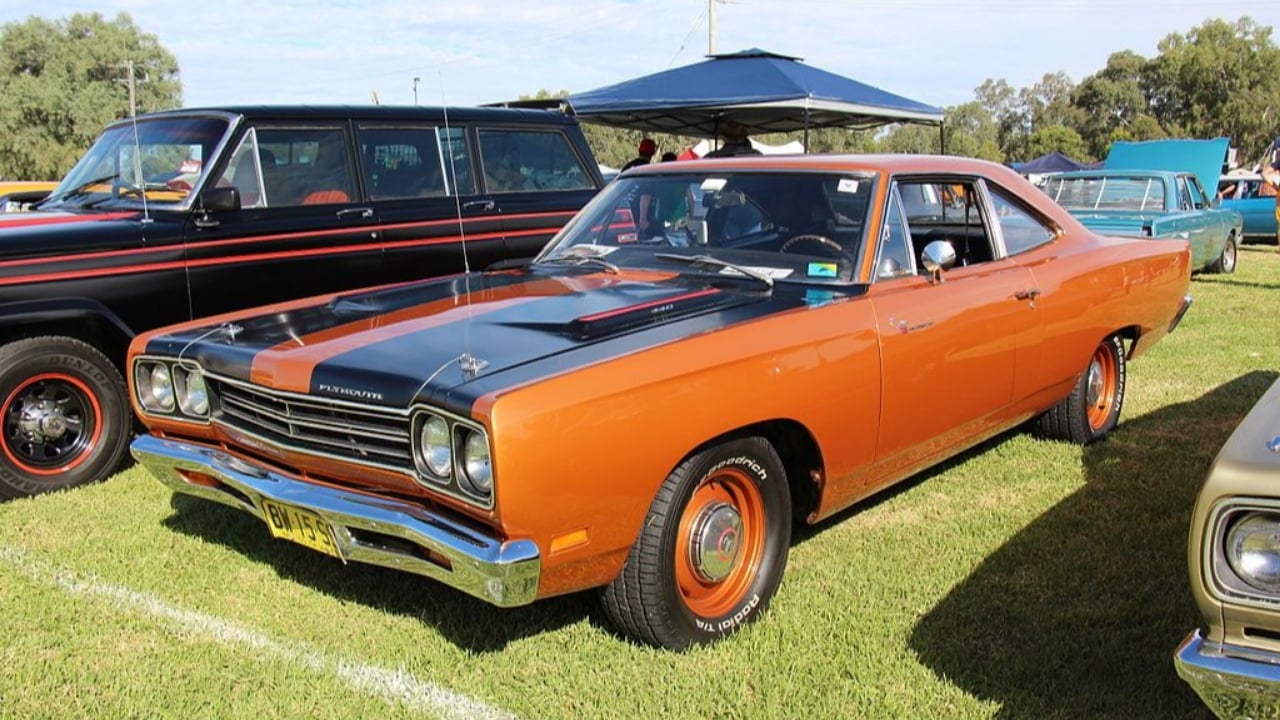
Forget subtle; the Plymouth Road Runner was about as subtle as a sledgehammer to a windshield. Named after the Looney Tunes character, this car literally came with a “meep-meep” horn and was built with one mission: affordable, no-frills speed. Plymouth stripped out all the unnecessary luxuries (who needs carpet when you’re laying rubber?) and stuffed in serious power to create a working-class hero. It was designed to dominate the streets and the drag strip without costing a fortune, a true “bang for your buck” machine.
Under its relatively unassuming (but still aggressive) sheet metal, you found engines like the standard 383 cubic inch V8, cranking out 335 hp, or the legendary, tire-vaporizing 426 Hemi V8, rated at 425 hp. It didn’t try to be fancy; it just got the job done with a raw, visceral feel. You knew exactly what you were getting: pure, unadulterated muscle. The Road Runner was loud, proud, and unapologetically fast. It blew by other cars, leaving a cloud of smoke and the faint sound of “meep-meep” in its wake.
This was a car for guys who’d rather spend their money on a bigger cam than a fancy interior, and for that, we salute it.
When Muscle Still Had a Pulse

The 1960s delivered machines that brought sound, strength, and presence to every single mile they covered. These cars created moments that stayed with drivers long after the road ended. They offered raw, visceral power and a sense of control that turned everyday routes into personal racetracks. Each model had a distinct voice, and each one knew exactly how to speak directly to those who truly listened, usually through the rumble of a big V8 and the squeal of protesting tires.
Modern vehicles bring incredible comfort, advanced technology, and safety features that our ancestors could only dream of. But these classics? They brought personality, a sense of danger, and a connection to the machine that’s hard to find today. You could hear the excitement in every start, feel the purpose in every turn.
These asked the driver to engage, to commit, to become an inseparable part of the experience. Driving one meant something personal, something deep down in your soul. Some cars never fade; they only wait for someone brave (and perhaps a little crazy) enough to fire them up again. Which one would you choose to lay some rubber in first?