
Alright, gather ’round this burning V8 and let me tell you something about a time when gas was cheaper than a bad habit and cars actually had personalities, not just giant touchscreens. Back when car culture was not just guys on TikTok pointing at supercars. Back then, you didn’t just like a Shelby; you practically built a shrine to it in your garage, complete with flickering shop lights and a faint smell of oil.
If you are a muscle car enthusiast, the name Carroll Shelby meant fast cars, loud noises, and enough American thunder on four wheels to make bald eagles weep with pride. Shelby didn’t walk into the racing world with a pedigree; he kicked the doors down in cowboy boots, probably tracking chicken coop mud all over the pristine linoleum. And while everybody knows he helped build the legendary AC Cobra and brought enough muscle to the Mustang to make a Challenger blush, there’s more to him than just slapping his name on a few cars.
Shelby shaped the very direction of automotive culture with his bold ideas and fearless, almost reckless, approach. He had an instinct for speed that bordered on supernatural and a vision for machines that felt more alive than metal, breathing fire and spitting gravel. Every roar of a Shelby engine carried the sound of determination, invention, and good old-fashioned American stubbornness.
He Started as a Chicken Farmer

Before Carroll Shelby became a motorsport legend, turning wrenches and winning races, his life looked very different. In the years after World War II, Shelby ran a chicken-farming operation in Texas, trying to build a steady living far removed from racetracks and racing glory. The business ultimately collapsed in 1952, leaving him financially broke but not broken. At the time, Shelby was wearing work overalls instead of fireproof racing suits and dealing with poultry and feed rather than engines and lap times.
The failure proved to be a turning point. Losing the farm forced Shelby to rethink his future and pushed him to pursue racing more seriously, a direction he might not have taken otherwise. He later joked that the experience taught him persistence and resilience, lessons that no racetrack could fully replicate. The collapse of the chicken business didn’t end his ambitions; it redirected them, replacing hens and feedbags with horsepower and competition.
Shelby himself summed it up best when he once remarked, “I had to come from something, didn’t I?” He wasn’t born into racing royalty, and he didn’t arrive with a polished pedigree. Instead, he carried forward the grit learned from failure, proving that determination and stubborn perseverance could take a man from a failed poultry farm to the top step at Le Mans.
He Became Famous for Striped Bib Overalls

In the early 1950s, Carroll Shelby became known for wearing striped bib overalls, practical workwear tied to his chicken-farming days that gradually turned into one of his signature looks at the track. And yes, he did compete in the 1954 Carrera Panamericana, the infamous Mexican road race whose final running was 1954. There were no fireproof suits or polished sponsor uniforms in those days, just basic gear, goggles, and a driver more concerned with function than fashion.
The race often started in cold early-morning conditions, and Shelby favored clothing that kept him comfortable and focused rather than stylish. That practicality became part of his reputation. While others worried about appearances, Shelby cared about getting the job done, and his choice of work overalls reflected the same no-nonsense mindset that defined his driving.
Fellow competitors remembered him as someone who ignored convention and focused entirely on performance, even while charging through the Mexican countryside at triple-digit speeds. He wasn’t interested in looking like a racer, he was interested in being one. That image, goggles on, overalls dusty and oil-stained, became part of Shelby lore. It wasn’t about eccentricity; it was about practicality, confidence, and a complete lack of concern for anyone else’s expectations—traits that would follow him throughout his racing and automotive career.
He Beat Ferrari at Le Mans

My proudest moments are beating Ferrari for the 1965 FIA GT Manufacturers title (over 2.0 liters) and working with Ford to win Le Mans in 1966 and 1967.”
In 1966, Carroll Shelby did what every American racing team before him had only dreamed about: he didn’t just beat Ferrari at the 24 Hours of Le Mans, he crushed them, leaving Maranello’s finest in a cloud of dust and existential dread. Working with Ford, Shelby was instrumental in transforming the temperamental GT40 from a European experiment into a bona fide endurance beast. He coordinated drivers (like the legendary Ken Miles), fine-tuned engines (especially the 427-cubic-inch (7.0-liter) Ford V8, making around 485 horsepower in endurance trim), and masterminded pit strategies that were as ruthless as they were brilliant.
The victory wasn’t just technical; it was deeply personal. After the 1963 Ford, Ferrari deal fell apart, the rivalry turned personal, and Ford’s Le Mans effort became revenge written in tire smoke. Shelby, a proud Texas cowboy, made sure the revenge was poetic, humiliating Ferrari on their own turf, at their most prestigious race. It was a moment of national pride, made even sweeter by the grit of an ex-chicken farmer.
The win also birthed legends and solidified Shelby as a racing genius. Shelby didn’t just win a race; he changed racing history, proving that American ingenuity, backed by a massive budget, could dominate the world stage. Take that, Enzo!
The Cobra Was Built in a Garage

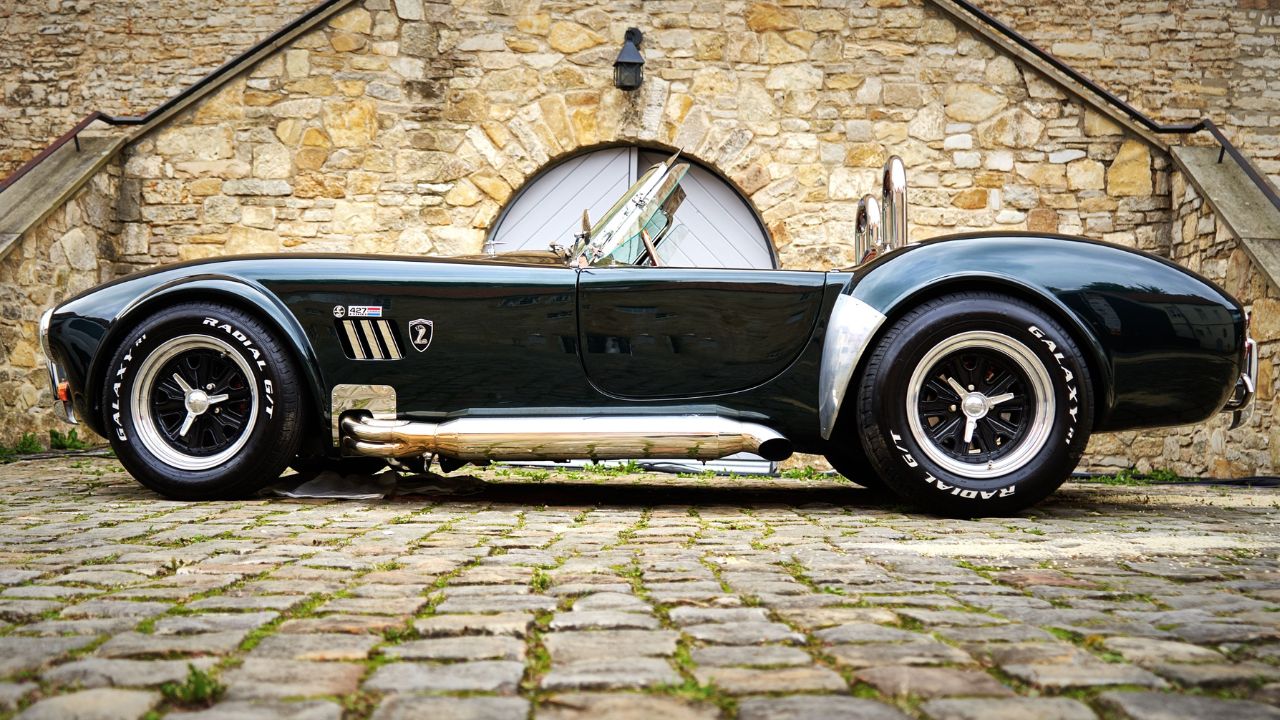
You hear Cobra, and you probably picture million-dollar auctions, velvet ropes, and collectors with more money than sense. But its origin? Humble as heck. Shelby started the AC Cobra project in 1962 in a small rented Southern California shop. This wasn’t some gleaming corporate campus; it was a garage. He crammed a relatively compact, but powerful, Ford 260 cubic inch (4.2L) V8 (later the 289 V8 and the monstrous 427 V8) into a lightweight British roadster frame from AC Cars. That garage smelled more like motor oil, sweat, and perhaps a hint of fear, than money.
His team consisted of a handful of mechanics and hot rodders, not corporate engineers with fancy degrees. The first few Cobras weren’t showpieces; they were functional, brutish monsters meant to win races, not concourses. Shelby personally test-drove them around the block, probably scaring local Venice Beach residents half to death. It was American ingenuity at its loudest and most thrilling, a pure example of “throw a big engine in a small car and see what happens.
And it all came from a garage, not a boardroom. Just how Shelby liked it, raw, unpolished, and undeniably fast. Sans pajamas this time.
He Raced with Nitroglycerin for Angina

Shelby was diagnosed with a serious heart condition early in his racing career, as far back as 1959. In fact, he often often raced with nitroglycerin for angina, sometimes described as having a pill under his tongue, just in case, just in case. These weren’t minor chest flutters; Shelby had angina that could’ve struck during any high-speed turn or braking maneuver, potentially leading to disaster. But that never stopped him. Instead, it sharpened his focus. Every race might’ve been his last, and he drove like he knew it, squeezing every ounce of performance out of himself and the car.
He eventually retired from racing in 1960 due to health concerns, just after winning Le Mans as a driver with Aston Martin. But even that didn’t slow him down for long; it just shifted his focus from driving to building. Real fans admire Shelby not just for winning, but for what he risked to even show up on the track, pushing himself to the limit despite knowing his own mortality was literally in his pocket. He understood fear clearly and moved forward with determination in every situation. Talk about horsepower and heart, literally.
He Hated Red Tape and Loved Breaking Rules

Shelby didn’t care for corporate hand-holding; he’d probably chew through a stack of memos just to get to the good stuff. He famously clashed with Ford execs during Mustang development, ignoring styling memos and budget warnings to build what he thought a performance Mustang should be, not what some pencil-pusher in accounting envisioned. When he developed the GT350, he took base Mustangs, ripped out everything that wasn’t bolted down (and some things that were), and rebuilt them like track-day machines, creating the first truly performance-oriented Mustang.
When rules got in the way, he bent them or flat-out broke them, often with a mischievous twinkle in his eye. He once famously used “Gurney bubbles” on the GT40’s roof to accommodate Dan Gurney’s helmet, bending aerodynamic rules in the process. And people loved him for it, because he was building the cars they actually wanted. His attitude was less “Can I do this?” and more “Try and stop me, you suit-wearing drone.”
Shelby wasn’t a yes-man; he was a go-fast man. That rebellious streak? It’s in the DNA of every Shelby car, from the raw Cobra to the modern GT500. He taught us that sometimes, the fastest way around a problem is directly through it, regardless of the rulebook.
He Gave the Mustang Its Muscle

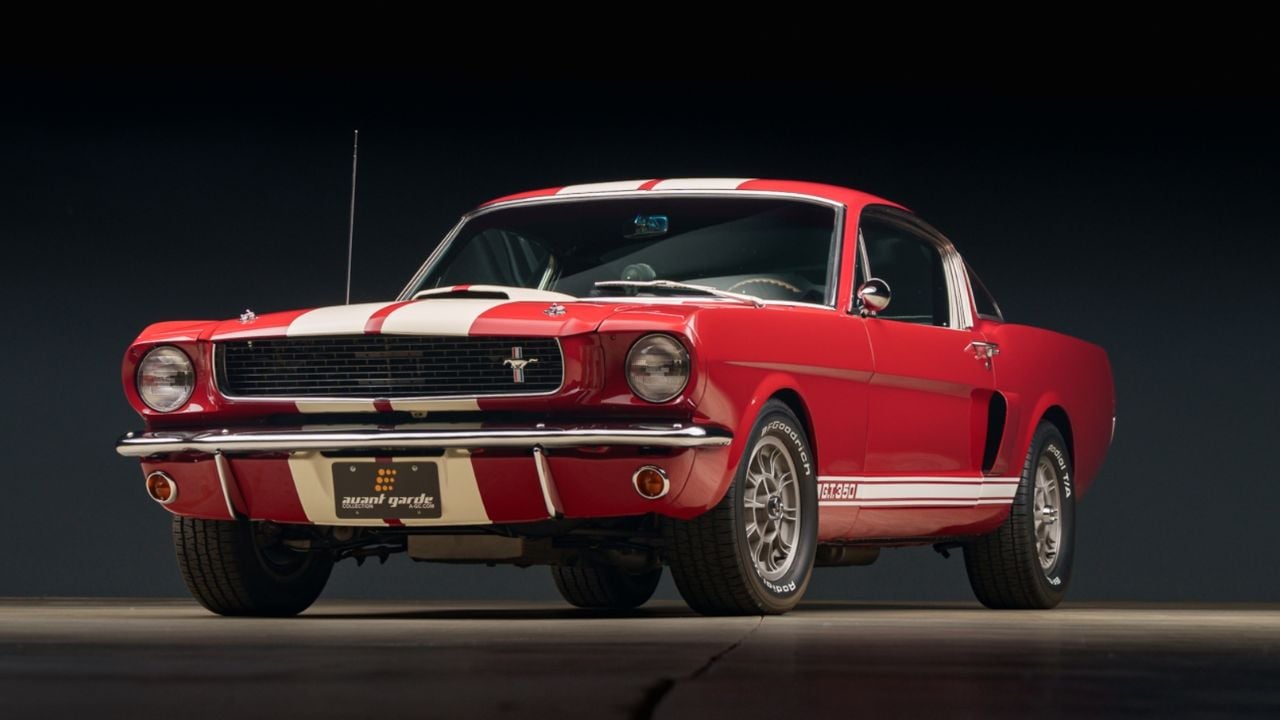
The Mustang was a looker when it launched in 1964, a fantastic “pony car” that sold like hotcakes. But let’s be honest, it wasn’t exactly a street beast; it was more like a show pony than a stampeding stallion. That’s where Shelby came in. Ford approached him with the idea of turning the Mustang into a race-worthy machine for SCCA competition. He took the job personally, treating it like a challenge to turn a suburban cruiser into a track monster, and he transformed it into the legendary GT350.
He added a race-tuned suspension, a roaring 289 cubic inch (4.7L) V8 with a massive 306 hp, side-exit exhaust that would make your ears ring, and a no-nonsense look that stripped away the fluff. Shelby Mustangs felt fast, looking like they were doing 100 mph standing still, and could back it up and then some. They made every teenager (and a lot of adults) feel like Steve McQueen in a parking lot.
Without Shelby’s touch, the Mustang might’ve stayed a secretary’s coupe. Thanks to him, it became a muscle icon, a legend, and a constant source of “that thing sounds mean!” comments.
He Was a Serial Entrepreneur
Beyond racing and building cars, Shelby was a serial entrepreneur, a man who saw opportunity everywhere. He dabbled in everything from chili mix to real estate, proving his business acumen extended beyond the garage. His famous chili recipe became so popular that he launched “Carroll Shelby’s Original Texas Brand Chili Kit” in the 1980s. It came with a bag of spices, a packet of cayenne, and enough attitude to make you sweat, even before you started cooking. Fans could literally taste Shelby’s flair, even in the kitchen. “If you like it,” he’d say, “fine. If not, go make your own.” Classic Shelby.
He also ran a driving school that trained some of the best racers, dabbled in cattle breeding (a nod to his farm days), and even tried his hand at boat building. If it moved, could be sold, or made money, Shelby had a plan for it. This was focused energy driven by the same creativity and hustle that shaped his reputation as a car legend. He spent his time building cars, shaping ideas, and leaving behind a lasting legacy with each venture, proving that innovation isn’t just for engines
He Came Back Strong After a Heart Transplant
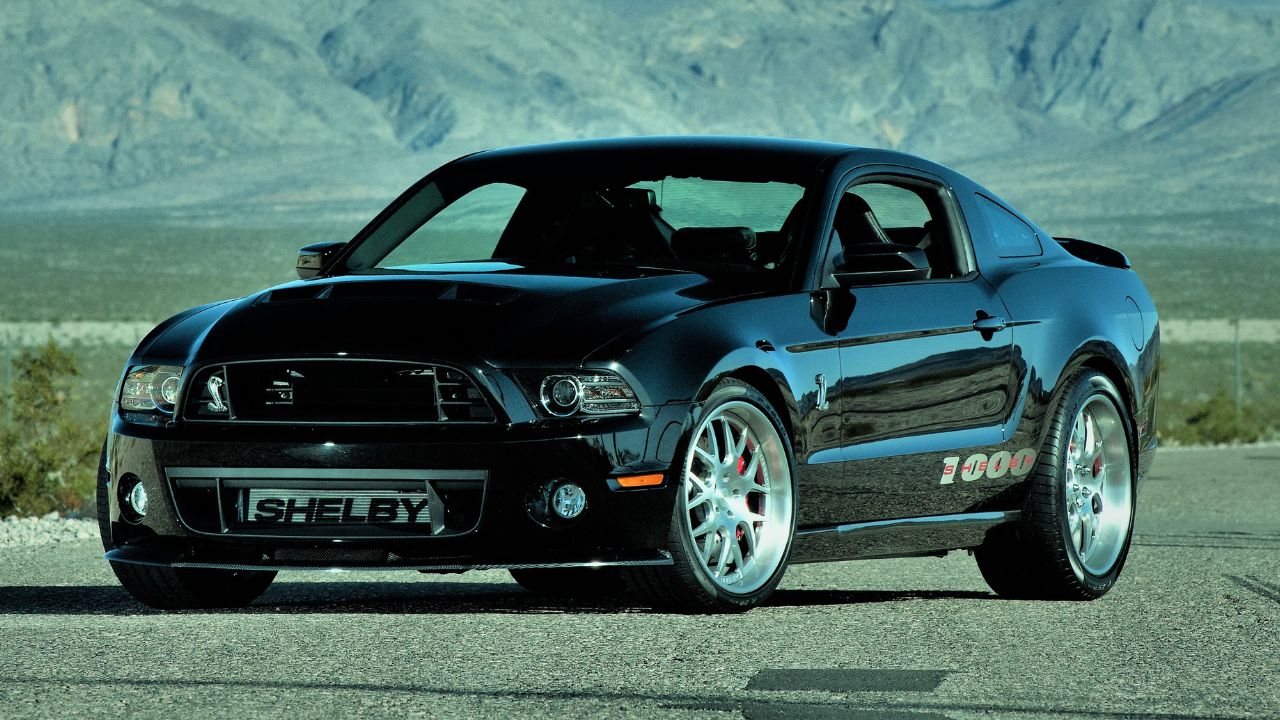
In 1990, at the age of 67, Shelby received a heart transplant, a life-saving procedure that would mark the end of high-stress ventures for most mere mortals. Not Shelby. He returned to the automotive world with renewed vigor, proving that even a new heart couldn’t tame his fire. He worked closely with Dodge in the early ’90s, helping create cars like the Viper (more on that in a bit), a car that embodied raw, unfiltered American power and, fittingly, required a strong heart to drive.
His comeback wasn’t quiet; it was loud, proud, and full-throttle, leaving no doubt about his presence and passion. He used his second chance at life to make more noise in the automotive world than ever before, developing performance vehicles and continuing his chili empire. That kind of drive (pun fully intended, because Shelby loved a good pun) is rare.
And real fans know, his heart never left the track even when it wasn’t his original one. He even received a kidney transplant in 1996, showing that nothing could keep this legend down.
He Was a Key Figure Behind the Dodge Viper

Shelby was involved with Chrysler as a performance consultant/advisor during the Viper era, lending credibility and input as the team shaped its raw, no-nonsense character. Chrysler’s then-president Bob Lutz and design boss Tom Gale hit up Shelby in the late ’80s to add credibility and a touch of untamed aggression to the Viper’s design. The Viper’s ‘brutal and analog’ philosophy fit Shelby’s tastes perfectly, and he supported the idea as Chrysler moved it toward production, a spiritual successor to his beloved Cobra.
The Viper, with its massive 8.0-liter (later 8.3 and 8.4-liter) V10 engine (initially making 400 hp), was exactly what Shelby believed in: lightweight (relatively), powerful, and utterly devoid of electronic driver aids. No ABS. No traction control. No stability control. Just you, a monster engine, and a prayer. That’s the kind of car Shelby believed in. He wasn’t interested in taming drivers; he wanted to thrill them, challenge them, and occasionally scare them senseless.
And with the Viper, he succeeded beyond anyone’s wildest dreams. It was a proper “widowmaker” in the best possible way, a true testament to Shelby’s “more power, fewer nannies” philosophy. The Viper showed his lack of fear, even of death.
He Founded a Children’s Heart Foundation
Despite his gruff persona, his love for speed, and his often-blunt Texan demeanor, Shelby had a soft spot, especially for kids with heart conditions. After his own successful heart transplant in 1990, he founded the Carroll Shelby Children’s Foundation (now the Carroll Shelby Foundation) in 1991. It offered financial and medical assistance to children in need of heart surgeries, working to ensure families didn’t have to choose between their child’s health and financial ruin.
The foundation has since helped thousands of families across the U.S., becoming a quiet but incredibly powerful legacy. It was Shelby’s way of giving back, using the platform he built with grease, gears, and guts to make a real difference. Real fans admire him not just for what he built, but for who he helped. Shelby received a new heart and brought deep compassion to everything he did, proving that even the toughest old cowboy had a heart of gold. Or, in his case, a perfectly functioning transplanted one.
His Signature Still Raises Car Values
Even years after his passing in 2012, at the age of 89, a Carroll Shelby signature on a dashboard, a glovebox, or even a title sends collectors into a frenzy. It’s like finding the Holy Grail in your garage, only this one comes with a VIN and a V8. His name serves as a mark of authenticity and represents true craftsmanship, a direct connection to the man himself.
Shelby didn’t sign every car; he was selective, often choosing to meet fans in person at events, sharing a quick story or a firm handshake. Those moments became not just memories, but literal investments.
Cars with his autograph command insane premiums at auctions, often adding tens, even hundreds of thousands of dollars to a car’s value, and attract deep-pocketed enthusiasts who understand the weight of his legacy. Having Shelby’s name on your car is like owning a piece of Americana that barks, growls, and flies — a testament to a man who lived life in the redline. It’s proof that some things, like Shelby’s touch, are truly priceless.
More Than Just a Man Behind the Wheel
Carroll Shelby was never just a name on a badge or a logo stitched into a leather seat. He was an embodiment of raw, unfiltered American ambition, boots, heart pills, chili mix, and all. From chicken coops in Texas to the victory lanes of Le Mans, Shelby chased greatness with grit, grease-stained hands, and an unshakeable belief in big horsepower. The 12 facts you’ve just read are testaments to a man who stayed driven through every twist life brought his way, a true pioneer who never settled for “good enough.”
They highlight his passion, persistence, and the powerful, thunderous impact he made on the world of cars. Every Cobra, GT350, or Viper with his imprint carries a legacy far richer than horsepower or design; it carries stories, risks taken, and the very soul of a man who believed cars should roar louder than rules.
Real fans know this because they don’t just admire Shelby; they feel connected to him. His life was wild, relentless, and unmistakably real, filled with bold choices and raw determination rather than careful planning or refinement. And that’s exactly why Carroll Shelby will always be more than just a legend; he’ll be a living spirit on every highway, racetrack, and dusty garage floor that dares to dream beyond the speed limit. Now go out there and make some noise, just like Carroll would have wanted.