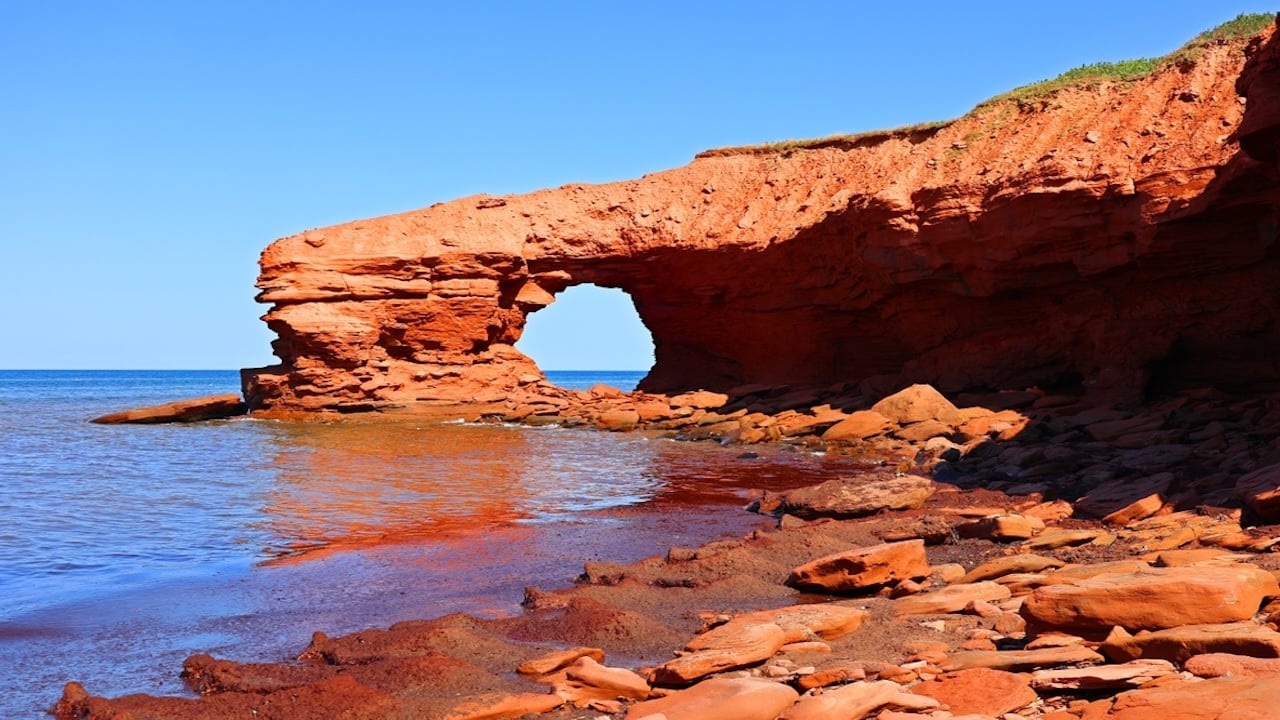
Vast wilderness is thrilling, yet it can overwhelm newcomers when bookings, distance, and weather all collide. The picks below lean toward famous places run by the federal agency, chosen for reliable access, clear signage, and classic scenery that rewards a gentle pace. Expect glacier-fed turquoise, wave-battered headlands, red sandstone, and forests built for unhurried wandering.
Two habits make trips smoother: secure the high-demand transport early, then leave breathing room in the itinerary. Sunrise starts help at popular lookouts, while midweek dates dodge the thickest crowds. Treat every trail bulletin as current intelligence, not background noise.
1. Banff, Alberta
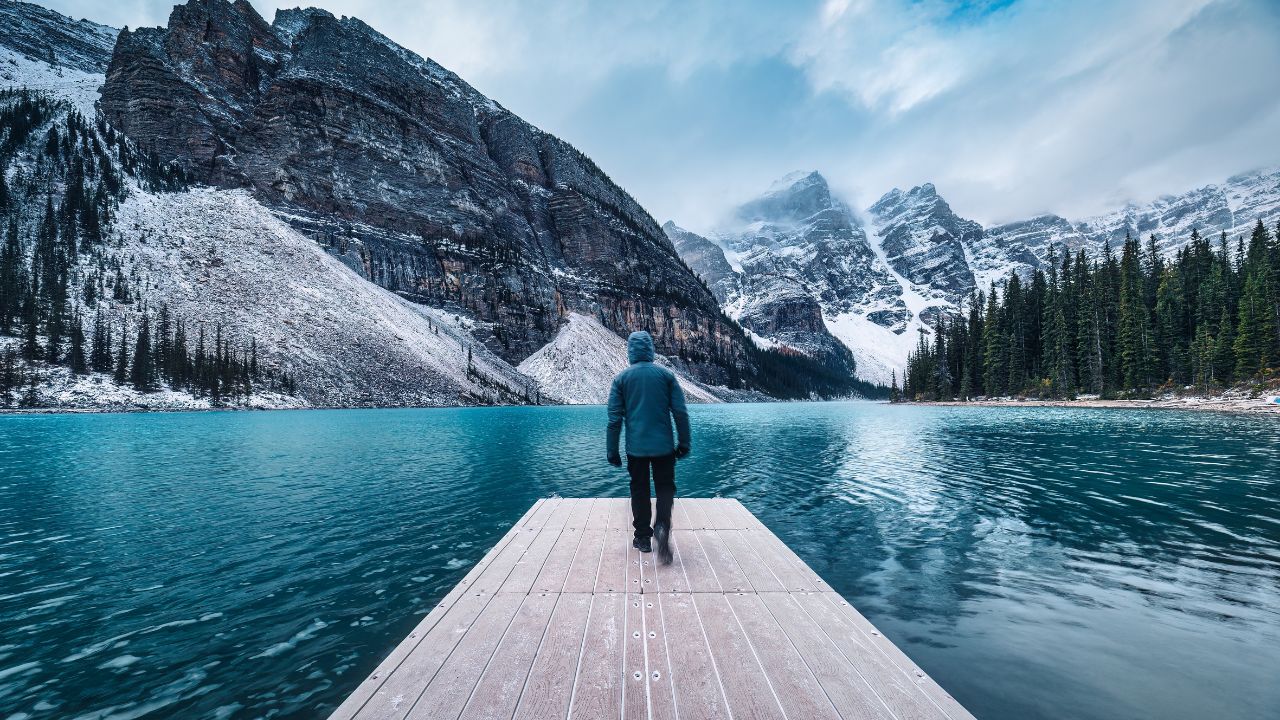
Postcard peaks rise behind a lively resort town, so meals, lodging, and transit stay convenient. Lake Louise and Moraine Lake require planning, because Moraine Road is closed to personal vehicles year-round and shuttle seats are released through the reservation system. A shoreline circuit plus a riverside stroll delivers instant payoff without major elevation.
Bow Valley Parkway offers quieter pullouts and wildlife viewing from safe distances, especially early. When legs want a break, hot springs or a gondola ride adds variety with little effort. Carry bear spray where required and follow closures, as conditions shift fast in grizzly habitat.
2. Jasper, Alberta
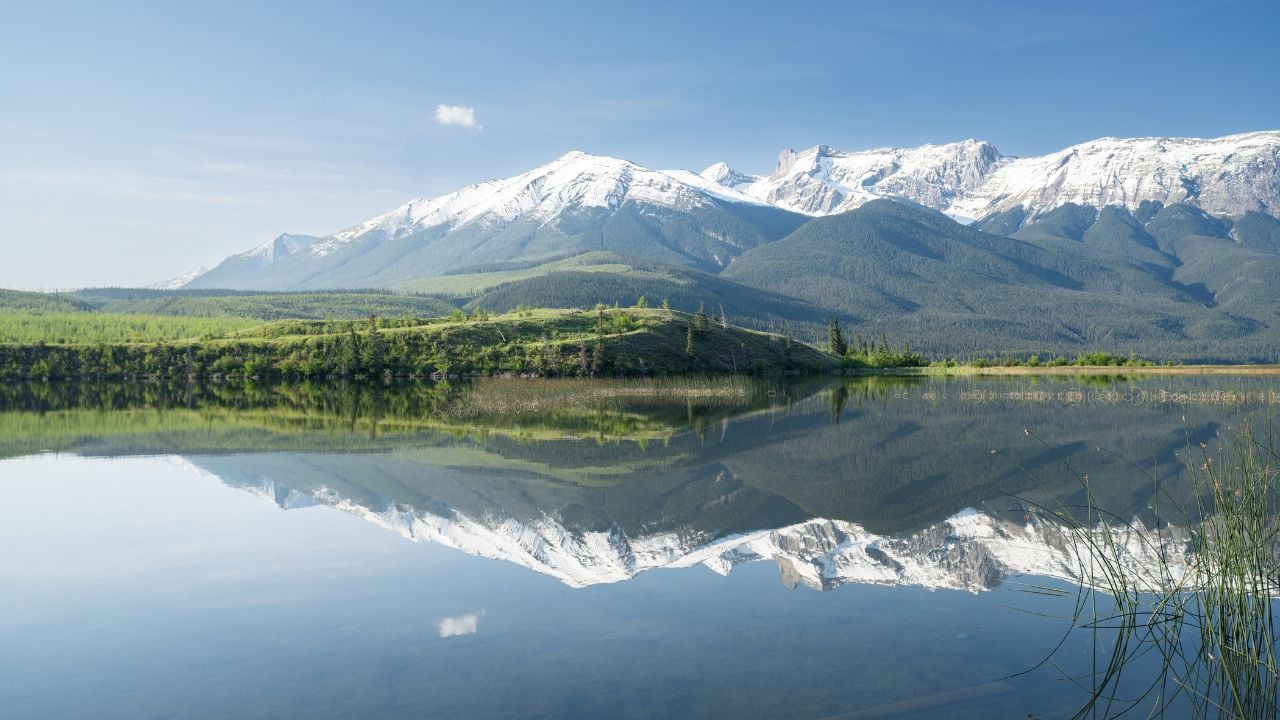
Space is the signature here, with broad valleys and a calmer feel once you leave the townsite. Icefields Parkway viewpoints turn the drive into the activity, letting you collect big scenery in bite-size stops. Maligne offers a famous shore and cruises that reach the Spirit Island viewpoint.
Nightfall brings a second headline, because Jasper sits within the world’s second-largest dark-sky preserve. Warm layers matter for stargazing, even in July, as air temperatures drop quickly after sunset. Add a buffer date for smoke, storms, or temporary road restrictions.
3. Yoho, British Columbia
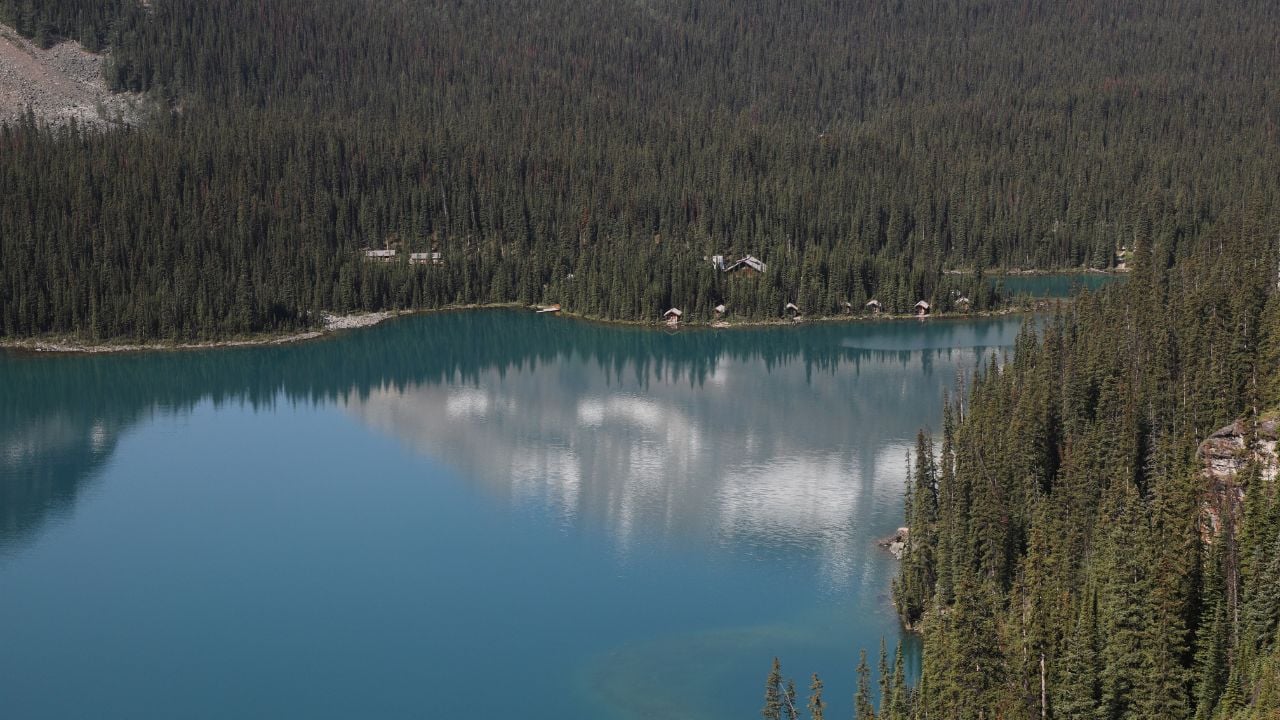
Yoho stacks waterfalls, stone bridges, and sharp summits into a compact corridor off the Trans-Canada Highway. Lake O’Hara access is managed through shuttle bookings, protecting a sensitive alpine basin and limiting crowds. If that draw does not work out, Takakkaw Falls still delivers a dramatic view with minimal walking.
Emerald rewards a low-stress loop near the waterline, then a stop at Natural Bridge rounds out the outing. Higher routes often hold snow into early summer, so check conditions before committing. A picnic and a camera cover most needs.
4. Waterton, Alberta
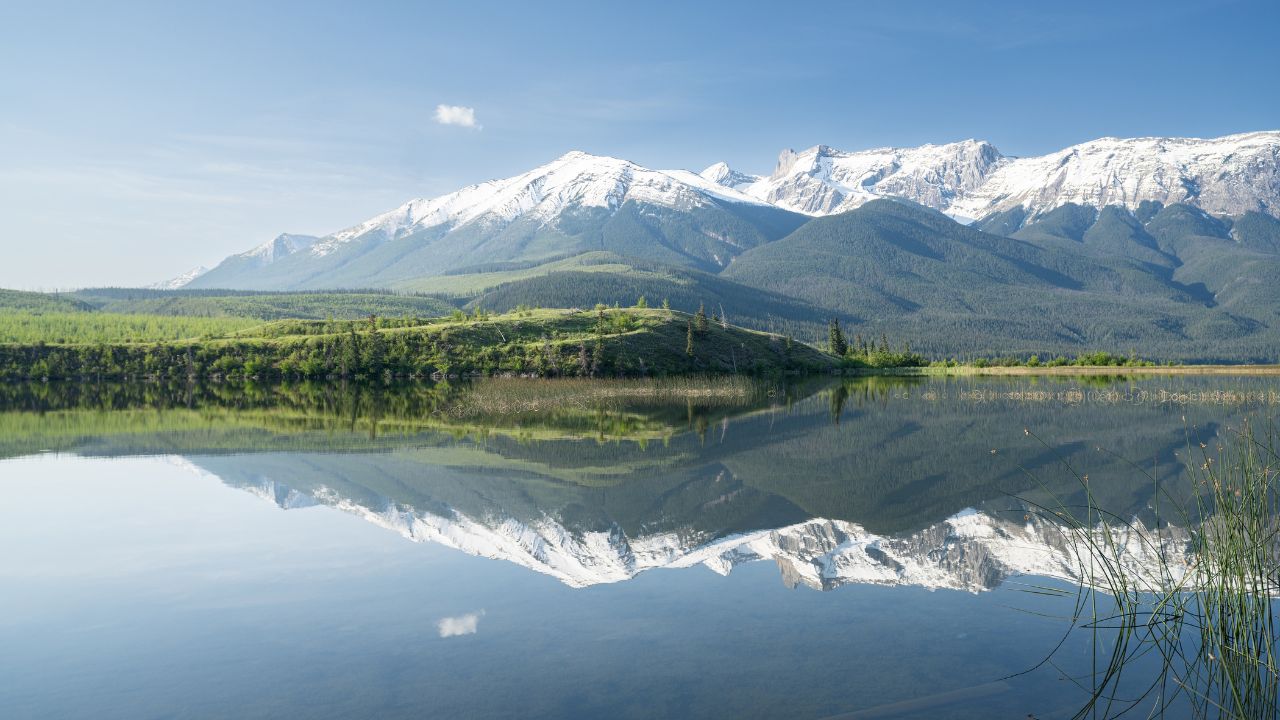
Prairie meets jagged ridgeline in a compact setting that feels unlike other Rocky Mountain stops. The village base keeps logistics straightforward, with trailheads and docks within walking distance. Start with the lakeshore path for an easy orientation lap.
Cruises provide a sweeping panorama without strenuous hiking, and waterfalls sit close enough for casual outings. Waterton pairs with Glacier across the border as an international peace park, recognized by UNESCO for outstanding scenery. Wind gusts arrive suddenly, so pack a shell even on clear mornings.
5. Pacific Rim National Park Reserve, British Columbia

Salt spray, cedar rainforest, and fog define this West Coast favorite between Tofino and Ucluelet. Boardwalk routes keep coastal walking accessible, even when roots and sand would otherwise slow the pace. Long Beach stays open year-round, while the West Coast Trail runs from May through September and demands serious preparation.
Time seaside rambles around the tide schedule, then switch to a sheltered forest walk when weather turns. A thermos and rain gear earn their keep here, often within the same hour. Respect surf warnings and rip-current signage, since the ocean does not negotiate.
6. Gros Morne, Newfoundland and Labrador
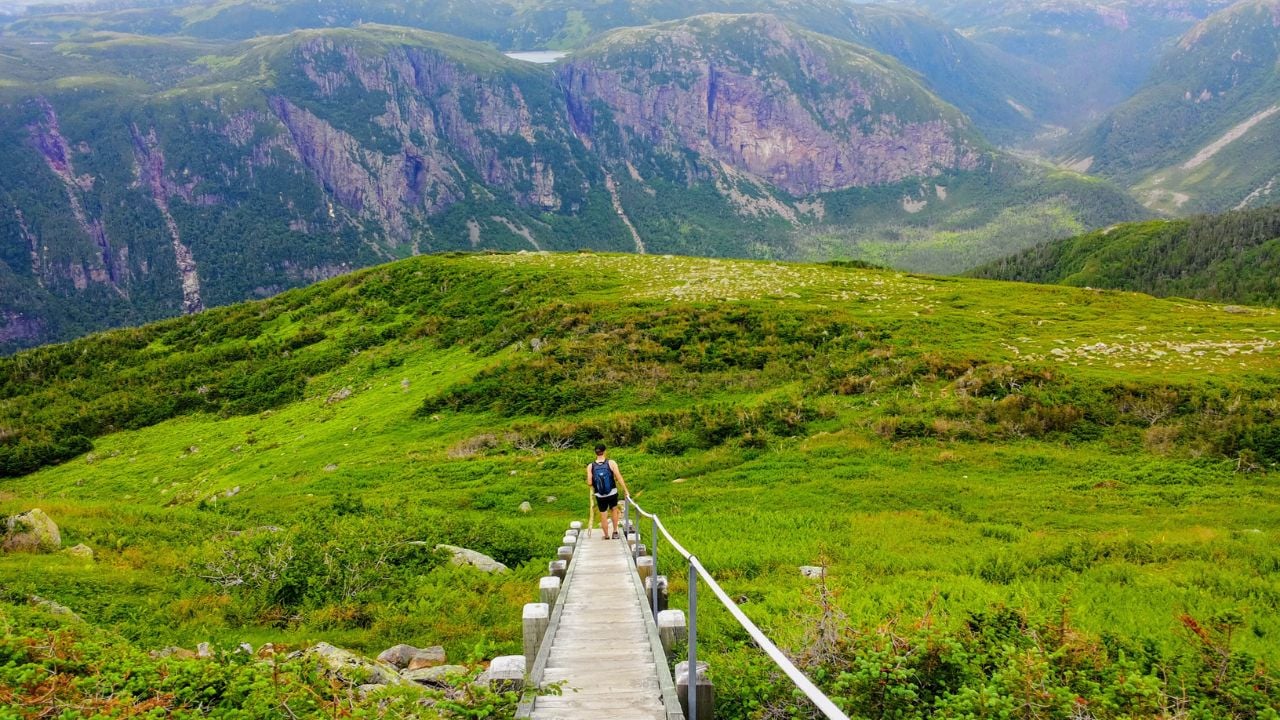
Geology steals the show in Gros Morne, yet the highlights feel approachable with good shoes and a flexible plan. The Tablelands expose rare mantle rock, giving the terrain an otherworldly palette under bright light. Western Brook Pond is a glacier-carved fjord best seen by boat, framed by rock walls and frequent cascades.
Choose lodging near the north shore communities to mix easy walks with scenic drives. Island weather changes quickly, so bring layers and expect sudden fog. Extra slack pays off for fishing villages and viewpoints along the highway.
7. Fundy, New Brunswick
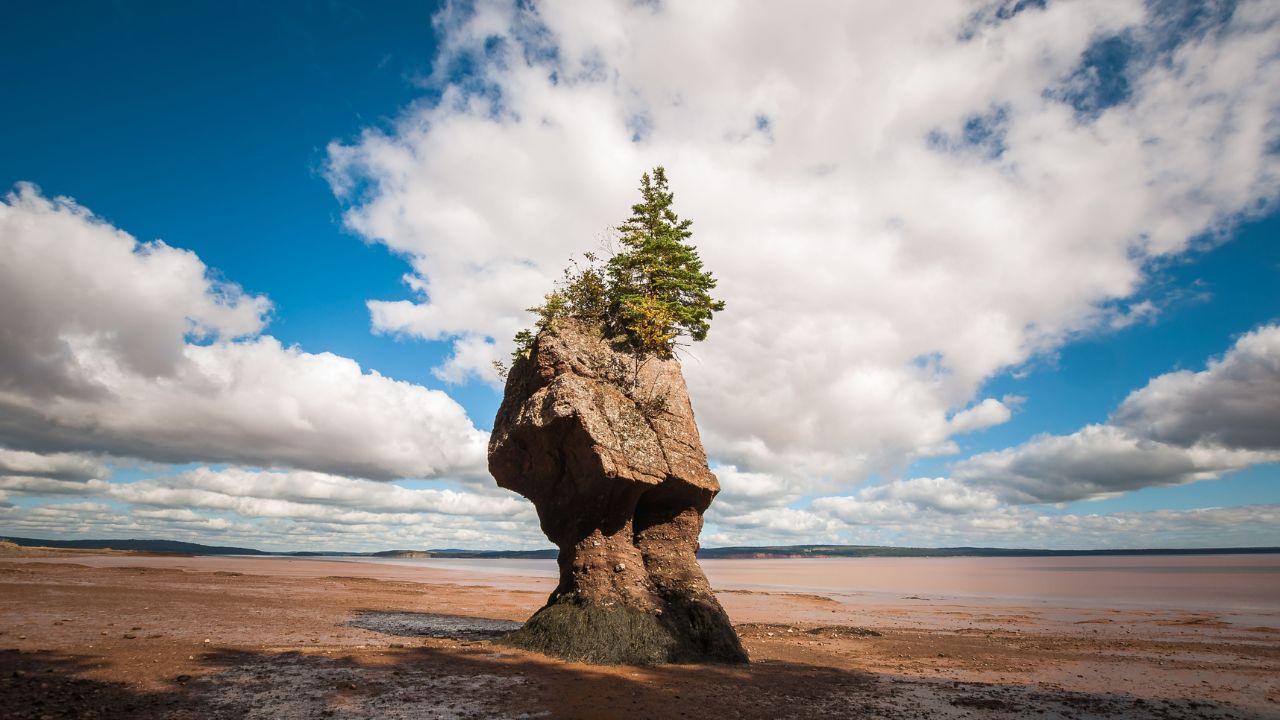
Fundy’s shoreline transforms through the hours thanks to one of the planet’s largest tidal ranges. Low tide reveals ocean floor you can walk on, and later the water returns rapidly enough to remake the whole scene. Inland paths lead through Acadian forest toward waterfalls and swimming spots.
Check tide tables before committing to any coastal route, as timing is a safety tool here. Hopewell Rocks Provincial Park nearby delivers a dramatic high-versus-low contrast for newcomers. Sturdy footwear helps on slick mud and stone.
8. Cape Breton Highlands, Nova Scotia
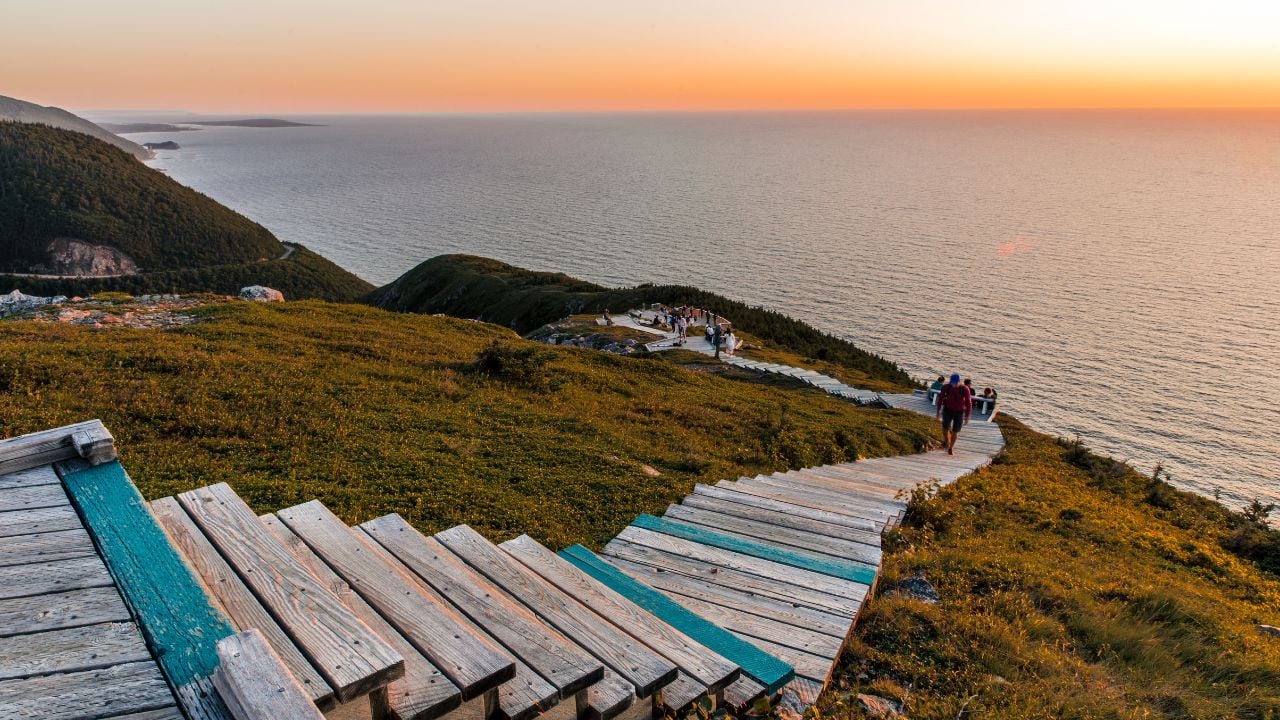
Cabot Trail curves through headland country, turning a road trip into a string of scenic stops. Skyline ends at viewing decks above the Gulf of St. Lawrence, with chances to spot whales in season. Boardwalk sections keep the outing friendly for casual walkers.
Pick morning or late afternoon for the best light on bluffs and ocean. Give moose plenty of space and skip feeding wildlife, since habituation harms animals and people. Finish with seafood in a nearby community and call it an ideal capstone.
9. Prince Edward Island National Park, Prince Edward Island

Red cliffs, wind-sculpted dunes, and gentle surf make this coastal stretch feel relaxed from the first step onto sand. A seashore path suits bikes, strollers, and easy rides between strands and lighthouse views. Families appreciate the calm rhythm of short sand sessions.
Green Gables Heritage Place sits within the protected area, linking the scenery to Lucy Maud Montgomery’s novel. Choose one stretch and linger instead of chasing every viewpoint. Sunset often turns the cliffs copper, especially on clear evenings.
10. La Mauricie, Quebec
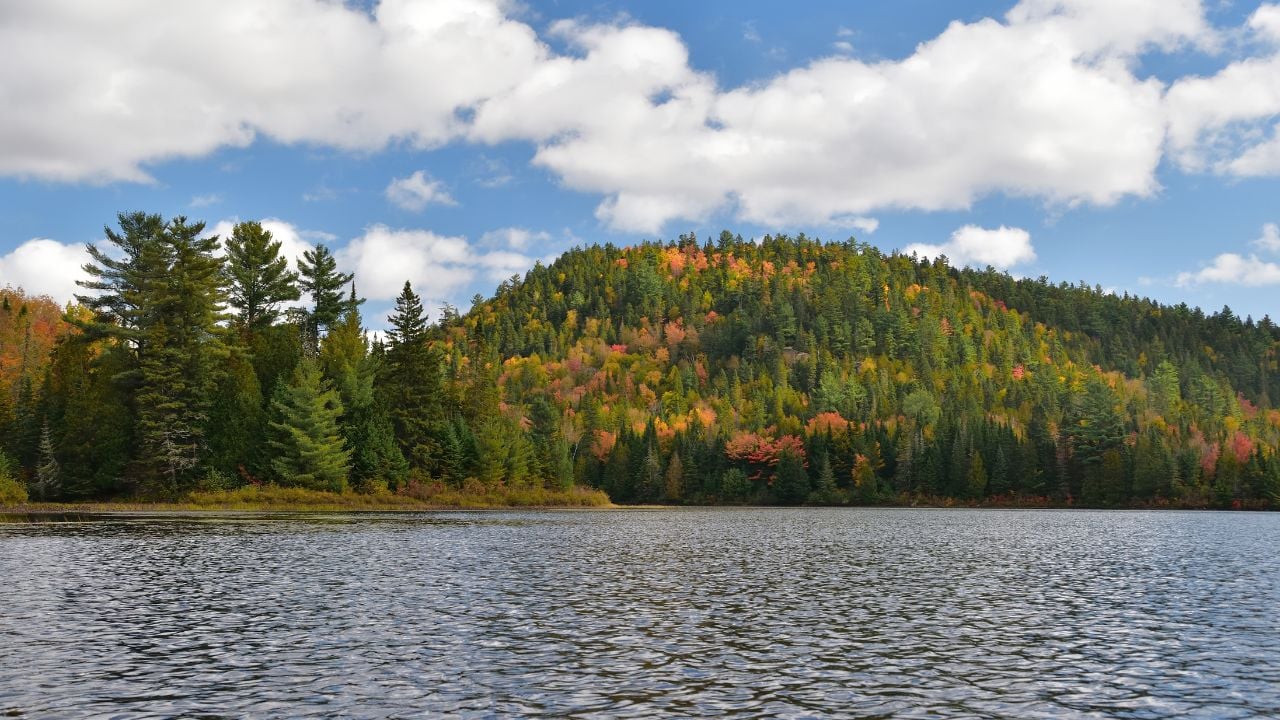
Linked lakes and granite ridges make La Mauricie a strong pick for novice paddlers who want calm water. Canoe-camping routes connect lakes such as Wapizagonke, with options that avoid portaging depending on the plan. A quick rental session still delivers that quiet, glide-along feeling.
Pair a shorter loop walk with a swim to keep the outing balanced. Bug spray matters in midsummer, so pack it and move on with life. Autumn color arrives strong here, making late season a smart bet for a debut visit.
11. Bruce Peninsula, Ontario
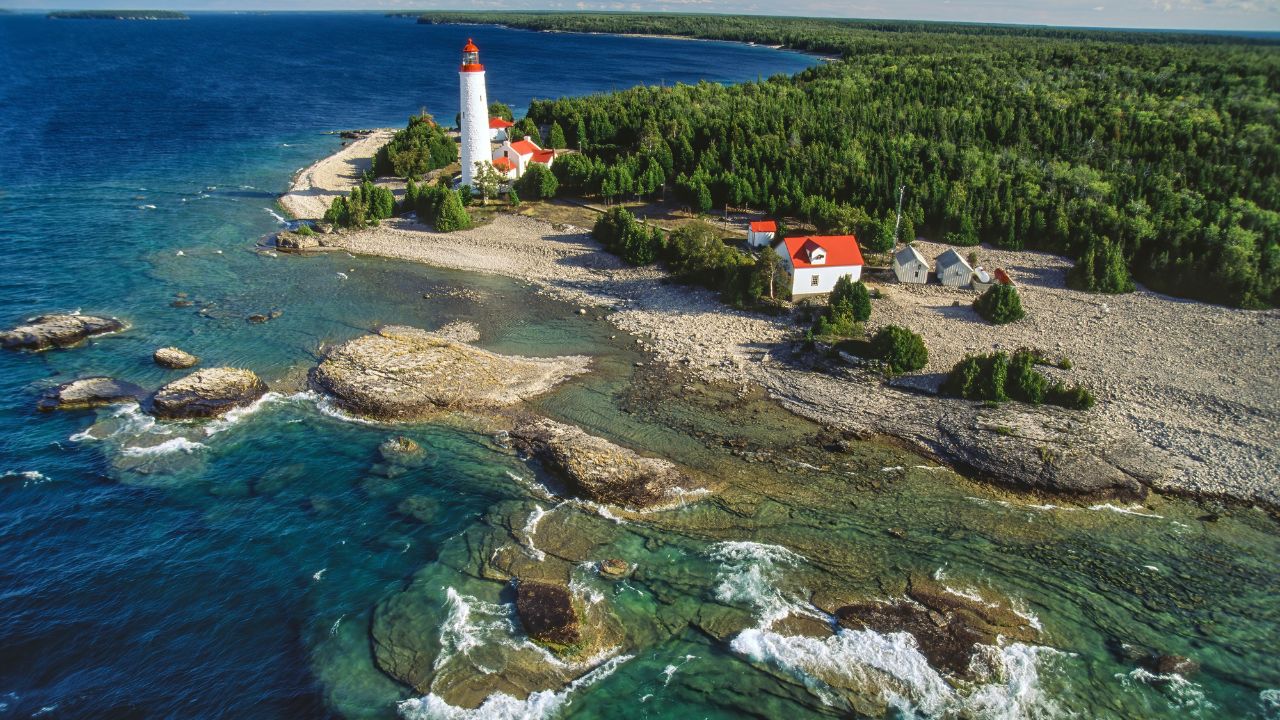
Clear Georgian Bay water and pale limestone bluffs give Bruce Peninsula a surprisingly Mediterranean look in the sun. The Grotto is the headline sea cave, and entry reservations are strongly recommended during peak months. Cyprus Lake Campground provides a practical base close to major trailheads.
Stay on marked paths, as wet limestone turns slick and erosion is a real concern. Shoulder seasons bring cooler air and fewer crowds for hiking. Tobermory boat time nearby rounds out a peninsula weekend.
12. Riding Mountain, Manitoba
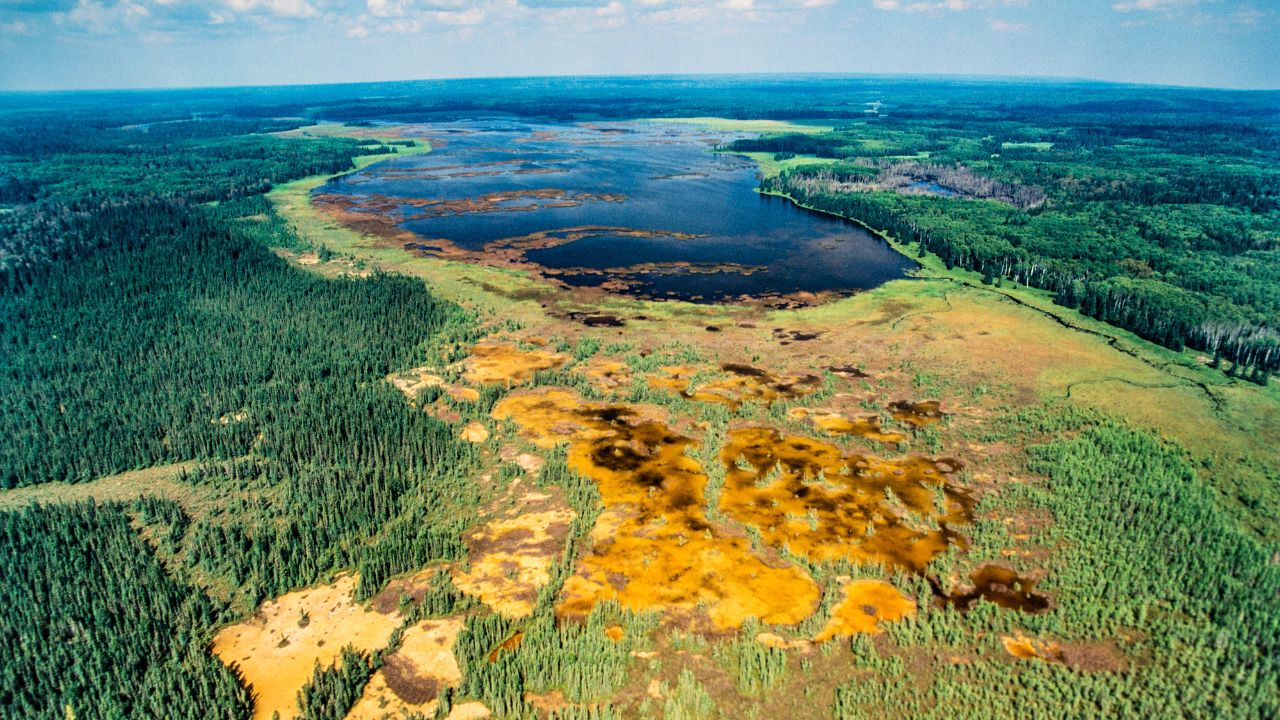
Boreal forest meets prairie inside Riding Mountain, creating a mix of habitats that feels unexpected in the middle of the country. Wasagaming works as a handy hub for shoreline time, gentle walks, and a simple meal plan. Lake Audy’s bison enclosure holds a managed herd of roughly forty plains bison.
Drive the loop roads at dawn or near dusk for better wildlife odds and softer light. Store food properly while camping and follow posted guidance for bears. Add an extra date for a relaxed bike ride or a mellow paddle, then head home rested.