
The Atlantic does not do “subtle.” It delivers salt-scrubbed headlands, quick-changing skies, and the kind of wind that makes you feel pleasantly awake. On the right island, a simple walk becomes the main event, especially when the horizon stays wide and the crowds stay small.
Treat this list like a set of ready-made mini-escapes. Pick one spot, keep transit light, and plan days around a viewpoint, a shoreline ramble, and one warm indoor stop. Weather shifts are part of the charm, so bring layers and let the scenery set the pace.
1. São Miguel (Azores)
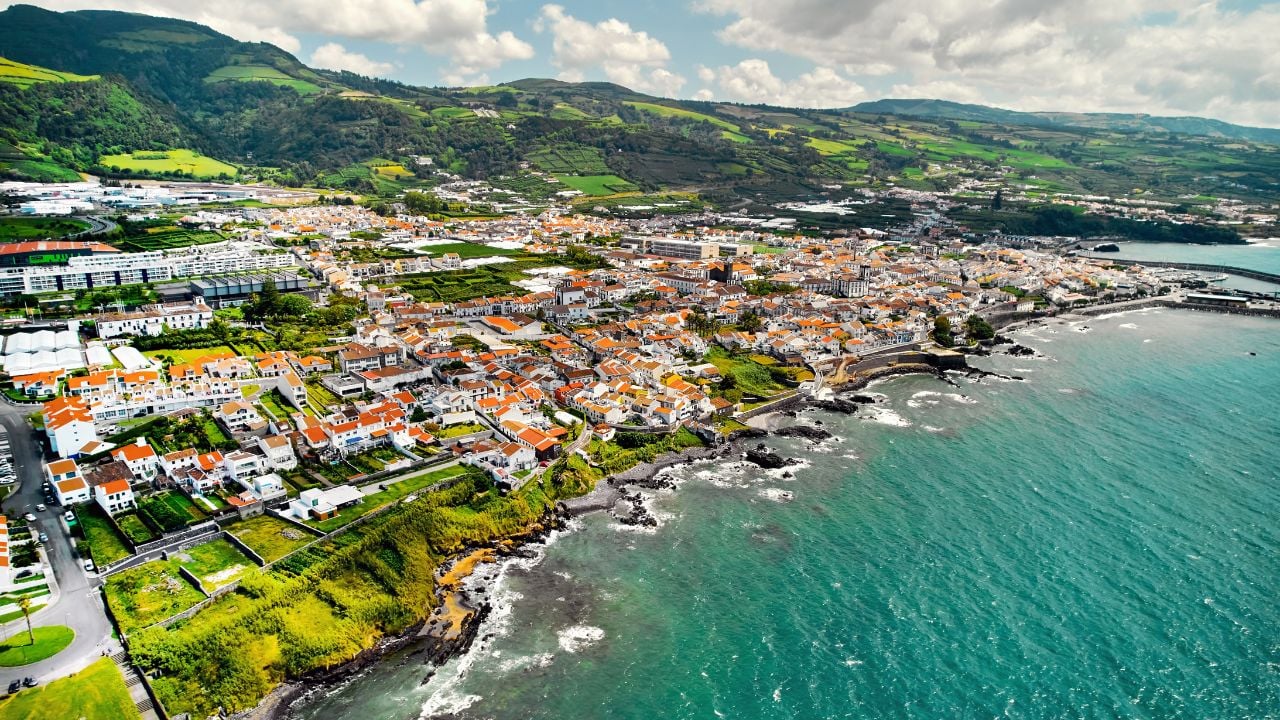
Crater lakes and green hills define São Miguel, with Sete Cidades delivering the famous twin-water view from above. The protected landscape sits on the western side of the island and suits slow viewpoints and short walks. Down in Furnas, sulfur-scented steam and bubbling hot springs hint at the volcanic engine underneath.
Start the morning at a lookout, then drive down for a lakeside loop before the light changes. A soak-style stop around Furnas fits perfectly when the air turns chilly. Keep one evening open for a long dinner, because this place rewards lingering rather than rushing.
2. Pico (Azores)
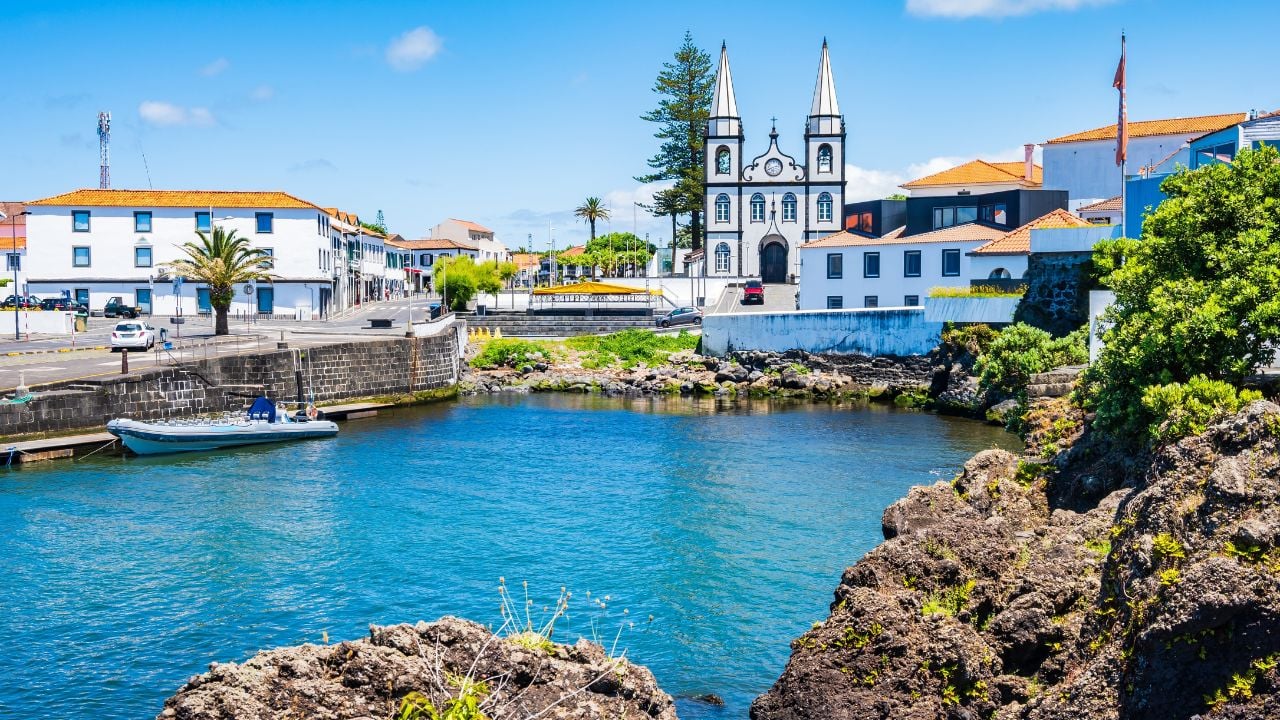
Pico is built around its mountain, a 2,351-meter basaltic stratovolcano that dominates the skyline and defines the island’s mood. In coastal zones, UNESCO recognizes the vineyard culture landscape, where basalt stone walls protect vines from wind and spray. The result feels both wild and carefully crafted by hand.
Book a clear-day climb if you like a challenge, or stick to lower trails for big views with less effort. Wander through the vineyard grids near the shore and notice how the walls shape the land into patterns. End with local wine and a calm walk near the waterline while the peak turns purple in late light.
3. Madeira

Madeira balances steep coastlines with deep green interior slopes, so ocean panoramas are never far away. The Laurisilva of Madeira is a UNESCO World Heritage site and one of the largest surviving areas of laurel forest, which keeps the island feeling lush even when the weather flips. Many classic outings follow levadas, the narrow irrigation channels that double as walking routes through that greenery.
Choose a levada path when you want shade, waterfalls, and a softer kind of fresh air. Save a clifftop viewpoint for later, when clouds often lift and the coastline looks extra sharp. Nights suit simple pleasures: a warm drink, a slow meal, and the sound of wind outside the window.
4. Porto Santo
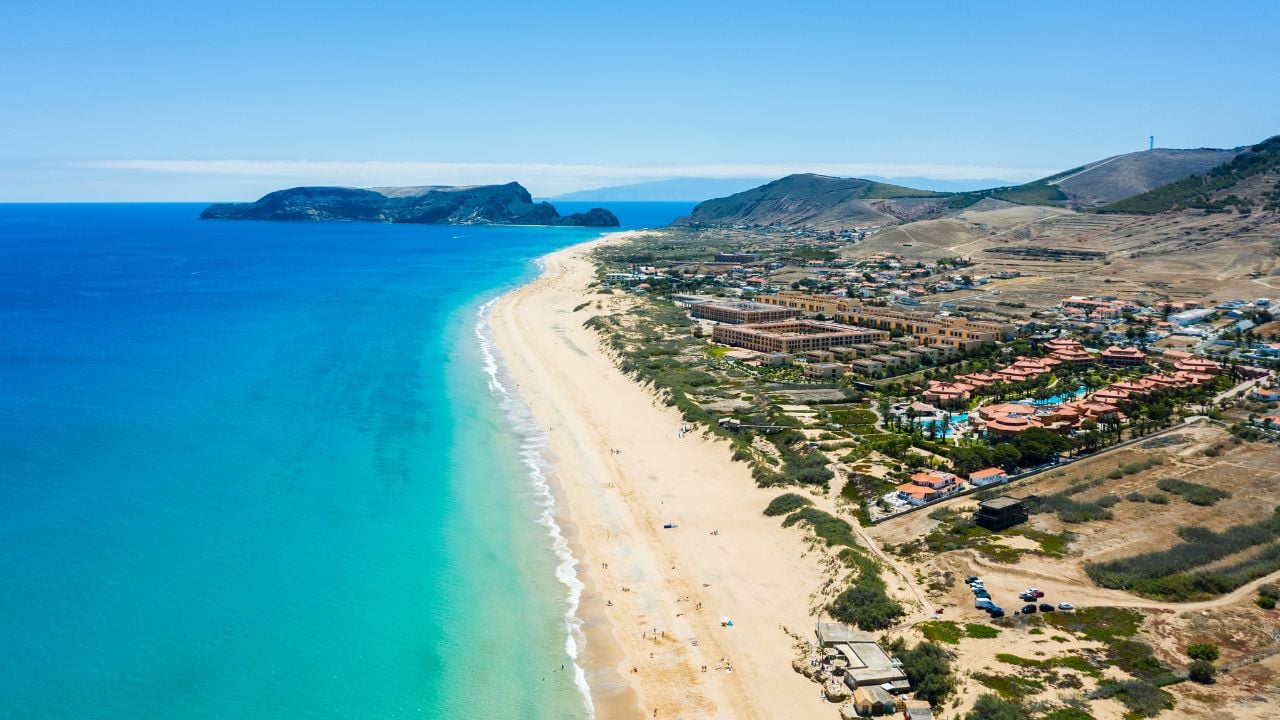
Porto Santo is Madeira’s calmer neighbor, known for a long ribbon of golden sand that stretches about 9 kilometers. Water here often feels gentler than you would expect for the Atlantic, which makes beach walks easy even in cooler months. The vibe is low-key, with plenty of space to breathe.
Walk the shore in the morning while the sand is firm and the light is clean. Midday is perfect for an unhurried lunch, then an afternoon swim if conditions cooperate. After sunset, the island feels wonderfully still, ideal for a reset-style weekend.
5. Lanzarote
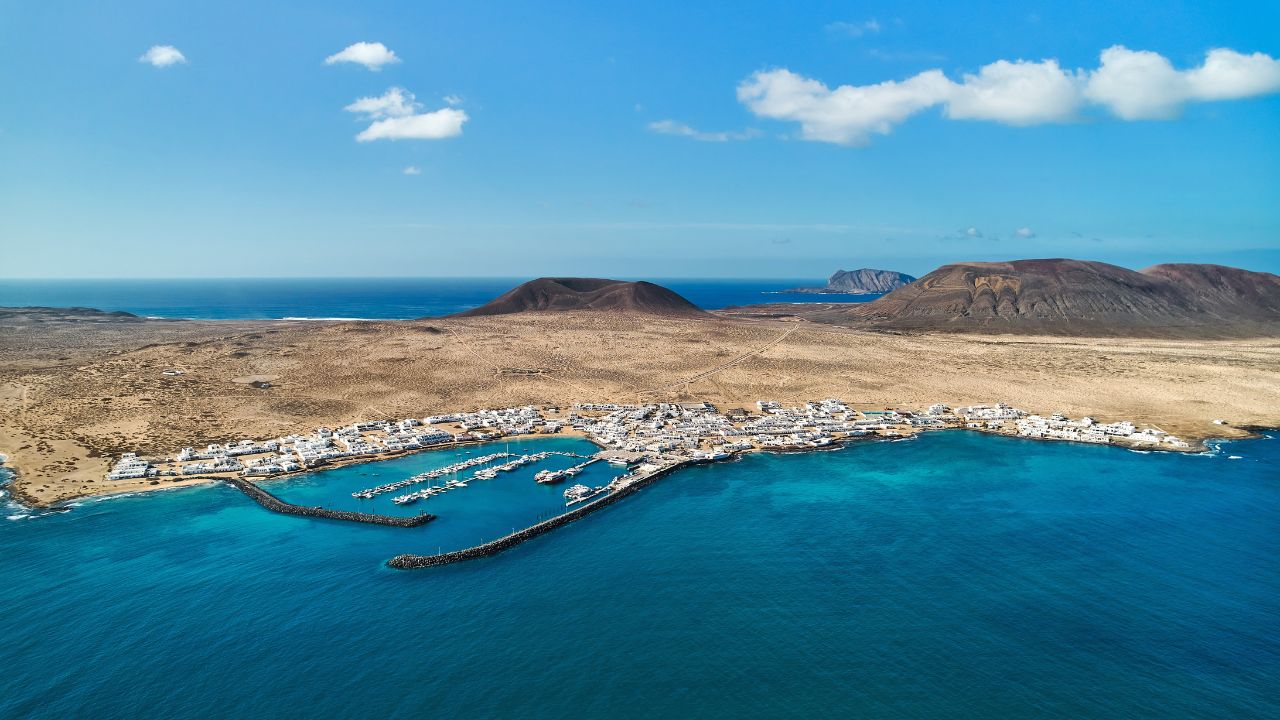
Lanzarote looks like another planet in places, with lava fields, black slopes, and surprising bursts of whitewashed architecture. UNESCO’s Man and the Biosphere Programme lists Lanzarote as a Biosphere Reserve, nominated in 1993, which reflects the island’s ecological and landscape value. That volcanic backdrop makes every coastal lookout feel extra cinematic.
Plan one drive across the interior to see how the land shifts color and texture. Pick a seaside town for dinner, then take a post-meal stroll along a promenade where the surf does the soundtrack work. In windy weather, sheltered coves and short trails keep things comfortable without losing the view.
6. La Gomera
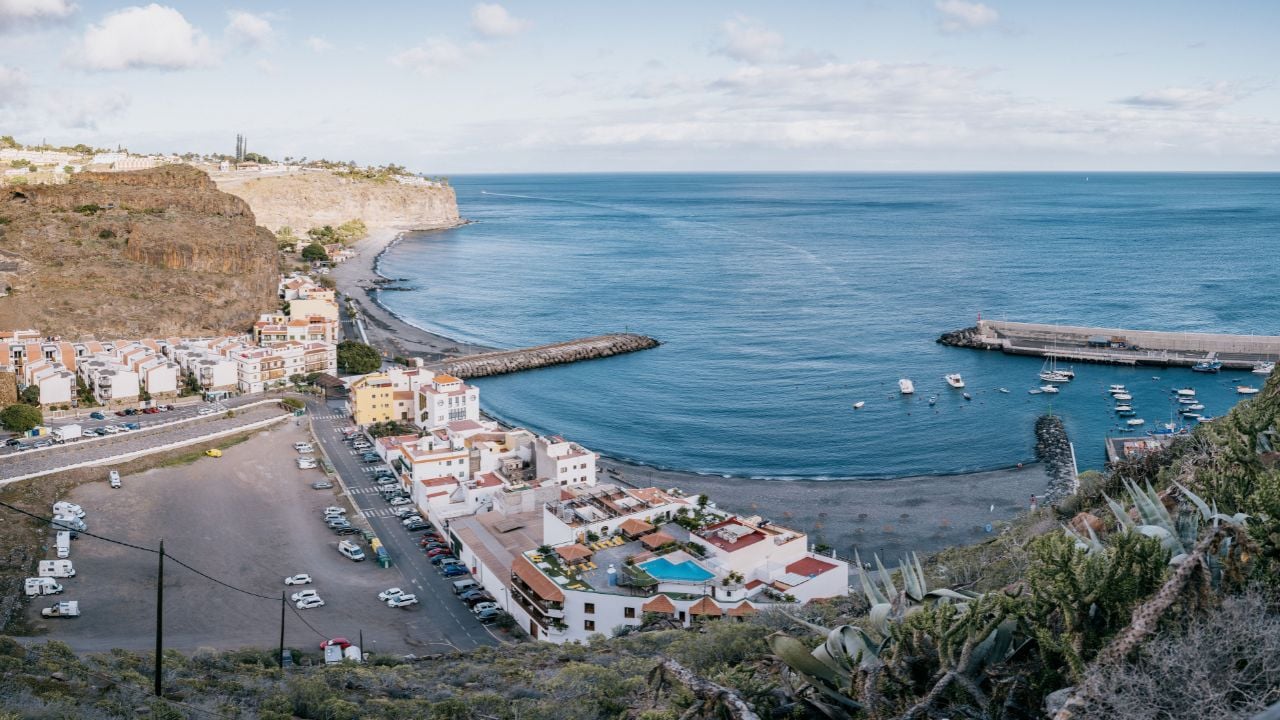
La Gomera has a different personality: deep ravines, quiet roads, and a misty green heart. Garajonay National Park is a UNESCO World Heritage site, protecting laurel forest that thrives on moisture from fog. That cloud-forest feel is rare and oddly soothing.
Start with a short walk under the canopy, then head for a coastal viewpoint to see how quickly the landscape changes. Fog can roll in fast, which is part of the magic, but bring a light jacket even on bright days. Finish with a simple meal and an early night, because the island encourages a slower rhythm.
7. Santo Antão (Cape Verde)
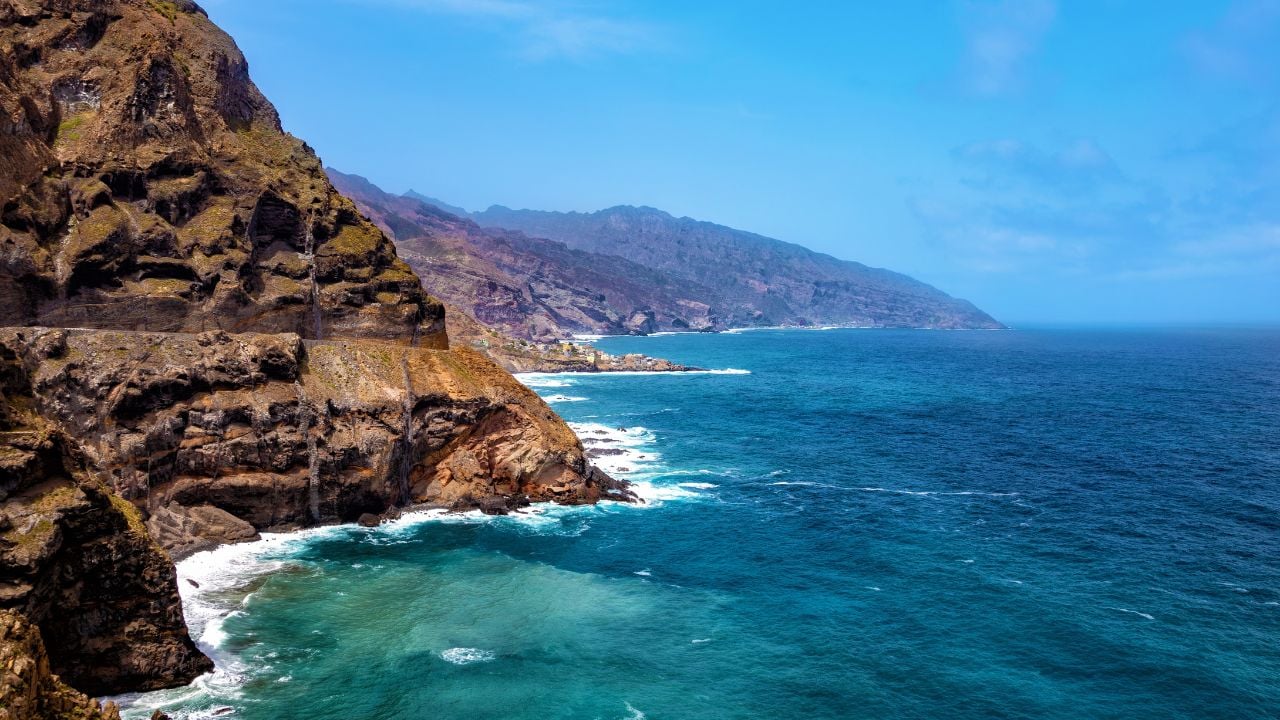
Santo Antão is Cape Verde’s hiking star, with steep ridges dropping into fertile valleys and villages perched in improbably green folds. The official tourism portal highlights routes like the Cova-to-Paul trek, which shows off the island’s dramatic terrain in a single outing. Sea views appear constantly, often from high above the surf.
Pick one signature trail, then keep the rest of the day flexible for roadside viewpoints and slow lunches. Good footwear matters here more than fancy gear because paths can be uneven. After a long walk, a sunset from a terrace feels earned in the best possible way.
8. São Vicente (Cape Verde)
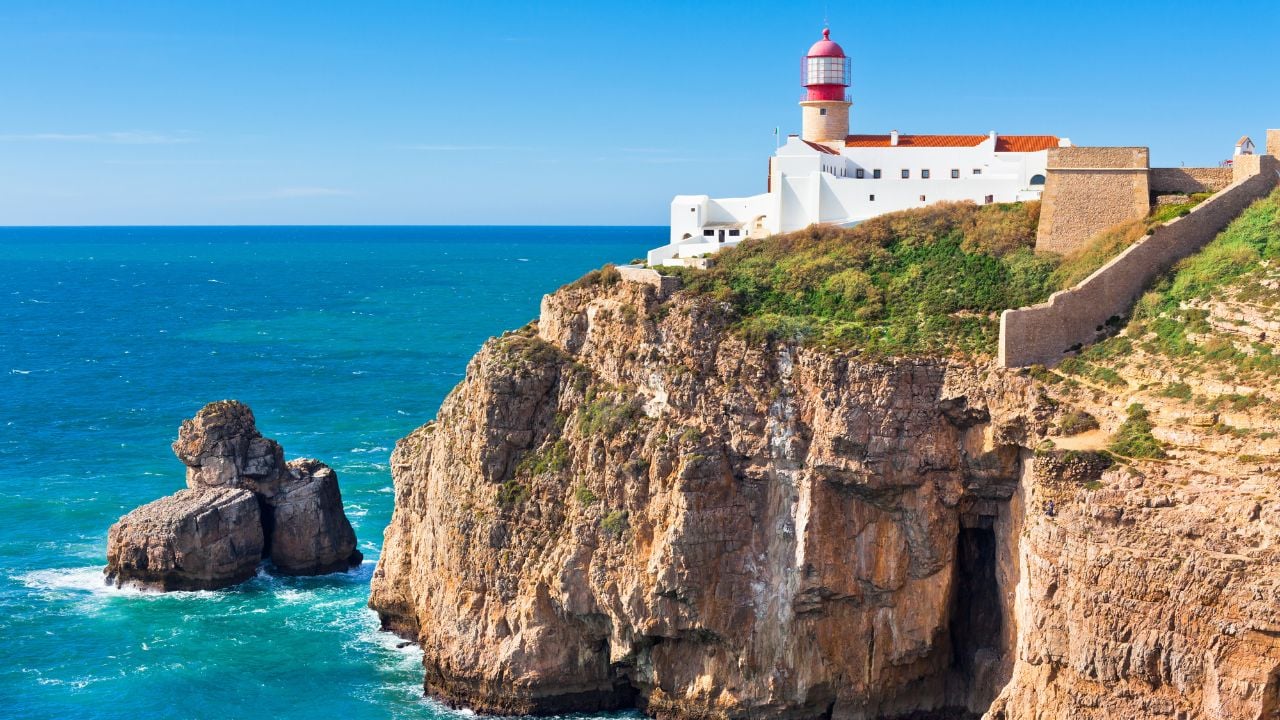
São Vicente adds a cultural pulse to the Atlantic mix, anchored by Mindelo and its music-first identity. The official tourism portal points visitors toward beaches like Laginha and the Monte Verde walk for sweeping views over sea and town. Breezes stay steady, which keeps the air feeling crisp even in warm seasons.
Spend late afternoon on the waterfront, then follow the sound of live music after dark. A simple island loop by car can fit into half a day, leaving time for long meals and cafe stops. When you wake up early, the harbor light makes the whole scene feel calm and cinematic.
9. Bermuda

Bermuda is famous for pink sand and clear water, and Horseshoe Bay is often singled out as a signature beach. History fans get a bonus: UNESCO lists the Historic Town of St. George and related fortifications, founded in 1612, as a World Heritage Site. That mix of coastline and heritage makes days feel full without feeling busy.
Start with a beach walk, then pivot to St. George for a slower afternoon among streets and forts. Snorkeling conditions can be excellent, but even staying dry is rewarding when the water color looks unreal. Close the day with a sunset spot and let the warm air do the rest.
10. Iceland
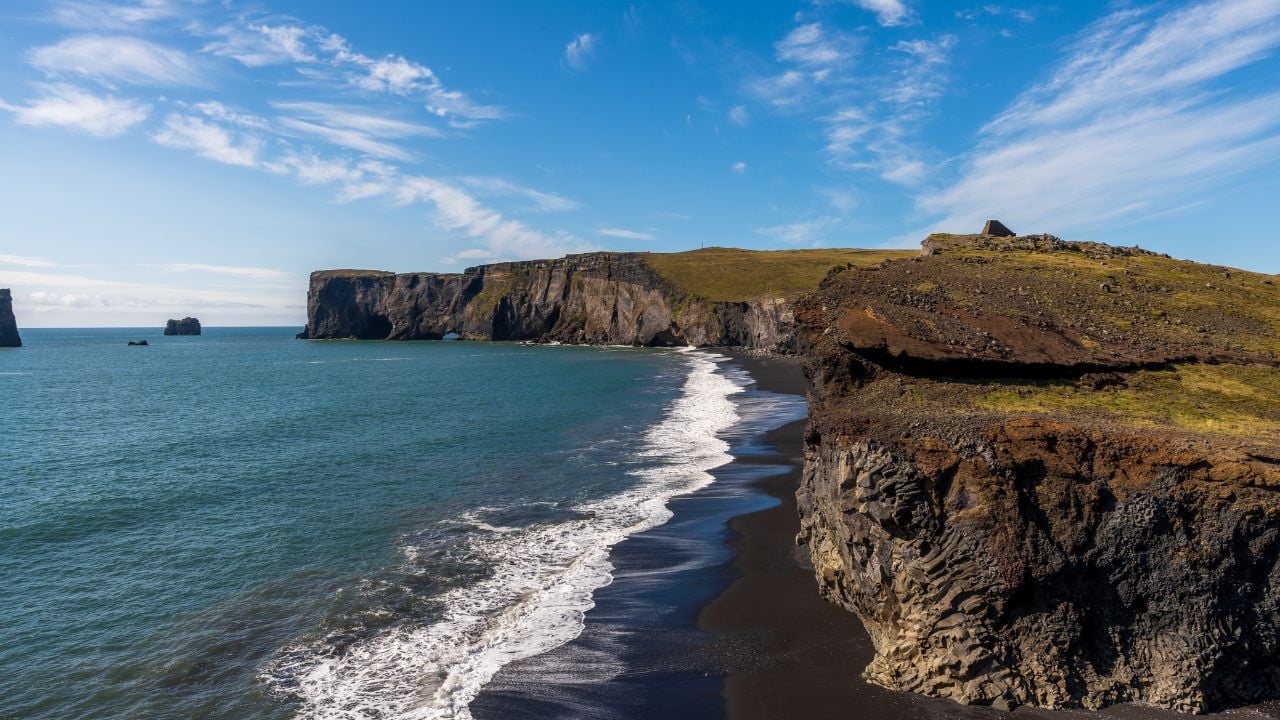
Iceland delivers raw Atlantic energy, from surf-battered beaches to cliff-edged viewpoints. Þingvellir National Park is a UNESCO World Heritage site, noted for dramatic fissures and cliffs that demonstrate intercontinental drifting in a clear, visible way. When you want ocean drama, Reynisfjara’s black sand and powerful waves make the point fast.
Build your day around one region, because distances can stretch, especially in winter. Stay cautious near surf, since sneaker waves are a real hazard on the south coast. Then reward yourself with a hot meal and a long soak-style evening, because cold air and warm water are an unbeatable pairing.
11. Isle of Lewis and Harris (Outer Hebrides)
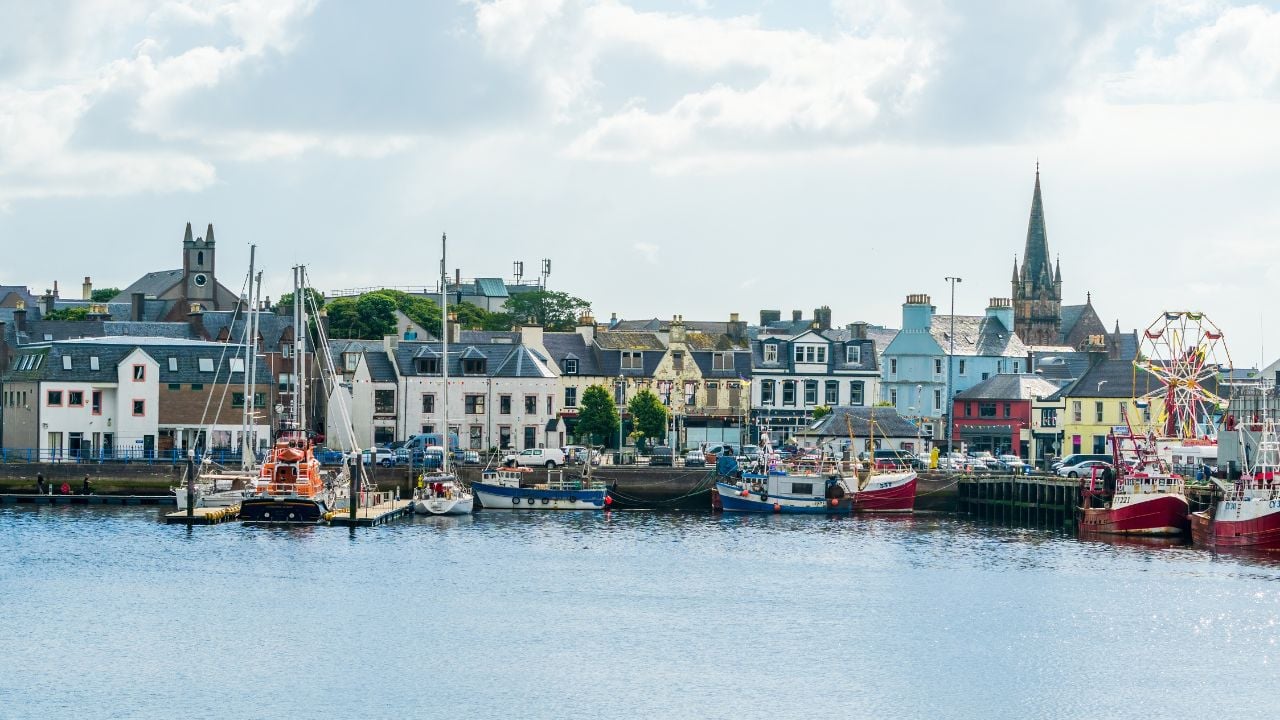
Lewis and Harris share one landmass in the Outer Hebrides, with huge beaches and a constant sense of open space. VisitScotland places Luskentyre Sands on South Harris’s west coast and calls it one of the largest and most spectacular beaches on Harris, with miles of pale sand and green-blue water. Over on Lewis, the Calanais Standing Stones form a cross-shaped setting erected about 5,000 years ago, which adds a prehistoric edge to the sea air.
Aim for a clear forecast, then chase light across the dunes and shoreline. Slip inland for the stones when the wind gets sharp, because the atmosphere stays powerful in any weather. End the day with a quiet pub meal and the kind of sleep that only comes from salt air and long walks.