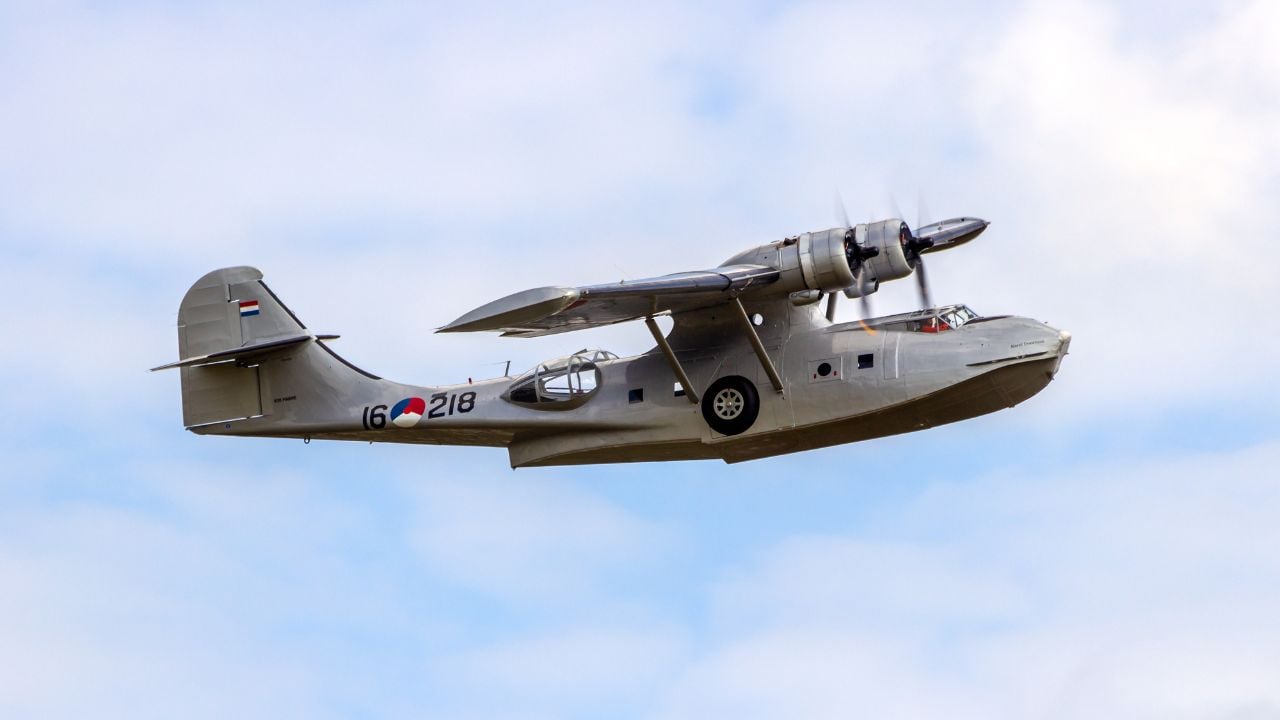
World War II aircraft were built for urgent problems, not museum floors. They had to move troops, hunt submarines, train pilots, carry bombs, cross oceans, survive bad weather, and keep flying when maintenance crews were tired, cold, and short on time.
When the war ended, many combat aircraft aged almost overnight. Jet fighters were arriving, bombers were getting larger, radar was improving, and air forces were reorganizing for a very different world.
The most useful aircraft did not vanish quickly. Transport planes kept carrying people and cargo. Trainers kept preparing new pilots. Patrol aircraft moved into search and rescue. Bombers became maritime patrol aircraft, survey platforms, reconnaissance machines, and Cold War workhorses.
These ten aircraft stayed relevant because their basic designs still solved real problems after the fighting stopped. They were not always glamorous in their second lives, but air forces kept using them because newer aircraft could not replace every job overnight.
Douglas C-47 Skytrain
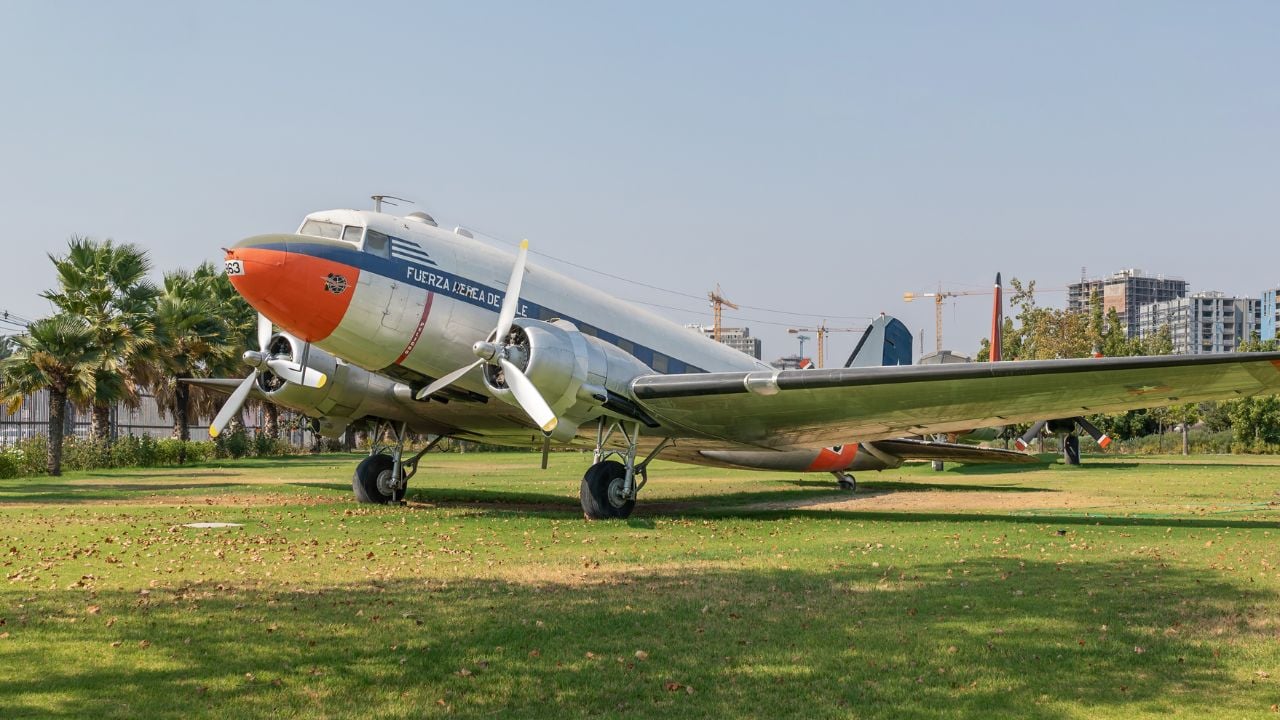
The Douglas C-47 Skytrain may be the clearest example of a World War II aircraft that became too useful to retire quickly. Built from the civilian DC-3 airliner, it hauled paratroopers, cargo, stretchers, mail, fuel, and equipment across nearly every Allied theater.
Its postwar career was just as important. The National Museum of the U.S. Air Force notes that many C-47s remained in U.S. Air Force service after World War II, flew during the Berlin Airlift, then served again in Korea. In Southeast Asia, the same basic aircraft handled transport work, reconnaissance, psychological warfare, and gunship missions.
The C-47 lasted because it was simple, rugged, forgiving, and useful almost anywhere with a rough airstrip. It did not need jet speed to remain valuable. It needed to start, lift a useful load, land where larger aircraft could not, and keep working. Few aircraft ever did that better.
Consolidated PBY Catalina
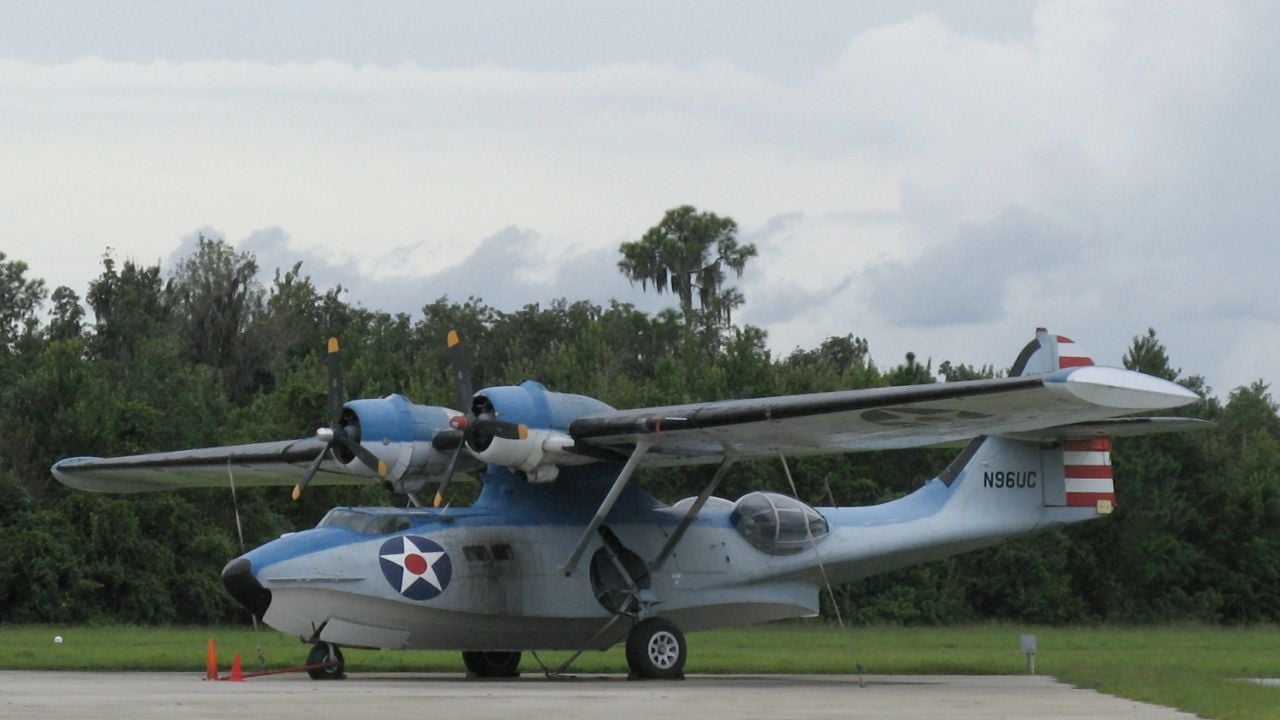
The Consolidated PBY Catalina was already old-fashioned by the end of World War II, but its mission profile aged well. It could patrol wide ocean areas, land on water, search for survivors, and operate from places that normal landplanes could not use.
The U.S. Navy retired many Catalinas after the war, but amphibious PBY-6A aircraft remained useful in reserve and search-and-rescue work for years. The last Catalina in active U.S. Navy service was a PBY-6A with a Naval Reserve squadron, retired in January 1957.
The Catalina’s long life came from patience and endurance. It was slow, but slow was acceptable for search and rescue, maritime patrol, observation, and remote utility work. Its ability to remain over water for long periods gave it a second life when faster aircraft still lacked the same flexibility. Those same qualities later made Catalinas valuable in civilian firefighting, exploration, and remote operations.
Douglas C-54 Skymaster
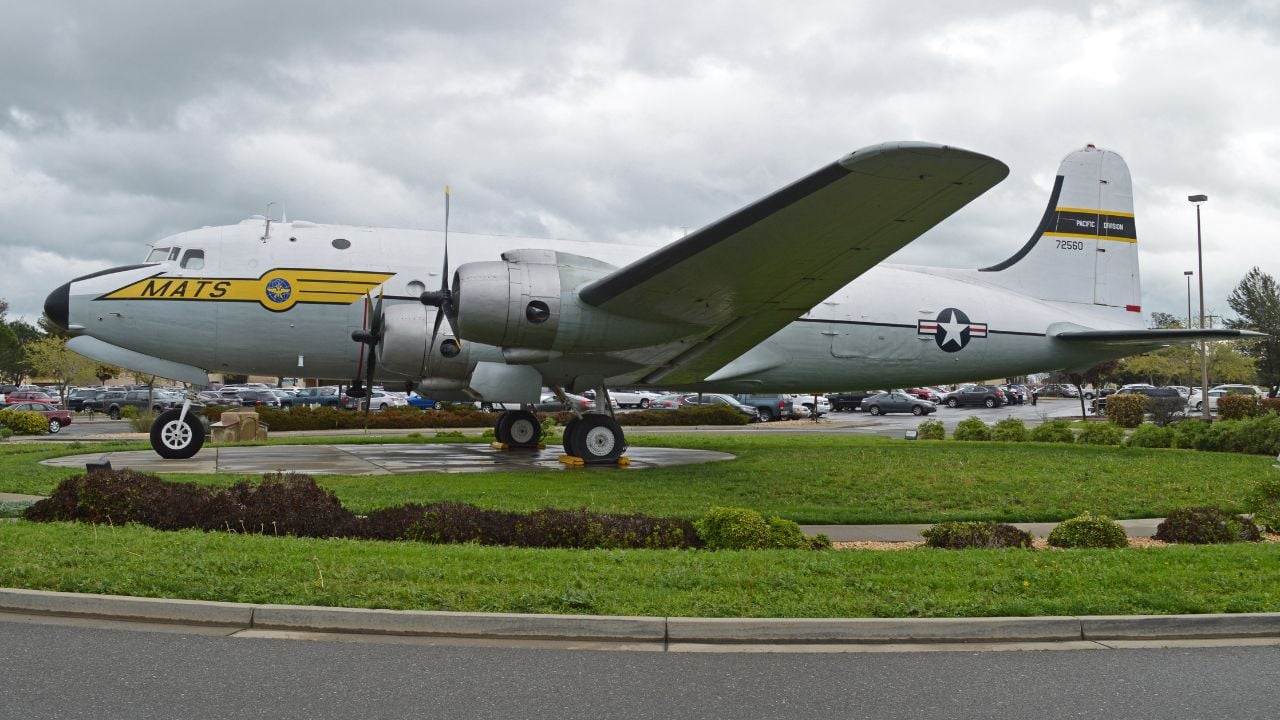
The Douglas C-54 Skymaster showed how a World War II transport could become even more important after the war. As the military version of the DC-4, it gave the United States a four-engine airlifter with range, payload, and reliability that proved vital in the early Cold War.
Its defining postwar mission was the Berlin Airlift. The Air Mobility Command Museum says every C-54 the USAF had was pressed into service in 1948 to supply isolated West Berlin. Many C-54s were later converted into litter-carrying aircraft during the Korean War, helping return 66,000 patients to the United States.
The Skymaster endured because it occupied a practical middle ground. It had more reach and capacity than a twin-engine transport, yet it was mature enough for large-scale operations. For air forces learning how much strategy depended on logistics, the C-54 remained too valuable to park quickly.
North American P-51 Mustang
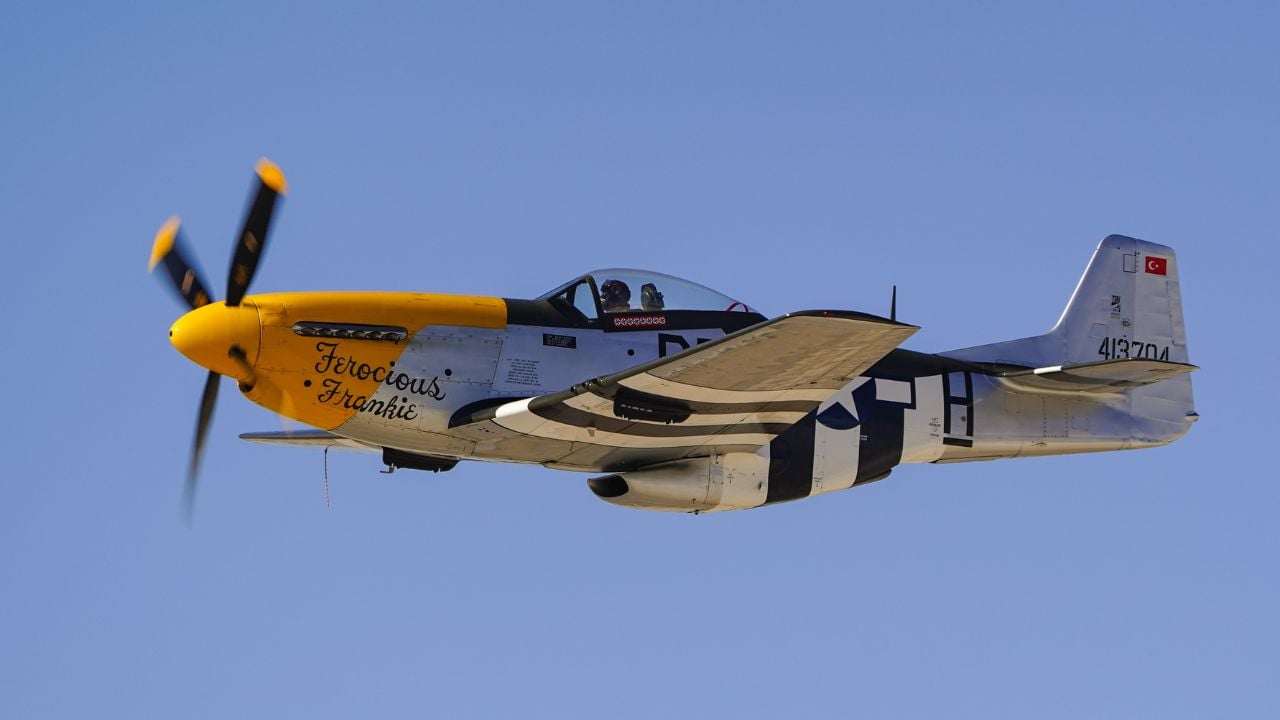
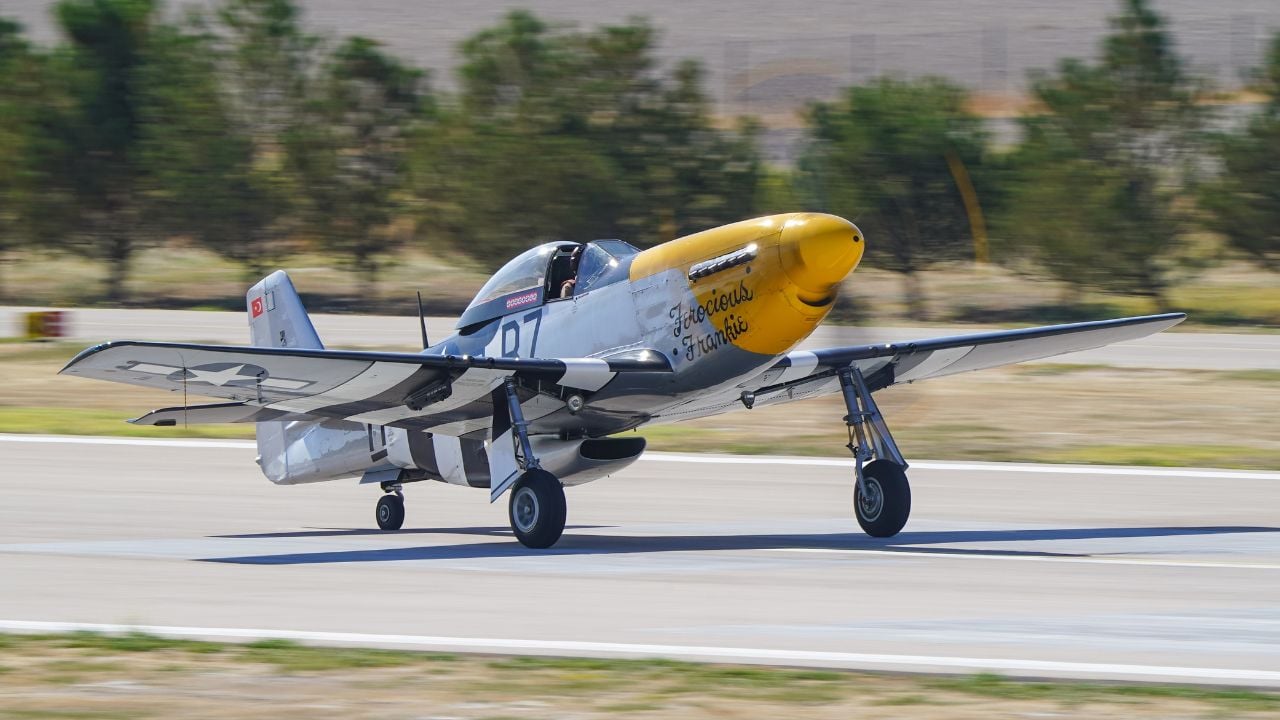
The North American P-51 Mustang ended World War II as one of the finest piston-engine fighters ever built. Jet aircraft quickly pushed it out of the top fighter role, but the Mustang still had speed, range, reliability, and excellent low-level performance.
The National Museum of the U.S. Air Force notes that Mustangs continued in service with the newly formed USAF and many other nations after the war, then moved into secondary roles as jets took over. At the beginning of the Korean War, the U.S. also supplied F-51 Mustangs to the Republic of Korea Air Force under the “Bout One” program.
The Mustang stayed useful by shifting roles. It no longer needed to dominate high-altitude air combat. It could attack ground targets, train pilots, support smaller air forces, and operate from airfields where early jets were less practical. That adaptability kept the Mustang in uniform long after victory parades ended.
Curtiss C-46 Commando
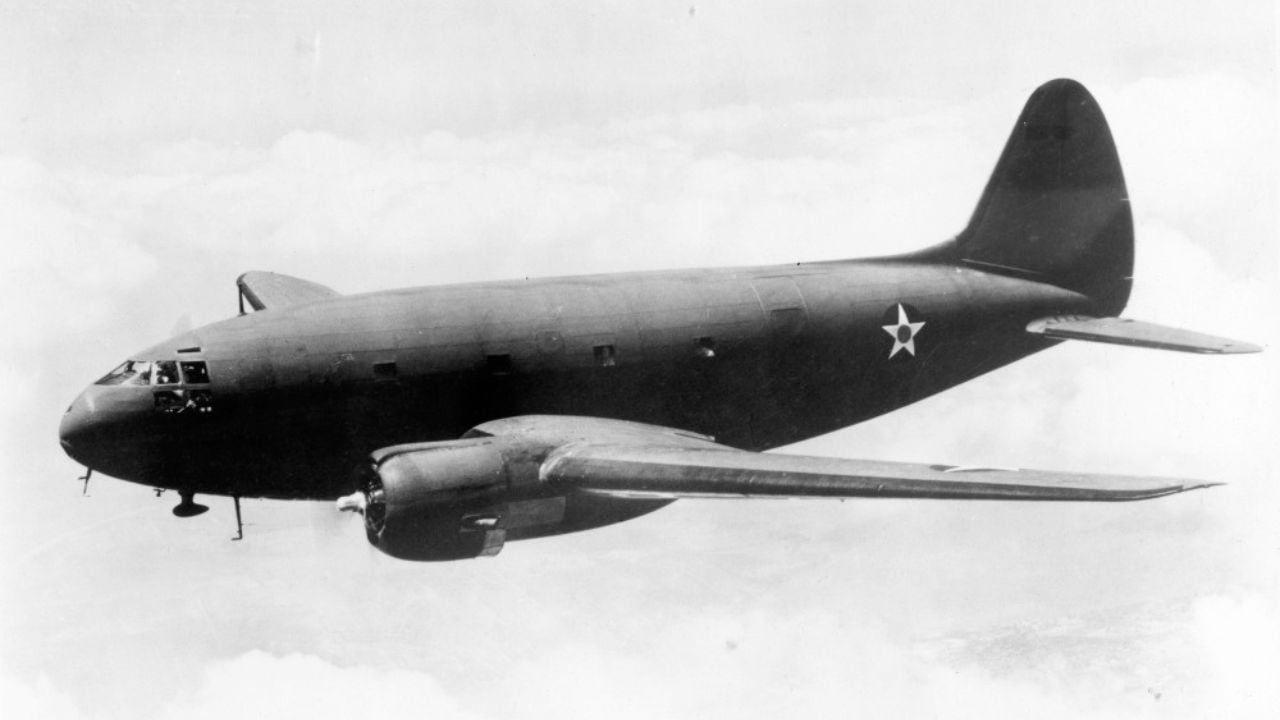
The Curtiss C-46 Commando never became as famous as the C-47, but its usefulness was hard to ignore. It was larger, more powerful, and especially valuable in the China-Burma-India theater, where high terrain and heavy cargo loads punished smaller transports.
The National Museum of the U.S. Air Force says C-46s saw additional service during the Korean War, and the museum’s displayed C-46D was retired from USAF service in Panama in 1968. The Museum of Aviation also notes that the C-46 carried more cargo than the C-47 and offered better high-altitude performance, though it demanded extensive maintenance under difficult conditions.
The C-46 stayed relevant through brute utility. It could move engines, ammunition, supplies, troops, and equipment across hard routes with fewer infrastructure demands than larger transports. It was not beloved for elegance. It was valued because difficult cargo jobs kept finding it.
Vought F4U Corsair
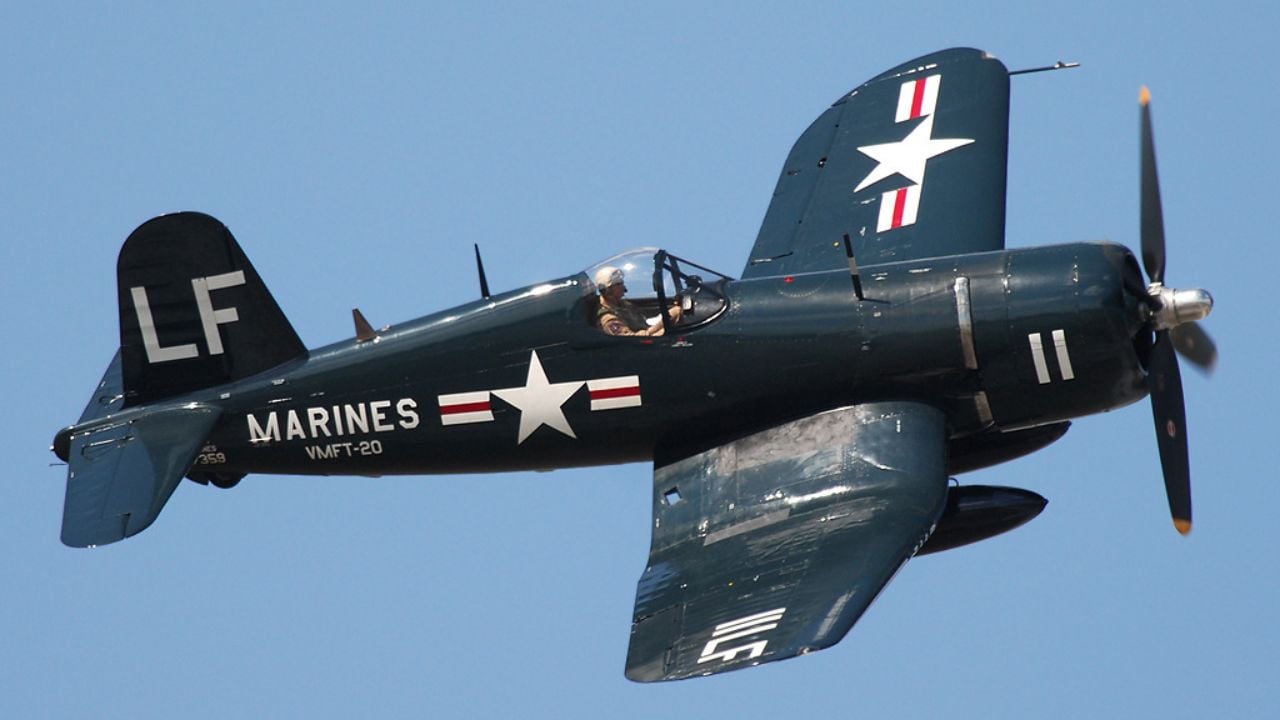
The Vought F4U Corsair had the speed, range, rugged construction, and weapons capacity to survive the transition from World War II into the jet age better than many piston fighters. Its bent-wing shape became famous in the Pacific, but its postwar career confirmed how useful the design remained.
Corsairs were still flying combat with U.S. Navy and Marine squadrons during the Korean War, where they proved valuable in close air support and ground attack. The Corsair also served with the French Navy in Indochina, extending its combat story beyond U.S. service.
The Corsair endured because it could carry meaningful ordnance from carriers and rough bases, absorb punishment, and work close to troops on the ground. Jets were faster, but early jets were thirsty and demanding. For low-altitude attack work, the Corsair still had real value.
Douglas A-26 Invader
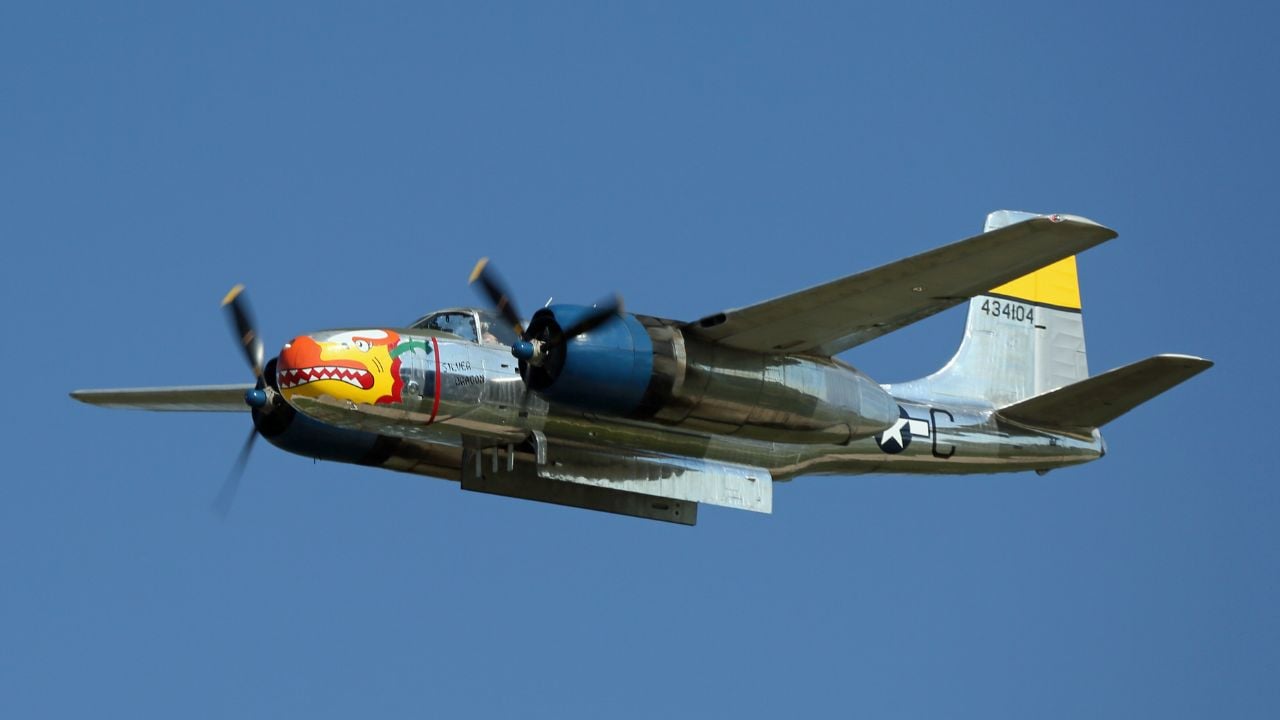
The Douglas A-26 Invader was one of the last American twin-engine attack bombers of World War II, and its speed, payload, and strong airframe gave it an unusually long combat life. It entered service late in the war, then kept finding new missions as the Cold War changed.
The broader Invader family was redesignated B-26 in 1948, after the earlier Martin B-26 Marauder was out of the picture, which can make the naming confusing. The National Museum of the U.S. Air Force identifies the later B-26K Counter Invader as a highly modified version of the World War II Douglas A-26 Invader, later used in Southeast Asia.
The Invader remained useful because it filled a gap between heavy bombers and fighter-bombers. It could carry a serious load, fly low, hit hard, and use airfields that did not require the support demanded by more complex jets. By Vietnam, the B-26K was heavily updated, but the original World War II bones still carried the mission.
Avro Lancaster
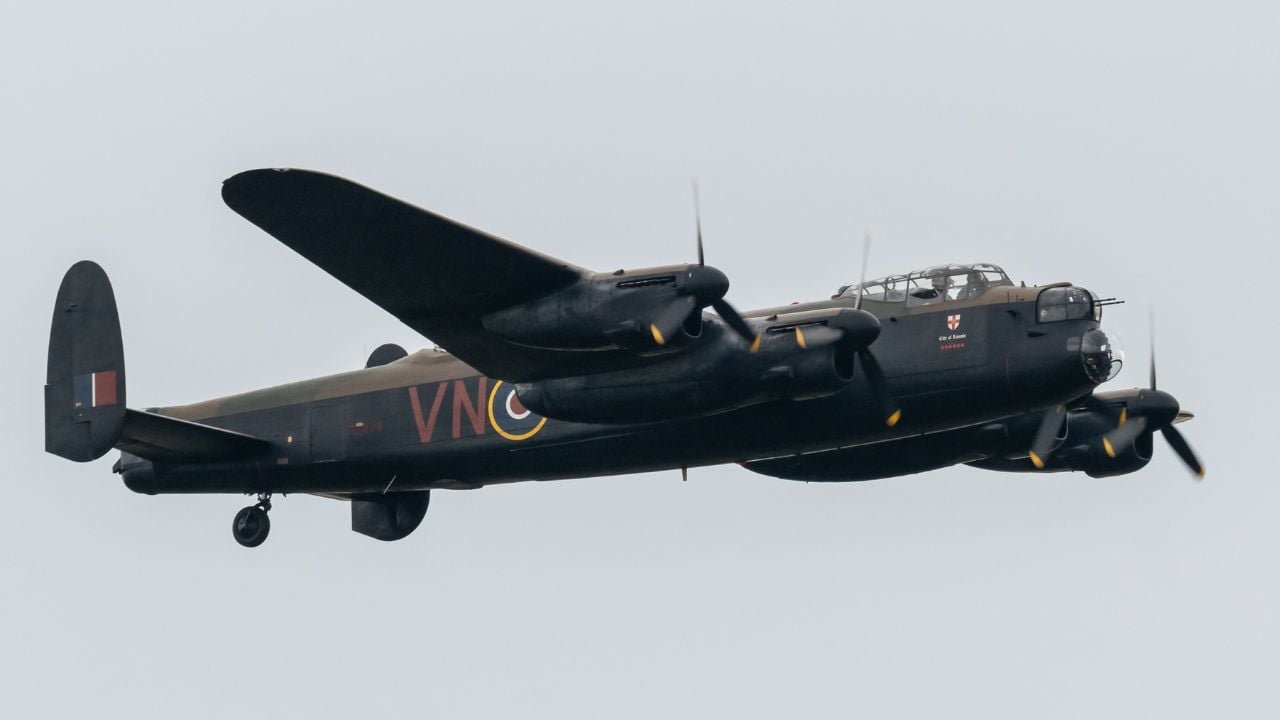
The Avro Lancaster became famous as a heavy bomber over Europe, yet Canada showed how much life remained in the airframe after the bombing war ended. Its range, payload capacity, strong structure, and available internal volume made it suitable for roles far removed from night bombing.
The Canada Aviation and Space Museum says the Lancaster remained in RCAF service until 1965 for maritime patrol, photo survey, search and rescue, and navigator training. Those missions demanded endurance, crew space, and load-carrying ability more than wartime bombing performance.
The Lancaster endured by becoming a patrol and survey aircraft. It could carry sensors, crew, fuel, and equipment over long distances, especially across Canada’s vast maritime and northern regions. The bomber’s wartime strength became peacetime usefulness.
North American T-6 Texan
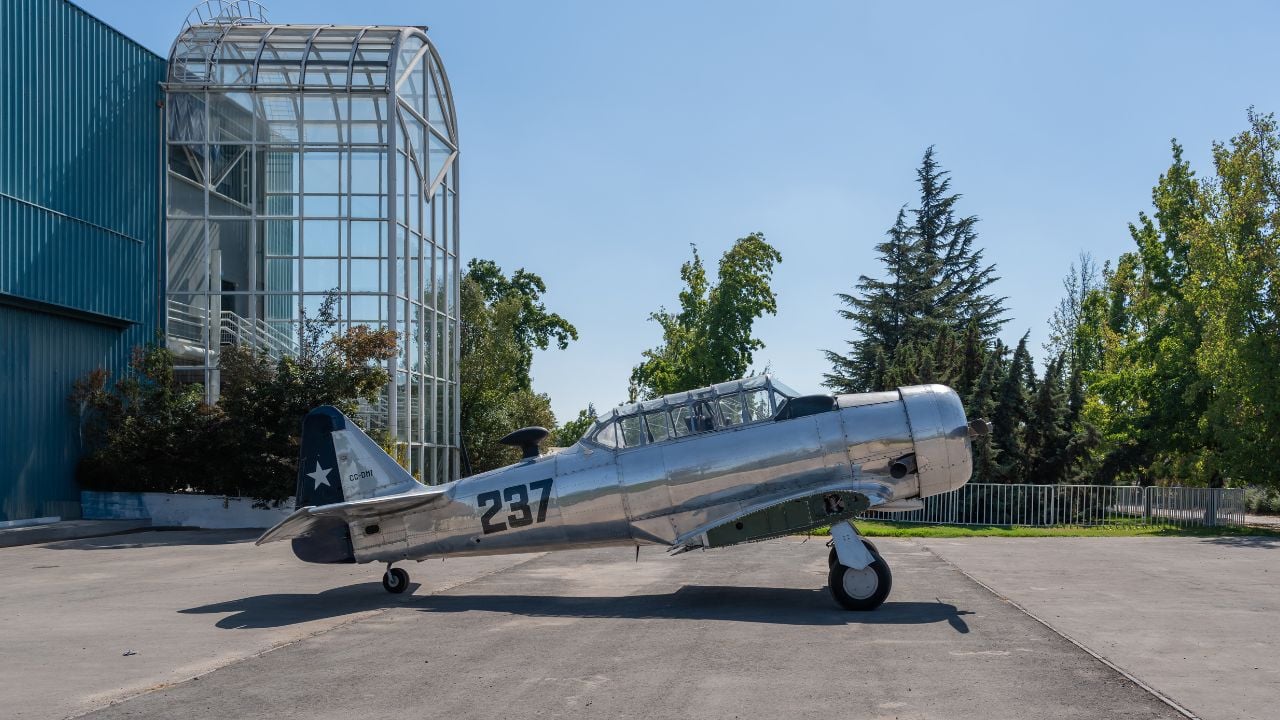
The North American T-6 Texan, known as the Harvard in Commonwealth service, stayed useful because pilot training never stopped. Fighters changed quickly after World War II, but air forces still needed an advanced trainer that could teach discipline, engine management, aerobatics, formation flying, and basic combat handling.
The National Museum of the U.S. Air Force says the T-6 was the sole single-engine advanced trainer for the USAAF during World War II, with 15,495 built between 1938 and 1945, and that it continued to train pilots in the newly formed USAF.
The T-6 had the right amount of challenge. It was demanding enough to prepare pilots for more serious aircraft, yet forgiving enough for training. That balance kept it in service with air forces around the world long after front-line World War II fighters disappeared.
Grumman TBM Avenger
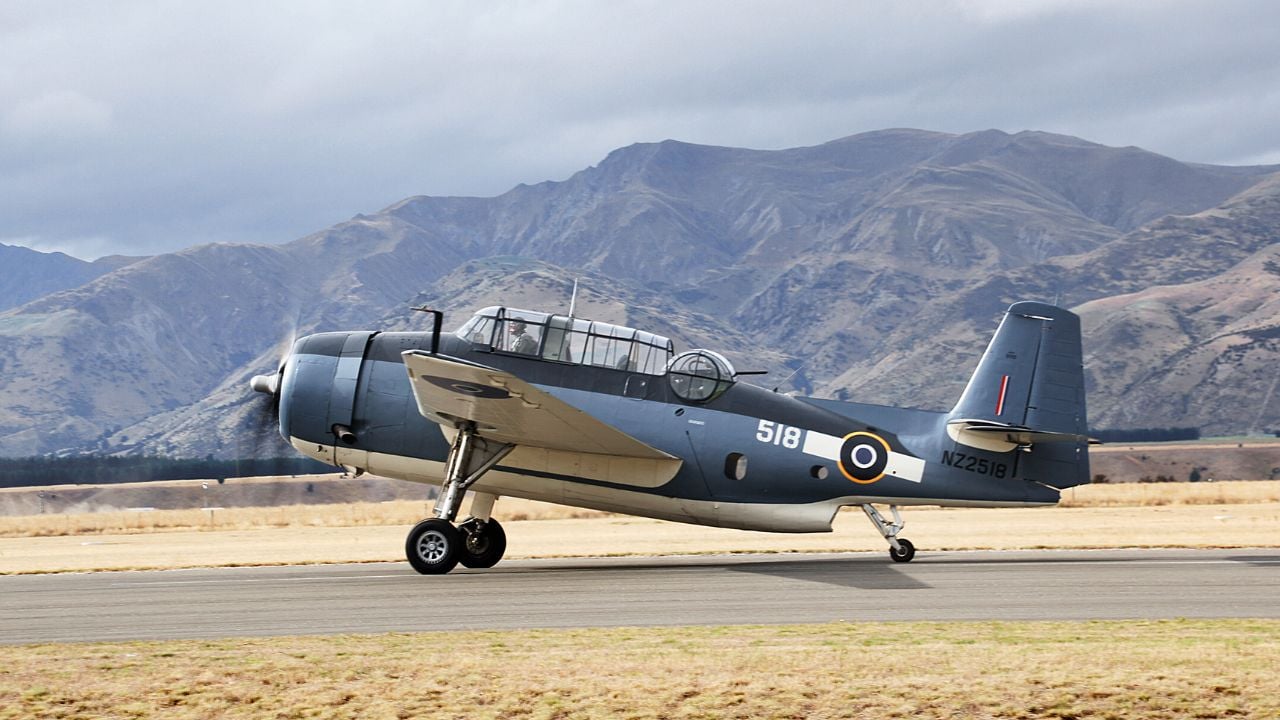
The Grumman TBM Avenger was built as a carrier-based torpedo bomber, but its size, range, payload, and ruggedness made it useful after torpedo bombing faded. It could carry sensors, crew, fuel, and equipment for maritime work, then later found civilian use in firefighting and spraying.
The Avenger continued in naval service after World War II, including Canadian anti-submarine use into the late 1950s. Canadian Warplane Heritage Museum records that its TBM-3E served with the U.S. Navy until the early 1950s, then worked as a fire bomber in California and later in New Brunswick.
The Avenger remained valuable because it had space and strength. A carrier aircraft built to haul a torpedo could be adapted for anti-submarine work, training, utility service, and later civilian load carrying. It was not sleek by postwar standards, but its usefulness survived the end of its original mission.
Why The Most Useful Aircraft Outlived Their War
The World War II aircraft that stayed in service shared one trait: they solved practical problems better than newer replacements could at the time. The C-47, C-46, and C-54 kept air routes alive. The Catalina searched oceans and remote coastlines. The Mustang and Corsair shifted into secondary combat roles. The Invader found new strike missions. The Lancaster became a patrol, survey, and rescue platform. The T-6 kept teaching pilots. The Avenger turned its size and strength into maritime and utility value.
Their long service lives were not accidents. They came from strong structures, forgiving handling, simple maintenance, available parts, and designs that could accept new missions without needing complete reinvention.
Fast aircraft often become obsolete quickly. Useful aircraft can age differently. When a machine can carry cargo, train pilots, patrol seas, rescue survivors, or support troops at a cost air forces can accept, retirement becomes much harder.
That is why these World War II aircraft stayed relevant after the war that created them. They were built for emergency, then kept flying because peace and the Cold War still needed practical machines.