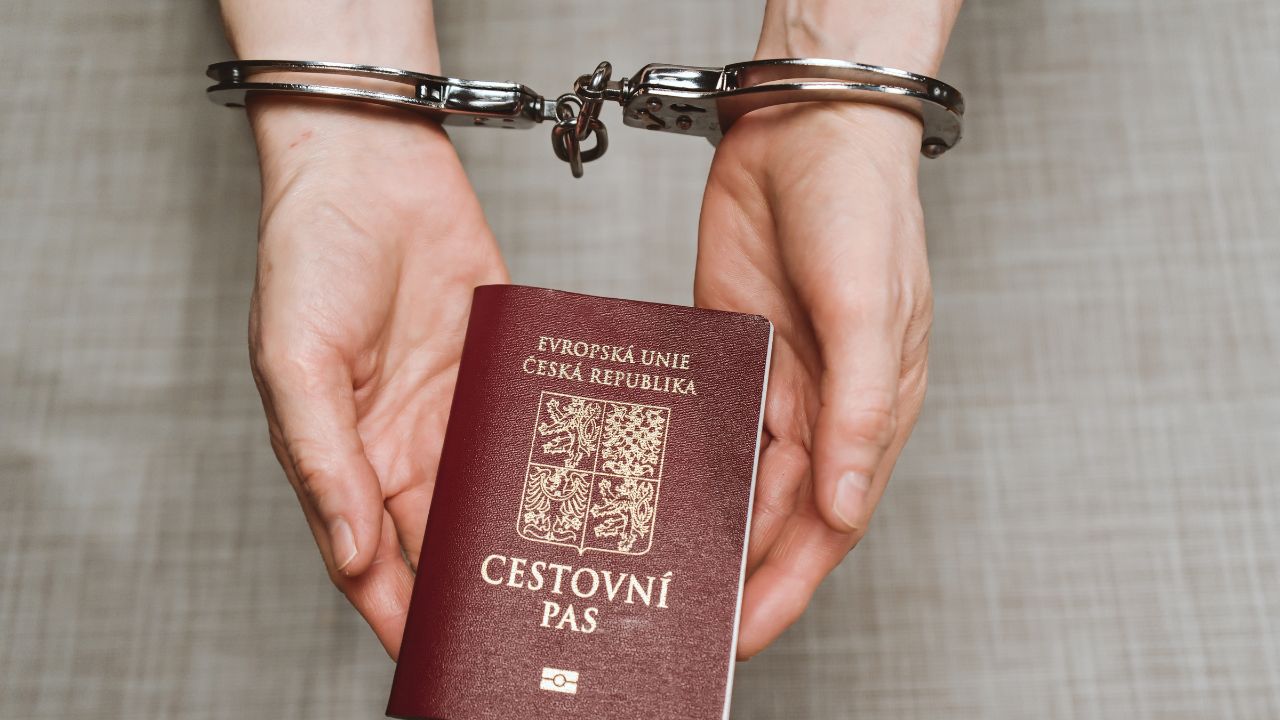
One wrong turn on vacation can turn into the nightmare scenario: a police station, your passport taken, a language barrier, and a legal system that doesn’t work like home. In plenty of countries, the “small stuff” that tourists shrug off—an edible, a vape, a rude gesture, a selfie in the wrong place, the wrong medicine in your bag—can escalate fast.
Not legal advice. Laws change, enforcement varies by city and situation, and “I didn’t know” usually doesn’t help. The goal here is simple: know the traps that catch tourists and avoid them.
One reason this topic matters: drug-related trouble is a major driver of overseas arrests. UK charity Prisoners Abroad has reported that drug-related arrests make up about a third of the people they support, and in a newer update they say 54% of new cases they’re seeing are drug-related.
Singapore

Singapore is famously orderly—and it expects visitors to play by the rules. Drugs are the headline risk: penalties are severe, and drug trafficking can carry the death penalty.
What trips tourists up is “it’s basically nothing” thinking: a friend’s vape you agreed to hold, a bag you didn’t pack yourself, or a product you assumed was harmless because it’s normal at home. Singapore also has strict rules on e-cigarettes and vaping products, so don’t assume you can carry them “just for later.”
Mistake magnet: carrying anything for someone else “to be nice,” or assuming “legal elsewhere” equals “safe here.”
Malaysia

Malaysia’s travel advice is blunt on drugs: offenses are treated as serious crimes, including cannabis. Depending on the offense, penalties can include long prison sentences and the death penalty.
Airports are where “I forgot that was in there” turns into a real problem. If you’re transiting, treat it like you’re entering: check every pocket, every pouch, and anything that could look like a cartridge, gummy, or unlabeled pill.
Mistake magnet: “forgotten” items in carry-ons (gummies, vape carts, loose pills without packaging).
Indonesia

Indonesia is another destination where drug laws can end a trip fast. Official travel advice warns that people caught with illegal drugs can face lengthy prison sentences and, for some offenses, the death penalty.
Tourist areas don’t come with a “vacation pass,” including Bali. Legal processes can also be slow and expensive, so the smart move is avoiding anything that could be interpreted as possession—especially if you didn’t buy it, pack it, and label it yourself.
Mistake magnet: assuming “party island” means lax enforcement.
Thailand
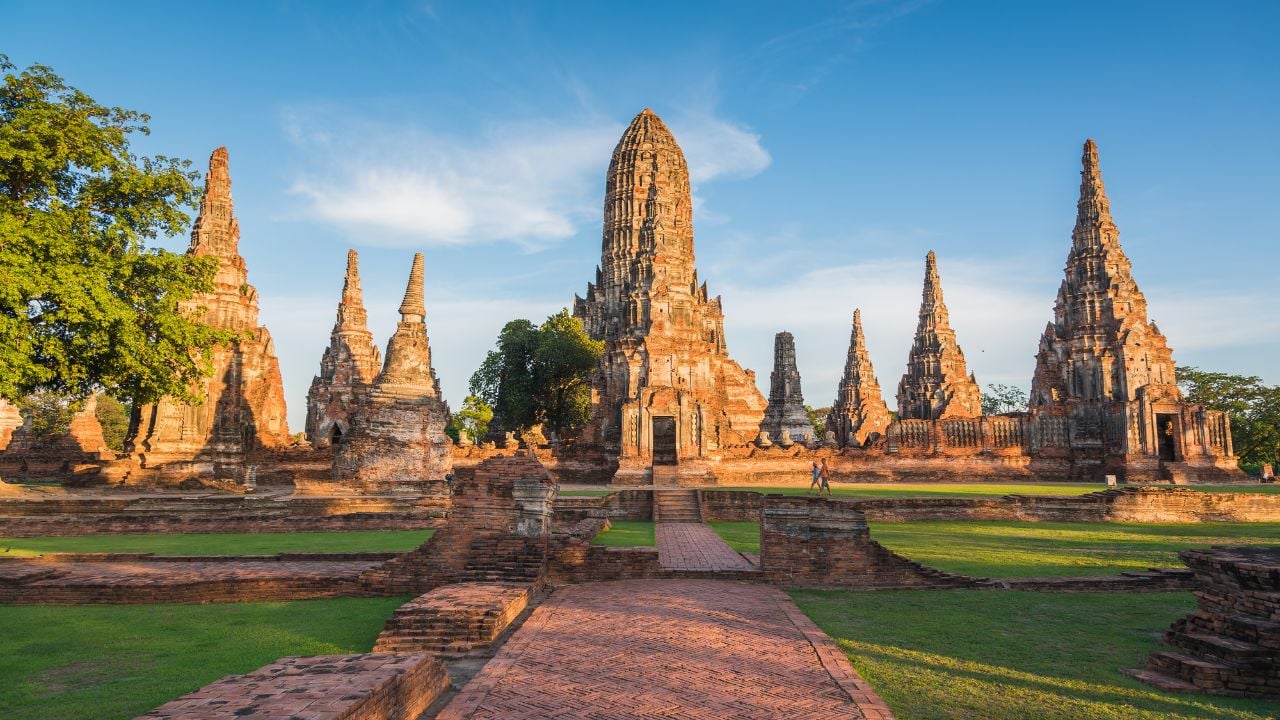
Thailand catches visitors on a few fronts that don’t feel “touristy” until it’s too late. One is lèse-majesté (insulting the monarchy): even online activity can cause problems, and official guidance notes that consequences can be severe.
Another surprise is vaping: the same UK travel advice warns e-cigarettes are illegal in Thailand, and penalties can apply for importing, selling, or using them. And while cannabis rules have shifted, the UK’s advice is crystal clear on one point: it is illegal to take cannabis out of Thailand without the appropriate export permissions.
Mistake magnet: social-media “jokes,” vaping, and thinking airport rules are casual.
United Arab Emirates (UAE)

The UAE is a modern travel hub, but local law can be strict about public conduct that many tourists treat as normal. UK travel advice warns that swearing and rude gestures can be illegal, and cases have resulted in detention and deportation.
Alcohol is another common trap: being drunk in public can be an offense, and problems often start when drinking collides with arguments, noise complaints, or behavior authorities consider “offensive.” Keep nights simple: licensed venues, calm exits, and no “let’s continue this outside” decisions.
Mistake magnet: arguments, insults, rude gestures, and “one last drink” outside licensed venues.
Qatar

Qatar’s rules around alcohol and public behavior can surprise first-timers. UK travel advice warns that it can be an offense to drink alcohol or be drunk in public, so stick to licensed places and keep the walk back low-key.
Also keep Ramadan in mind: official advice says you should not eat, drink, smoke, or chew gum in public during daylight hours during Ramadan (including in a car), even if you don’t plan to visit a mosque or religious site.
Mistake magnet: leaving a hotel bar visibly intoxicated or treating local norms like “suggestions.”
Saudi Arabia
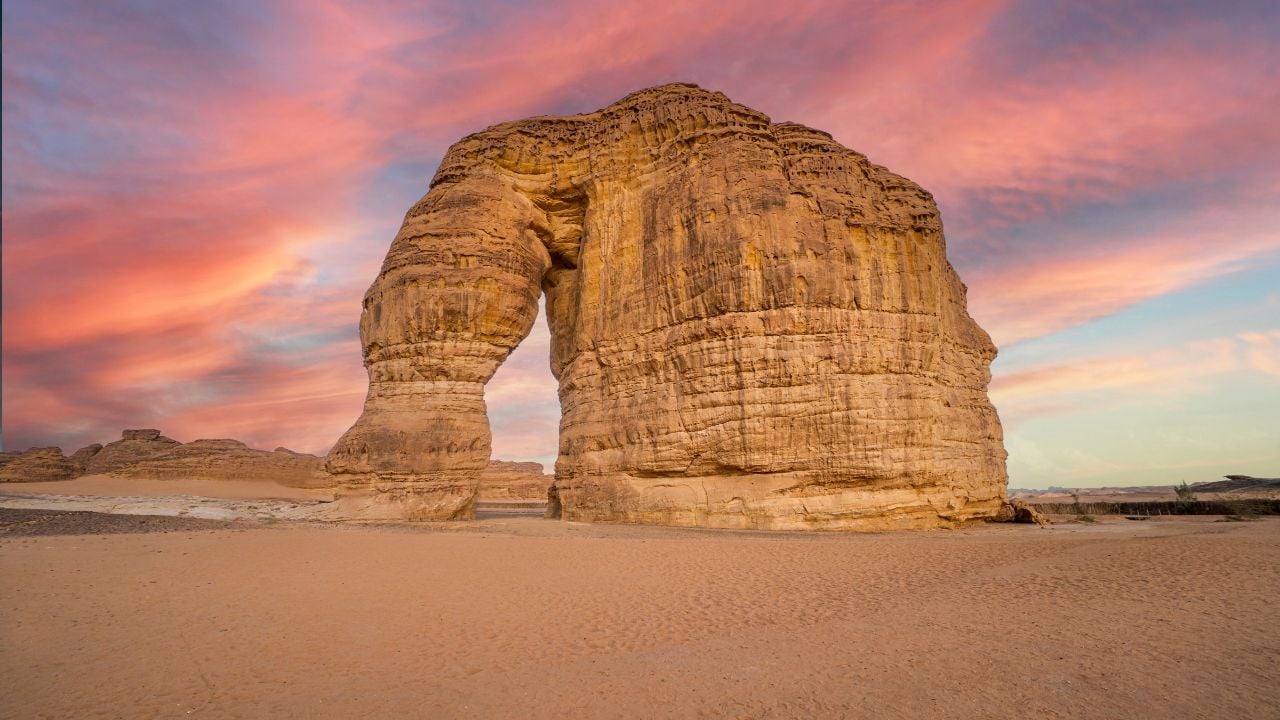
Saudi Arabia has some of the strictest enforcement in this list. UK travel advice warns alcohol is illegal, and penalties can be severe, including prison, for producing, possessing, selling, or drinking it.
Drug laws are harsher still. The same guidance warns of zero tolerance, very serious penalties for possession, and that drug trafficking can carry the death penalty. If a product contains cannabis ingredients, don’t assume it’s “wellness”—assume it’s risk.
Mistake magnet: arriving “buzzed,” carrying prohibited items, or bringing products containing cannabis ingredients.
Japan
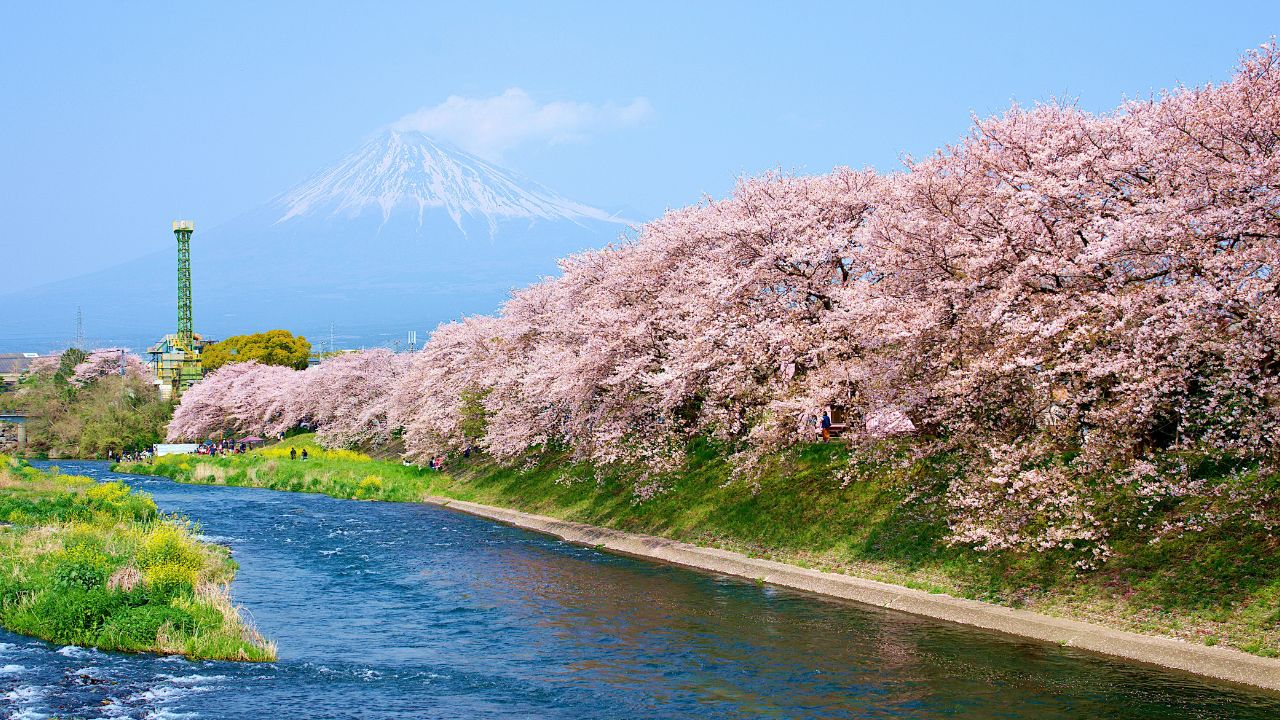
Japan is the classic “but it’s just medicine” trap. Official UK and U.S. guidance warns that some common cold/allergy remedies and prescriptions (legal elsewhere) can be illegal under Japan’s tightly enforced rules on stimulants and controlled substances.
Japan’s health authorities also explain that importing certain controlled medicines can require permission in advance (often via the Yakkan Shoumei process). If you take regular medication, check Japan’s import rules before you fly, and keep prescriptions in original packaging.
Mistake magnet: decongestants, codeine products, ADHD meds—anything you didn’t verify before flying.
Türkiye (Turkey)
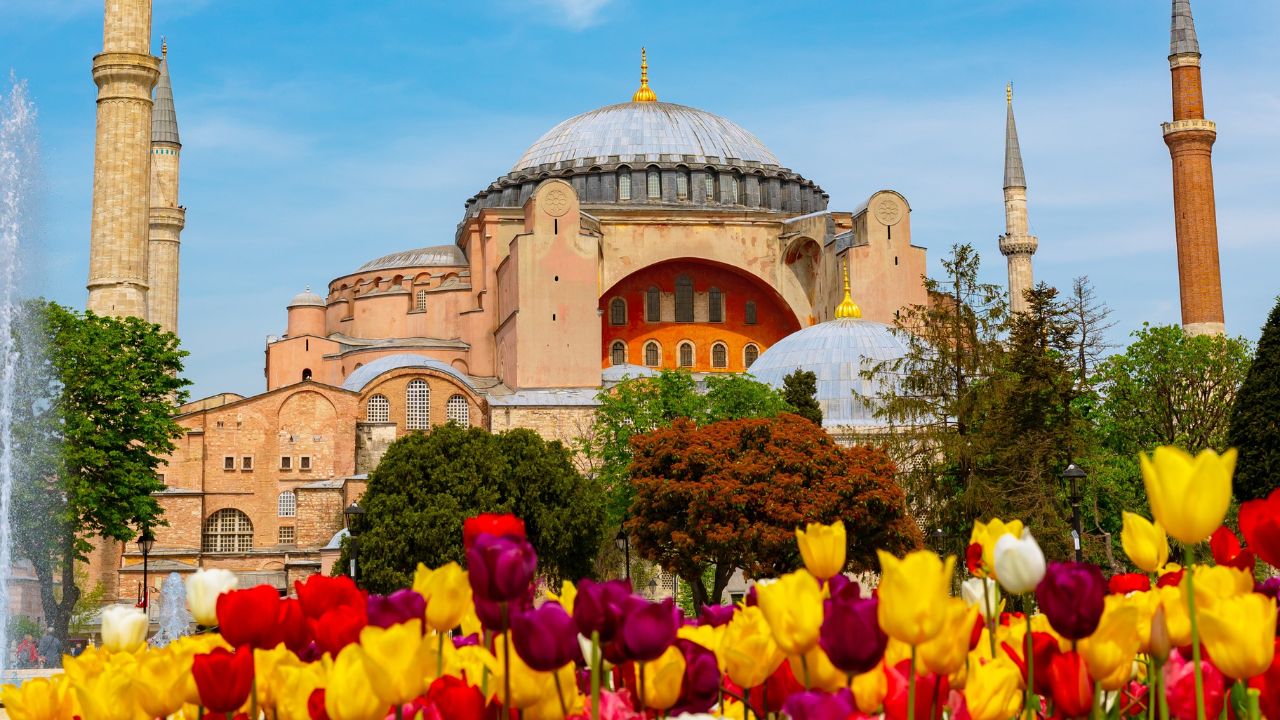
In Türkiye, speech can become a legal issue faster than tourists expect. Official travel advice warns that insulting Türkiye, the Turkish flag, the president, or Atatürk can be an offense, and social media posts can be used as evidence.
This isn’t about being “afraid to talk.” It’s about not turning a bad mood into a permanent record. Save political commentary for private, don’t argue with strangers, and don’t post when you’re angry.
Mistake magnet: political jokes, heated arguments, or posting while annoyed (especially about politics).
China
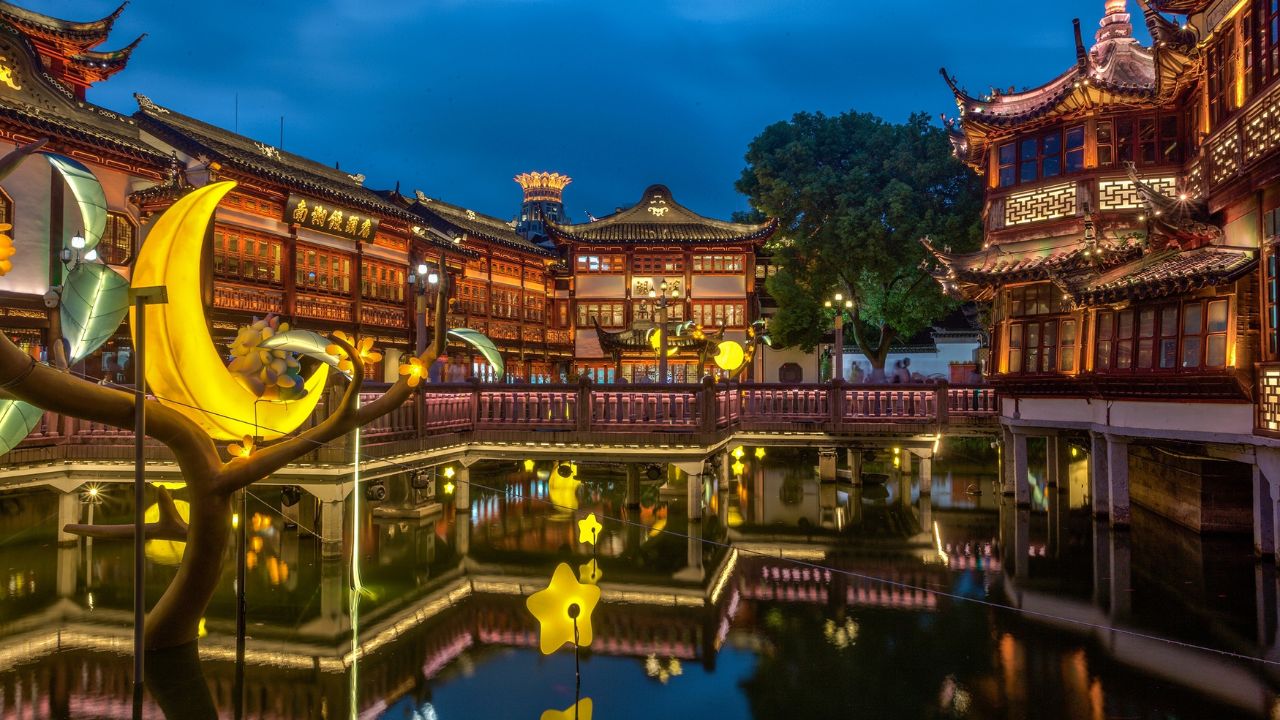
China is a place where tourists can stumble into “national security” boundaries they didn’t realize existed. UK travel advice warns some laws can be interpreted broadly, and visitors should be careful around sensitive sites and follow official instructions.
The U.S. State Department also warns about arbitrary enforcement and the possibility of exit bans, which can prevent people from leaving while issues are resolved. The safest mindset is simple: if a location looks restricted, treat it as restricted—even if other tourists look relaxed.
Mistake magnet: photographing the wrong site, involvement in demonstrations, or assuming “tourists don’t matter.”
Egypt
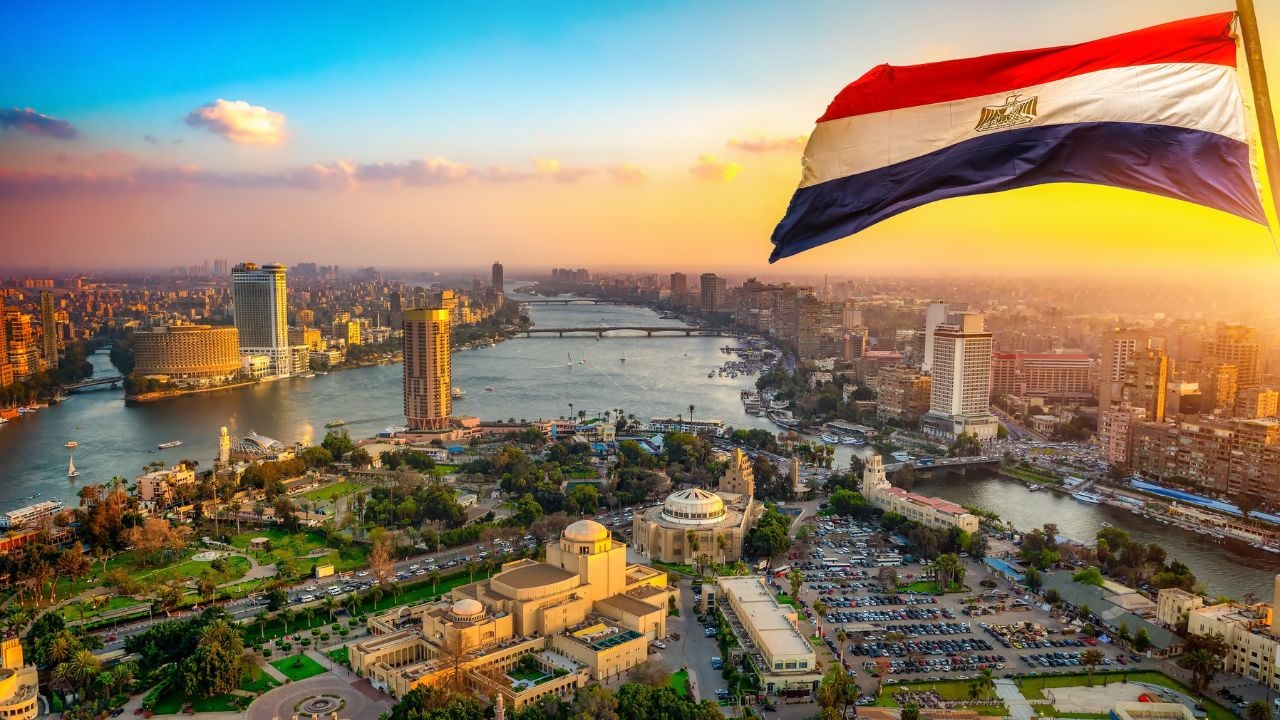
Egypt is a big one for “innocent gear, serious consequences.” Multiple governments warn that bringing a drone is strictly prohibited, and violations can lead to serious penalties.
Photos can be another gray zone. Official advice warns that photographing security-related sites (or anything authorities consider sensitive) can cause trouble, even if you thought it was “just a cool shot.” When in doubt, don’t film checkpoints, don’t linger near official buildings, and ask before you record.
Mistake magnet: a “tiny” drone, filming checkpoints, or assuming “everyone takes photos here.”
Sri Lanka

Sri Lanka is a classic “culture-law shock” destination: things that feel like harmless travel behavior can be treated as disrespectful. Australian travel advice warns it can be illegal to mistreat or disrespect Buddhist images, including through certain tattoos, clothing, or poses that are seen as mocking or inappropriate.
Keep it simple: cover up religious imagery if you’re unsure, don’t pose with your back to Buddha statues for playful photos, and treat temples like you would a courtroom—quietly and respectfully.
Mistake magnet: religious imagery on clothing, “funny” poses at temples, or treating sacred sites like a photoshoot set.
The Fast “Don’t Get Arrested Abroad” Checklist
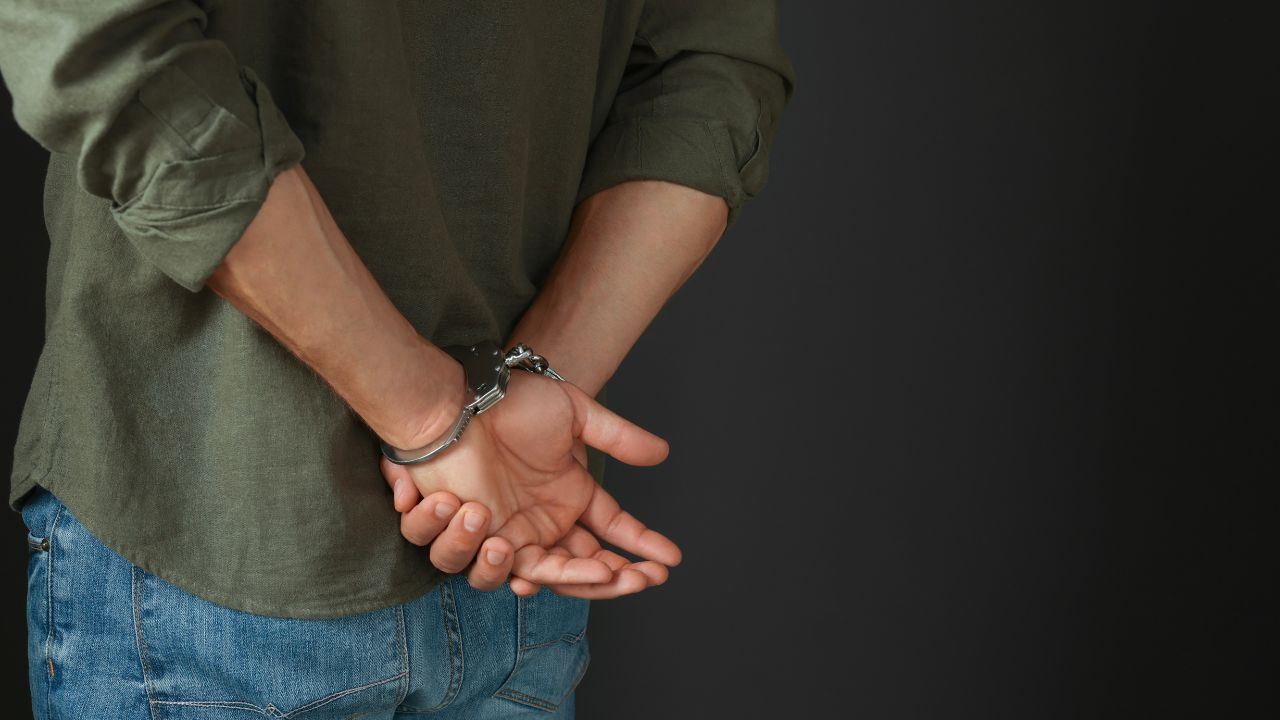
- Don’t travel with drugs or drug products—no gummies, no vape carts, no “CBD,” no “it’s legal at home.”
- Never carry anything for anyone else (packages, “gifts,” bags you didn’t pack yourself).
- Check your meds before you fly—especially for Japan and Gulf countries. Keep prescriptions in original packaging.
- Avoid public intoxication and drink only in licensed venues where required.
- Keep your phone and social posts boring in places with strict speech laws (monarchy/president/state topics).
- No drones unless you are 100% sure it’s legal and permitted—some countries ban them outright.
- At religious sites, follow posted rules and take “respect” literally.
- If police stop you, stay calm, don’t argue, ask for your embassy/consulate contact, and don’t sign documents you can’t read.