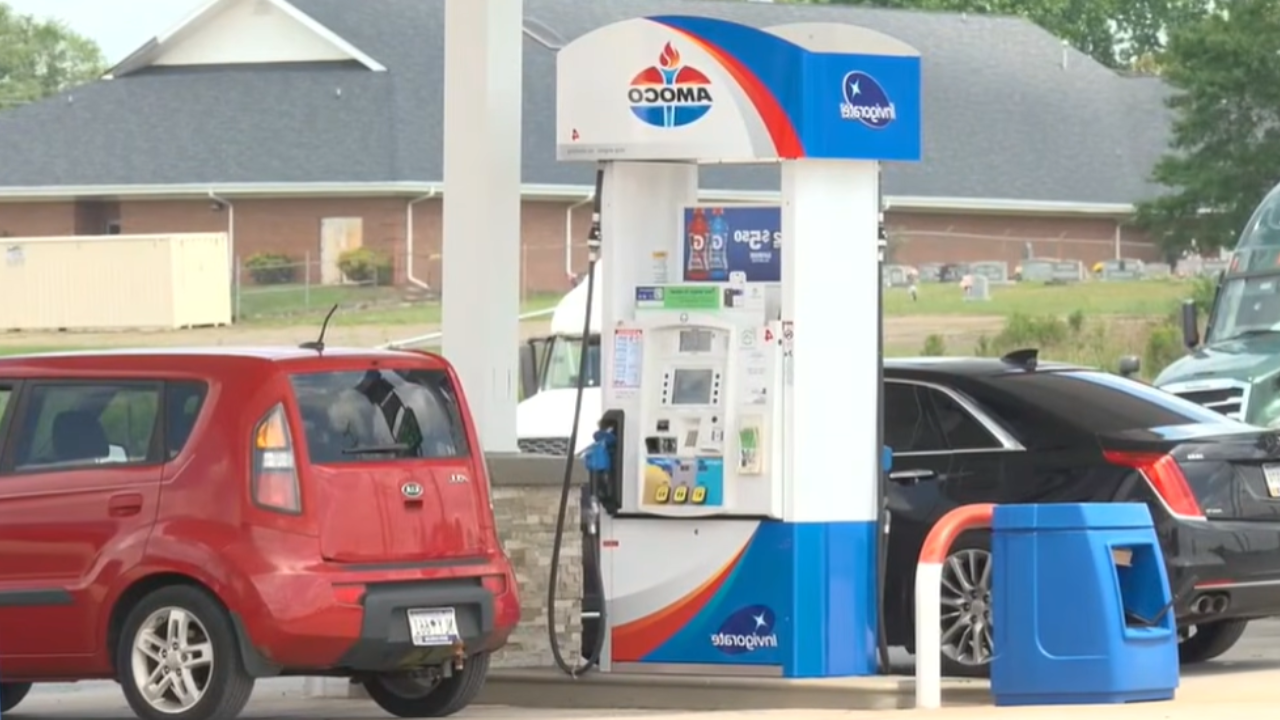
A South Carolina driver thought she was doing everything right when she bought a new Subaru Forester Hybrid. Just a few months later, a routine stop for gas turned into an expensive headache.
There is a particular kind of frustration that comes from doing everything by the book and still getting burned. You buy a new car to avoid repair headaches. Then a routine stop for fuel leaves you stranded on the side of the interstate staring at a four-figure repair bill for a vehicle you have barely had time to enjoy.
That is what happened to a South Carolina driver who recently shared her experience with FOX Carolina Investigates. The driver, who asked not to be identified on camera, said she fueled up at a TA truck stop before her new Subaru Forester Hybrid suddenly shut down.
She spent roughly six hours waiting for a tow truck before the vehicle was taken to a dealership. According to the report, technicians discovered water contamination in the fuel system and had to drain and clean the system at a cost of $1,273.69.
The South Carolina Department of Agriculture later confirmed that a fuel sample taken from the station failed inspection due to contamination. The station was placed under a stop-sell order and could not resume fuel sales until the issue was corrected and the fuel passed a follow-up inspection.
FOX Carolina reported that the driver was ultimately reimbursed for the damage to her Subaru. The station was later retested, cleared by inspectors, and allowed to resume fuel sales.
State records reviewed by FOX Carolina found 132 cases involving water or sediment contamination at South Carolina fuel stations since January of the previous year, out of 3,537 inspections conducted.
Why Water in Fuel Can Cause Serious Damage
Embedded media follows. Please allow a moment for it to load.
Water and gasoline do not mix in a way an engine can tolerate. Because water is heavier than gasoline, it settles toward the bottom of a fuel tank, where the fuel pickup is typically located.
That means contaminated fuel can reach the fuel pump, injectors, and combustion system almost immediately. Because water does not burn like gasoline, significant contamination can lead to rough running, misfires, stalling, or a complete engine shutdown. Water also does not provide the cooling and lubrication gasoline normally provides to the fuel pump, and prolonged contamination can contribute to corrosion and increased wear on fuel-system components.
In severe cases, continued operation can cause significantly more damage than simply draining and replacing the contaminated fuel.
Many drivers are familiar with products commonly sold as “dry gas,” which use alcohol to absorb small amounts of moisture in a fuel tank. Those products can help with minor condensation or trace amounts of water.
They are not designed to fix severe contamination. If a tank contains a significant amount of water, as in this case where the driver said she was told the fuel was “more water than fuel,” the fuel system typically needs to be drained and cleaned. Continuing to operate the vehicle can increase the risk of damage to the fuel pump, injectors, and other components.
It is also worth noting that most modern gasoline already contains ethanol, which naturally absorbs small amounts of water. By the time contamination becomes severe enough to cause stalling, engine shutdowns, or costly repairs, a bottle of dry gas is usually no longer the solution.
Hybrid Systems May Help Limit Damage
The driver told FOX Carolina she believes the Forester’s hybrid system may have prevented more serious damage. According to the report, the vehicle detected a problem and shut down rather than continue operating on contaminated fuel.
Many modern vehicles can detect abnormal operating conditions and enter a reduced-power mode or shut down altogether. While that can leave drivers stranded, it may also prevent additional damage to expensive fuel-system components.
Readers Had Questions About the Repair Bill and the Station’s Responsibility
Many viewers focused on who should be responsible for the repair costs. Numerous commenters argued that the station should pay for the damage, while others pointed out that FOX Carolina reported the driver was ultimately reimbursed.
Another common topic was the repair bill itself. Several readers expressed surprise that it cost more than $1,200 to drain the fuel system and clean the contaminated fuel from the vehicle.
Others questioned why more drivers had not reported similar problems if contaminated fuel was being sold. Some speculated that the issue may have affected only a limited number of customers or occurred during a relatively short period before inspectors intervened.
Several readers also shared stories of their own encounters with contaminated gasoline or diesel fuel, describing breakdowns, towing bills, and fuel-system repairs that followed shortly after refueling.
What State Inspectors Do When Fuel Fails Testing
According to the South Carolina Department of Agriculture, fuel pumps are tested through both routine inspections and consumer complaints.
When inspectors discover water or sediment contamination, the state can issue a stop-sell order that prevents fuel sales until the problem is corrected. The station must then pass a follow-up inspection before fuel sales can resume.
While the 132 contamination findings identified by FOX Carolina do not necessarily mean 132 groups of motorists received bad fuel, they do illustrate why fuel-quality testing programs exist in the first place.
How Drivers Can Protect Themselves
One practical way to reduce risk is to use busy, well-maintained stations that move large volumes of fuel. While contamination can occur anywhere, higher-volume stations tend to cycle fuel more frequently.
Drivers who experience sudden hesitation, stalling, misfires, or warning lights shortly after refueling should take the symptoms seriously. Continuing to operate a vehicle with contaminated fuel can increase the likelihood of additional damage.
Anyone in South Carolina who suspects they received contaminated fuel can file a complaint with the South Carolina Department of Agriculture, which can inspect the station and test fuel samples.
The driver who shared her story with FOX Carolina said she wanted other motorists to be aware that fuel contamination still happens. After spending hours stranded on the side of the road and facing a four-figure repair bill, it is easy to understand why.