Modern cars have turned collision repair into something considerably more complicated than replacing bent sheet metal and spraying fresh paint. General Motors is now making it clear that when a crash involves advanced driver-assistance systems, repair shops should stay away from used and aftermarket components.
In an updated collision-repair position statement dated July 20, GM says only new GM Genuine components are approved when replacing parts associated with advanced driver-assistance systems, or ADAS. The policy applies across Chevrolet, Buick, GMC, and Cadillac vehicles.
That means a perfectly functional-looking camera or radar sensor pulled from a wrecked vehicle isn’t acceptable under GM’s repair guidelines. Neither is a cheaper aftermarket alternative that claims to perform the same job.
GM’s reasoning centers on safety and calibration. With features such as adaptive cruise control, automatic emergency braking, lane-keeping assistance, and Super Cruise relying on precisely positioned sensors, even relatively small differences in a component or its mounting could potentially affect how the system operates.
GM Says New And Genuine Parts Only
The automaker’s position is unusually explicit about what it considers acceptable. GM states that salvaged, recycled, reconditioned, remanufactured, aftermarket, and other secondary-market ADAS components are “strictly prohibited” for collision repairs.
The restriction reaches well beyond the obvious cameras and radar units. GM’s statement covers sensors, control modules, wiring, brackets, mounting hardware, and other components associated with the systems.
According to GM, it cannot verify whether non-genuine components meet its engineering specifications or whether previously used parts have been damaged, improperly stored, or otherwise compromised. A sensor can appear perfectly normal externally while having a history that a repair facility cannot easily determine.
GM also warns that damage, failure, or poor performance resulting from the installation of non-GM parts isn’t covered by its New Vehicle Limited Warranty or GM service plans.
ADAS Makes Collision Repair Far More Complicated
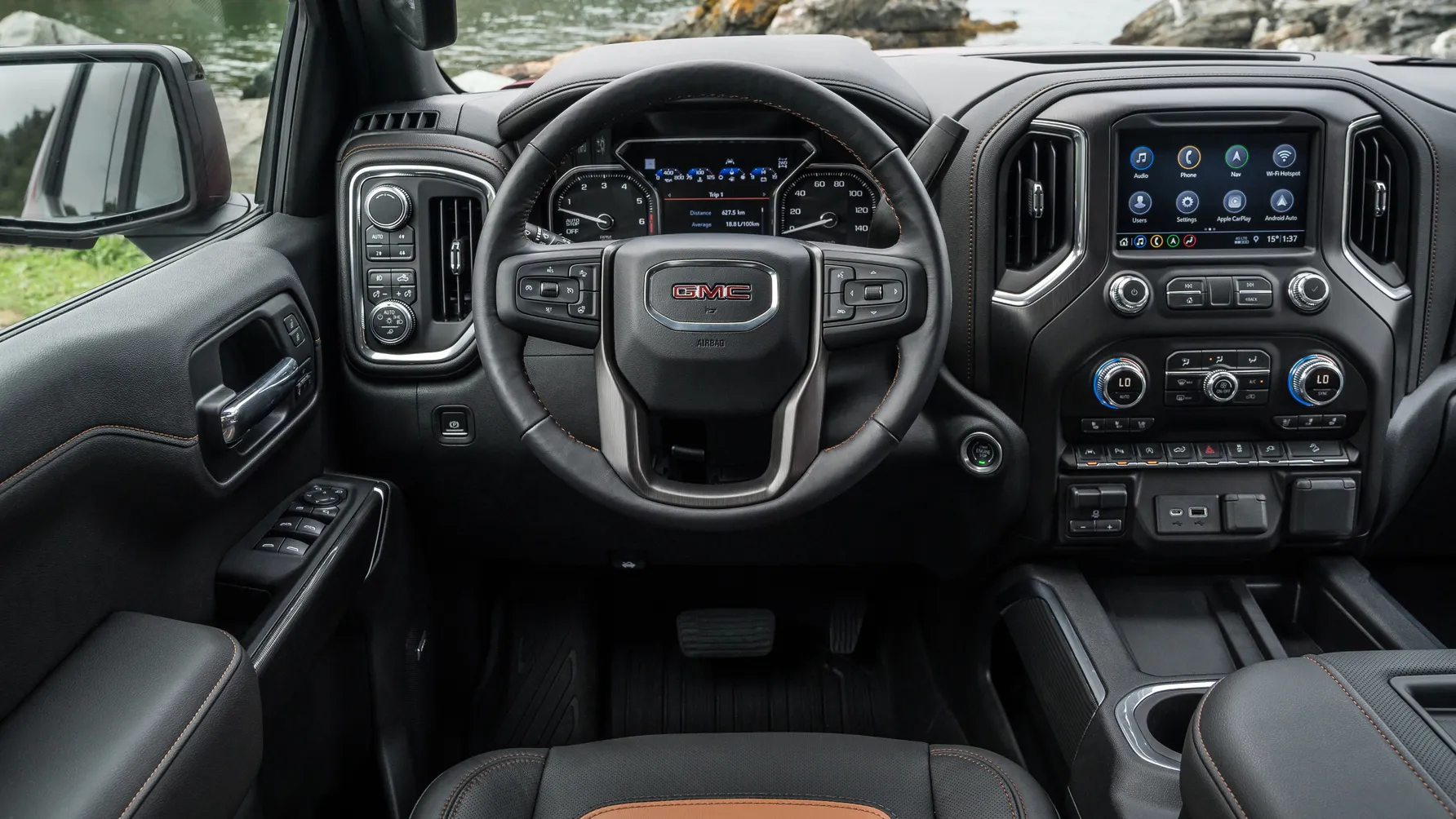
The list of technologies affected is extensive. Depending on the vehicle, GM’s ADAS umbrella includes adaptive cruise control, lane-keep assist, lane-departure warning, forward collision systems, front pedestrian braking, rear cross-traffic alert, surround-view cameras, automatic parking assistance, hands-on lane centering, and Super Cruise.
Replacing the component is only part of the job. GM says technicians should follow its published repair procedures and perform the necessary programming, setup, aiming, and calibration processes after repairs.
That requirement helps explain the hard line on parts sourcing. A camera looking through the windshield or a radar sensor mounted behind a bumper may depend on carefully controlled positioning to correctly interpret the vehicle’s surroundings.
GM has taken a similarly restrictive position on replacement windshields. The automaker says aftermarket and non-GM OE glass shouldn’t be used, while calibration or relearning procedures are required when certain windshield-mounted cameras or sensors are removed, reinstalled, or replaced, or when the windshield itself is replaced.
Even Modifications Can Cause Problems
Owners don’t necessarily need to crash their vehicles to potentially interfere with ADAS operation. GM warns that certain accessories and modifications can obstruct sensors or change the physical parameters upon which the systems depend.
Window tint, protective films, wraps, hood protectors, bicycle and cargo racks, lightbars, and roof-mounted carriers are among the items GM says can potentially interfere with ADAS functionality. Some of those accessories are available through GM itself, although factory-approved equipment is designed and validated for compatible vehicles.
Changes underneath the car can matter as well. Lowering kits, non-approved lift kits, and modifications affecting suspension, steering, wheels, tires, ride height, or alignment angles can potentially change the relationship between ADAS sensors and the road.
Repairs Could Become More Expensive
There is an obvious downside for owners and insurers: limiting repairs to brand-new genuine components removes potentially cheaper used and aftermarket options. That could increase the cost of repairing vehicles equipped with increasingly elaborate sensor suites.
From GM’s perspective, however, these aren’t ordinary interchangeable trim pieces. A replacement radar, camera, or mounting bracket may ultimately influence whether a vehicle correctly identifies another car, pedestrian, or lane marking.
That makes the message to collision shops straightforward. When a GM vehicle’s safety technology needs repair, the company wants the replacement parts coming from GM and the repair procedures followed exactly as prescribed.