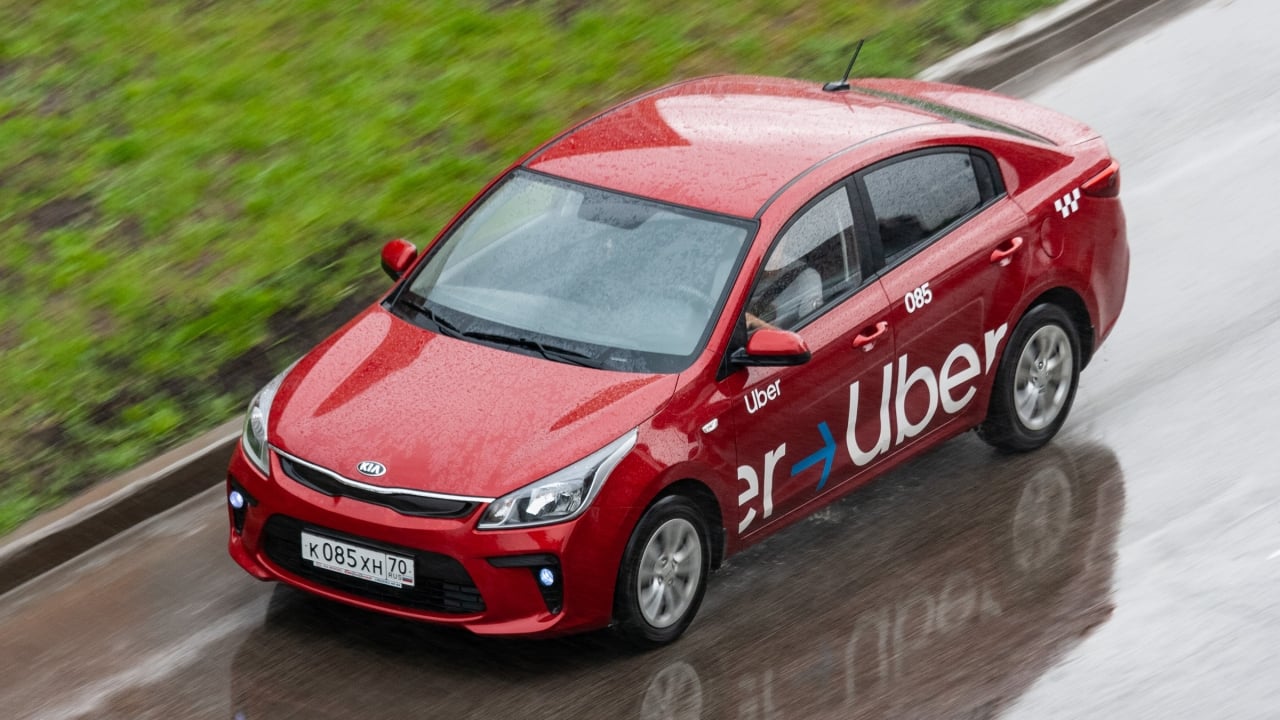
Every day, millions of Americans will tap their smartphones or click on their computers as they order food, groceries, and cabs, which symbolizes the convenience of the gig economy. Ordering an Uber and food has never been so easy, and it is all accessible in the palms of our hands.
But there is another side to this. Because if you are ordering food delivery or an Uber, you are likely paying more than you should be. Consumers are being squeezed by things such as price surges, which are often affected by a surge or reduction in demand.
The pricing has also been used by those at the top to manage the workforces that these customers rely on. There is a philosophy that if the number of drivers drops, throw more cash into the mix and the supply will sort itself out. The workers are treated as a frictionless commodity.
There is a huge catch with this strategy that massively impacts consumers. It has left many frustrated by high prices, or apps like Uber struggling due to driver shortages. And drivers themselves don’t benefit from this surge. All of this means you are paying more than you should for your Uber and food delivery.
How Companies Like Uber Are Making Us Pay More
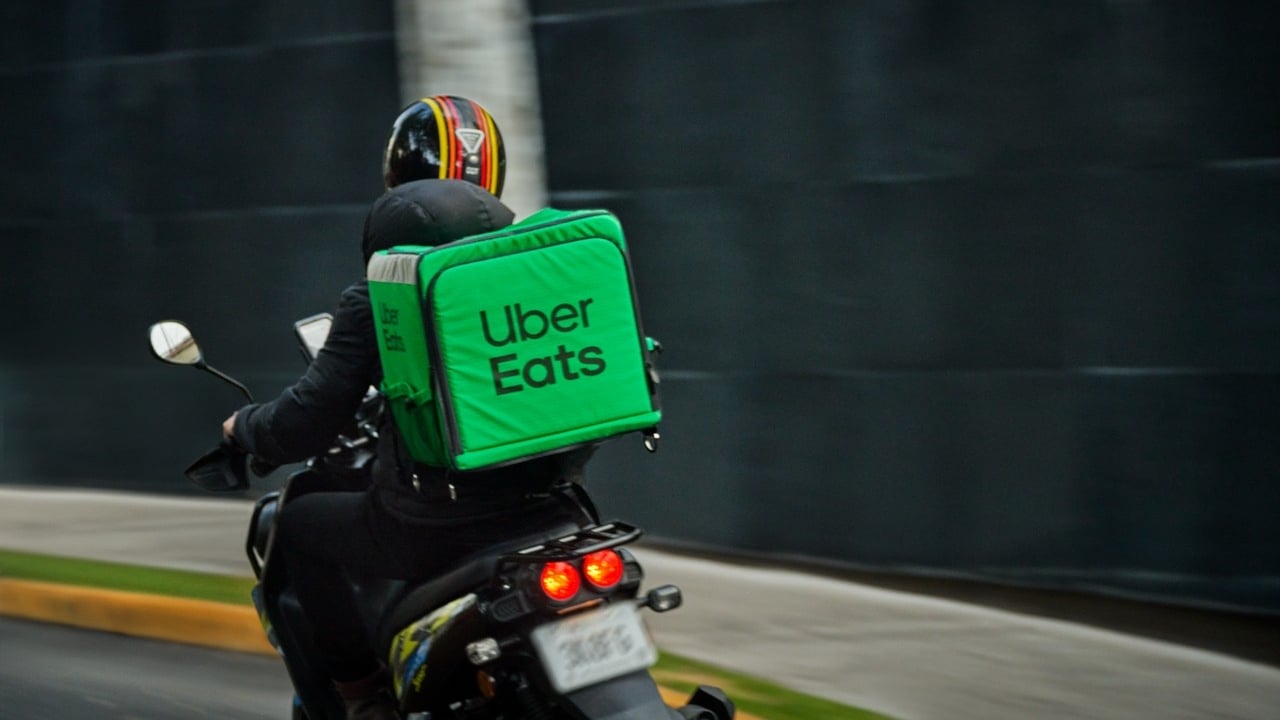
British publication The Independent analyzed 2 million delivery tasks, completed by over 70,000 drivers for a Fortune 500 retailer from February through April 2022. They found that the gig workers, those working for Uber, perform strict ‘mental audits’ of each task to see if it is worth their time before they hit the accept button.
If platforms understood the frictions among drivers, they’d be able to stop overcharging consumers. They’d also be able to sort the work itself out, and do so in a way that makes it more satisfying for those conducting it. Workers are currently frustrated. One told The Independent that he had completed 95 of the 96 trips required for a $100 bonus but was left to wait 45 minutes before his final ride of the night. It made him feel like it was done on purpose by the platform to keep him online.
But it goes further than that. Inflation is squeezing the margins for drivers, and rideshare platforms seem to increasingly demand more of a share of the driver’s earnings. So in just a few seconds, they have to decide if a fare is worth them accepting, or if they would be better off ignoring it and waiting for the next one. And this, of course, has a direct impact on the consumer as well.
What This Does for the Consumer
As the cost of this driver friction is ultimately passed onto the consumer, prices surge, something that most of us probably hate. Why suddenly pay nearly double the amount for a ride that could be half that on other occasions? Essentially, you are paying more for your Uber or food delivery due to high friction from the available driver fleet, due to how they are paid and required to work.
There are, however, some workarounds. If options like ‘leave at my door’ are selected, the ‘uncertainty tax’ sometimes imposed on drivers can disappear, and it reduces the need for a driver premium. This, equally, deflates the surge price. Other factors come into play, such as the time a delivery or cab is ordered, although for evening meals and nights out, that is often hard to avoid. But all it would take is a minor shift in the culture and the way these companies operate to make life easier for the drivers and cheaper for the customers.