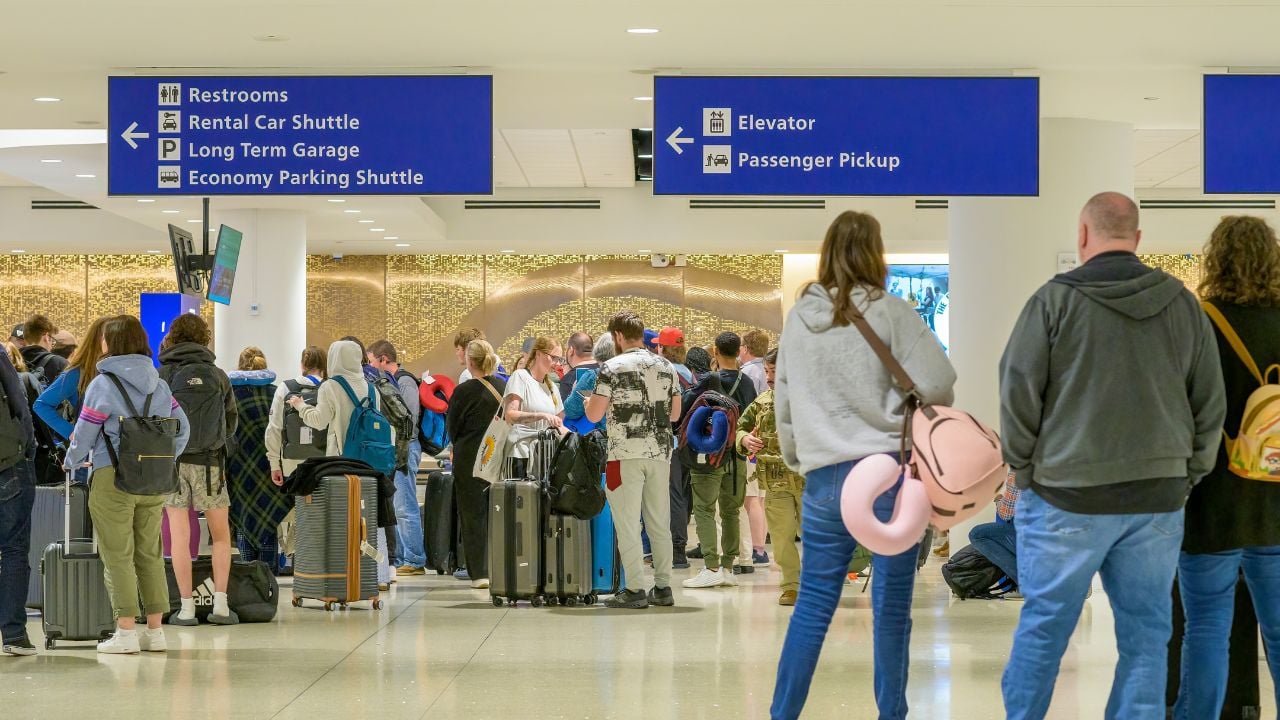
A cheap flight can look perfect until the destination is celebrating, closing, marching, or leaving town. Local calendars can affect hotel prices, train availability, museum hours, restaurant reservations, street access, and the feel of an entire neighborhood.
A city that seems easy on a normal Tuesday may become complicated during a national break. Many travel mistakes begin with one skipped calendar check.
Festive periods do not need to be avoided every time. Some of the most memorable trips happen during parades, religious weeks, fireworks nights, or family celebrations.
The problem starts when travelers book first and research later. Check the holiday calendar before paying for nonrefundable flights, then decide whether the event atmosphere is the reason to go or a complication to avoid.
1. Japan’s Golden Week
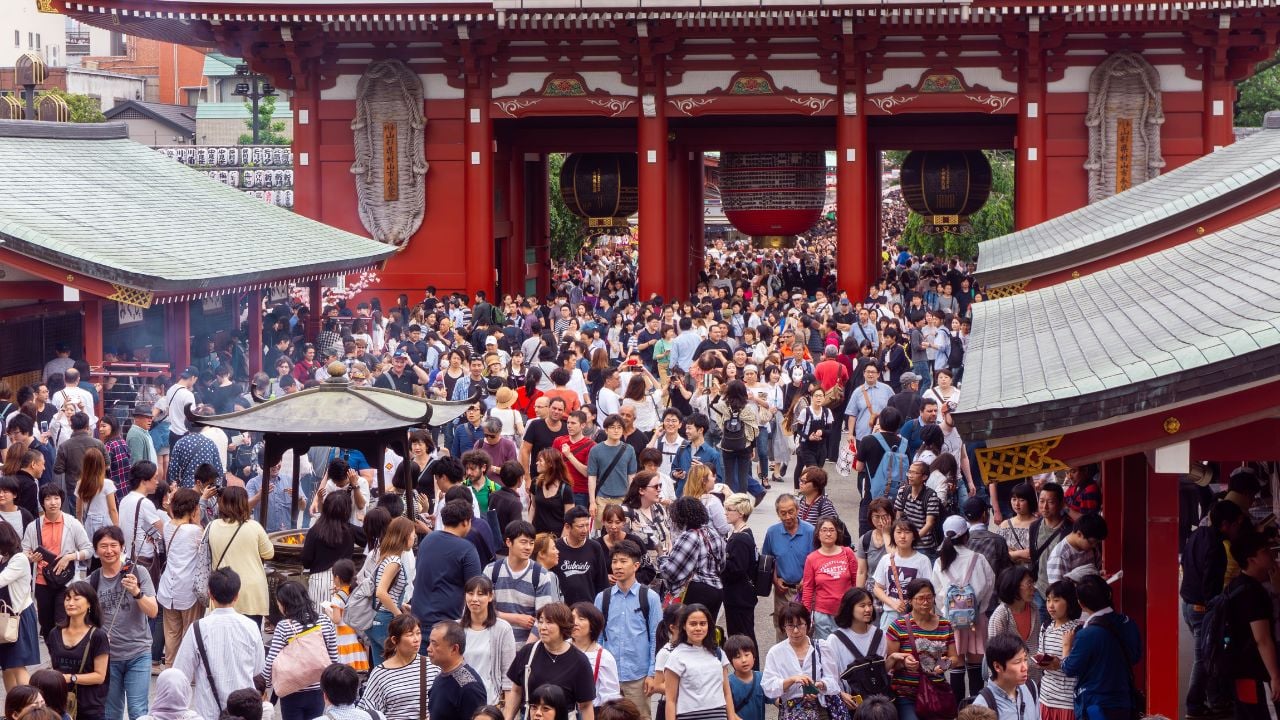
Golden Week is one of Japan’s busiest domestic travel periods because several national holidays fall close together between late April and early May. Japan-guide describes Golden Week as a collection of four national holidays within seven days, with well-placed weekends turning it into a major vacation stretch.
In 2026, the calendar begins with Shōwa Day on April 29, followed by the main holiday stretch around May 2 through May 6. For visitors who are used to quieter shoulder-season trips, that timing can be easy to underestimate.
The pressure comes from domestic travel as much as international tourism. Shinkansen seats, theme park tickets, ryokan stays, highway routes, and popular city hotels can become harder to secure.
Kyoto temples, Tokyo neighborhoods, and major attractions can still be worth visiting during this period, but last-minute planning becomes expensive quickly. Reserve long-distance transport early, book key hotels before the fare, and avoid building the schedule around same-day seats or walk-up tickets.
2. Spain’s Semana Santa
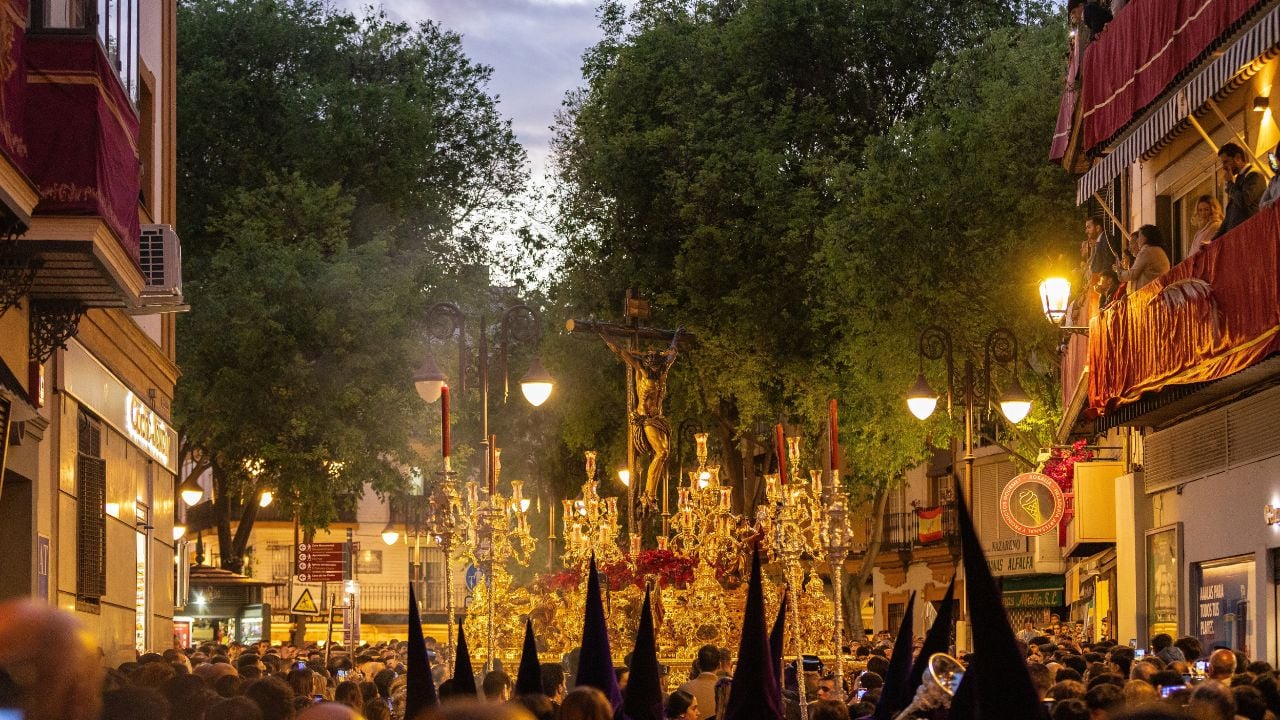
Spain’s Holy Week can be beautiful, emotional, and very different from an ordinary spring visit. In Seville, official Spanish tourism guidance says each brotherhood leaves its church and follows its own route, while all processions pass through the official route that begins on Campana Street and continues through the Cathedral area.
Andalucía’s tourism site describes Holy Week streets filled with candlelight, religious images, Nazarenes’ tunics, bands, drums, trumpets, incense, and orange blossom. For travelers who want culture, this can be one of the most memorable times to visit southern Spain.
The same atmosphere can disrupt a normal sightseeing plan. Streets may close, taxi routes can change, short walks can take much longer, and restaurants near procession routes may book up early.
Travelers should treat Semana Santa as the main event, not background decoration. Check procession routes before choosing a hotel, leave extra time for evening plans, and avoid scheduling tight attraction tickets during the busiest procession hours.
3. Italy’s Ferragosto
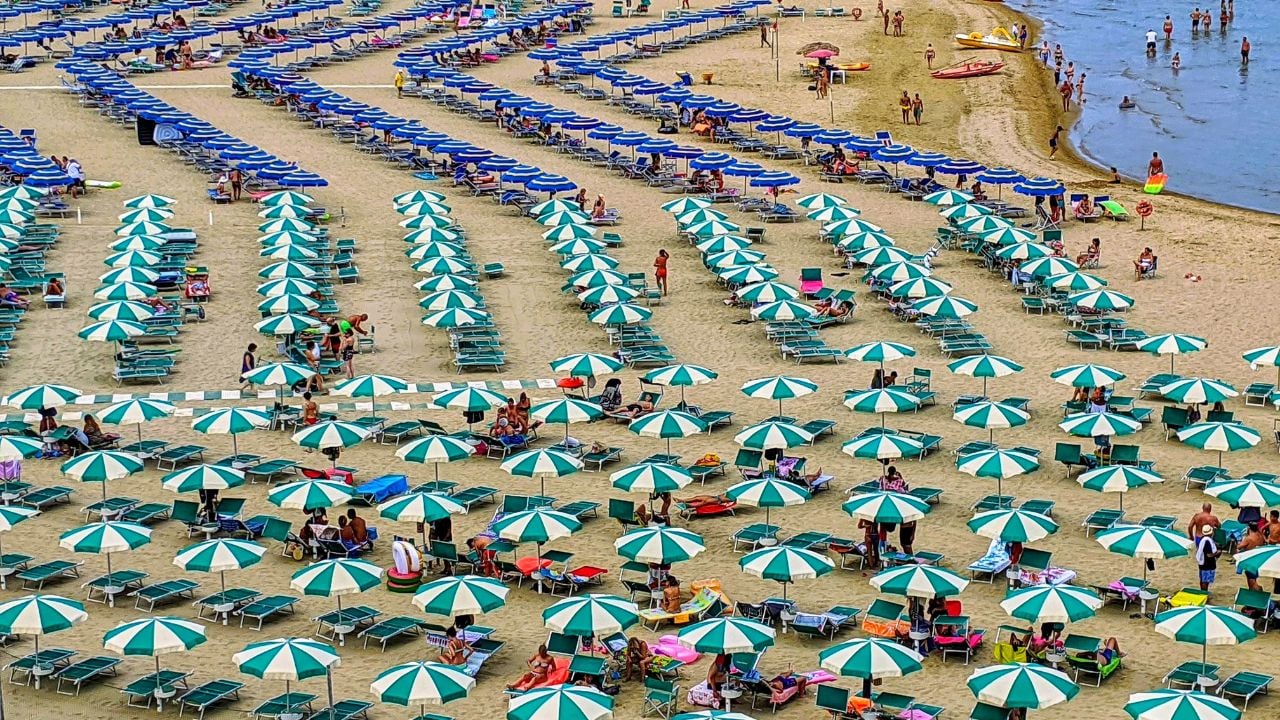
Italy in mid-August can catch visitors off guard because Ferragosto falls in the middle of the summer travel season. Italia.it lists Ferragosto on August 15 as one of Italy’s major holiday-period dates, tied to the Assumption of Mary.
For many Italians, the date lines up with beach trips, family meals, mountain escapes, and time away from work. Visitors may notice a different rhythm, especially outside the biggest tourist corridors.
Major destinations such as Rome, Florence, and Venice do not shut down for visitors, but smaller businesses can pause. A family-run trattoria may close, a coastal hotel may be full, ferries may be busier, and rental cars can be harder to price well at the last minute.
The biggest surprises often appear in smaller towns, islands, and beach areas. Book seaside lodging early, check restaurant closures before building a food-focused itinerary, and confirm ferry or train plans before assuming mid-August will behave like any other week.
4. China’s Spring Festival
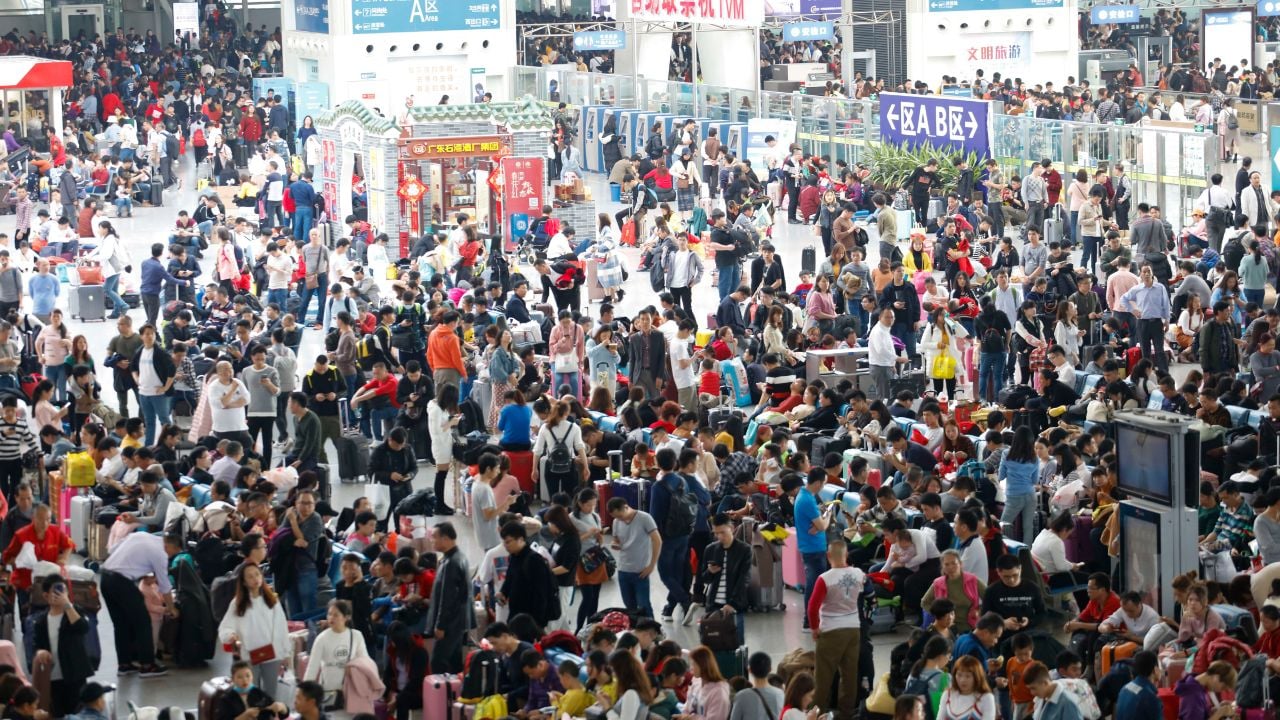
China’s Spring Festival can reshape travel across the country. The Chinese government’s 2026 public-holiday release lists the Spring Festival holiday from February 15 through February 23.
During this period, many people travel for family reunions, and transport demand can rise sharply before and after the official holiday dates. Trains, flights, hotel rooms, and popular attractions can all become harder to arrange on short notice.
A visitor can still have an excellent trip during Lunar New Year, especially with lanterns, decorations, food traditions, temple fairs, and festive markets. The challenge is that ordinary schedules may not apply.
Restaurants, shops, museums, and smaller attractions may adjust hours around the holiday. Confirm transport before booking hotels, check attraction opening times directly, and avoid relying on last-minute train or flight availability during the Spring Festival travel rush.
5. Paris on Bastille Day
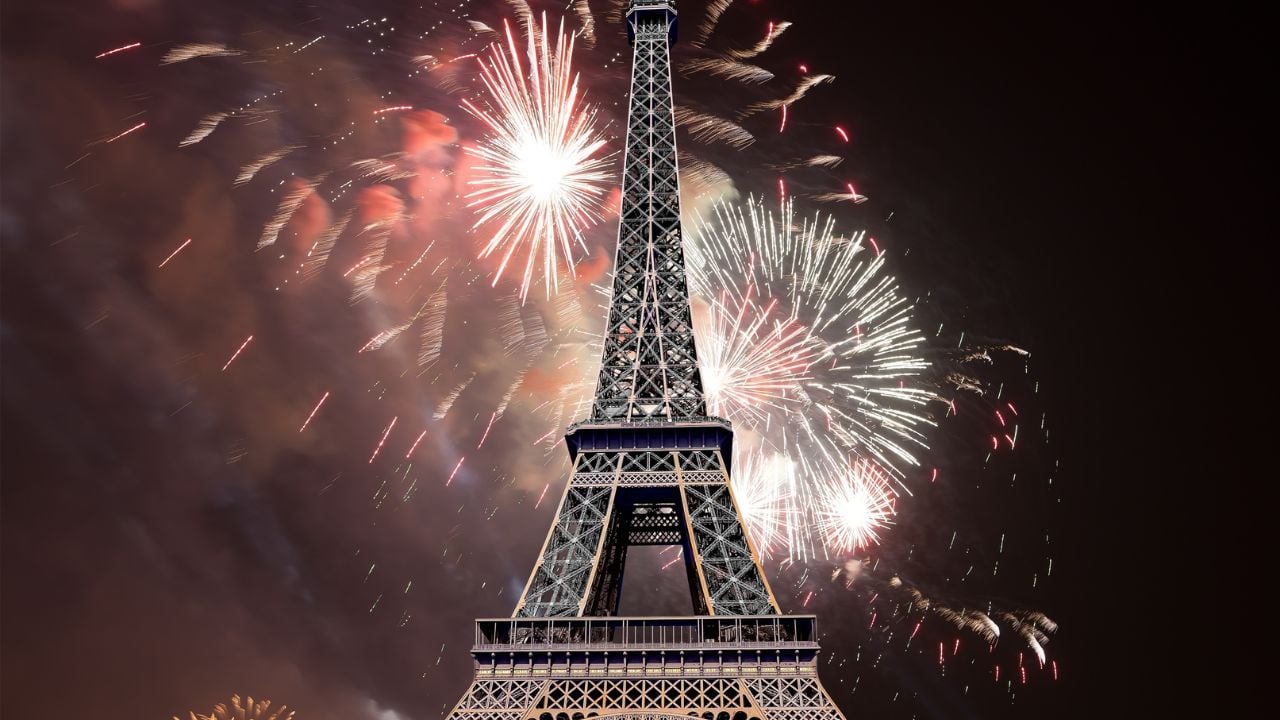
Paris on July 14 can be spectacular when travelers know they are booking a holiday trip. France’s official tourism site describes Bastille Day as a bank holiday marked by fireworks, firefighters’ balls, and military processions.
The Eiffel Tower creates the biggest planning trap. The tower’s official July 14 guidance says the Eiffel Tower is generally closed to the public on July 14 because of fireworks preparations and reopens on July 15.
That can ruin a normal sightseeing plan if the tower was supposed to be the main daytime visit. River cruises, dinners near the Champ de Mars, hotel access, metro routes, and evening walking plans may also be affected by security areas and celebration crowds.
Book Bastille Day as a celebration, not as an ordinary Paris stop. Choose a viewing strategy, reserve dinner early, expect crowded transport after the fireworks, and move the Eiffel Tower visit to another day.