
For all the industry talk about an electric future, Volkswagen just revealed a reality many automakers would rather avoid discussing publicly. The company says its EVs still generate significantly lower profits than equivalent gasoline-powered vehicles, despite years of investment and aggressive electrification plans.
According to Volkswagen executives, current electric models deliver only around 70 to 80 percent of the margins earned by combustion vehicles. That gap is becoming increasingly difficult to ignore as global EV demand slows and production costs remain stubbornly high.
The timing is especially awkward because automakers are under growing pressure to sell more EVs, whether customers are fully ready or not. Governments continue tightening emissions regulations, leaving manufacturers trapped between compliance targets and weaker profitability.
Volkswagen believes relief will eventually come through its next-generation SSP platform later this decade. Until then, the company appears stuck balancing expensive EV development, slowing demand in key markets, and the uncomfortable fact that traditional gas-powered vehicles still make more money.
EV Profitability Remains a Major Problem
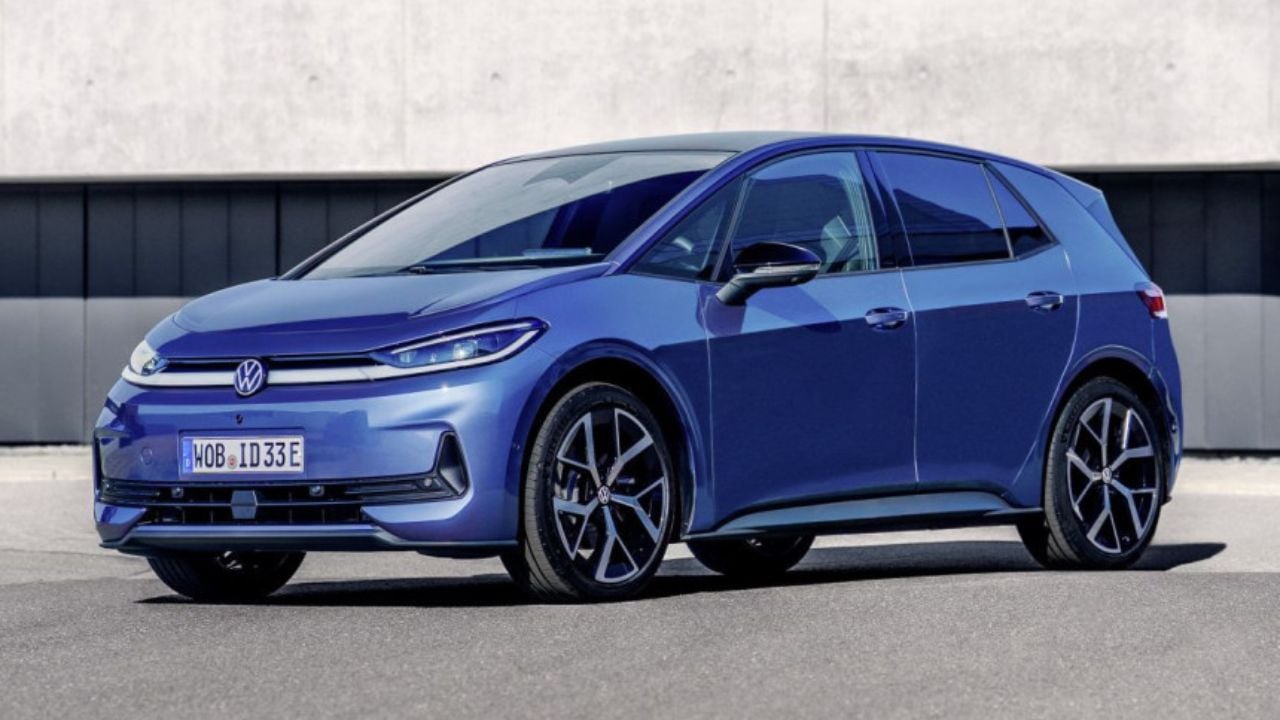
Volkswagen’s comments offer a rare public glimpse into the financial strain surrounding modern EV production. While electric vehicles continue gaining market share globally, many manufacturers still struggle to make them as profitable as internal combustion models.
High battery costs remain one of the biggest obstacles. Even as battery prices gradually improve, automakers still face expensive raw materials, rising development costs, and the challenge of scaling production profitably.
Volkswagen’s current MEB-based EVs, including the ID.4 and ID. Buzz, have helped establish the brand’s electric presence. They simply have not matched the profitability of the company’s traditional gasoline lineup.
Regulations Leave Automakers With Few Choices
Despite thinner margins, Volkswagen cannot afford to slow its EV push too dramatically. European Union emissions rules continue tightening, and failing to meet fleet CO2 targets could reportedly cost the company between 400 million and 500 million euros annually in penalties through 2027.
That creates a difficult balancing act for Volkswagen and many other automakers. Selling EVs may generate lower profits, but avoiding them entirely could trigger even bigger financial consequences from regulators.
The situation highlights one of the industry’s biggest current contradictions. Carmakers are being pushed toward rapid electrification before the business side of EVs has fully matured.
Sales Are Slowing Outside Europe
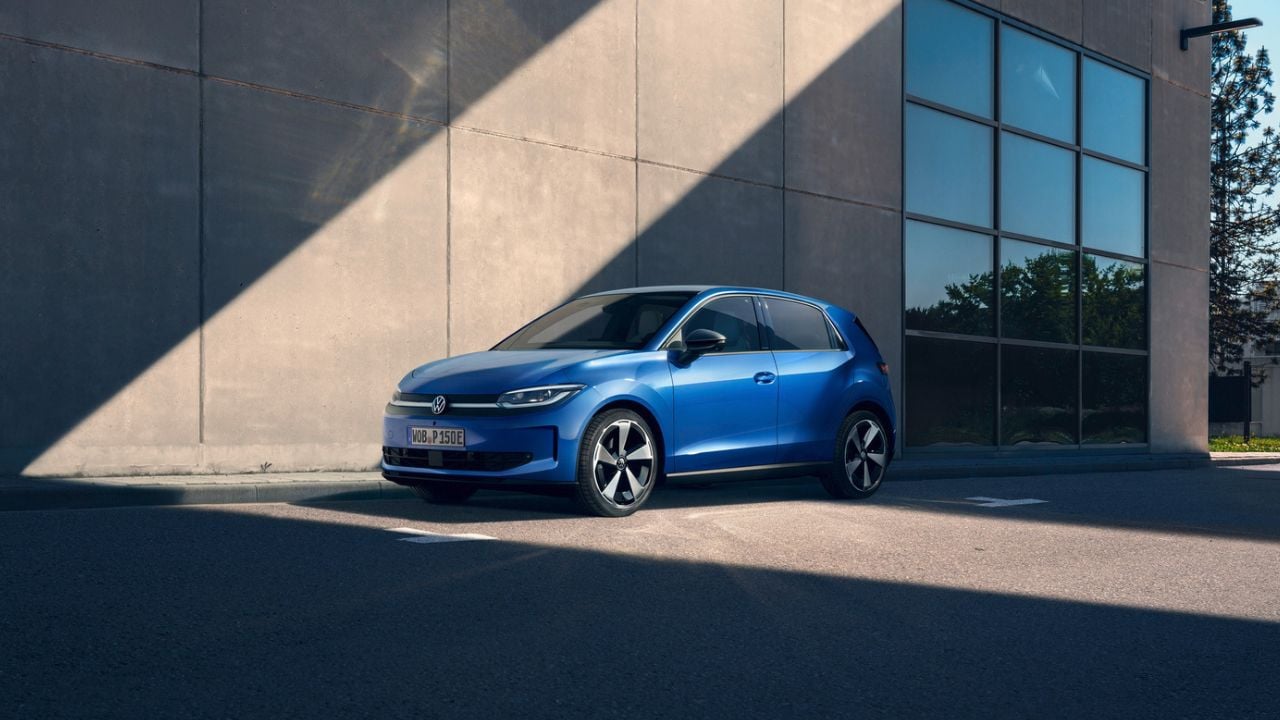
Volkswagen’s EV momentum has also weakened sharply in several major markets. Reports indicate the company’s U.S. electric vehicle sales dropped roughly 80 percent during the first quarter of 2026 compared with the same period last year.
China has become another major challenge. Volkswagen’s EV sales there reportedly fell more than 60 percent as local Chinese brands continue dominating the market with cheaper pricing and rapidly evolving technology.
Europe remains the company’s strongest region for electric vehicles, helped by government incentives and greater EV adoption. Conditions elsewhere have become much more difficult as consumer demand cools and buyers increasingly reconsider hybrids instead of fully electric vehicles.
Volkswagen Is Betting Big on SSP
Volkswagen believes its upcoming SSP architecture will eventually solve many of these profitability problems. The new platform is intended to replace several existing EV architectures across the Volkswagen Group while simplifying production and improving economies of scale.
The SSP platform will also reportedly integrate software and electronics technology tied to Volkswagen’s partnership with Rivian. That collaboration is expected to help improve vehicle software systems after years of development delays within the VW Group.
Originally planned much earlier, SSP has now been pushed toward the end of the decade, which means Volkswagen may have several more years of dealing with lower EV margins before meaningful financial improvements arrive.
In the meantime, the automaker is focusing heavily on affordable electric vehicles in Europe. Smaller models like the upcoming ID. Polo are expected to help boost EV adoption, even if those vehicles are unlikely to reach the United States.
Volkswagen’s comments ultimately reinforce a growing industry reality: electric vehicles may represent the future of the automotive world, but building them profitably at mass scale remains a much harder challenge than many expected just a few years ago.