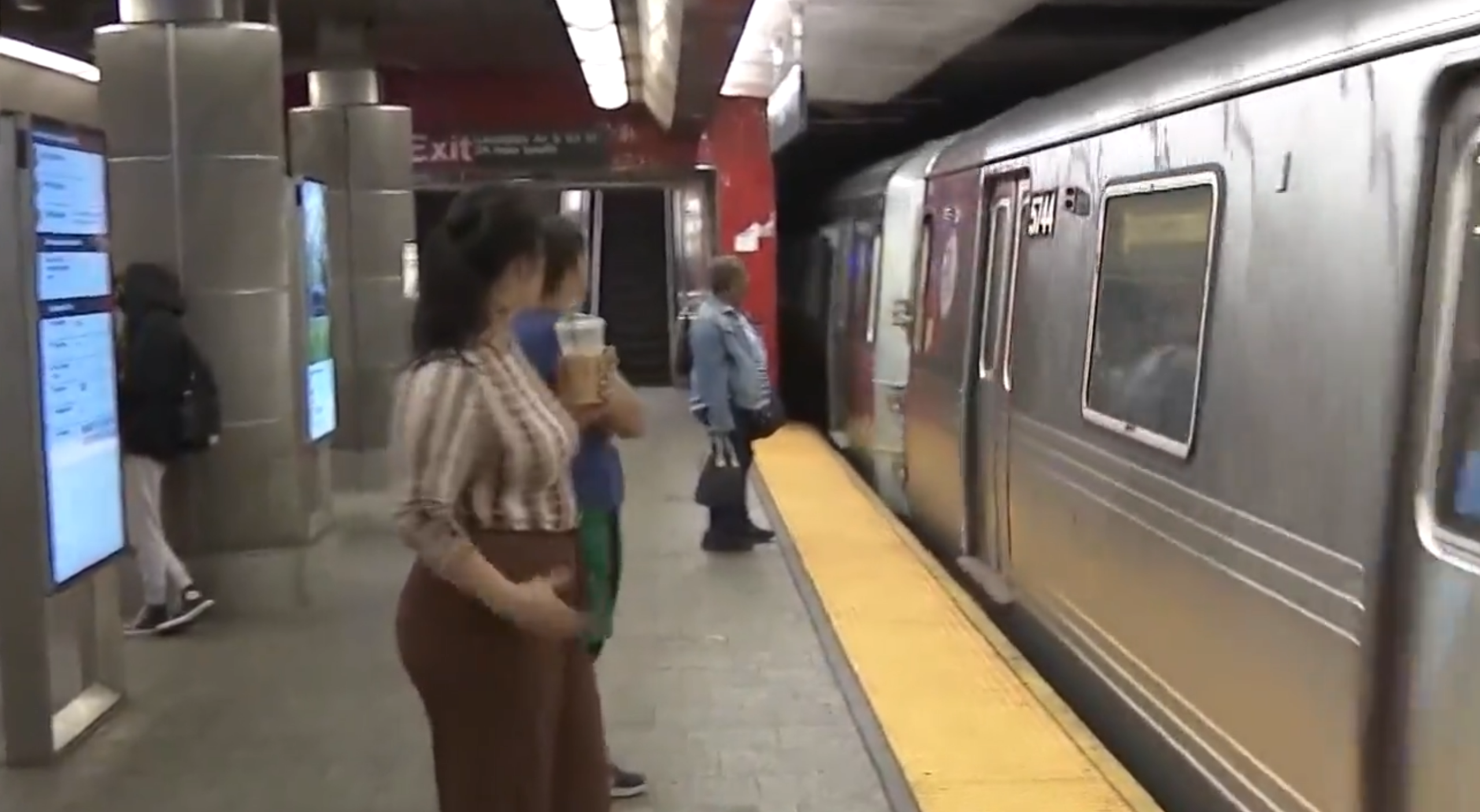
Riding the New York City subway is supposed to be the most ordinary part of a New Yorker’s day. For Emine Ozsoy, a 35-year-old woman simply trying to get where she was going in May 2023, that ordinary moment became the worst day of her life. She was shoved headfirst into a moving train by a stranger she had never met, and the attack left her paralyzed from the shoulders down.
This week, a Manhattan court handed down a sentence that the victim herself called a matter of survival. Kamal Semrade, 42, was ordered to serve 20 years in prison after a jury found him guilty of second-degree attempted murder and first-degree assault. For Ozsoy, the verdict is not just a legal outcome; it is the first breath of relief she has been able to take in three years of surgeries, therapy, financial hardship, and daily dependence on others for basic needs.
The attack happened at the Lexington Avenue and 63rd Street station. Prosecutors described it as deliberately targeted and completely unprovoked. Semrade walked up directly behind Ozsoy and shoved her by the head and neck. Her face and head struck the train. She was thrown back onto the platform. She fractured her spine. After it was over, Semrade walked out of the station and went back to the shelter where he was staying, then put his clothes out for laundry service as if nothing had happened. He was arrested two days later.
What followed for Ozsoy was a reality that no sentencing can fully address. Six surgeries. Countless therapy sessions. A career she can no longer pursue. Financial difficulties that compound daily. And a psychological weight that she carried all the way into that courtroom, where she stood before the judge and asked, quietly but directly, for justice.
What Emine Ozsoy Said in Court

Ozsoy addressed the court before sentencing was handed down, and her words were as measured as they were heartbreaking. She described three years without a single moment of true peace and a life that now requires constant assistance from others just to meet basic daily needs.
“I am in this condition because of his evil action,” she told the court. “I have a long life ahead of me, yet I have to live with the circumstances.” She said she asks herself every single day whether justice will be served or whether she will be left alone with an injustice she never asked for. She closed by asking the court to give her at least the ability to breathe a little easier going forward.
It was a statement that framed the sentencing not as revenge but as necessity. For a woman with decades ahead of her and permanent paralysis as her daily reality, justice was the one thing that was still within reach.
What the Judge and DA Said About the Case
The judge presiding over the case did not hold back. She described the sheer randomness of the attack as deeply troubling and noted that she had watched throughout the entire trial for even a trace of remorse from Semrade. She found none.
District Attorney Alvin Bragg called the attack catastrophic and noted that Semrade had fled the scene and left the victim helpless on the platform before casually going about his day. Bragg acknowledged that no sentence can undo what happened but expressed hope that 20 years offers Ozsoy some measure of justice as she continues her recovery.
Prosecutors also confirmed that Semrade had no prior criminal record, making the attack all the more jarring in its context. He was not someone with a documented history of violence. He simply chose to destroy someone’s life for no reason at all.
What We Can Learn From This Incident
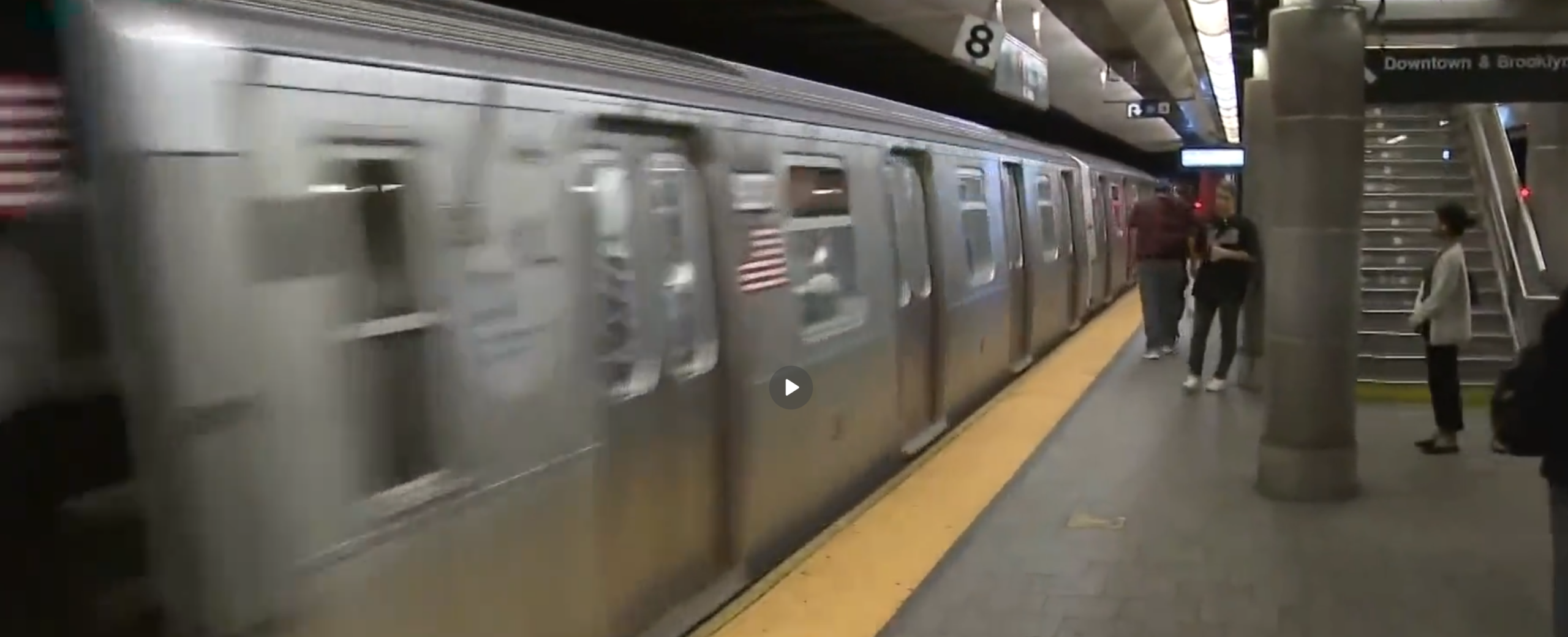
Cases like this one force a broader conversation about safety on public transit, but also about the systems that exist to prevent them and the gaps that remain. Semrade was living in a shelter at the time of the attack. While homelessness and violence are not causally linked, the case does highlight the importance of mental health resources and support systems in urban environments, particularly for individuals in transitional housing.
For everyday riders, the incident is a reminder of how vulnerable public spaces can be and why transit safety advocacy matters. Random attacks on subway platforms are statistically rare, but their consequences can be life-altering in seconds. Ozsoy did nothing wrong. She was standing on a platform. That is all it took.
The case also underscores how critical witness cooperation, surveillance technology, and rapid law enforcement response are in solving transit crimes. Semrade was identified and arrested within two days, largely due to video footage and swift NYPD action, which made prosecution possible and justice achievable.
NYC Subway Crime Is Trending in the Right Direction
Despite the severity of this case, it is worth noting that the broader picture for New York City subway safety has been improving. NYPD data from CompStat shows that transit crime dropped about 2.3% compared to the previous year and fell more than 17% compared to the prior month. Governor Kathy Hochul announced in December that subway crime had hit its lowest level in 16 years.
That said, felony assaults on transit remained a stubborn outlier within an otherwise improving landscape in 2025. Pushes, shoves, and violent attacks in enclosed platform spaces represent a specific and serious risk category that officials continue to monitor.
The Metropolitan Transportation Authority has taken steps to address platform safety more directly. Barriers have now been installed at more than 100 subway stations across the city, a physical intervention designed to reduce the risk of riders being pushed or falling onto tracks. The expansion of those barriers will be closely watched in the years ahead as a potential deterrent to exactly the kind of attack that shattered Emine Ozsoy’s life on an otherwise unremarkable afternoon in 2023.