
A fascinating paradox exists in modern travel: many destinations create such secure bubbles around tourists that visitors experience these places as far safer than the locals who call them home. Through strategic policing, economic incentives, and carefully managed tourist zones, these locations offer travelers a sanitized version of reality that can be strikingly different from residents’ daily experiences. Understanding this dynamic reveals important truths about tourism economics and the complex relationship between visitor safety and local quality of life.
Mexico City, Mexico
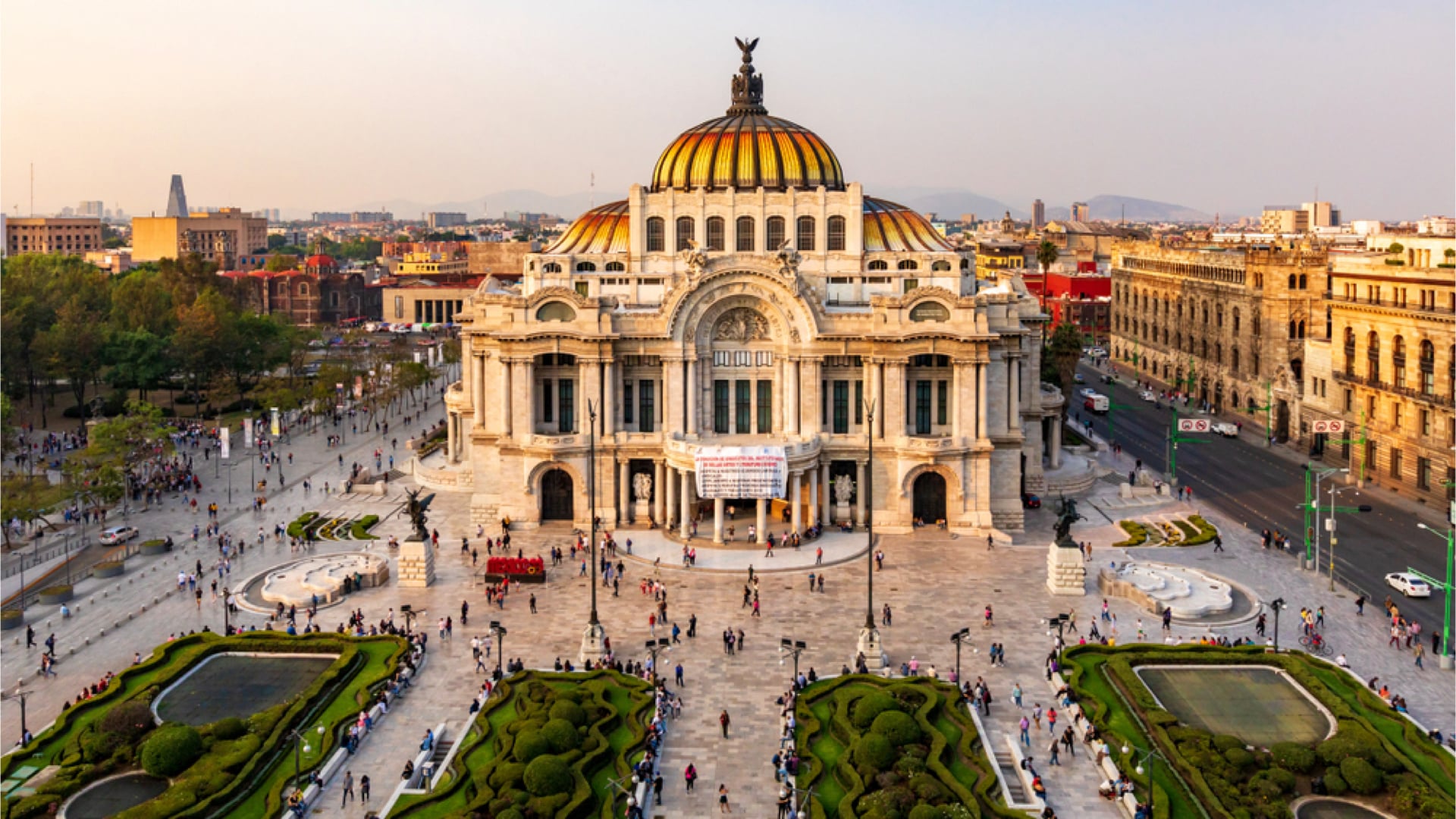
Mexico City’s Polanco and Roma Norte neighborhoods showcase how tourist-focused areas receive dramatically different security treatment than residential districts. Heavy police presence around major hotels and tourist attractions creates a protective bubble that many visitors mistake for citywide safety conditions.
The contrast becomes apparent when comparing crime statistics between tourist zones and outlying neighborhoods where most Mexico City residents live. While visitors enjoy 24/7 security patrols around the Zócalo and museum district, residents in areas like Iztapalapa face significantly higher crime rates with limited police response times.
Tourist police units specifically trained to assist international visitors provide rapid response to incidents involving foreigners, while local residents often experience lengthy delays for similar crimes. This two-tiered system creates positive impressions for visitors while masking systemic security challenges affecting local communities.
Istanbul, Turkey

Istanbul’s Sultanahmet district receives concentrated security resources that create a remarkably safe environment for tourists visiting major attractions like Hagia Sophia and the Blue Mosque. Plain-clothes officers monitor tourist areas continuously, while rapid response teams ensure immediate attention to any incidents involving visitors.
Meanwhile, Istanbul residents in outer districts experience different policing priorities, with resources concentrated on protecting tourism revenue rather than addressing local crime concerns. The economic importance of tourism drives security decisions that favor short-term visitors over long-term residents’ safety needs.
The language barrier actually works in tourists’ favor, as police officers assigned to tourist areas typically speak English and receive cultural sensitivity training, creating more positive interactions than many residents experience with local law enforcement.
Bangkok, Thailand

Bangkok’s tourist police force operates as a separate entity focused exclusively on visitor safety, providing services and response times that exceed what’s available to local residents. Tourist police officers receive English language training and cultural awareness education that creates notably different interaction experiences.
The concentration of security resources around areas like Khao San Road, Sukhumvit, and the Grand Palace means tourists experience Bangkok as highly safe and well-policed, while residents in suburban districts face different crime prevention priorities and longer police response times.
Economic incentives drive this disparity, as tourism revenue represents a crucial component of Thailand’s economy. Government policies explicitly prioritize tourist safety to maintain international reputation, creating resource allocation that favors visitors over residents in security planning and implementation.
Marrakech, Morocco

Marrakech’s medina operates under intensive tourist police surveillance that creates a secure environment for visitors navigating the souks and major attractions. Undercover officers monitor popular tourist routes continuously, while rapid response protocols ensure immediate attention to any incidents involving international visitors.
Local residents outside tourist zones experience different policing priorities, with fewer resources dedicated to residential neighborhoods compared to areas where tourists concentrate. This creates a stark contrast between the medina’s tourist experience and the reality faced by Marrakech residents in peripheral areas.
The economic importance of tourism drives security policies that explicitly prioritize visitor safety over addressing local crime concerns. Hotel security coordination with police creates additional protection layers for tourists that aren’t available to residents.
Cairo, Egypt
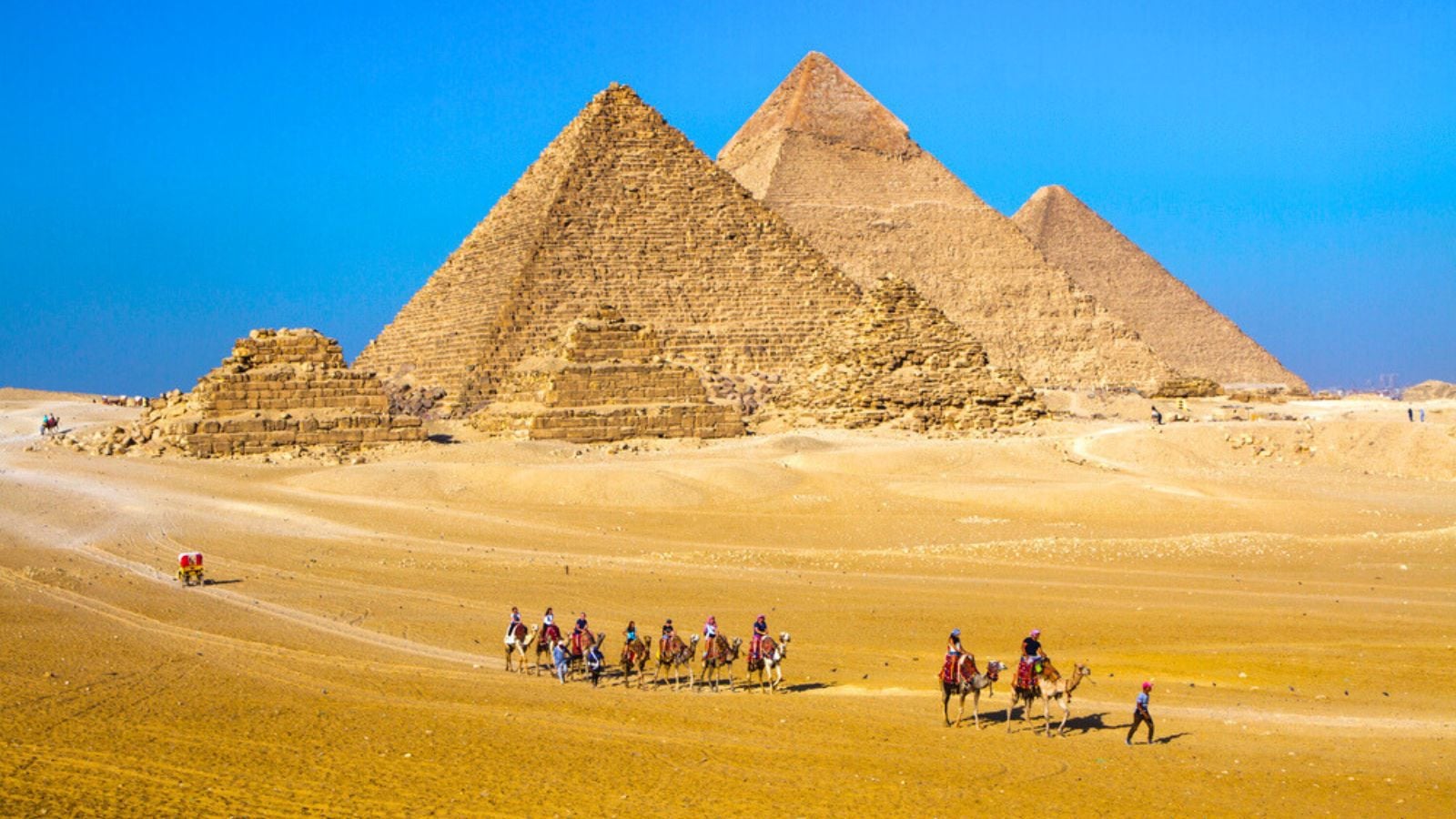
Cairo’s tourist police maintain visible presence around major attractions like the Pyramids, Egyptian Museum, and Khan el-Khalili bazaar, creating security conditions that many visitors find reassuring. These specialized units respond immediately to tourist concerns while providing English-language assistance unavailable to local residents.
The contrast with residential Cairo becomes apparent in areas where tourists rarely venture, where police resources are stretched thin and response times for local emergencies can be significantly longer. Tourist zones receive priority treatment that creates misleading impressions about overall city safety.
Government policies explicitly direct security resources toward protecting tourism revenue, meaning visitors experience Cairo through a carefully managed lens that differs substantially from residents’ daily reality. This protection extends to tourist transportation, hotels, and dining areas.
Rio de Janeiro, Brazil

Rio’s Copacabana and Ipanema beaches showcase how tourist policing creates safe zones that contrast sharply with security conditions in residential favelas and suburban areas. Tourist police units provide immediate response to incidents involving visitors while maintaining visible presence around major attractions.
The economic incentives driving this disparity are particularly stark in Rio, where tourism revenue provides crucial foreign currency while local residents in many neighborhoods face ongoing security challenges. Beach patrols, hotel security coordination, and rapid response protocols create a tourist bubble that masks broader urban safety issues.
Visitors often report feeling remarkably safe in tourist areas while remaining unaware of the security concerns affecting local communities just miles away from their hotels and beach experiences.
New Delhi, India
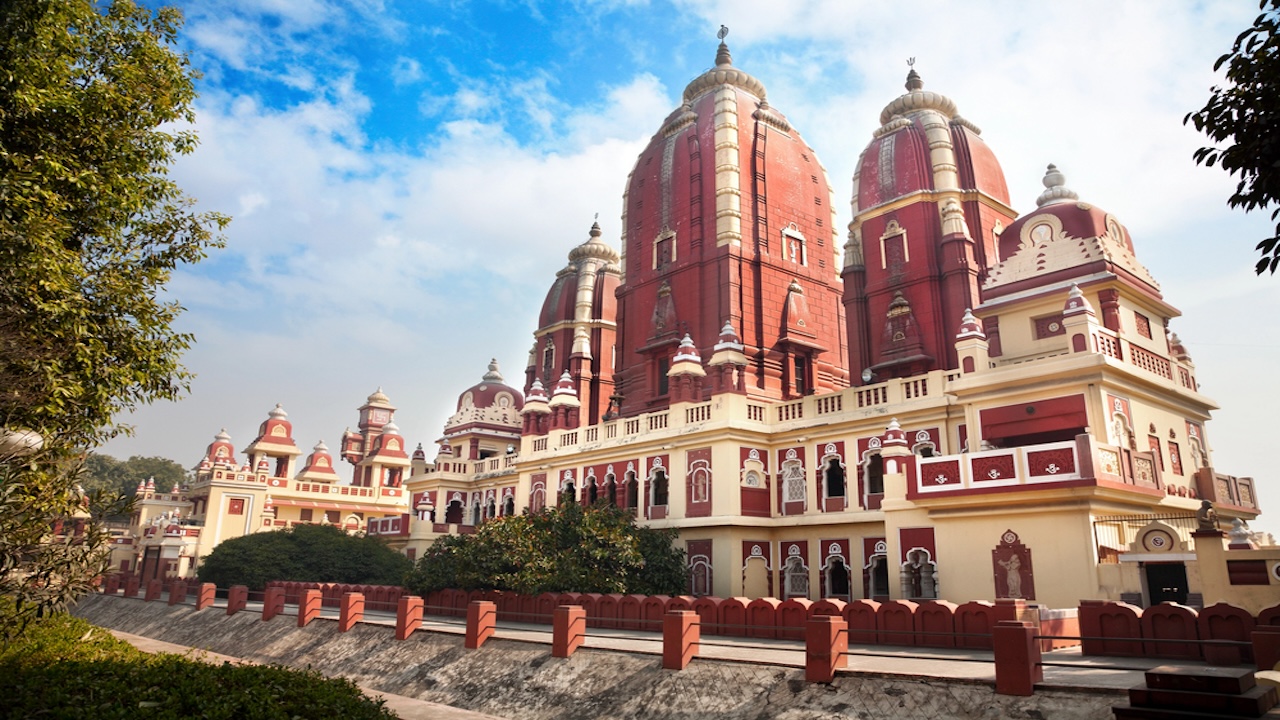
New Delhi’s tourist areas receive concentrated police attention that creates secure environments around major attractions like India Gate, Red Fort, and Connaught Place. Dedicated tourist police units provide English-language assistance and rapid response that exceeds services available to local residents.
The contrast becomes apparent when comparing police presence and response times between tourist districts and residential areas where Delhi residents face different security priorities. Economic incentives drive resource allocation that favors visitor safety over local community policing needs.
Tourist-focused infrastructure including secure transportation options, monitored shopping areas, and hotel security coordination creates protection layers that aren’t available to residents navigating daily life in India’s capital.
Guatemala City, Guatemala
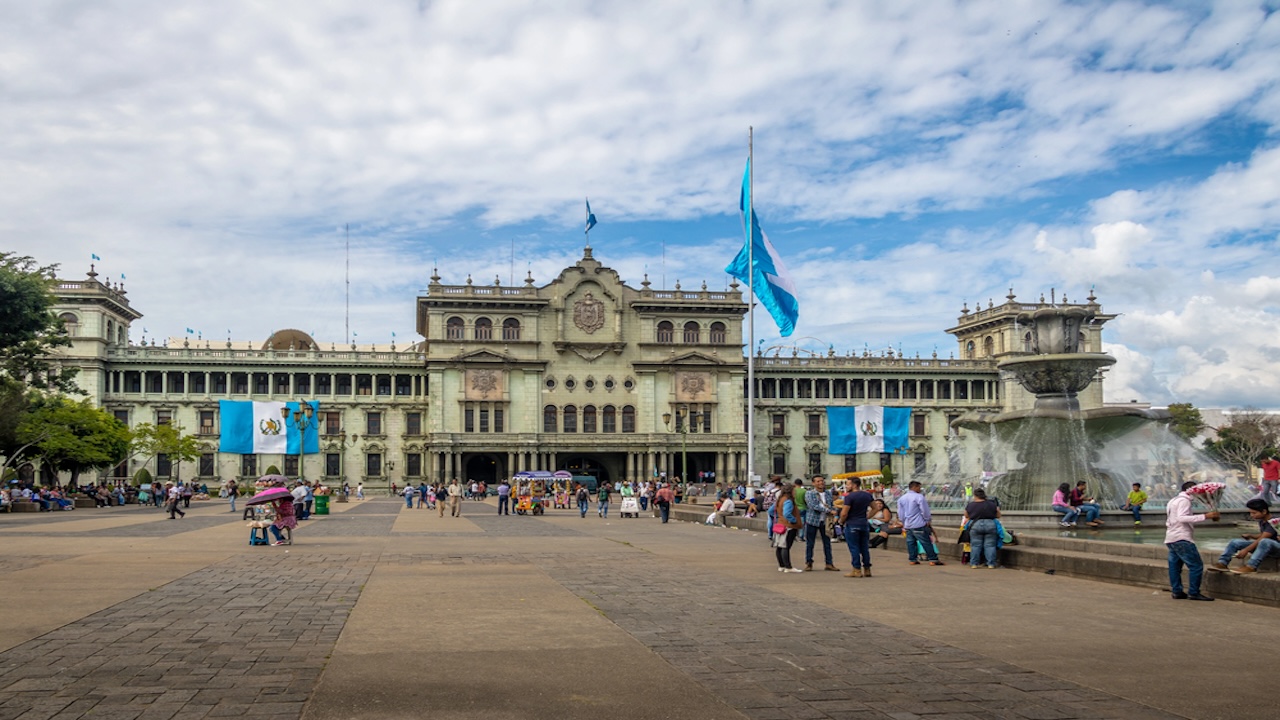
Guatemala City’s Zona 1 and tourist hotel districts receive intensive security attention that creates remarkably safe environments for visitors, contrasting sharply with security conditions in residential neighborhoods. Tourist police units provide immediate response and English-language assistance that exceeds services available to local residents.
The economic importance of tourism drives security policies that explicitly prioritize visitor protection, creating resource allocation decisions that favor tourists over local community safety needs. This disparity becomes particularly apparent when comparing police response times and security presence between tourist and residential areas.
Visitors often experience Guatemala City as well-policed and secure while remaining unaware of the broader security challenges affecting local communities throughout the metropolitan area.
Lima, Peru

Lima’s Miraflores and Barranco districts showcase how tourist-focused policing creates secure environments that contrast with conditions in outer residential areas. Tourist police provide immediate assistance to visitors while maintaining visible presence around hotels, restaurants, and attractions.
Local residents in areas like Villa El Salvador or San Juan de Lurigancho experience different policing priorities, with fewer resources dedicated to community safety compared to tourist zone protection. Economic incentives drive security decisions that favor short-term visitors over long-term residents.
The concentration of security resources around tourist areas creates positive impressions for visitors while masking systemic safety challenges affecting Lima’s broader population.
Nairobi, Kenya
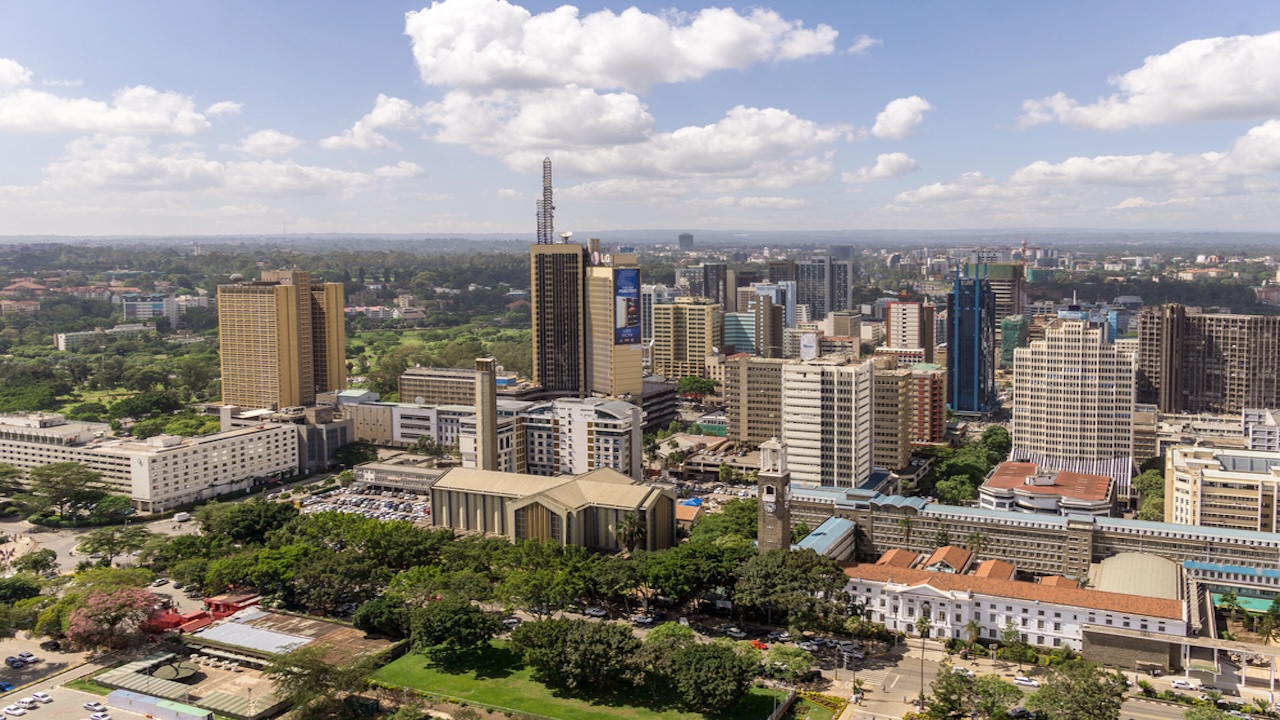
Nairobi’s tourist areas receive concentrated security attention that creates safe environments around major hotels and attractions, contrasting with security conditions in residential neighborhoods. Tourist police units provide rapid response and English-language assistance unavailable to many local residents.
The economic importance of tourism drives resource allocation decisions that favor visitor safety over local community policing needs. This creates stark contrasts between tourist experiences and resident reality in Kenya’s capital city.
Visitors often report feeling secure in Nairobi’s tourist districts while remaining unaware of broader security challenges affecting local communities throughout the metropolitan area.
Mumbai, India

Mumbai’s tourist districts around major hotels and attractions receive intensive police attention that creates secure environments for visitors. Tourist police units provide English-language assistance and rapid response that exceeds services available to many local residents.
The concentration of security resources in areas where tourists concentrate creates protection that isn’t available to Mumbai residents in suburban areas or local neighborhoods. Economic incentives drive policing decisions that favor visitor safety over local community needs.
This resource allocation creates positive tourist experiences while masking broader security challenges affecting Mumbai’s vast residential population.
Manila, Philippines

Manila’s tourist hotel districts receive concentrated police attention that creates secure environments contrasting with conditions in residential barangays. Tourist police provide immediate assistance to visitors while maintaining visible presence around major attractions and hotels.
Local residents in areas outside tourist zones experience different policing priorities, with fewer resources dedicated to community safety compared to visitor protection. Economic incentives drive security policies that favor tourists over local community policing needs.
The disparity between tourist experiences and resident reality becomes particularly apparent when comparing police response times and security presence between different areas of Metro Manila.
The Economics of Tourist Safety
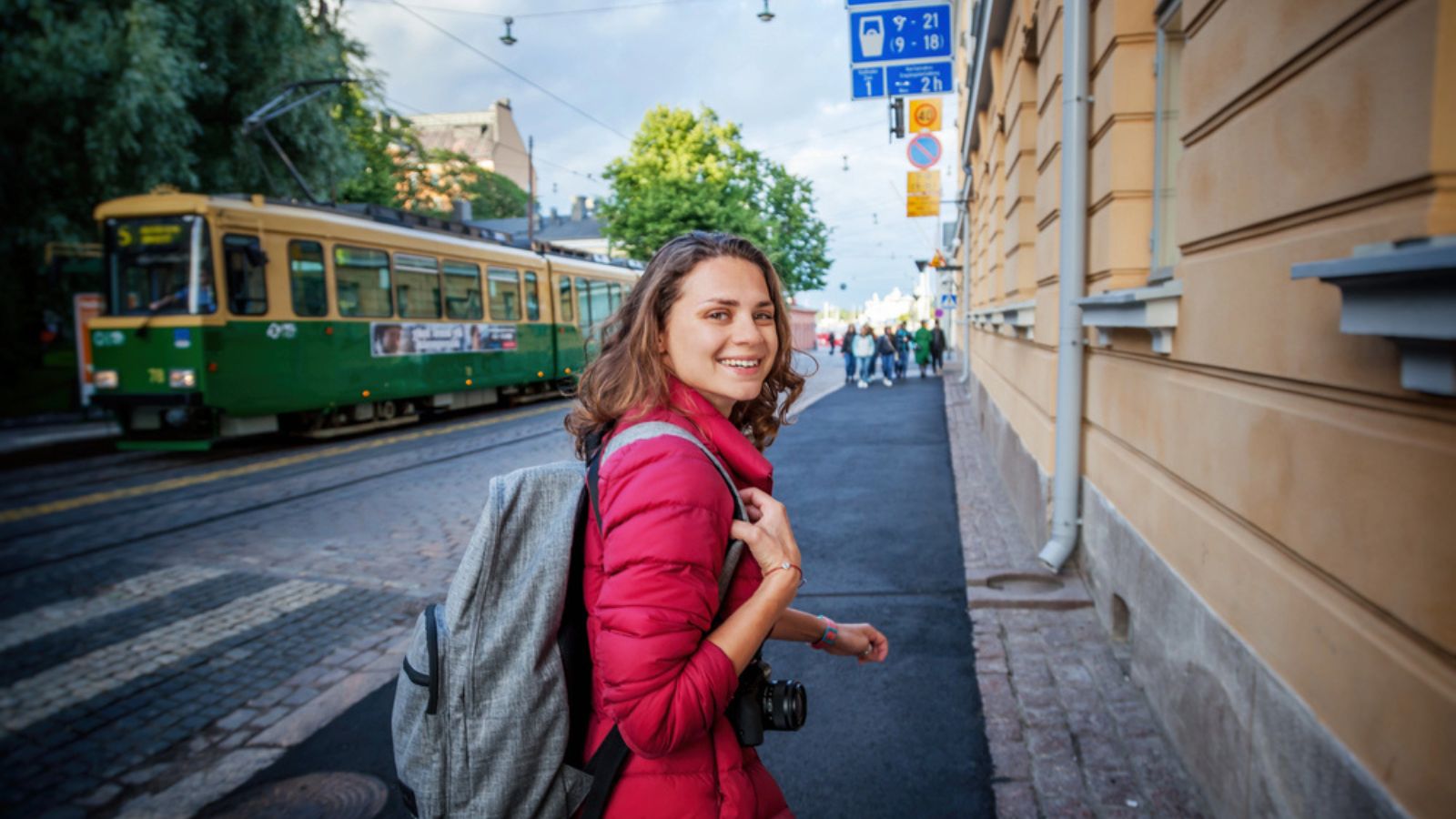
This pattern reveals how tourism economics influence security resource allocation in destinations worldwide. Governments prioritize visitor safety to protect crucial tourism revenue, creating two-tiered systems that favor short-term visitors over long-term residents’ security needs.
Understanding this dynamic helps explain why many destinations receive positive safety reviews from tourists while local residents experience different realities. It also highlights the complex relationship between tourism development and local quality of life in destinations dependent on visitor revenue.
For travelers, recognizing these disparities encourages more thoughtful engagement with destinations and greater awareness of how tourism impacts local communities beyond the carefully managed tourist experience.