
At some point on a flight, plenty of people notice the same odd detail. Near the bottom of the window, there is a tiny opening that looks like a flaw, a chip, or something that should not be there at all. It is easy to assume damage, especially when everything else in a modern jet cabin looks tightly sealed and carefully finished.
In reality, that little opening is there on purpose. What looks like a defect is actually a deliberate part of the passenger-window assembly, and it exists because the window beside your seat is not just a sheet of transparent material. It is a small engineered system built to cope with pressure differences, moisture, and everyday wear.
That matters because an airliner spends cruise time in a pressurized cabin while the real altitude outside remains far higher. FAA material on pressurization explains that aircraft maintain a cabin altitude below the airplane’s actual flight altitude, which means the structure is constantly dealing with a pressure difference in normal flight.
Once you know that, the tiny hole stops looking strange and starts looking like one more quiet piece of engineering doing an important job. It helps the window assembly handle pressure the way designers intended, and it also plays a role in keeping the pane usable instead of fogged or compromised in service.
1. It Is Not Damage. It Is a Deliberate Part of the Window Design
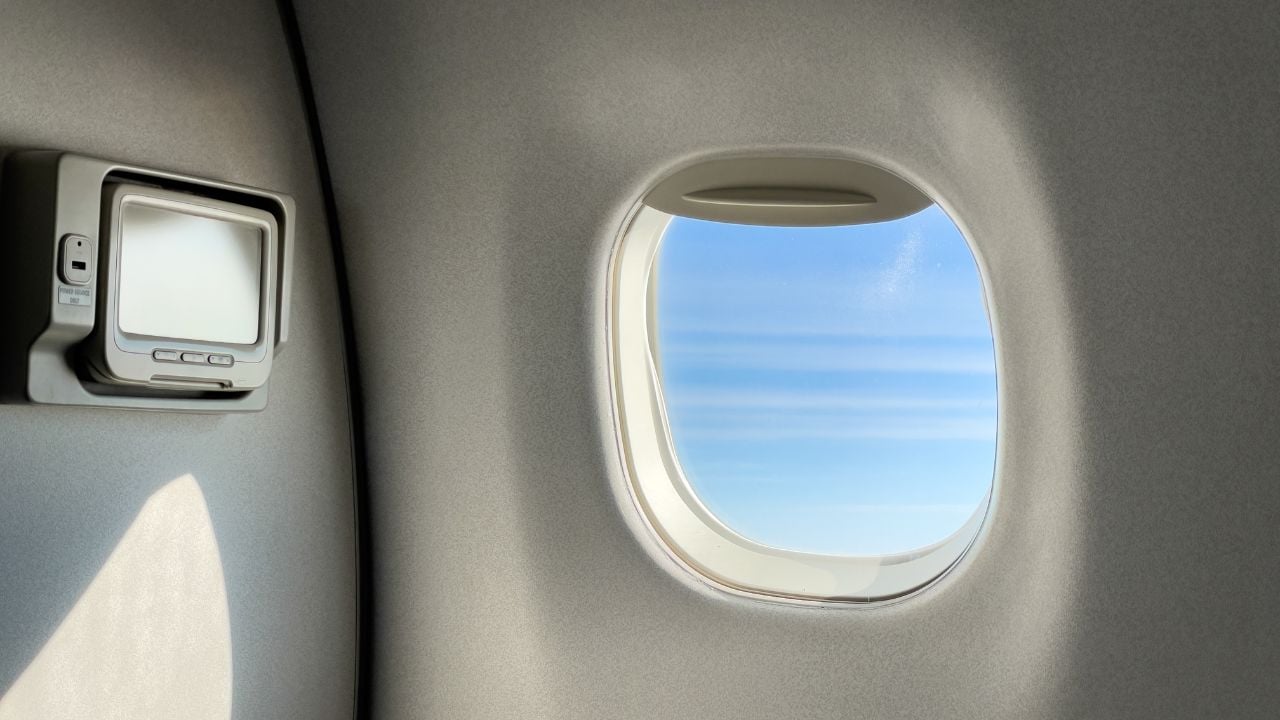
Commercial airliner passenger windows are not made from a single household-style pane. FAA reference material describes a multi-panel acrylic assembly with structural layers and an inner protective layer, which is one reason the window can do far more than a simple piece of glass ever could.
That is the first thing worth understanding. The little hole is not some random imperfection that slipped past quality control. It belongs to a layered design that was meant to operate in a pressurized aircraft cabin, which is why engineers treat it as part of the solution rather than part of the problem.
2. The Tiny Hole Helps the Window Deal With Pressure Changes
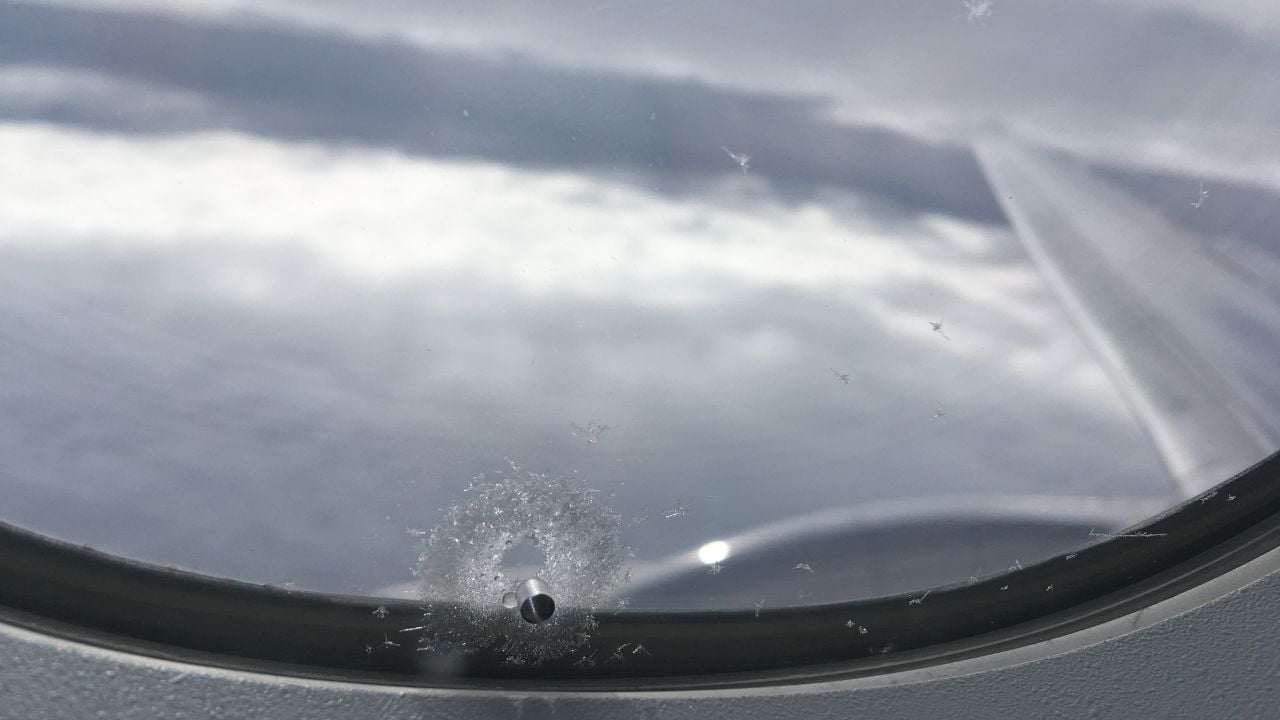
A Boeing patent describes the feature as a breather hole, sometimes also called a vent hole, used to equalize pressure in the cavity between panes as cabin pressure changes. That is the core reason it exists. It allows the assembly to “breathe” instead of trapping the wrong pressure between layers while the aircraft climbs, cruises, and descends.
That pressure behavior is important because the load needs to end up where the window was designed to carry it. The small opening helps the assembly manage that relationship properly, rather than letting pressure build in the wrong space between panes. In simple terms, the hole helps the window handle flight the way engineers intended, not the way trapped air would force it to.
3. It Also Helps Keep the Window Usable
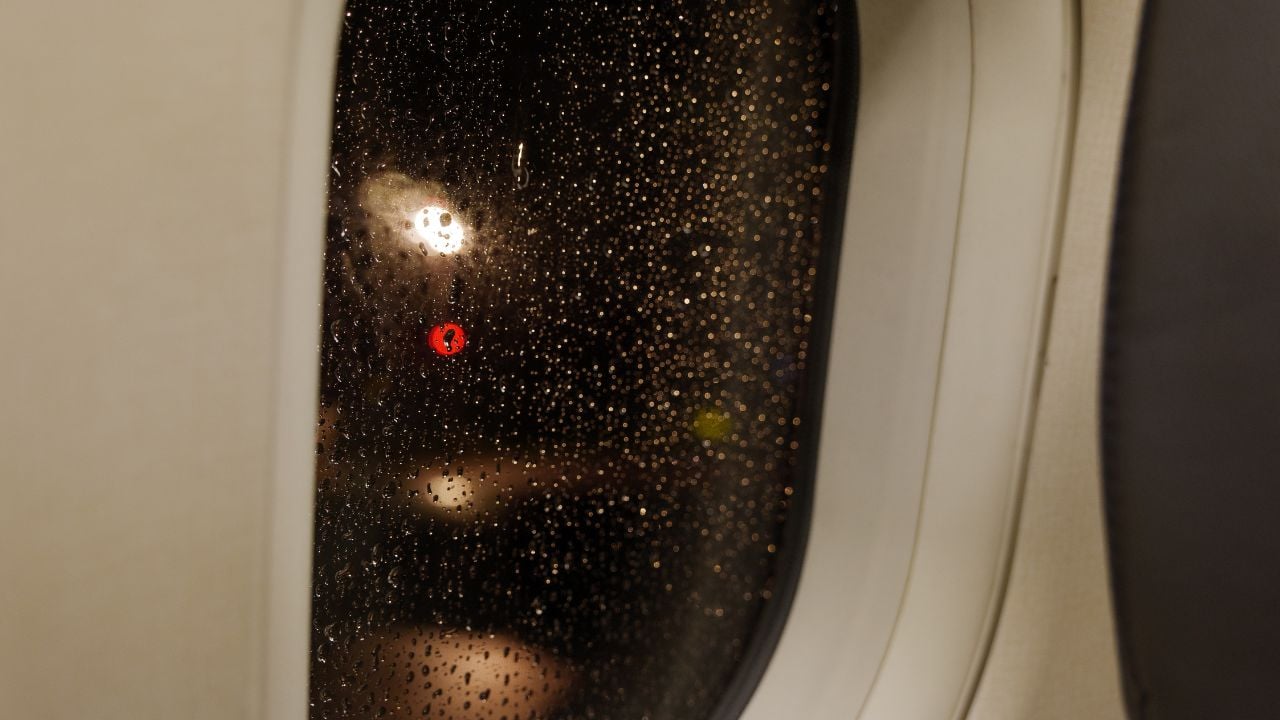
Pressure management is the main story, but it is not the only one. The same Boeing patent also discusses fogging behavior and airflow through breather holes, which tells you the feature is tied not only to pressure control but also to moisture management inside the assembly.
That matters for a very practical reason. A passenger window still has to remain clear enough to be usable, and engineers do not want moisture behavior inside the layers working against visibility. So the hole is not there to ruin your photo. It is part of the balance between pressure control, airflow, and keeping the window from becoming a cloudy mess in service.
4. It Is a Good Example of Aviation Engineering Hiding in Plain Sight

Airplane cabins are full of parts that look simple only because the complicated thinking happened long before passengers boarded. The pressurization system, the layered acrylic window assembly, and even a tiny breather hole all exist because a jet spends every flight balancing comfort inside the cabin against a far harsher environment outside it.
That is why the little opening should feel reassuring, not alarming. It is there because the window was designed for real flight loads, real pressure differences, and real day-to-day service conditions. Once you know that, the tiny dot near the bottom of the pane stops looking like a flaw and starts looking like what it really is: a small, deliberate answer to a very real engineering problem.