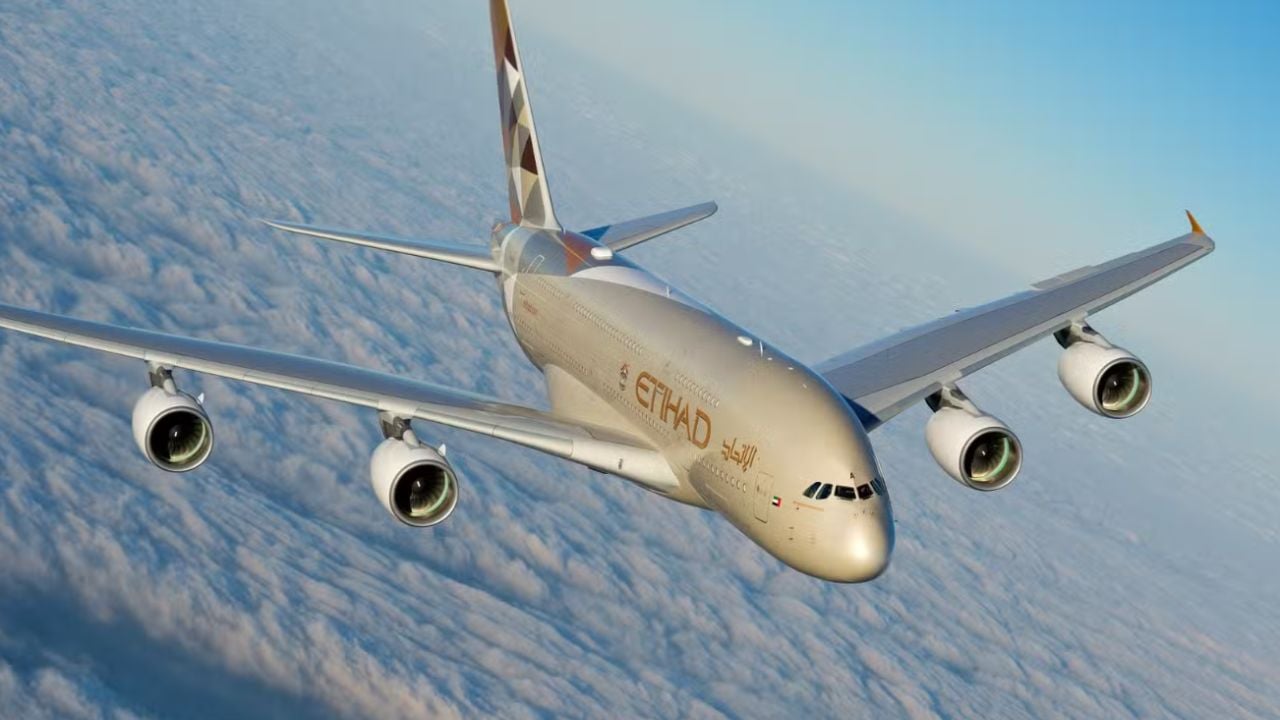
The Airbus A380 is the largest passenger airliner ever built, with a maximum takeoff weight up to about 575 metric tons, or roughly 1.27 million pounds, depending on the version.
In a typical three-class layout, Airbus lists it at around 525 passengers, and it is certified for up to 853 in an all-economy configuration.
With that kind of mass, it is easy to assume the A380 is simply underpowered, but the real story is more nuanced.
The aircraft can climb just fine, but its climb profile often looks relaxed compared with smaller jets because of how thrust, weight, aerodynamics, procedures, and air traffic constraints all stack up during the first part of the flight.
Thrust-to-Weight Matters More Than Raw Power
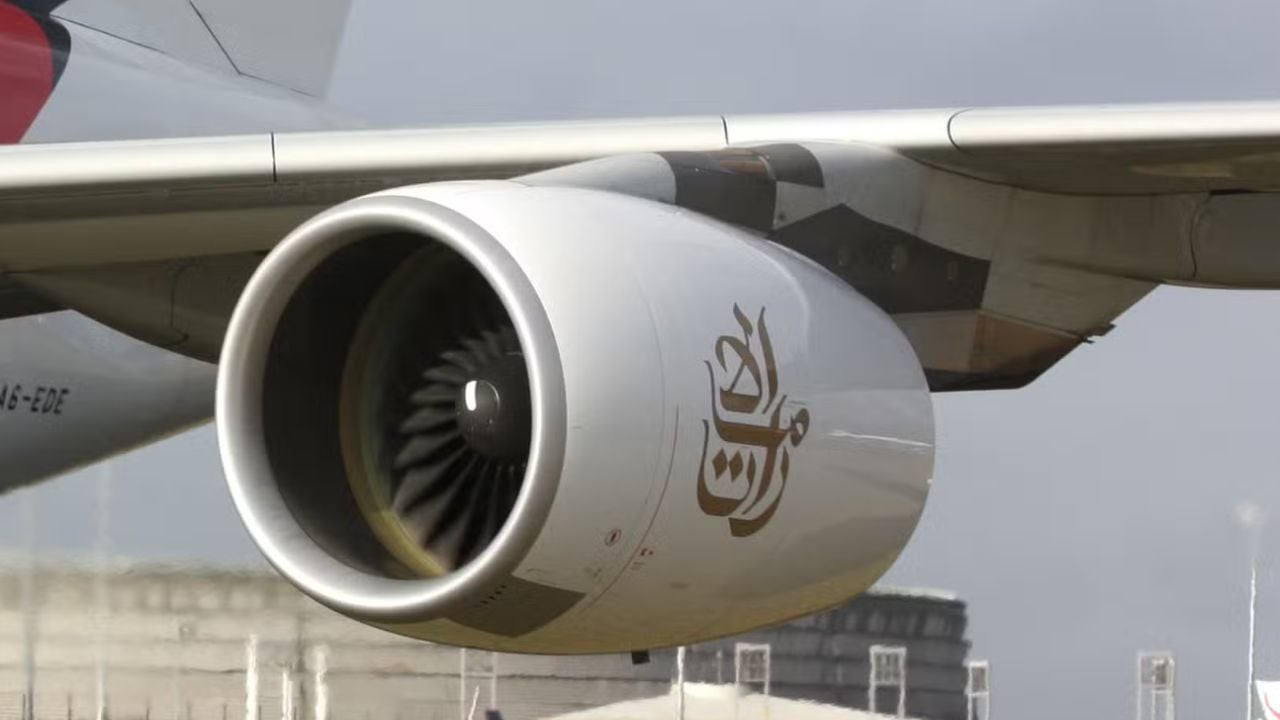
A380 engines are extremely powerful, but the airplane is also extremely heavy, especially right after takeoff on a long-haul sector when it is loaded with fuel. That thrust-to-weight balance is the basic reason its initial climb rate is not as punchy as a narrow-body jet that weighs a fraction as much. The A380’s Rolls Royce Trent 900 variants, for example, are certified across takeoff thrust ratings of about 334 to 374 kN, roughly 75,000 to 84,000 pounds of thrust per engine, depending on the exact variant.
There is also the wing. The A380’s huge wing is optimized to be efficient at cruise with a very high lift capability, but like any long-range wide body, it is designed around the full mission profile, not just the maximum climb angle right off the runway.
Speed Limits And Airline Procedures Can Make The Climb Look Slower
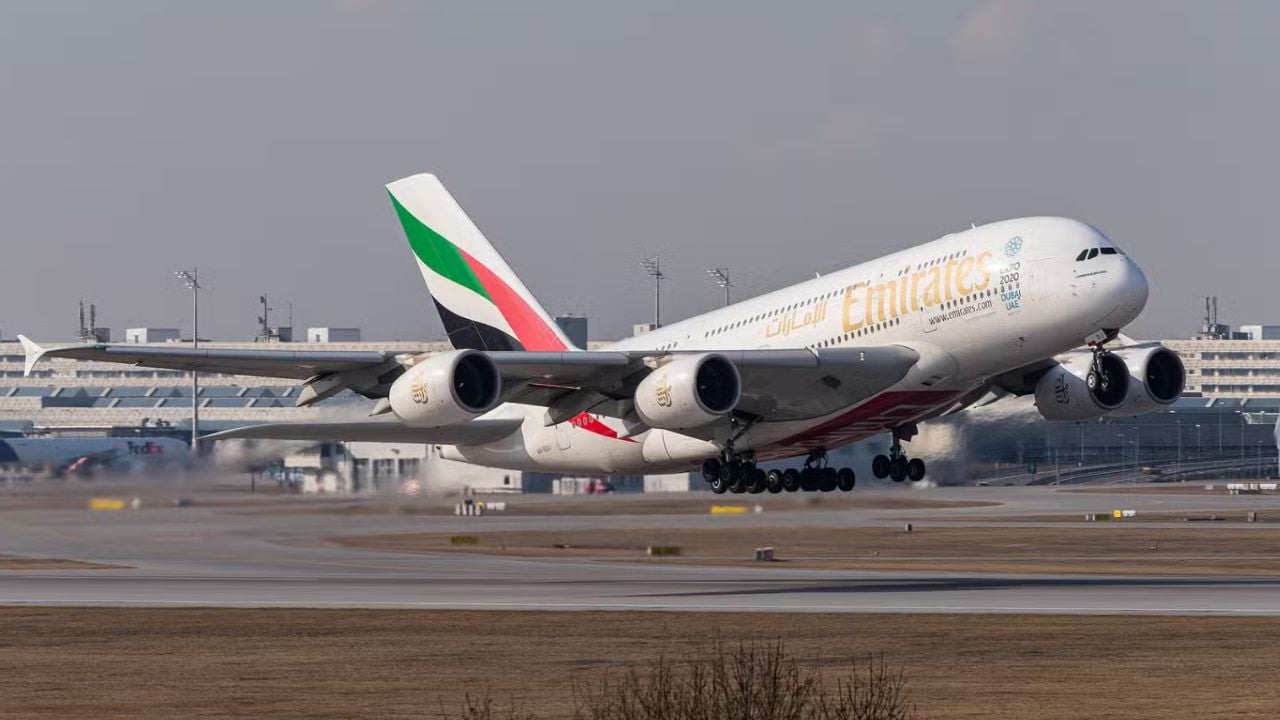
In busy terminal airspace, climb is rarely “firewall the thrust and point it uphill.” In the United States, for example, there is a general 250-knot indicated airspeed limit below 10,000 feet MSL unless specifically authorized. That regulatory cap alone shapes how quickly an airliner can trade speed for altitude during the first minutes of flight.
Airlines also frequently use reduced thrust takeoffs and managed climb profiles to reduce engine wear, noise, and fuel burn when conditions allow. That does not mean the airplane cannot climb faster; it means the operator is choosing an efficient, repeatable profile.
What The A380’s Climb Rates Typically Look Like
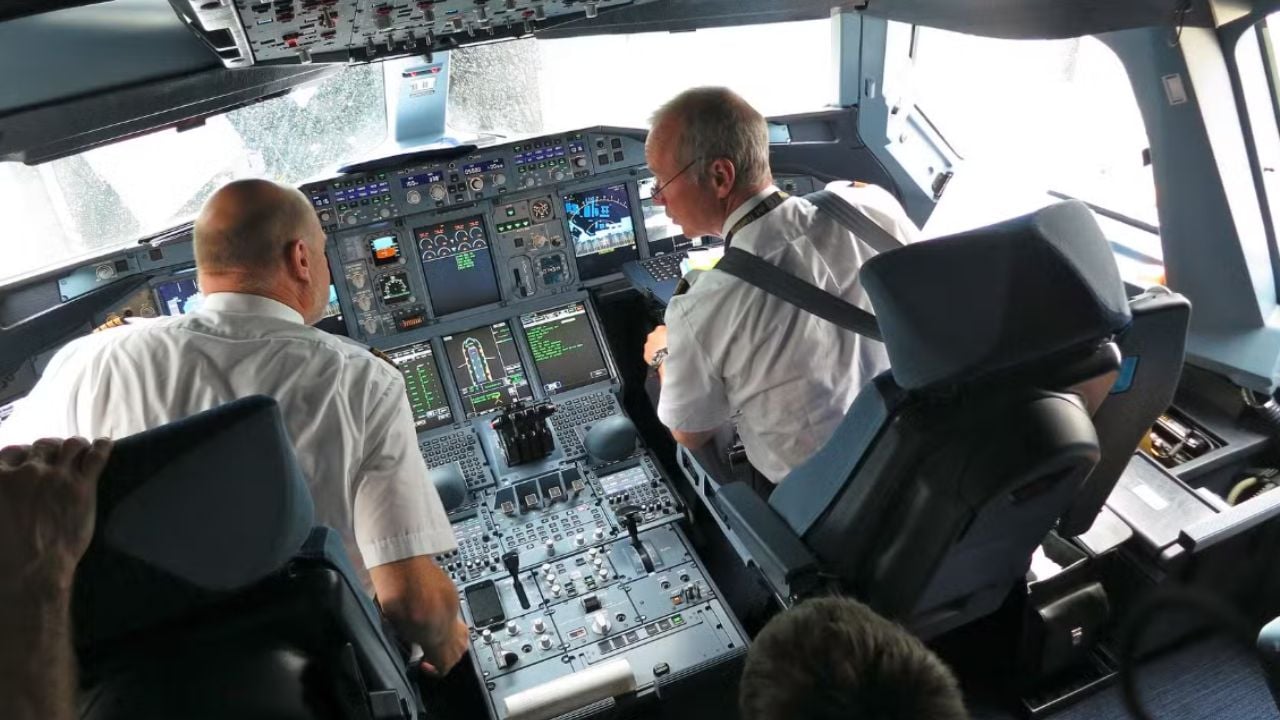
One widely shared summary citing EUROCONTROL data suggests that from takeoff to about 5,000 feet, a representative climb rate is around 1,500 feet per minute at roughly 190 knots indicated. After climbing higher, it suggests the aircraft can sustain stronger rates closer to about 2,500 feet per minute at higher indicated speeds around 320 knots, depending on weight and conditions.
As the aircraft approaches cruise altitude, climb rate naturally tapers. Jet engines produce less thrust in thinner air, and the airplane is flying at higher true airspeeds where the margin to buffet limits becomes smaller. It is also normal for long-haul aircraft to step climb, starting at a lower initial cruise level and then climbing again later as fuel burns off.
Why Only Some Airports Can Handle It
The A380’s wingspan is 79.75 meters, which places it in ICAO Code F for airport design, and that drives requirements for runway and taxiway geometry, gate spacing, and pavement strength. Many airports upgraded to handle it, but not every field can accommodate Code F operations smoothly.
Bottom Line
The A380 often appears to climb slowly because it is extraordinarily heavy at takeoff, it flies managed profiles shaped by speed limits and ATC flow, and its performance is optimized for efficient long-range cruise rather than dramatic initial climb. When conditions demand it, the A380 has plenty of climb capability, but most of the time it is simply following the most efficient and compliant profile for the airspace and the mission.
This article originally appeared on Autorepublika.com and has been republished with permission by Guessing Headlights. AI-assisted translation was used, followed by human editing and review.