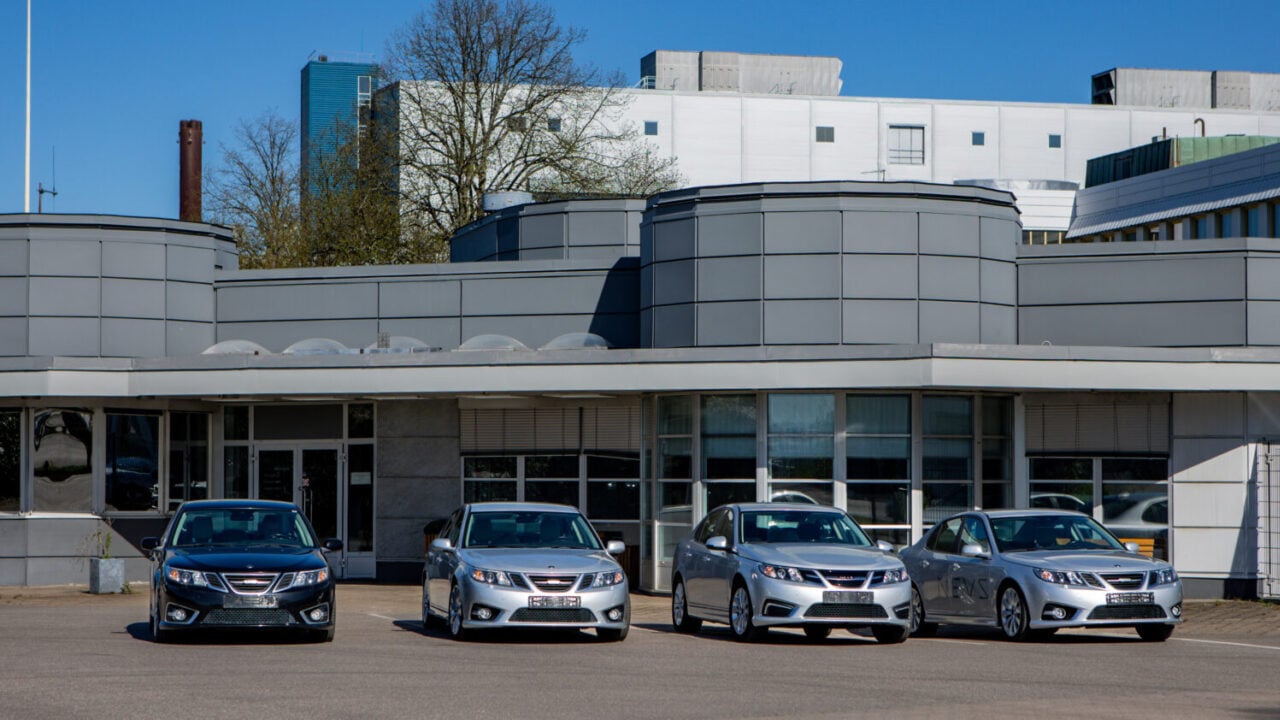
For Saab enthusiasts, this may be one of the most emotional automotive auctions in years. The final remaining Saab vehicles sitting inside the company’s historic Trollhättan factory in Sweden are officially heading to auction, marking what feels like the true closing chapter for one of the industry’s most beloved cult brands.
The collection includes some genuinely fascinating machines, ranging from pre-production Saab 9-3 sedans to bizarre electric prototypes developed during the NEVS era after Saab’s collapse. Several of the cars were never registered, while others contain experimental technology that never made it anywhere near production.
Even more remarkable is the fact that every vehicle will be sold without reserve. That means one of the final Saabs ever built could theoretically sell for a bargain price, although collectors and diehard fans will almost certainly drive bidding far higher once the auction opens later this month.
The sale also carries heavy historical weight because it effectively marks the end of Trollhättan as a Saab facility. For decades, the Swedish factory produced some of the auto industry’s quirkiest and most distinctive vehicles before Saab’s long financial decline ultimately brought the company down.
The Last Saabs Ever Built Are Finally Leaving Trollhättan
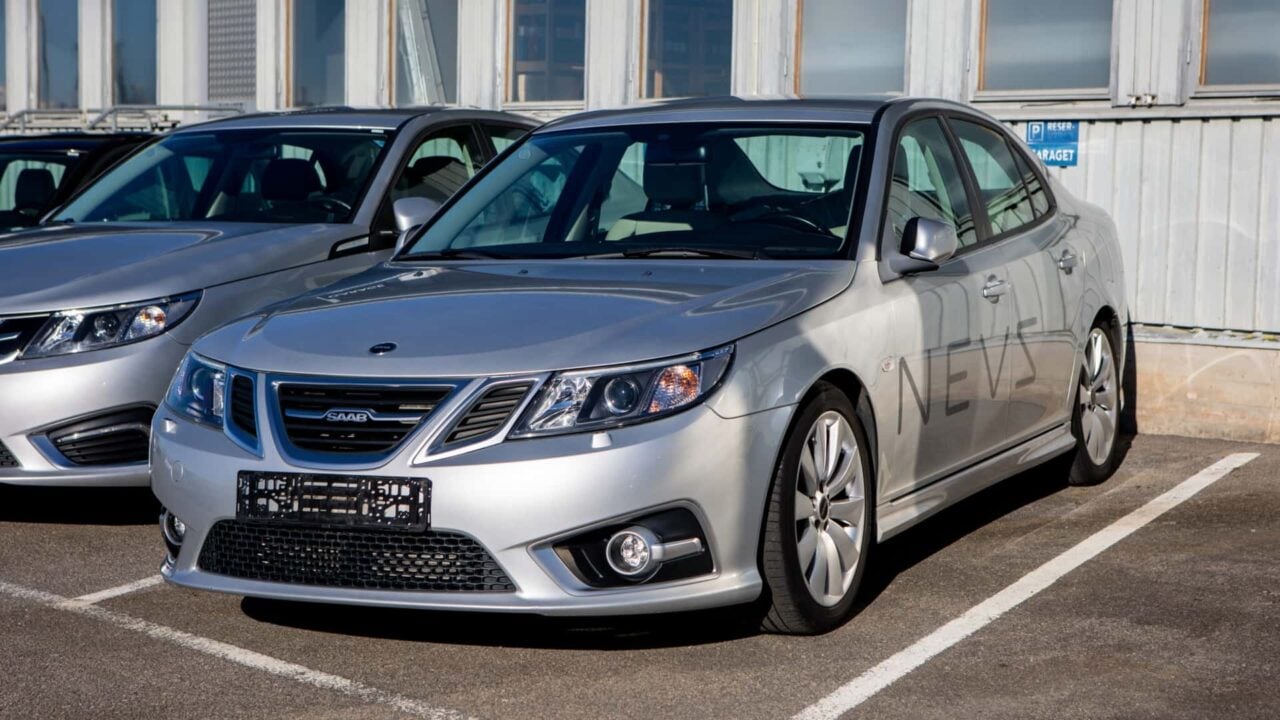
The auction will feature seven Saab 9-3-based vehicles currently owned by NEVS, or National Electric Vehicle Sweden, the company that acquired Saab’s assets after the automaker collapsed in 2012. Bidding opens on May 21, while the final auction event takes place on May 30 directly at the Trollhättan factory.
Visitors will also be allowed inside the facility for one final public farewell. That alone will likely attract Saab fans from across Europe and beyond, especially given the emotional connection many enthusiasts still have with the brand.
Among the vehicles are three pre-production gasoline-powered Saab 9-3 models originally intended for a planned production restart in 2014. Instead of entering showrooms, they remained trapped inside the factory for years as Saab’s future slowly faded away.
The Prototype Collection Gets Properly Weird
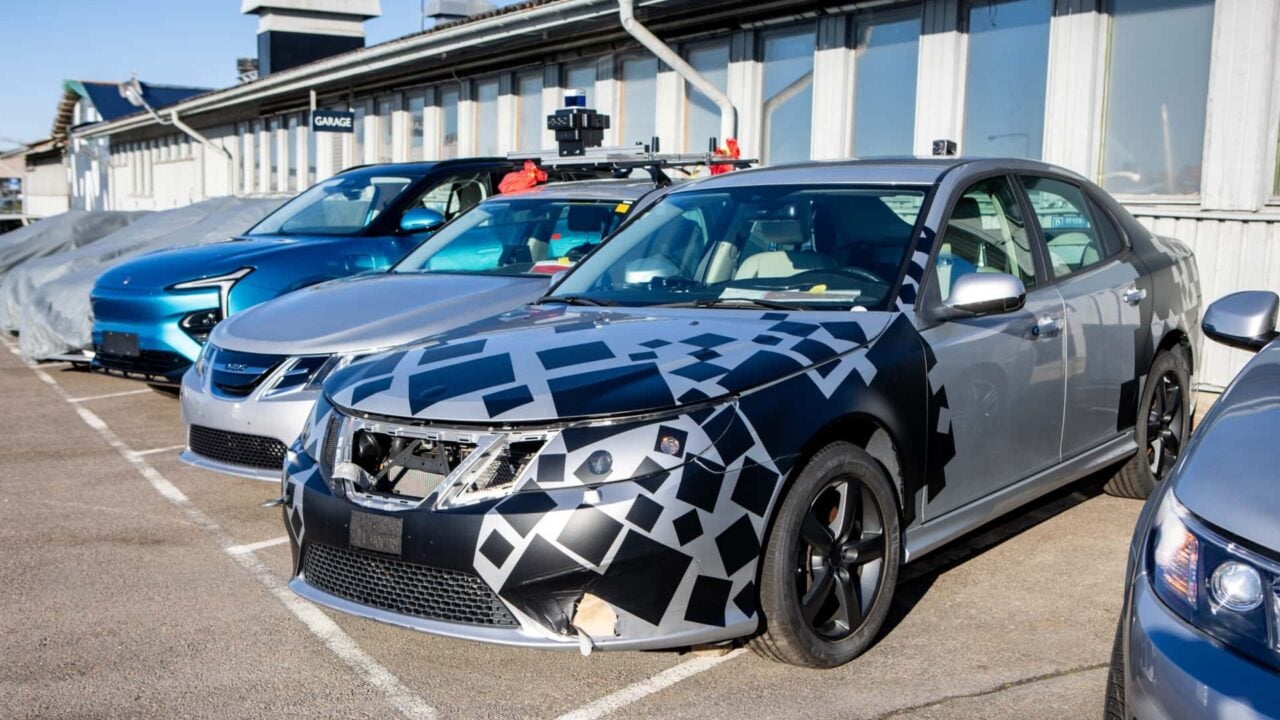
The most fascinating vehicles in the auction may actually be the later NEVS prototypes. These experimental models showcase the strange and ambitious direction Saab’s remnants were attempting to pursue after the original company disappeared.
One prototype is an electric Saab 9-3 developed in Trollhättan but built in China. Another features four in-wheel electric motors, a setup that sounds remarkably similar to the technology recently previewed in the Emily GT concept.
Perhaps the strangest example is a range-extender prototype that combines electric propulsion with a gasoline engine. Another development car includes autonomous-driving hardware such as lidar, cameras, and GPS systems, turning it into a glimpse at an alternate future Saab never got the chance to explore.
Saab’s Legacy Still Resonates With Enthusiasts
Few dead automakers continue inspiring loyalty quite like Saab. The company built a reputation around unconventional engineering, turbocharged performance, aircraft-inspired design, and a stubborn refusal to follow industry trends.
Saabs were often quirky in ways that made them deeply lovable to owners. Whether it was the unusual ignition placement, wraparound windshields, hatchback practicality, or turbocharged engines that delivered surprising performance, Saab developed a personality that many modern cars simply lack.
That emotional connection explains why clean older Saabs, especially models like the 900 Turbo and 9-3 Viggen, still maintain passionate followings years after the brand disappeared.
A Final Goodbye To An Automotive Original
Saab originally began life as an aircraft manufacturer before introducing its first production car in 1949. General Motors eventually acquired the company outright in 2000, but Saab struggled financially for years before collapsing during the aftermath of the global financial crisis.
After Saab’s bankruptcy, Spyker briefly attempted to save the company before its own financial troubles opened the door for NEVS to take over the remaining assets. Despite ambitious EV plans, NEVS never successfully revived Saab production at scale.
Now, with the final vehicles leaving Trollhättan, this auction feels less like a normal car sale and more like a museum collection being dispersed into private hands. For Saab fans, it represents the final farewell to one of the auto industry’s most wonderfully unconventional brands.