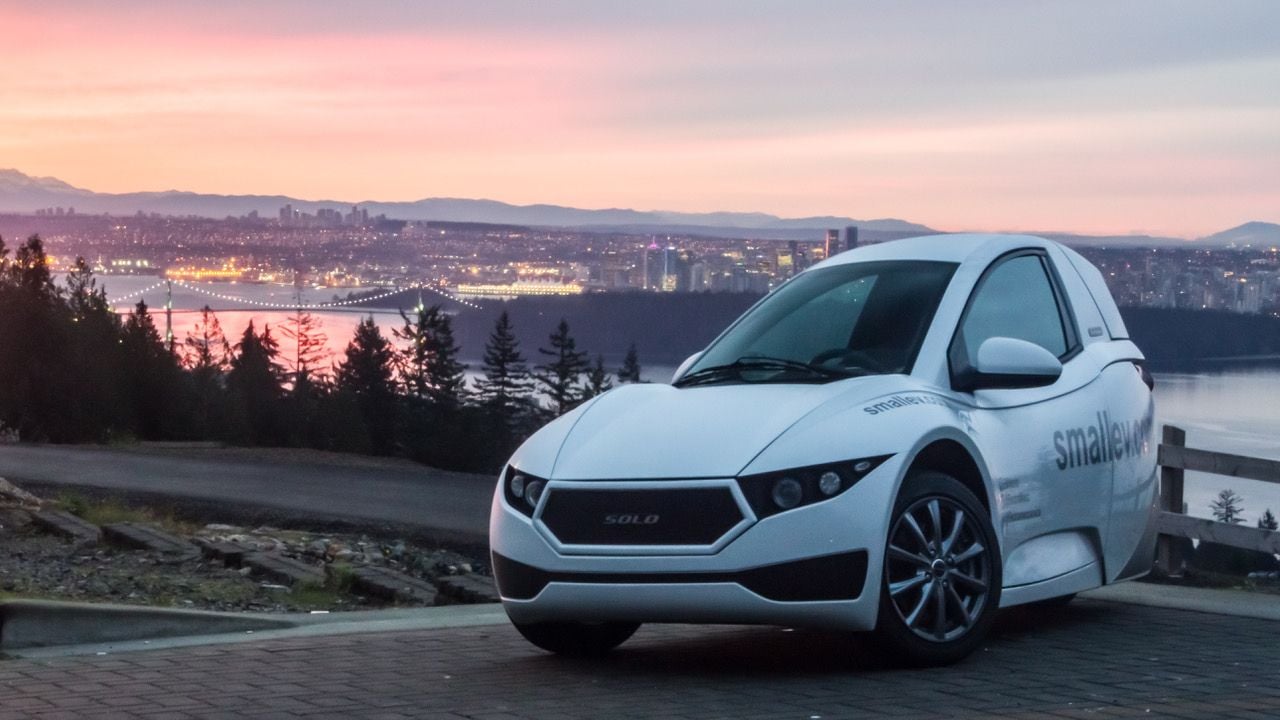
Just outside Phoenix, Arizona, rows of three wheeled electric vehicles now sit abandoned in a desert scrapyard, stacked one on top of another and slowly deteriorating in the heat. The unusual cars were once part of a bold attempt to rethink urban commuting through compact, single occupant electric transport. Instead, they became one of the clearest examples of how quickly EV startups can collapse when engineering challenges and limited demand collide.
The vehicles are the Solo, produced by Canadian startup ElectraMeccanica. Designed as a lightweight commuter for short trips, the three wheeler promised simplicity and affordability. But after selling only a few hundred units, a major propulsion defect forced a recall. Unable to fix the problem, the company repurchased vehicles and many eventually ended up abandoned in Arizona, creating a striking symbol of the risks facing smaller electric vehicle startups.
A Bold Three Wheeled Idea That Never Found Its Market

The ElectraMeccanica Solo was designed as a single seat electric commuter for drivers traveling alone. The concept focused on efficiency and simplicity, with a compact footprint intended to reduce congestion and lower operating costs. The company believed most commuters did not need a full sized vehicle, and the Solo was built around that idea.
However, demand never matched expectations. Over roughly three years, the company sold around 400 vehicles before problems began to surface. While the design attracted attention, the single seat layout limited practicality for many buyers, particularly in North America where consumers tend to prefer larger vehicles.
Three wheeled vehicles also faced additional hurdles. Insurance and financing options were limited, and some buyers expressed concerns about safety and usability. These challenges made it harder for the Solo to compete with conventional electric vehicles that offered more space and versatility.
Despite these obstacles, ElectraMeccanica pressed forward. The company expanded operations in Arizona and positioned the Solo as a practical commuter solution. But the project soon ran into technical problems that proved far more serious than market challenges.
The Propulsion Defect That Triggered a Recall
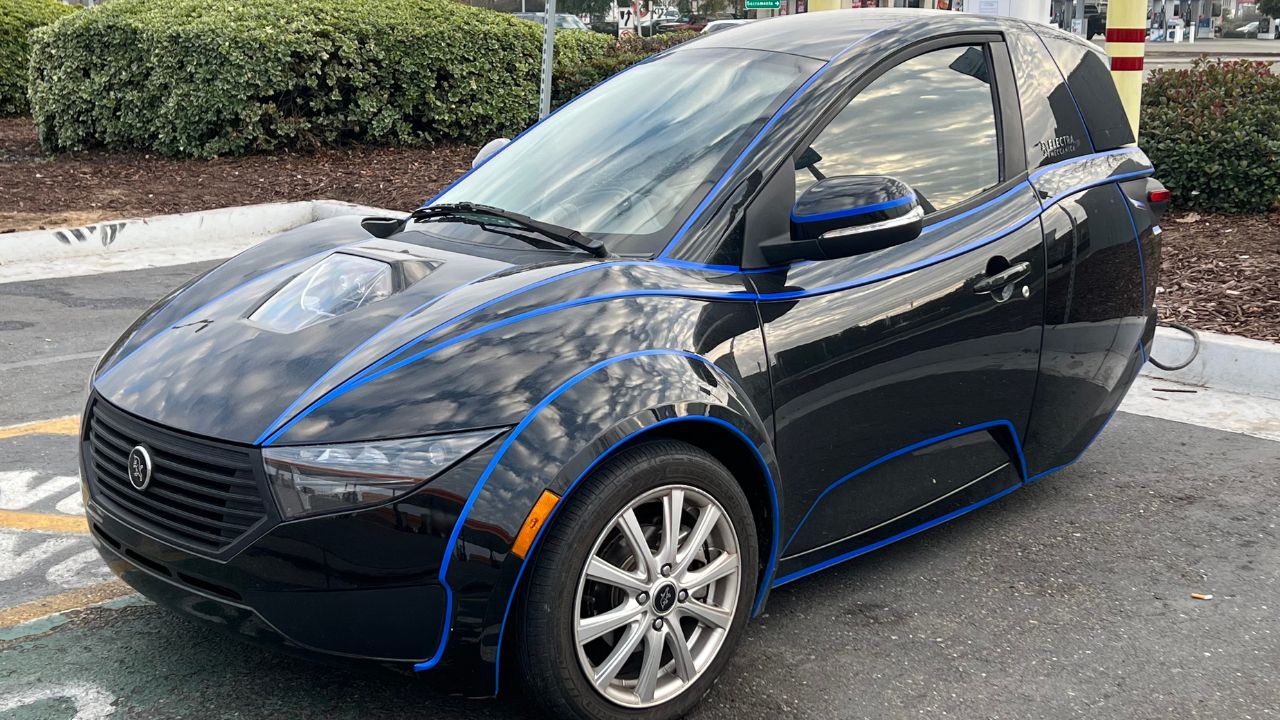
The turning point came when customers reported sudden loss of propulsion while driving. Drivers experienced unexpected power loss, with the vehicle decelerating as though the accelerator had been released. Although braking and steering remained functional, the issue raised safety concerns.
In February 2023, ElectraMeccanica issued a voluntary recall covering approximately 428 vehicles built between 2021 and 2023. Engineers were unable to identify a reliable solution, and the company eventually decided to repurchase the affected vehicles instead of repairing them.
The buyback proved financially damaging and effectively ended the Solo program. Analysts later suggested that rushed production timelines and insufficient testing contributed to the failure. The unconventional design also made it harder to recover consumer confidence once reliability concerns emerged.
Many of the repurchased vehicles were transported to a scrapyard near Phoenix, Arizona. Images of stacked three wheeled EVs circulated widely online, drawing criticism about waste and raising questions about the sustainability of smaller EV startups.
What Happened Next and Why It Still Matters in 2026
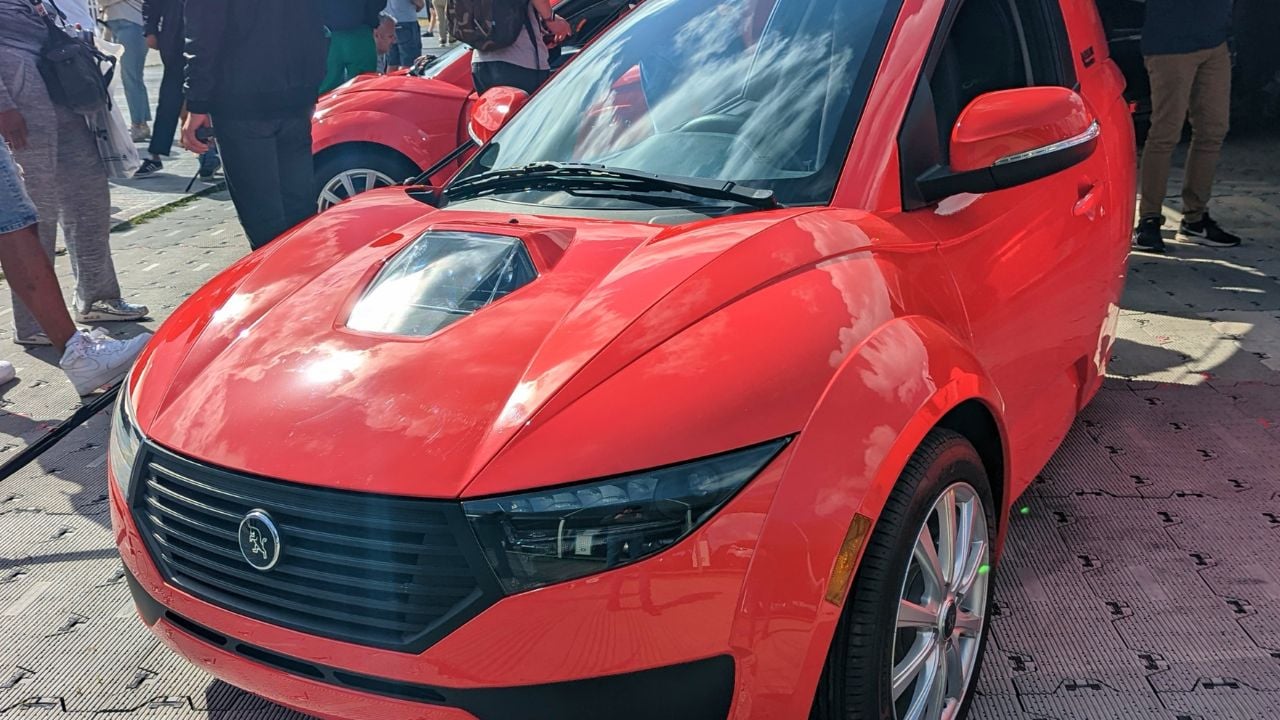
After the recall, ElectraMeccanica halted production of the Solo and shifted its focus to developing a conventional four wheeled electric vehicle. The company acknowledged that three wheeled vehicles faced significant challenges, including insurance limitations, financing difficulties, and customer demand for greater practicality.
The company later moved in a new direction. In March 2024, ElectraMeccanica was acquired by electric truck manufacturer Xos Inc. in a deal valued at about $48 million. The acquisition marked a pivot toward commercial electric vehicles rather than niche commuter designs.
By 2026, the abandoned Solo vehicles in Arizona have become a widely cited example of the risks facing EV startups. While major manufacturers continue expanding electric vehicle production, smaller companies often struggle with manufacturing scale, reliability testing, and consumer adoption.
The Solo’s collapse highlights a broader reality in the electric vehicle industry. Innovation alone is not enough. Even promising concepts must meet expectations for reliability, practicality, and affordability.
What began as an ambitious attempt to reinvent commuting ultimately became a cautionary tale. The rows of three wheeled EVs outside Phoenix remain a reminder that in the automotive industry, bold ideas must be matched by strong execution to survive.