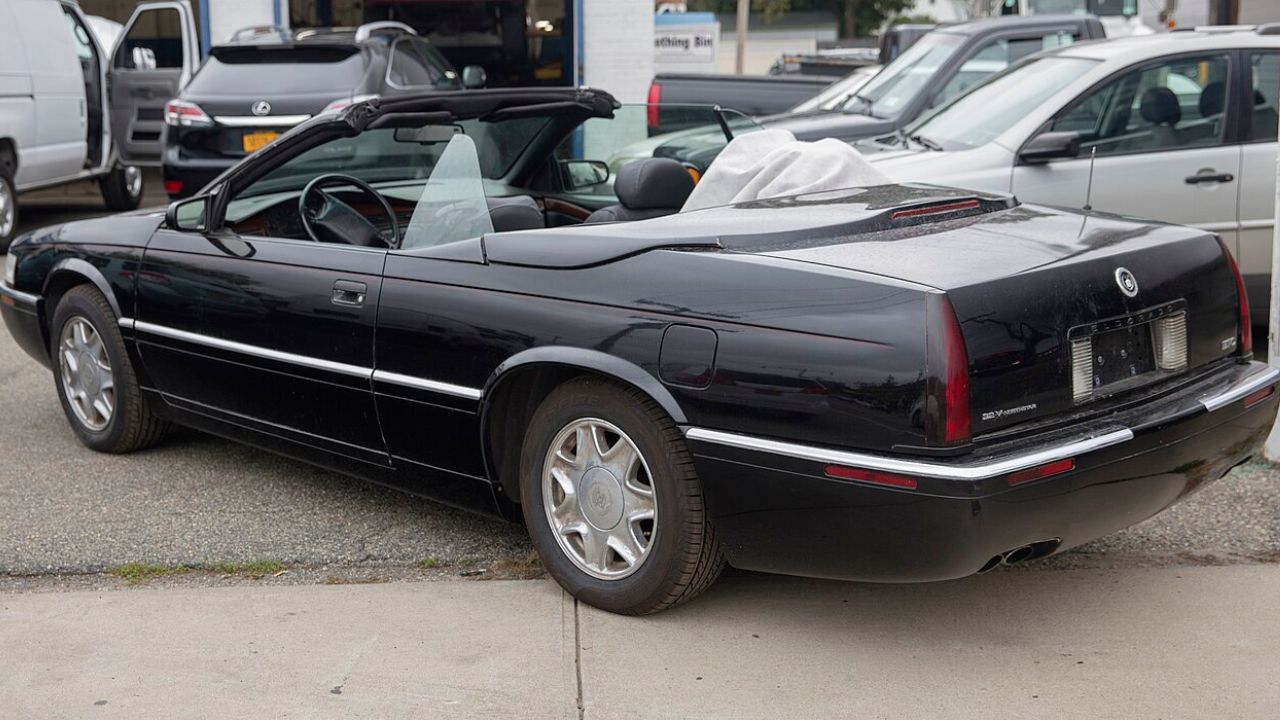

When Cadillac rolled out its Northstar V8 in the early 1990s, the company build an engine and built a marketing campaign around it. Every Cadillac equipped with the Northstar proudly wore a badge declaring “32 Valve V8.”
That detail might seem trivial today, but it was a major talking point at the time. A recent Reddit thread in r/cars reignited the debate: did anyone actually care about those 32 valves, or was it just marketing fluff?
The thread’s author wondered why Cadillac felt compelled to emblazon its cars with valve counts. After all, badges celebrating “Hemi,” “EFI,” or “Turbo” made sense because they conveyed something visceral. But “32 valves”? Was that really impressive enough to warrant its own emblem?
What’s the Big Deal?
Commenters quickly pointed out that in the late 1980s and early 1990s, four valves per cylinder were not yet ubiquitous. Most American V8s were still pushrod designs with two valves per cylinder. Moving to dual overhead cams (DOHC) and four valves per cylinder represented a leap in technology.
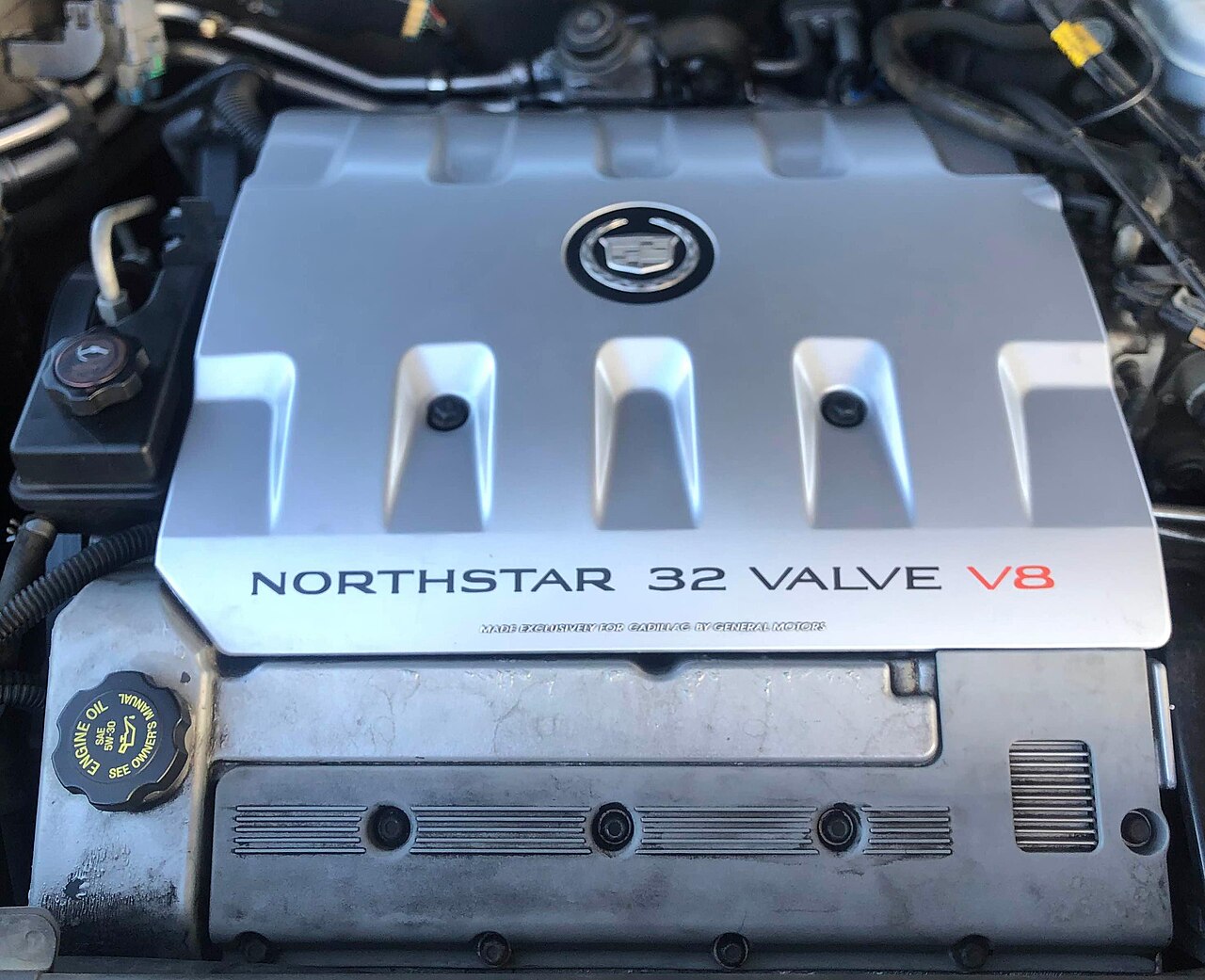
As one user explained, casting cylinder heads with four valves per cylinder was difficult before advances in metallurgy and computer-aided design. By the time Cadillac introduced the Northstar, this engineering feat was still fresh and noteworthy.
Another commenter broke down the physics: higher horsepower requires higher RPMs, but at those speeds, airflow becomes restricted. Splitting intake and exhaust duties across multiple valves allowed engines to breathe better, rev higher, and produce more power.
The Northstar’s nearly 300 horsepower was impressive for its day, especially in front-wheel-drive sedans like the Seville STS and Eldorado ETC, which became some of the most powerful FWD cars on the market.
Several enthusiasts noted that GM was under pressure in the 1990s. European rivals like BMW and Mercedes were touting multi-valve DOHC engines, while Japanese automakers were winning praise for their high-revving, technologically advanced motors.
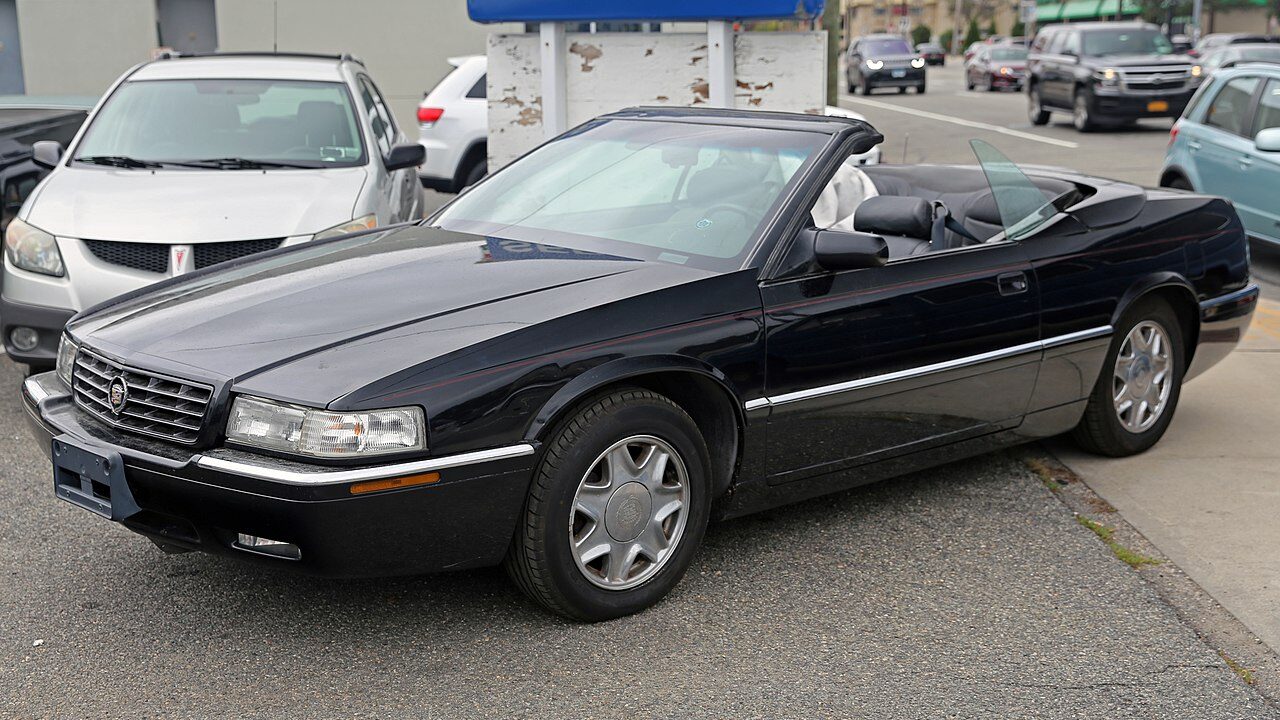
Cadillac needed to shed its “for old people” image and prove it could compete. Badging “32 Valve V8” was a way to signal sophistication and modernity, even if the average buyer didn’t fully grasp the engineering.
One commenter compared it to motel signs advertising “Color TV” or “Air Conditioning” decades ago. At the time, those features were cutting-edge; today they’re taken for granted. Likewise, four-valve engines are now standard, but in the 1990s, they were worth bragging about.
The Flaws That Tarnished the Legacy
Despite its technical promise, the Northstar was plagued by reliability issues, sadly. Most notoriously, head gasket failures due to design flaws in the head bolts. Enthusiasts in the thread lamented that GM never fully corrected these problems.
As one put it, “If it didn’t have those head gasket problems, I’d imagine it would be remembered a lot more fondly than it is.” Another noted that fixes exist today, but because the engines were so often junked, they never became popular swap candidates like the LS series.
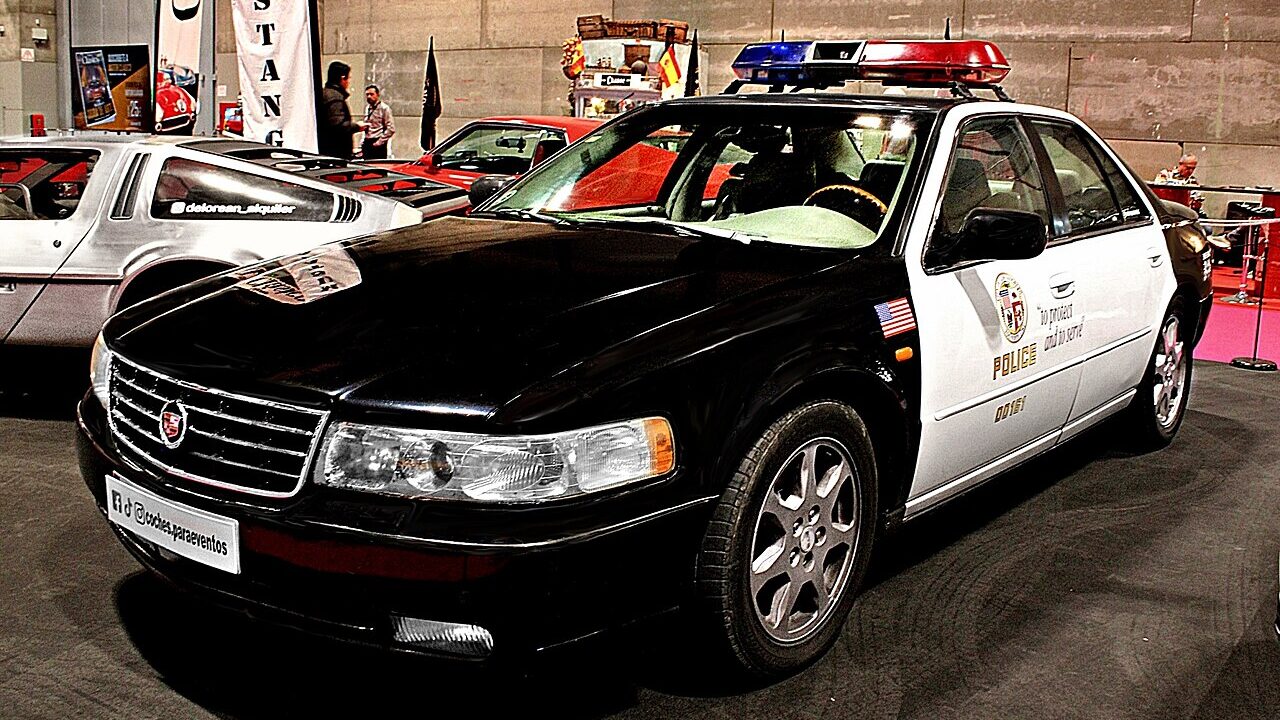
The discussion also branched into other examples of valve-count marketing.
Toyota’s Corolla GTS wore “Twin Cam 16” decals, Saab proudly advertised “16 Valve” turbos, and Audi even went further with five-valve-per-cylinder engines in the 1990s. Ferrari named a model “Quattrovalvole,” and Volkswagen’s 1.8T carried “20V” badging.
Clearly, Cadillac wasn’t alone—valve counts were a shorthand for performance and modernity across the industry.
The Northstar
So, did anyone care about Cadillac’s 32-valve Northstar? The answer is yes, at least at the time. It represented a technological leap to folks accustomed to pushrod V8s back then, and Cadillac wanted the world to know.
Did anyone actually care that Caddy’s Northstar engine had 32 valves? Every Caddy with this engine had an emblem celebrating this engine design. Why?
by
u/holdthelight in
cars
It may give off marketing fluff vibes these days, but back then, it was a declaration that GM could build engines as advanced as its European and Japanese rivals.
Unfortunately, the Northstar’s mechanical flaws overshadowed its innovations, leaving it remembered more for its failures than its forward-thinking design. Still, the Reddit thread makes clear that in its day, those 32 valves were a badge of honor.