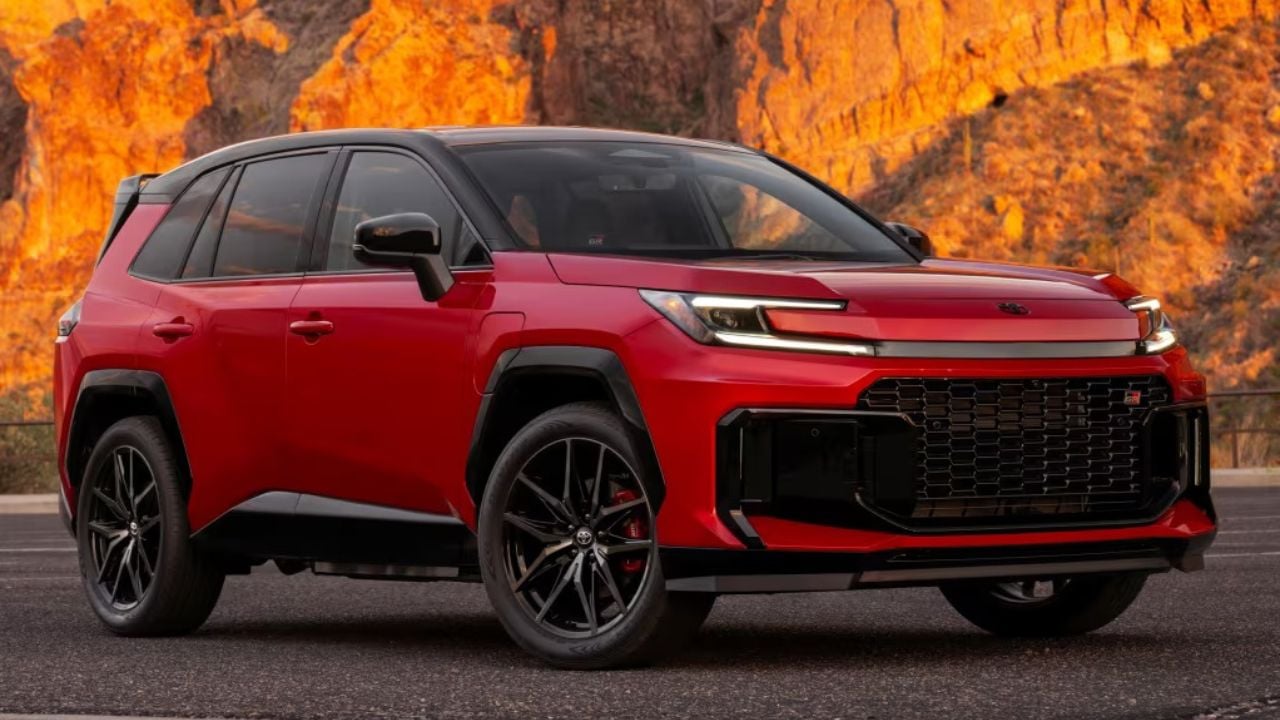
Finding a new Toyota RAV4 has become far more difficult than many buyers expected. Despite remaining one of the best-selling vehicles in America, Toyota’s popular compact SUV has been in extremely short supply as demand continues to outpace production.
The situation has become especially noticeable following the arrival of the redesigned 2026 RAV4. Toyota’s decision to make the latest generation hybrid-only has generated strong consumer interest, but production has struggled to keep pace during the launch phase.
As inventories tightened, some dealerships found themselves with virtually no unsold RAV4s on their lots. In certain markets, buyers faced lengthy waits, while others encountered dealer markups as retailers capitalized on the shortage.
Relief may finally be on the horizon. Toyota has officially begun production of the all-new RAV4 at its massive manufacturing facility in Georgetown, Kentucky, a move that should significantly improve availability over the coming months.
Dealer Inventories Have Reached Critical Levels
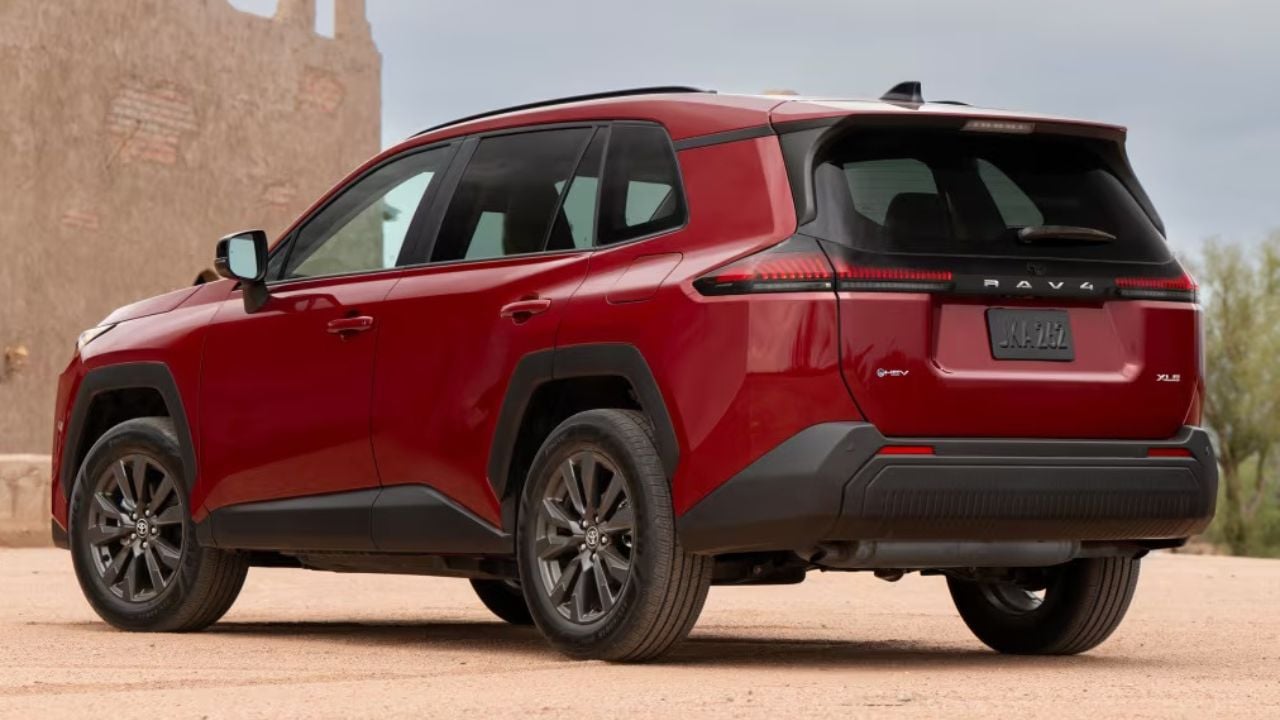
Toyota dealers across the United States have been dealing with unusually low RAV4 inventory throughout much of 2026. According to industry reports, fewer than 1,000 unsold examples were available nationwide despite Toyota’s extensive dealer network.
That figure highlights just how strong demand remains for the compact crossover. The RAV4 continues to attract buyers looking for a practical, fuel-efficient, and reliable family vehicle, making it one of the most important products in Toyota’s lineup.
The shortage has created challenges for both customers and retailers. Many dealerships have struggled to keep vehicles in stock long enough for shoppers to compare trims and configurations before making a purchase decision.
Kentucky Plant Adds Much-Needed Capacity
Toyota’s Georgetown, Kentucky, facility is now stepping in to help address the problem. The plant has officially transitioned to production of the all-new 2026 RAV4, adding another major source of supply for the American market.
The additional production capacity is expected to make a meaningful difference. Reports indicate the Kentucky operation could contribute approximately 40,000 RAV4 units before the end of the year, with annual production potentially increasing further in 2027.
While the majority of U.S.-market RAV4s will continue to come from Toyota’s Canadian manufacturing operations, the extra volume from Kentucky should help reduce pressure on dealer inventories and improve vehicle availability nationwide.
Hybrid-Only Strategy Created New Challenges
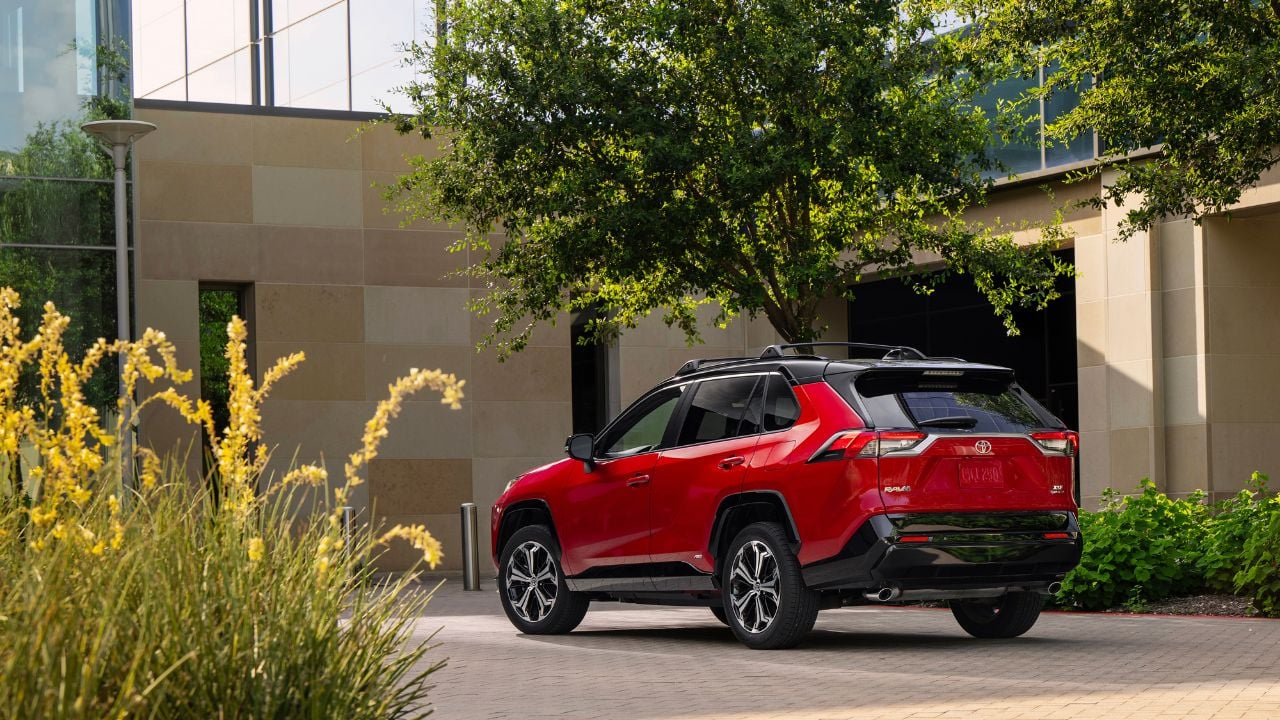
The 2026 RAV4 marks a significant change for Toyota’s best-selling SUV. The company has moved to a fully hybrid lineup, following a similar strategy previously adopted for models such as the Camry and Sienna.
While the move matches up with growing consumer demand for electrified vehicles, it also introduces additional production complexities. Hybrid systems require battery packs and specialized components that can create supply bottlenecks during a major product launch.
Toyota previously sold both gasoline and hybrid versions of the RAV4. The transition to an all-hybrid lineup means every vehicle now relies on the same electrified powertrain infrastructure, increasing pressure on production planning and parts sourcing.
Other Toyota Models Have Benefited
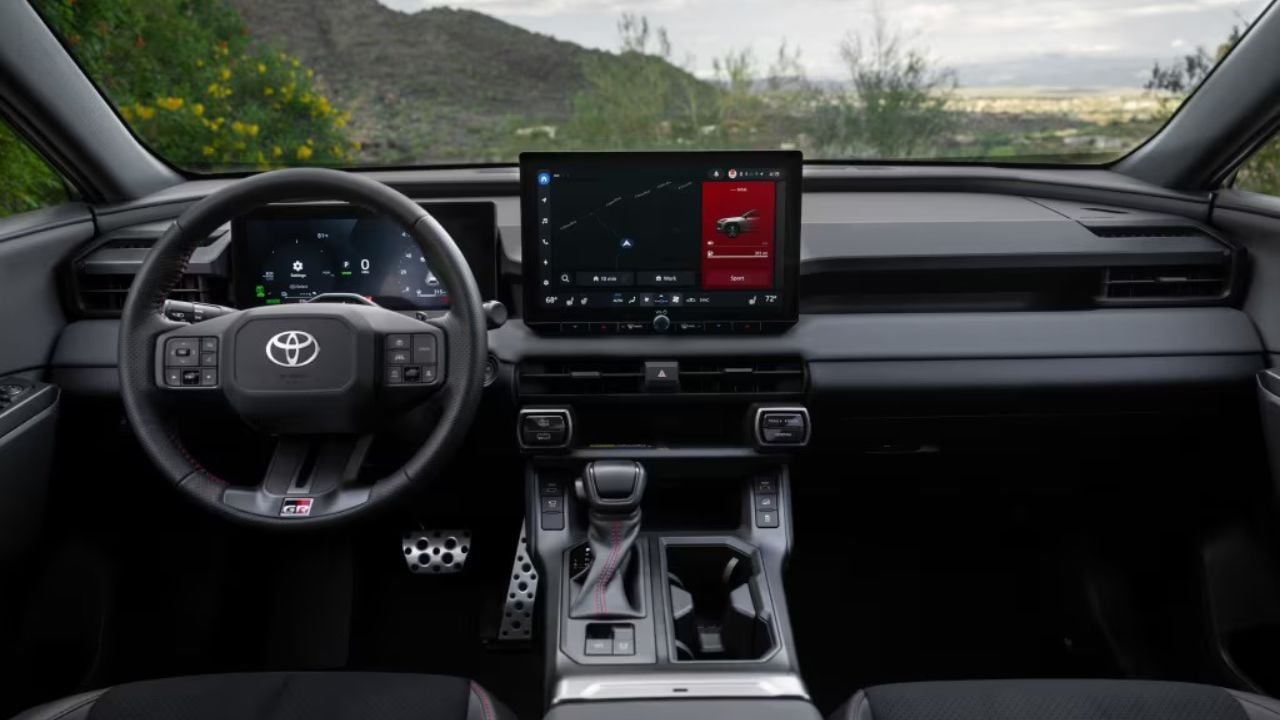
Toyota has reportedly encouraged dealers to direct some prospective RAV4 buyers toward alternative hybrid models while inventory remains constrained. Vehicles such as the Corolla Cross, Camry, Crown Signia, and 4Runner have all seen increased interest as a result.
The strategy appears to have helped Toyota retain customers who may have otherwise looked outside the brand. Several of those models have posted strong sales gains this year as shoppers searched for alternatives to the difficult-to-find RAV4.
Even so, replacing the RAV4 is easier said than done. The crossover occupies a unique position in the market thanks to its combination of practicality, efficiency, reputation, and resale value.
The End Of The Shortage May Finally Be Near
Although production increases will not solve the issue overnight, the start of Kentucky assembly represents an important milestone for Toyota. More vehicles entering the supply chain should gradually improve inventory levels and reduce wait times for customers.
The RAV4 remains Toyota’s most important vehicle in the United States and one of the country’s top-selling nameplates overall. Ensuring adequate supply is critical not only for dealership profitability but also for maintaining customer loyalty.
For shoppers who have struggled to find a RAV4 at a reasonable price, there is finally some good news. If Toyota’s production ramp-up proceeds as planned, dealer lots should begin looking much healthier before the year is over.