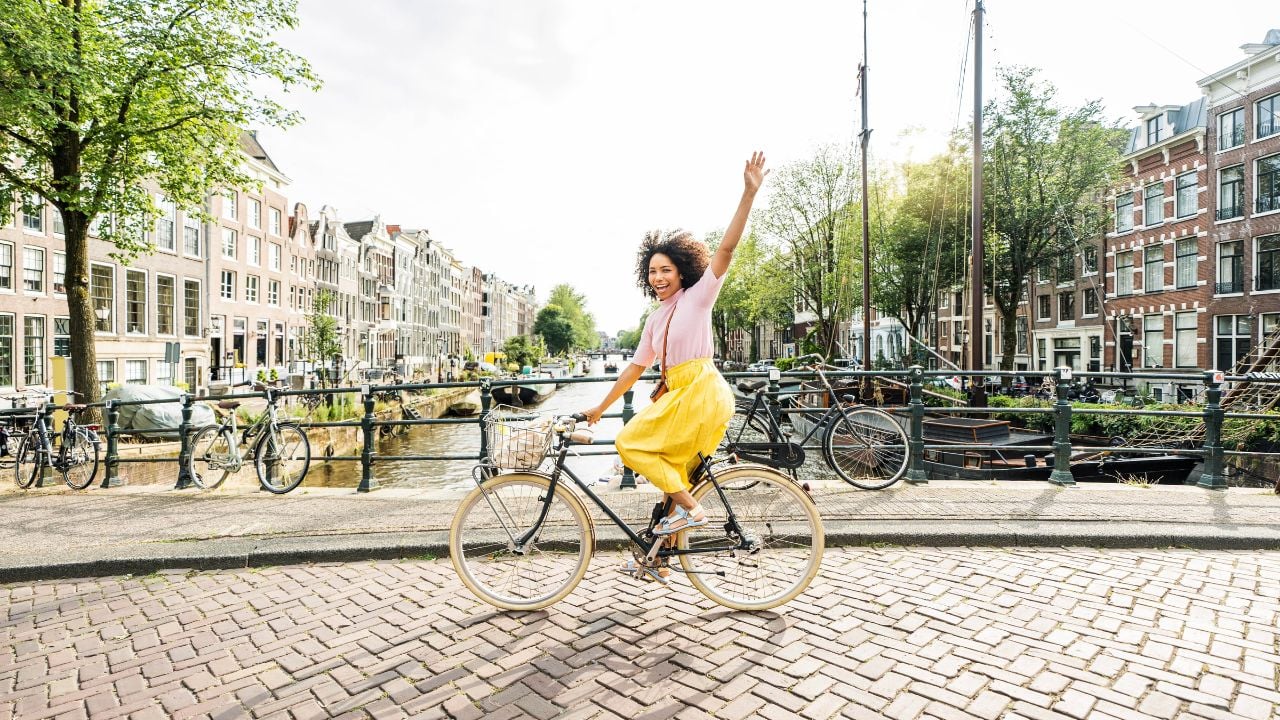
Amsterdam sells a lovely cycling fantasy, and to be fair, the city has earned it. More than 1,200 bridges cross its canals and waterways, while 32% of all city traffic is by bike, 63% of residents cycle daily, and the city maintains 400 kilometers of dedicated bike paths. That is the polished brochure version, and it is true. The wobblier truth is that many visitors first encounter Amsterdam cycling in the old center, which is exactly where the geometry gets tighter and the nerves start tap-dancing.
The city’s visitor guidance quietly admits as much. I amsterdam says cycling in the city can be hectic if you are not used to Amsterdam-style traffic, while its accessibility guidance notes that the city center can be challenging because of narrow pavements, cobblestone streets, and steep bridges. So when a new rider feels slightly alarmed on a busy canal crossing, that is not weakness. It is a rational response to a compact piece of urban infrastructure doing several difficult things at once.
1. The Bridges Are Short, Steep, and Built To Make You Commit
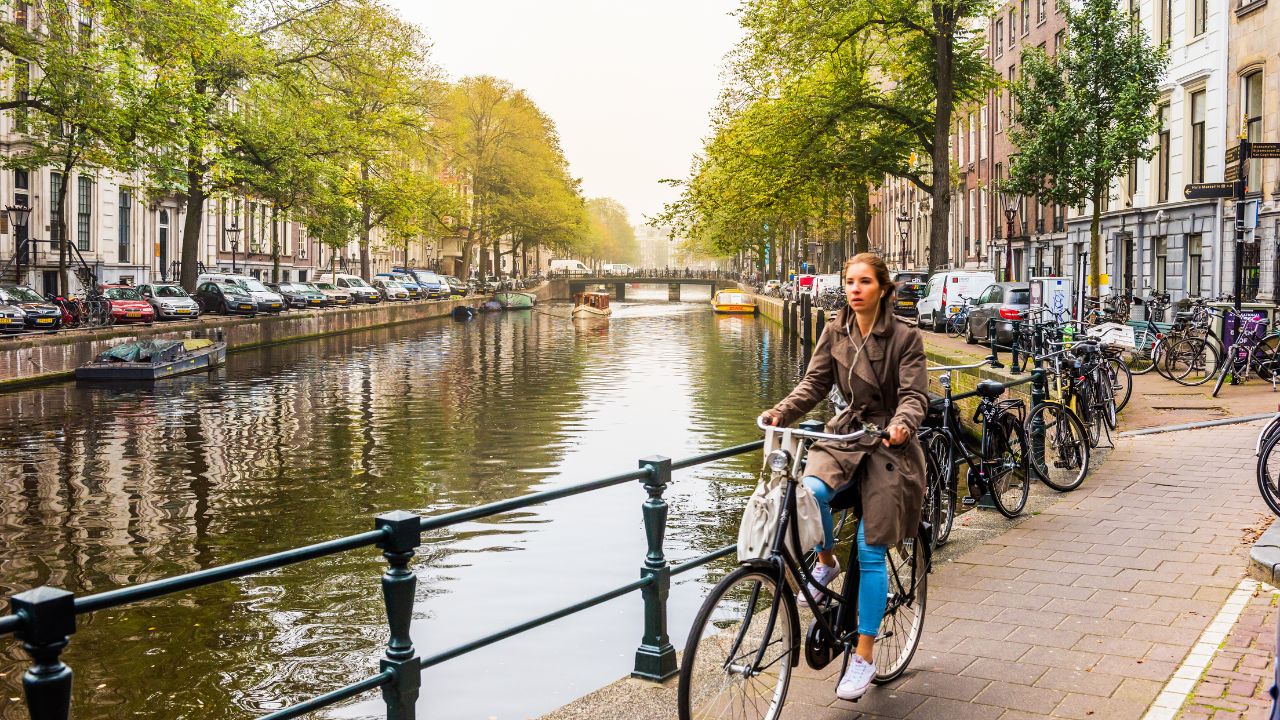
Many canal bridges in central Amsterdam are not long, gentle ramps. They rise quickly, crest fast, and drop you right back into moving traffic. The city’s own accessibility guidance explicitly describes the center as a place of steep bridges, which matters because a sharp incline changes balance, braking, and confidence in a matter of seconds. On a bridge like that, there is very little time to settle into a rhythm before you are already dealing with the descent.
That shape is far less intimidating if you grew up cycling it every day. For a visitor on a rental bike, though, the climb can feel awkward and the downhill side can feel like the moment when the city suddenly expects competence on demand. You are not cruising through a postcard. You are briefly being tested by it.
2. Historic Beauty Leaves Very Little Spare Room
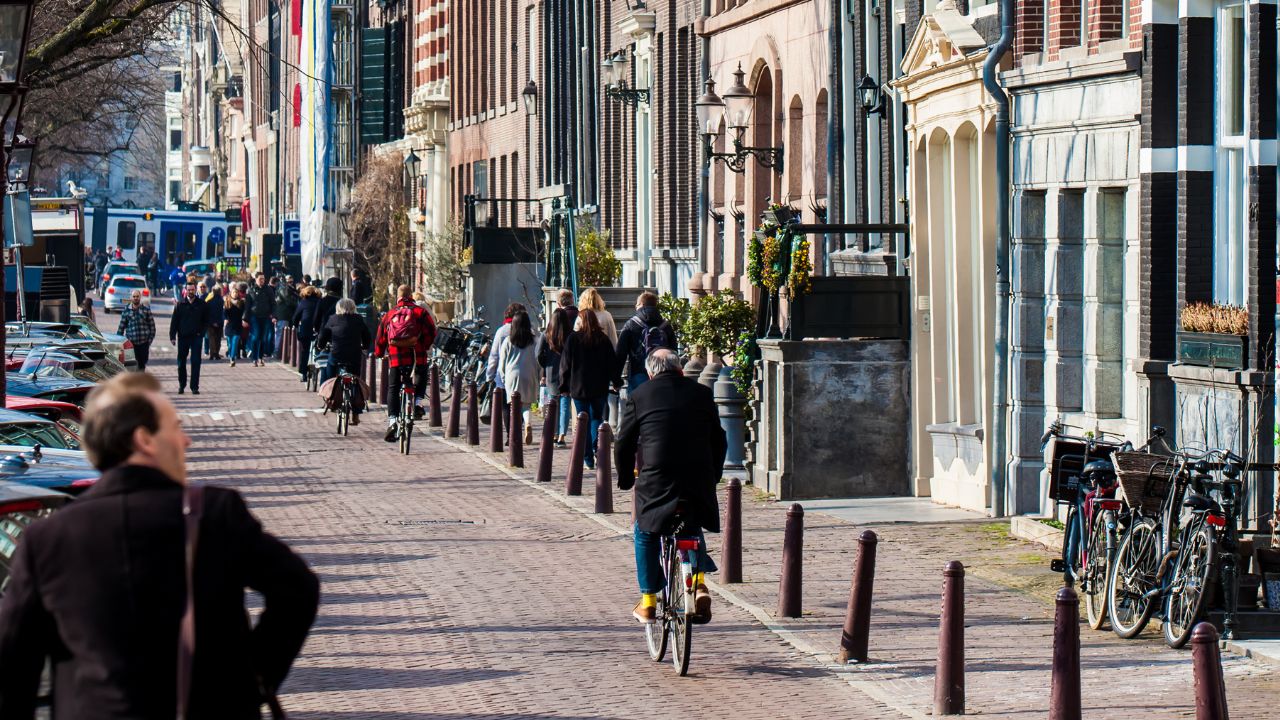
Amsterdam’s canal belt is gorgeous partly because it is old, dense, and packed tightly around water. I amsterdam describes a maze of criss-crossing canals, while its cycling and accessibility pages point to the old center’s narrow, winding streets, narrow pavements, cobblestones, and steep bridges. That narrowness is not a decorative background for a cyclist. It is the whole game.
Once a bridge funnels cyclists, pedestrians, and nearby traffic into a compressed space, beginners feel the squeeze immediately. There is less room to drift, less room to recover from a bad line, and less room to glance around like an enchanted tourist looking for the perfect canal photo. A local treats that as normal street logic. A newcomer often experiences it as elegant architectural pressure.
3. Tram Rails Add a Nasty Little Trap at Exactly the Wrong Moment
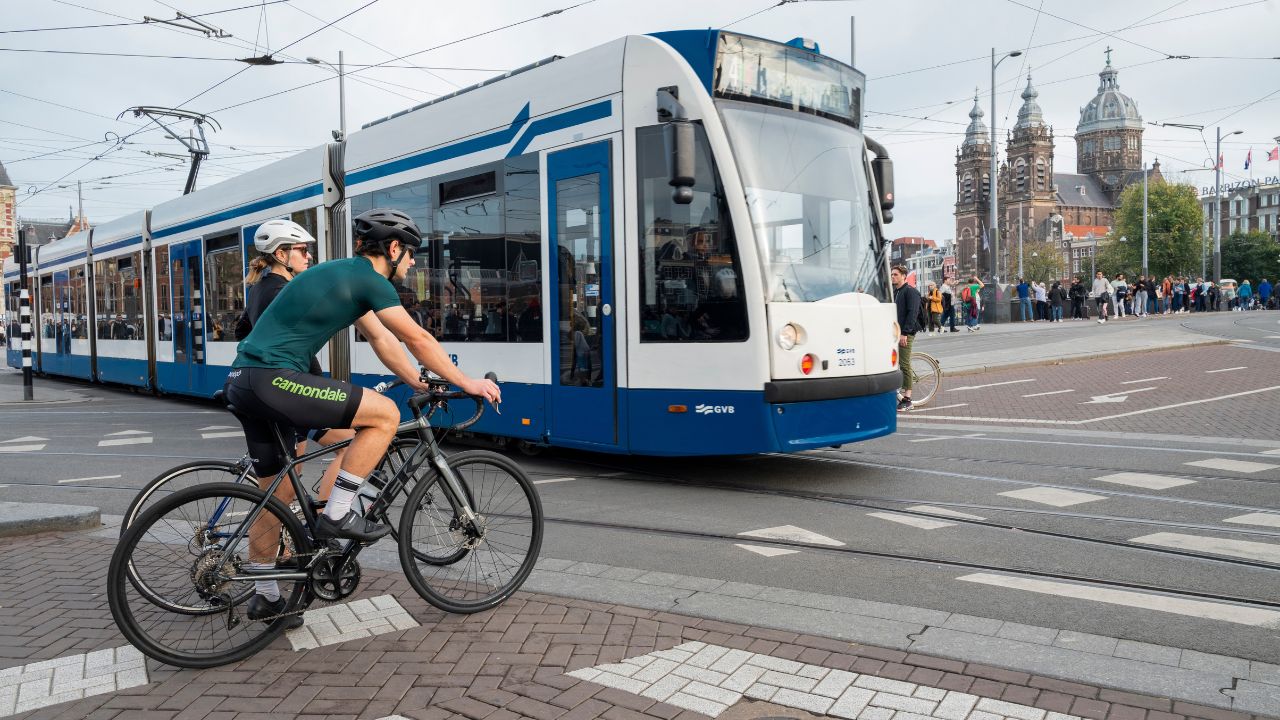
Amsterdam’s official cycling advice includes one warning that tells you a lot about why beginners tense up. Watch out for tram rails, the city says, because it is easy to get your tires stuck in them, and riders should cross them at a sharp angle. That sounds manageable in theory and much less charming when you are coming off a bridge, steering around other bikes, and trying not to overthink your own front wheel.
Trams are not a side character here either. I amsterdam describes them as one of the quickest and most convenient ways to explore the city, with lines connecting Central Station to major neighborhoods. In practical terms, that means a novice cyclist is not just negotiating the bridge itself. They are often doing it in a streetscape where rails, bells, and bike traffic all compete for attention at once.
4. The Volume of Cyclists Makes Hesitation Feel Dangerous
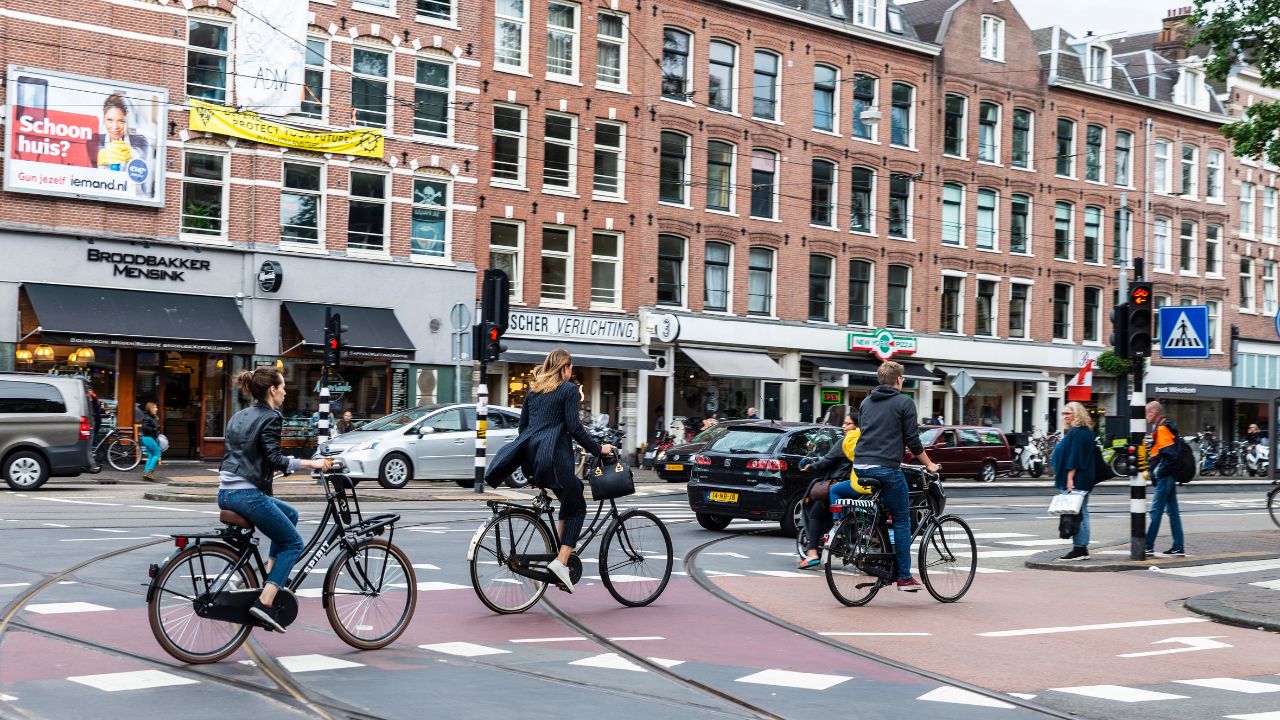
Amsterdam’s problem is not that too few people cycle. It is that so many do. I amsterdam’s mobility facts page says rising cyclist numbers create real congestion and safety challenges. Its visitor guidance also warns that between 08:00 and 09:00 and again between 17:00 and 18:00, thousands of bikes are on the road, often producing big queues at junctions. That is a marvelous system for daily mobility and a slightly feral setting for someone crossing their first canal bridge.
The city’s own Bike City project makes the same point in more engineering-flavored language. At one of Amsterdam’s busiest bicycle intersections near Berlage Bridge, bike flows reached 24,000 cyclists per day, and the project says there was far too little space during the morning rush. That example is not from the canal belt proper, but it shows the larger truth: in Amsterdam, even bike infrastructure sometimes hits capacity, and bridges are classic bottleneck machines.
5. First-Timers Do the One Thing Amsterdam Traffic Hates Most: They Hesitate
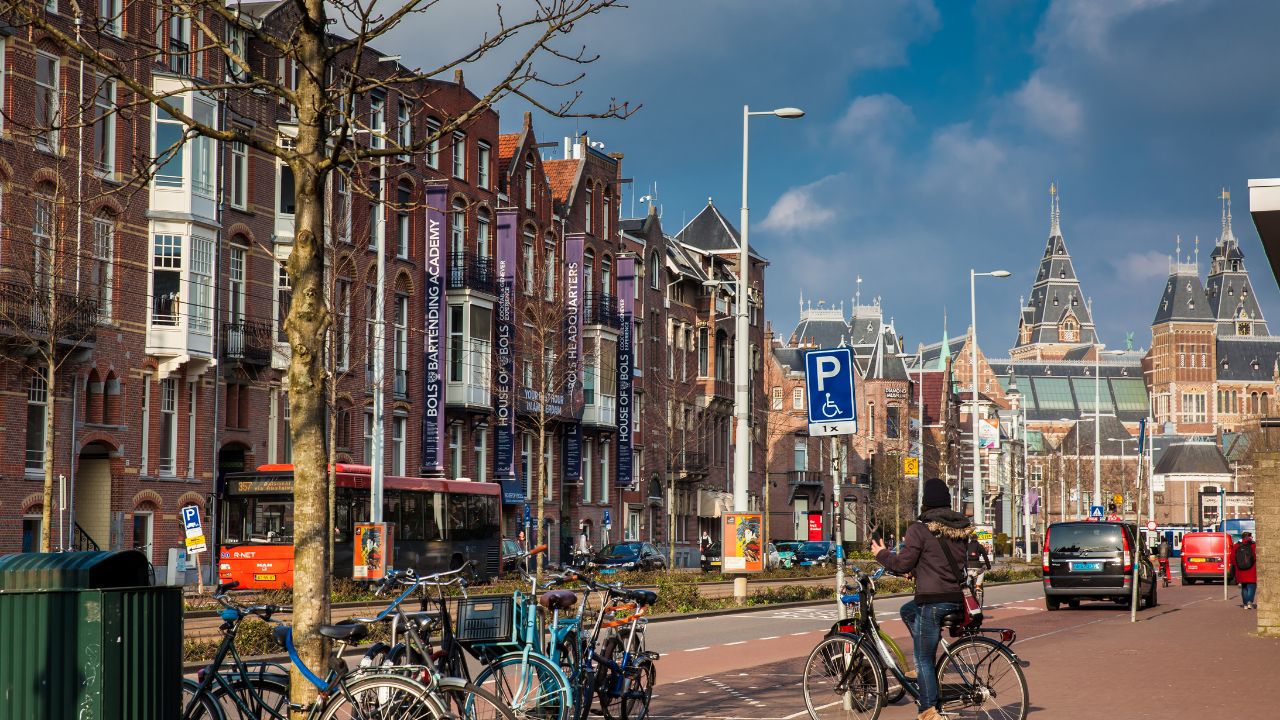
The official cycling tips are wonderfully revealing because they read like a list of rookie mistakes the city has seen a thousand times. Stay in your lane, signal before turning, keep pace with other cyclists, pull over to answer your phone or check the map, and avoid rush hour if you do not need to be somewhere. Underneath all that advice is one core rule: move predictably.
Busy canal bridges punish uncertainty because there is no graceful place to stop and reconsider your life choices. A nervous rider slows unexpectedly, looks over a shoulder, drifts toward the edge, or brakes at the crest, and suddenly the whole flow behind them has to react. That is why these crossings feel scary to newcomers. They combine slope, tight space, tram hazards, and fast-moving local rhythm into one very Amsterdam lesson, beautiful from the sidewalk and considerably spicier from the saddle.
For many visitors, the smarter first move is not to force the canal belt on day one. Walk the center first, rent a bike after the city’s rhythm starts making sense, or use trams, metros, buses, and ferries until the place stops feeling like a bell-ringing puzzle box. Amsterdam is bike-friendly, yes, but “friendly” does not always mean “gentle.”