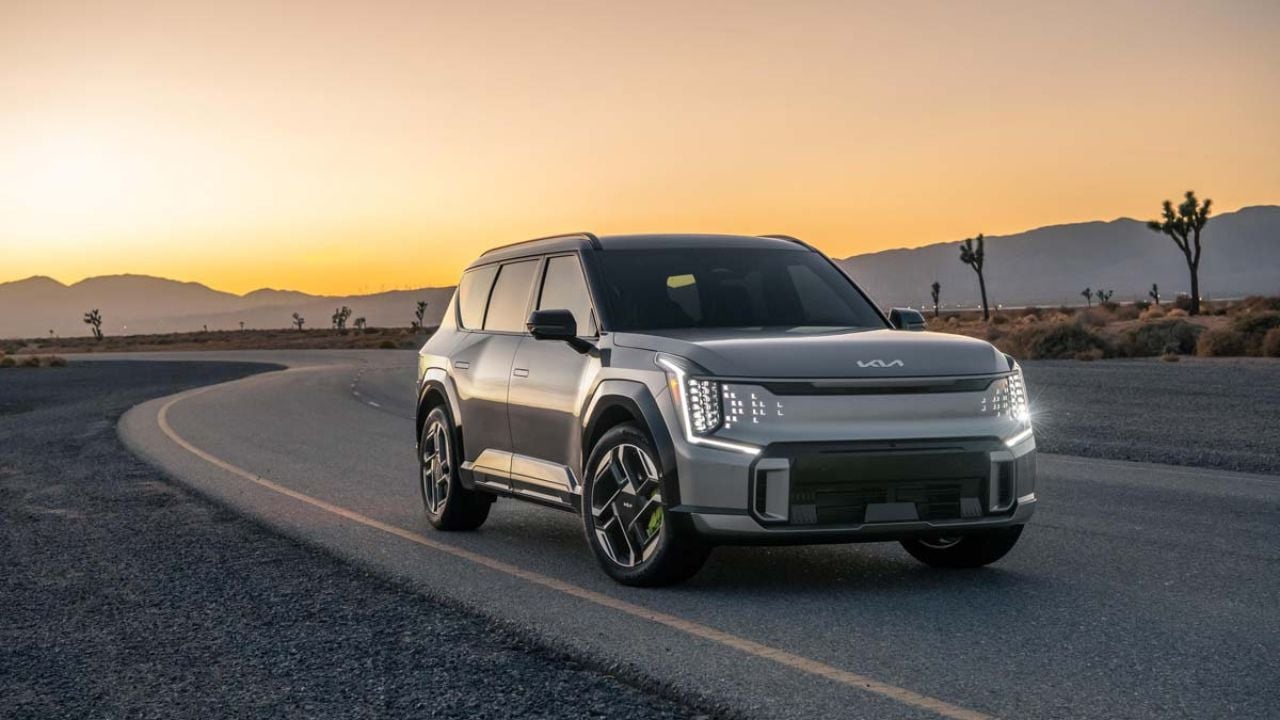
Kia has deliberately reduced the price gap between its vehicles and Chinese competitors in Europe this year. Company CEO Song Ho-sung confirmed the move during Kia’s investor day earlier this month.
The price difference between Kia models and comparable Chinese vehicles in Europe now stands at 15 to 20%, depending on the market. Previously, that gap was between 20 and 25%. According to the company, the strategy is already showing results. Kia has managed to increase global revenue and resist the broader pressure affecting the auto market, Reuters reports.
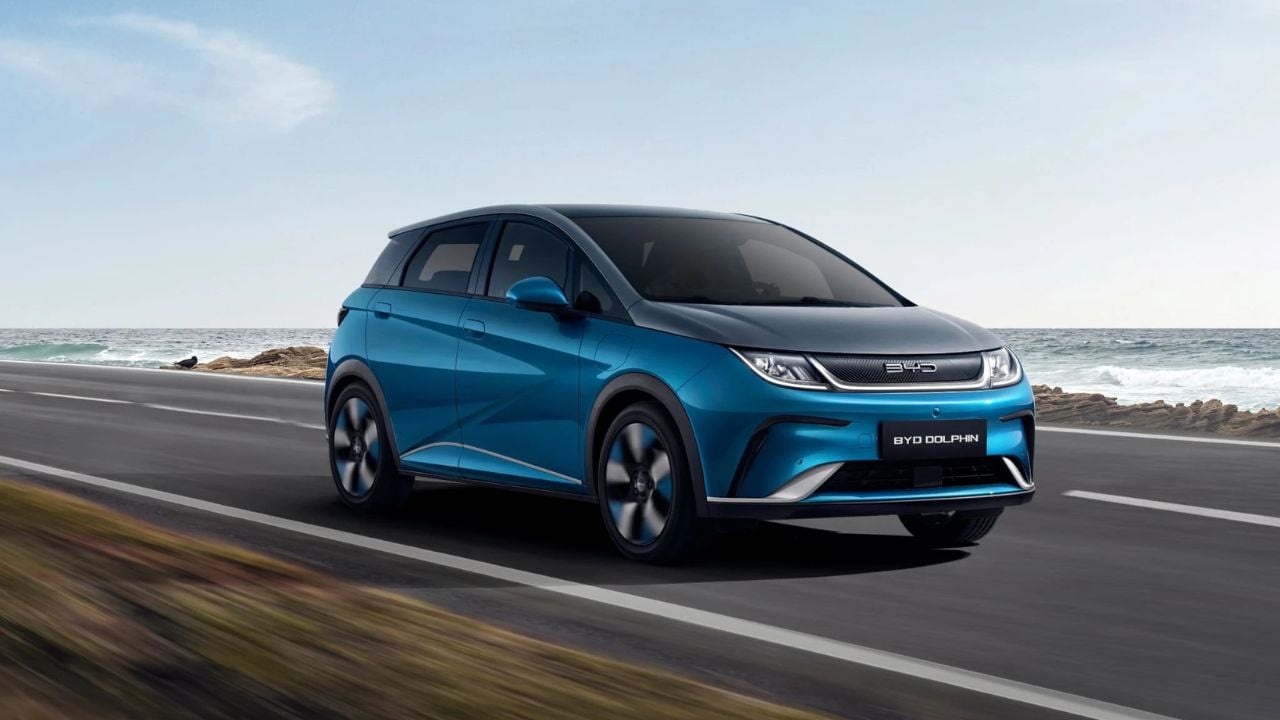
The move shows how central Europe has become in the battle between established automakers and Chinese electric vehicle brands. Companies such as BYD are entering the European market aggressively, helped by weaker sales momentum at home and the near-complete closure of the U.S. market to many Chinese-made vehicles.
In March alone, new BYD registrations in Europe rose by nearly 150%. Kia and its sister company Hyundai recorded 6% growth over the same period, which still showed resilience in a market shaped by increasingly intense price pressure.
Chinese EV Brands Are Forcing A New Response
The pressure from cheaper Chinese models is already having real financial consequences for Kia. In the most recent quarter, the company reported a decline in profit, partly because of higher sales incentives in Europe.
“Chinese companies have made a strong move with aggressively priced electric models, and their market share in some European countries is growing faster than expected,” Kia said during its quarterly earnings call.
That statement makes clear how quickly the competitive landscape is changing. European buyers are being offered more electric models at lower prices, and established brands now have to respond without damaging their own profitability too deeply.
For Kia, that means finding a balance between protecting margins and staying close enough on price to avoid losing shoppers who are comparing EVs across brands.
Kia Says It Can Fight From A Position Of Strength

Song Ho-sung remains optimistic. He believes Kia can compete with Chinese rivals from a position of strength because the company still has stable profits and a financial base strong enough to withstand competitive pressure.
At the same time, Kia expects restructuring in China’s auto industry to begin earlier than many had assumed. Beijing signaled in October that it would reduce long-running state subsidies for the domestic electric vehicle industry, a policy that helped create major excess capacity in the world’s largest auto market.
“Without support from the Chinese government, Chinese manufacturers will not have the same strength for further expansion,” Song said. “It looks like the time for restructuring is approaching. Until then, we need to continue our growth strategy and use our reserves.”
The broader Chinese market is already showing strain. Vehicle sales volume in China fell 18% in the first quarter compared with last year, and it is expected to stagnate or decline further.
Hyundai is taking a similar view.
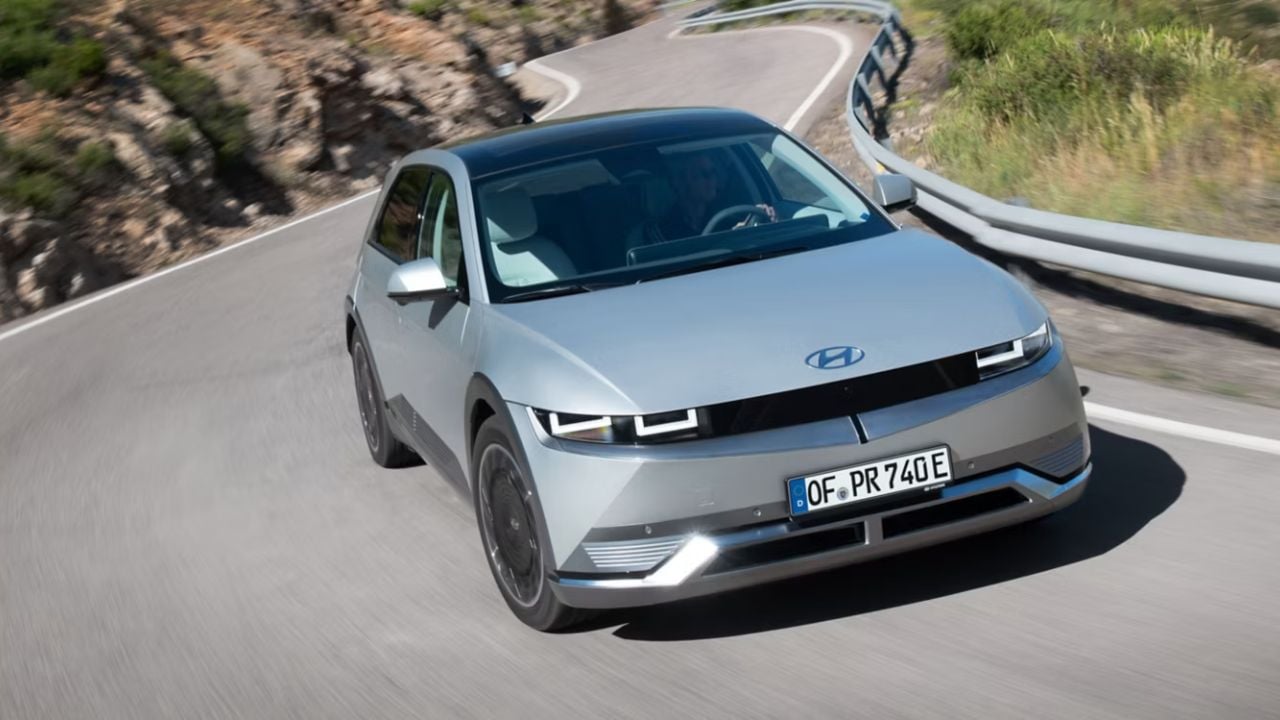
Hyundai CEO Jose Munoz recently made a similar point, emphasizing that his company is focused on profitable growth rather than simply chasing higher sales volume.
“We cannot grow at the same pace as them, but we can grow very profitably,” Munoz said, adding that Hyundai operates without state support. “We do everything ourselves.”
That view reflects a larger strategic difference between Korean automakers and many of their Chinese rivals. Kia and Hyundai are trying to compete on price where necessary, but they are also relying on brand strength, global scale, technology, and financial discipline.
For now, the price war in Europe is only getting sharper. Chinese automakers are pushing hard, established brands are adjusting, and buyers are getting more choices than ever. Kia’s latest move shows that the company understands the threat clearly, but it also believes it has enough strength to fight back without abandoning profitability.
This article originally appeared on Autorepublika.com and has been republished with permission by Guessing Headlights. AI-assisted translation was used, followed by human editing and review.