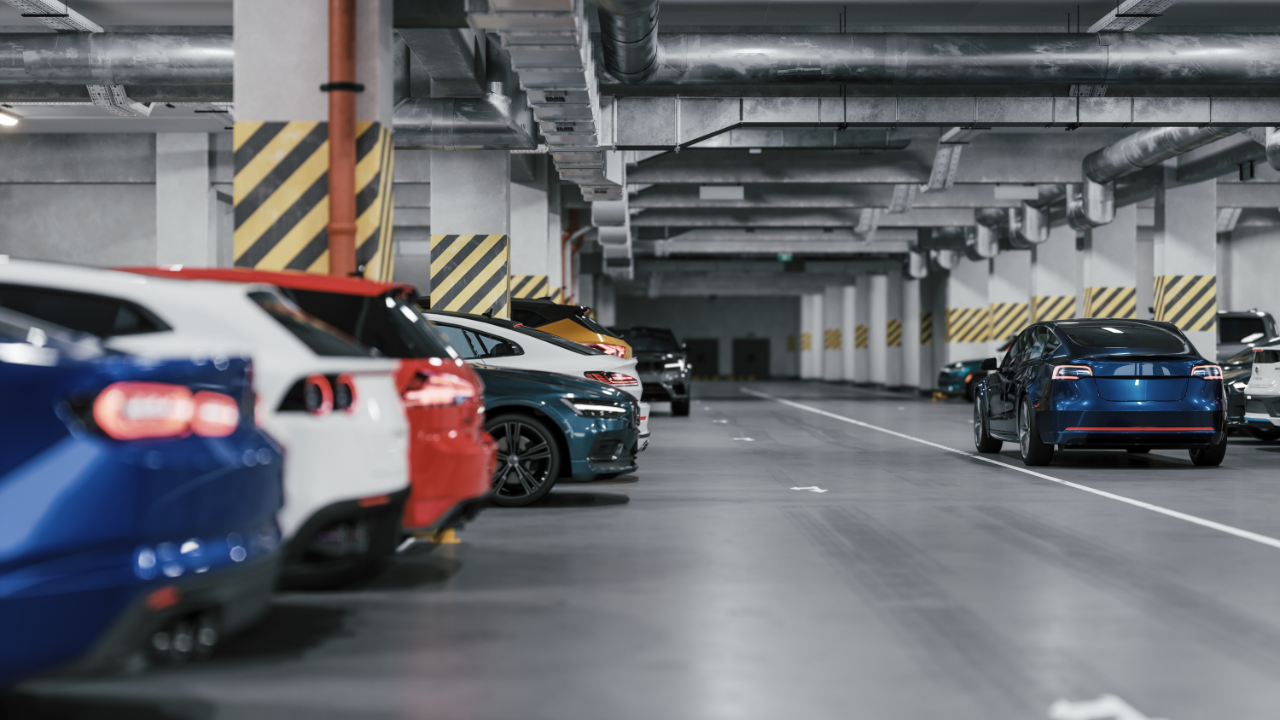
Parking lots have quietly become a new American battleground. Not over road rage or stolen spots, but over something far more philosophical: the direction you park your car. An increasing number of drivers are choosing to back into parking spaces rather than pull in the traditional way, and the people who do it headfirst are not happy about it.
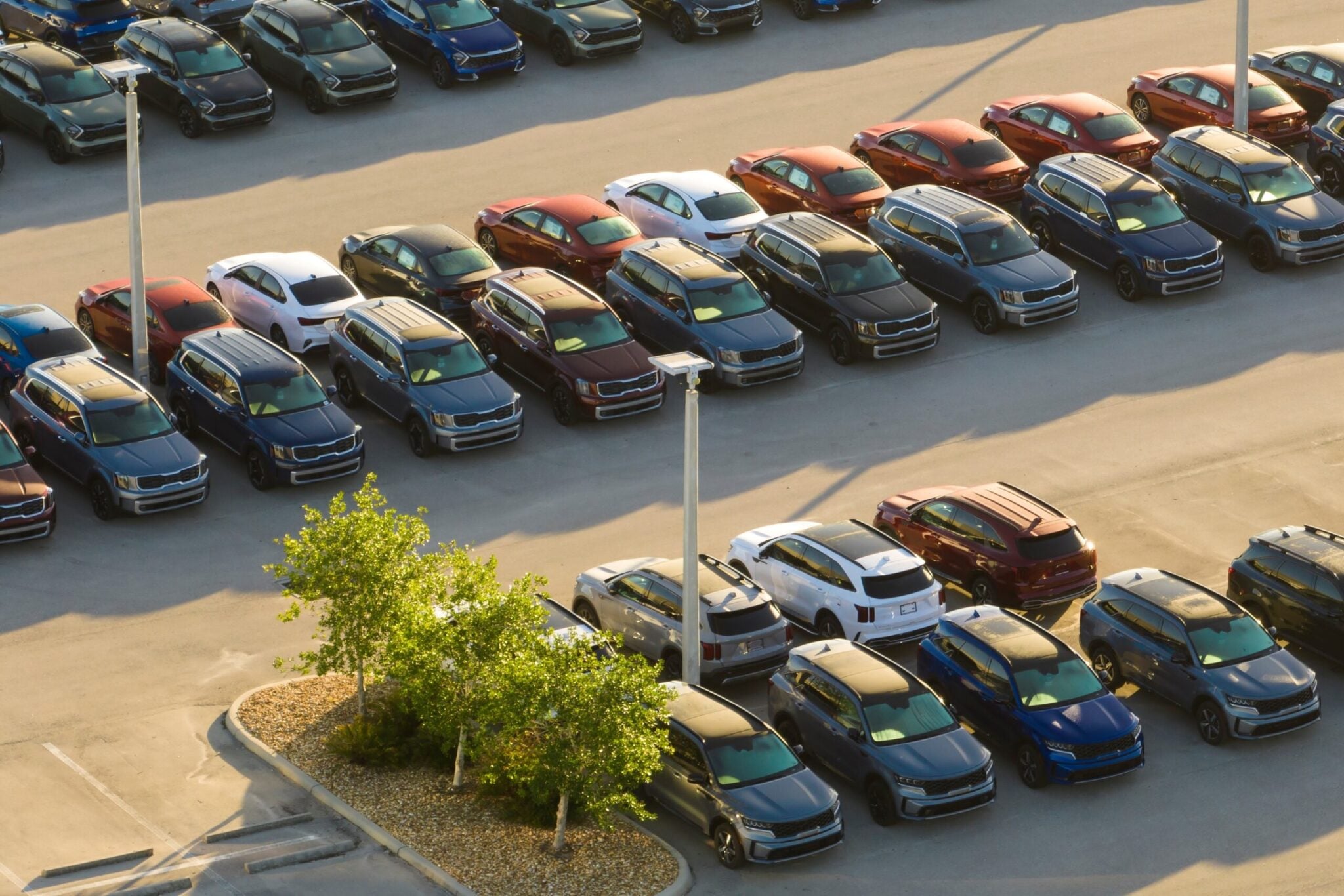
If you have been in a grocery store parking lot recently, you have probably seen them. Cars tucked neatly into spaces but facing outward, engines aimed at the lane like they are prepared for a quick getaway. They sit among rows of conventionally parked vehicles like contrarians at a dinner party. For some drivers, the sight is mildly irritating. For others, it is a genuine source of frustration.
The practice has picked up enough momentum that AAA, one of the most recognized driving authorities in the country, actually updated its driver training guidelines around 2020 to promote backing in as the safer choice. That official endorsement has helped push the habit further into the mainstream, spreading it from industrial job sites and defensive driving courses into everyday suburban parking lots across America.
So what is really going on here? Is this a safety issue, a personality type, a generational shift, or just a quirk that has somehow taken on outsized cultural meaning? It turns out the answer involves a little bit of all of the above, and the conversation around it says something genuinely interesting about how Americans think about control, efficiency, and preparation.
Why AAA Now Recommends Backing Into Parking Spaces
The shift in AAA’s official recommendation did not come out of nowhere. It was backed by research. A 2020 study published in the journal Transportation Research found that the traditional pull-in, back-out method actually carries a higher crash risk than backing in first. The reasoning is fairly logical once you hear it: when you reverse out of a space, you are rolling blind into a lane where pedestrians and moving cars are most likely to be. When you back into the space first, you do the difficult part while the lane is relatively clear and you have more time to maneuver carefully.
William Van Tassel, the manager of driver training programs for AAA, has been spreading this message through driving school curriculum across the country. He points out that backing in keeps your car positioned for a safer exit, with your sightlines open and your path forward clear when you leave.
Critics of this argument, however, point to a technological development that changes the equation somewhat. Since 2018, all new vehicles sold in the United States have been federally required to include backup cameras. That rear visibility makes backing out of a traditional spot considerably safer than it used to be, which complicates the safety argument in favor of backing in.
The Personality Type Behind the Habit
Here is where it gets interesting. When you actually talk to people who back into parking spaces, a surprisingly consistent profile emerges. It is not about gender, vehicle type, or income level. It is a mindset.
Backer-inners tend to prioritize the exit. They are thinking about leaving before they have even stopped the engine. Some do it out of professional habit, particularly those who work at industrial sites like power plants and refineries, where corporate policy often requires backing in for faster emergency evacuations. Others picked it up years ago for reasons they cannot even fully articulate anymore, and it has simply become routine.
There is also a more psychological explanation worth considering. Some observers have noted that backing in offers a sense of readiness in an anxious world. Companies that teach personal safety and situational awareness have long recommended what they call “tactical parking,” which is essentially the same thing: back in so you can drive straight out if you need to leave in a hurry. In a broader cultural moment where people are more attuned to exits and contingencies, backing into a spot is the parking lot equivalent of sitting with your back to the wall at a restaurant.
The Case Against Backing In
Not everyone is convinced, and the opposition has some solid points too. Critics of the practice argue that backing into a narrow parking space, typically between 7.5 and 8.5 feet wide, is actually more technically demanding than the highway lanes most drivers are used to, which run about 12 feet across. The tighter margin leaves less room for error.
There is also the courtesy argument. When a driver stops to reverse into a space, every car behind them in the lane has to wait. In a busy parking lot, that brief delay ripples outward and creates congestion. Pulling in headfirst is faster and keeps traffic moving.
Some drivers take the middle road entirely, skipping the debate by looking for two consecutive open spots and pulling all the way through so they end up facing forward without ever reversing at all. It is the parking equivalent of not taking a side in an argument.
What This Debate Can Teach Us
It might seem like a trivial argument, but the parking debate is actually a useful mirror for how people approach everyday decisions. People who back in are optimizing for the future moment, accepting a short-term inconvenience now to make the eventual exit smoother. People who pull in headfirst are optimizing for the present moment, getting parked quickly and dealing with the reversal when it comes.
Neither approach is objectively wrong, which is precisely why the debate persists. It is also a reminder that even small behavioral habits, the ones that feel completely natural and obviously correct to the person doing them, can look baffling or even rude to someone else. The backer-inner thinks the headfirst parker is being careless. The headfirst parker thinks the backer-inner is being unnecessarily complicated and a little self-important about the whole thing.
What the research does seem to settle is that if you are parking somewhere with pedestrian traffic and you have the skill to do it, backing in is the statistically safer choice. Whether that is worth the extra few seconds of maneuvering, and whether your neighbors in the parking lot appreciate the wait, is entirely up to you.