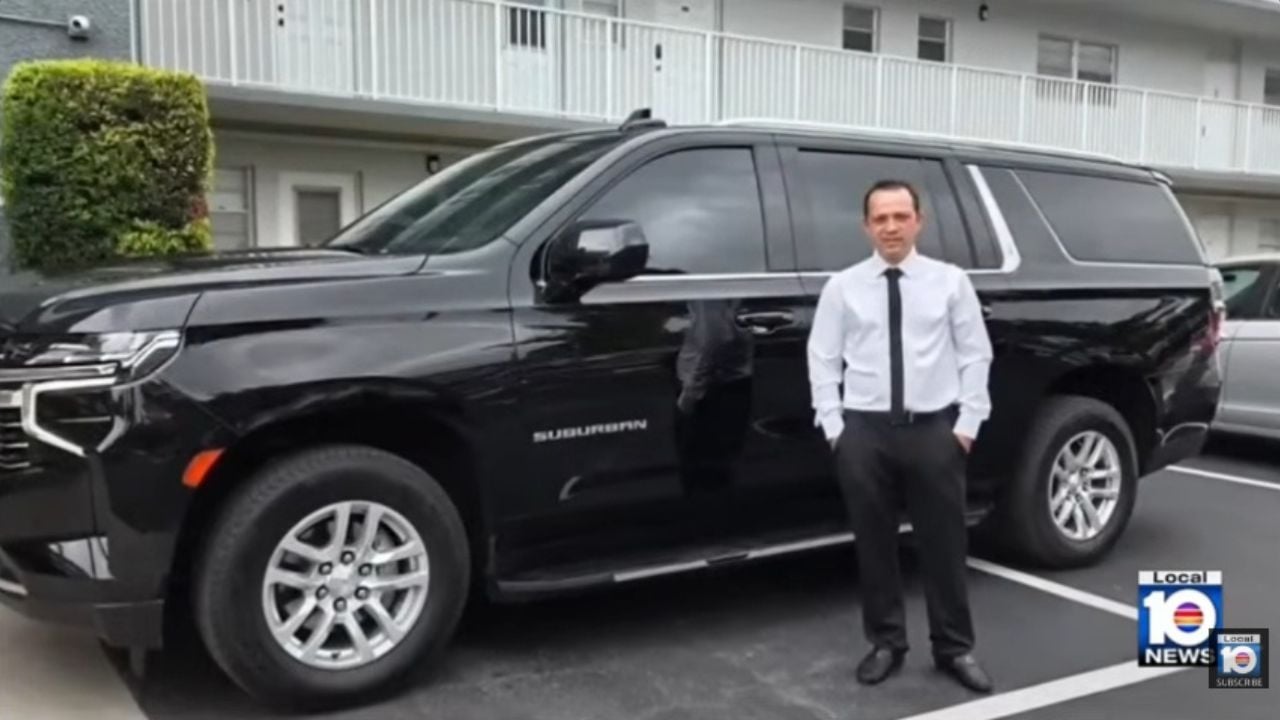

A clean VIN check. Legit-looking paperwork. A solid discount on a big, newish SUV. Everything looked good and in order on paper.
The reality? A trap lurked just around the corner.
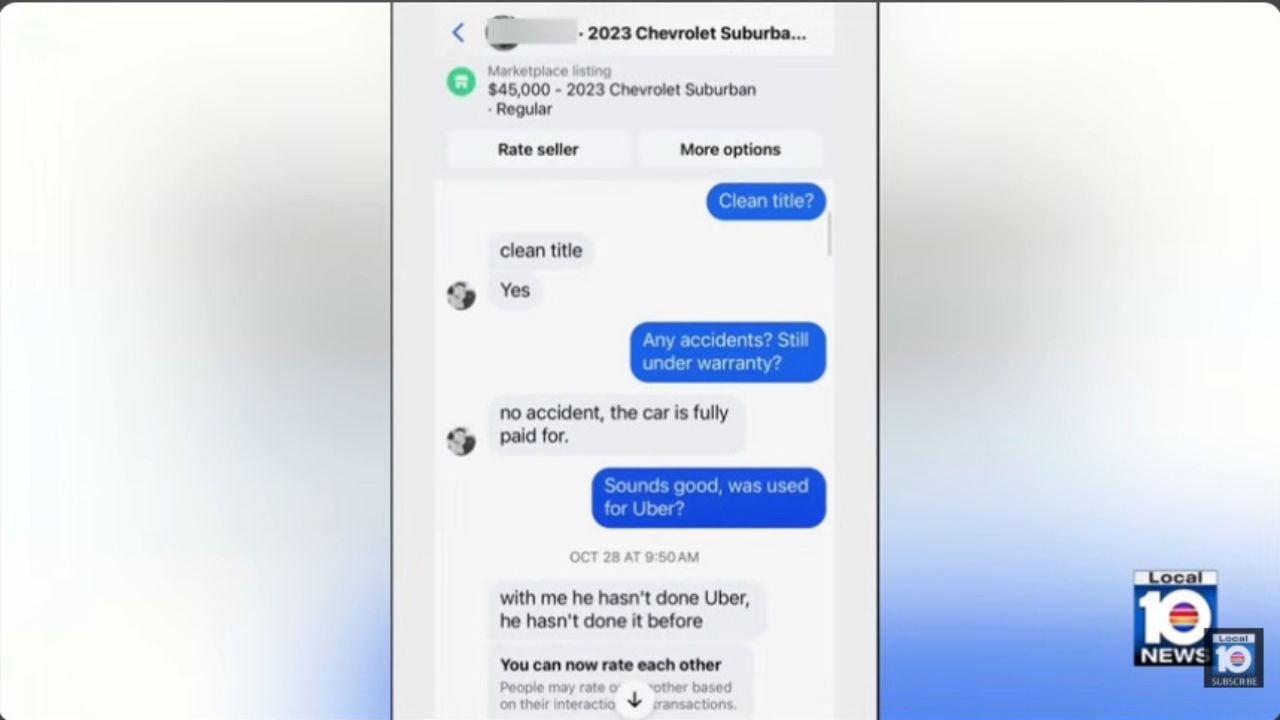
Adrien Blea thought he had scored a deal when he found a black 2023 Chevy Suburban listed on Facebook Marketplace for $45,000. After some back-and-forth, the seller agreed to $35,000. That kind of price drop can feel like a win, especially in a market where large SUVs don’t come cheap.
But then, the whole thing was just starting to get interesting. Blea didn’t just hand over cash blindly. He ran the VIN. It came back clean. The title matched. Registration details looked consistent. No obvious red flags. Blea isn’t a careless shopper walking into a scam. This was someone who did the “right” checks.
And that’s exactly why this case hits harder.
Digging Up Buried Skeletons
Barely three days after the purchase, the first crack showed up.
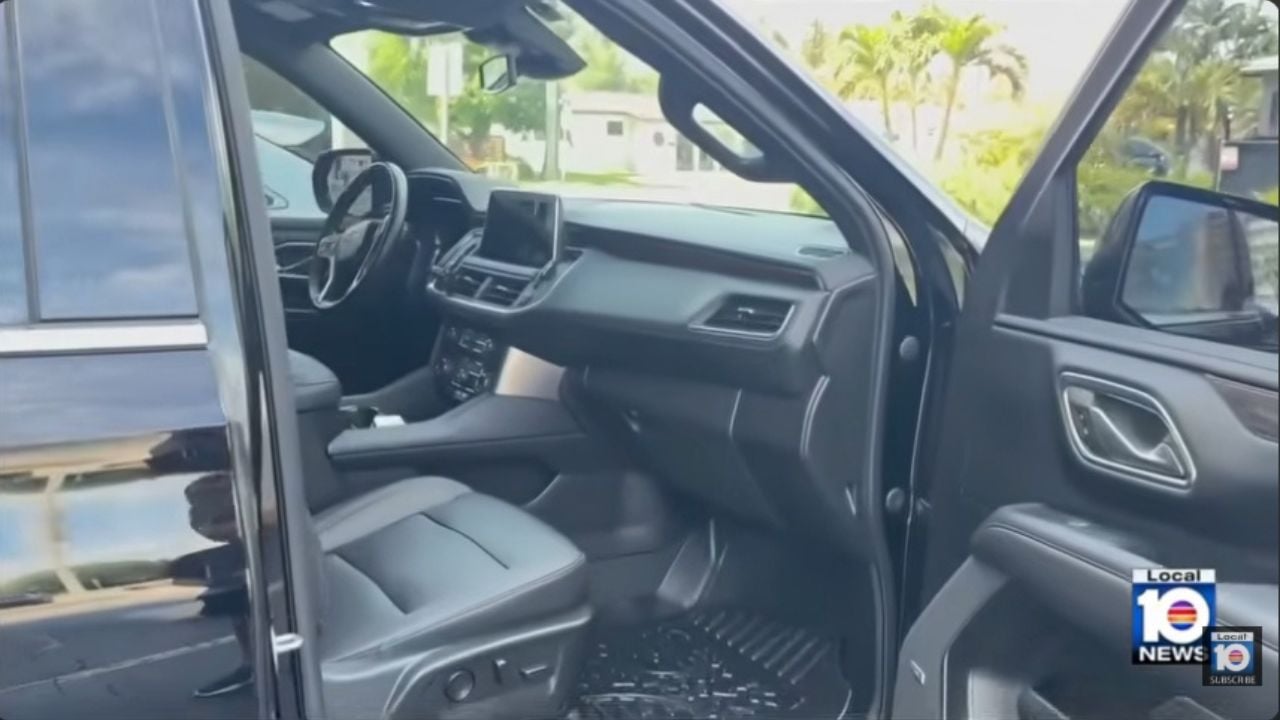
The radio stopped working. Sure, no need to make a mountain out of a non-functioning radio, except that modern cars are basically rolling networks. So, when something electrical goes wrong, people start digging. And dig, Blea dug. He connected to the car’s system to try and diagnose the issue.
That’s when everything unraveled.
We assume when he hooked up the radio, the car’s onboard systems tried to communicate, and that’s when inconsistencies in the vehicle’s electronic identity surfaced; things like mismatched VIN data stored in modules, or error codes that didn’t align with the paperwork.
Modern cars have multiple modules (engine control, infotainment, transmission, etc.) that all carry VIN information. If one module shows a different VIN than the others, it’s a red flag. By connecting the radio, he essentially forced the system to “talk,” exposing the cloned VIN.
Once the car was back on the road, those mismatched VINs became detectable during routine checks. Law enforcement often uses roadside scanners or runs plates against VIN-linked databases. The cloned VIN didn’t match the registration records, so the car was flagged as suspicious.
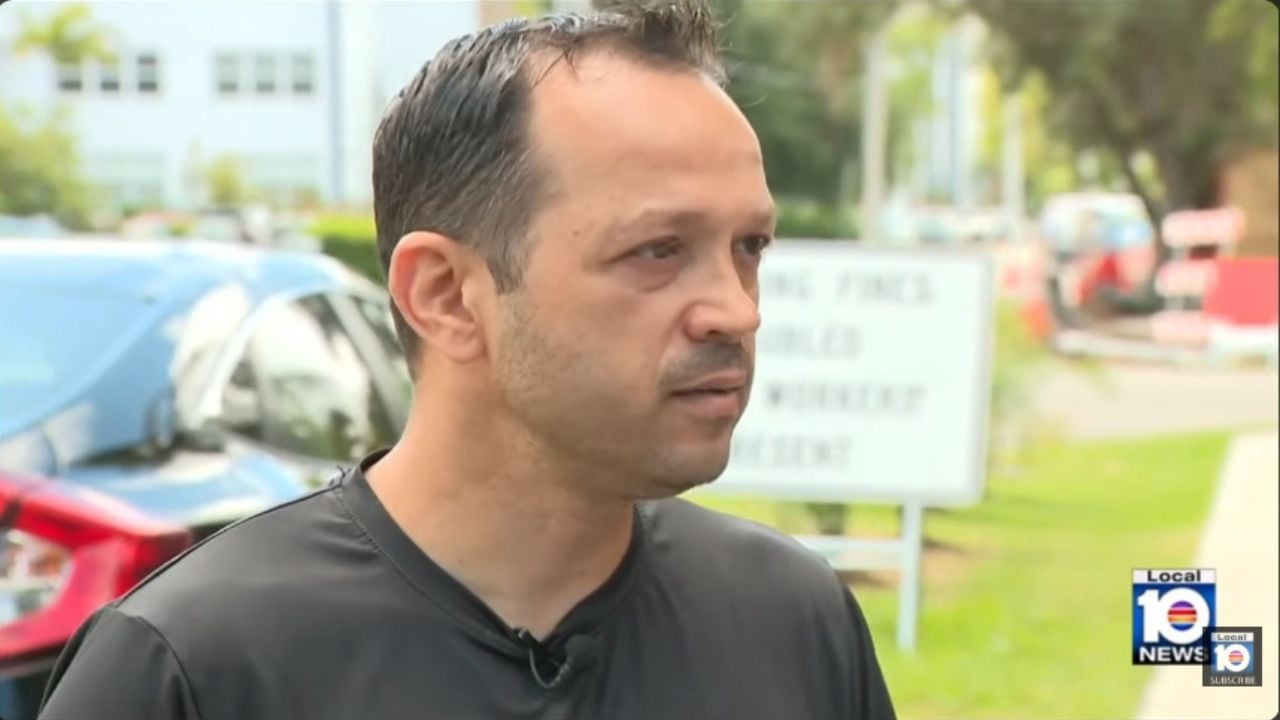
Police tracked the truck and pulled him over. During the stop, officers inspected the VIN plate and immediately spotted something off. It wasn’t just a mismatch. It was fraudulent.
The VIN tied to the title pointed to a dealership in Kentucky. Problem is, that dealership never had the vehicle in its inventory. That alone is enough to get a man in handcuffs. But it didn’t stop there.
Officers found another VIN on the vehicle. That second number appeared to be cloned from a legitimate Canadian car. Now you’re looking at a layered deception. One fake identity wasn’t enough. This SUV was wearing multiple identities to stay hidden.
Lost the Car and Owes the Bank
This is what’s known as VIN swapping.
Criminals take a legitimate VIN from a clean vehicle and attach it to a stolen one. To an average buyer, and even to some systems, the car looks legit. It passes basic checks because the number itself isn’t flagged. The problem is the number doesn’t belong to that physical vehicle.
And in this case, the real story of the SUV traces back to Oklahoma, where it had been reported stolen. Somewhere along the way, it was rebranded, repackaged, and pushed back into the market.
By the time it reached Blea, it looked like a normal private sale.
The fallout is brutal. Police seized the SUV. Blea lost the car and the $35,000 he paid. On top of that, he’s still dealing with a loan tied to a vehicle he no longer has. To stay afloat, he had to buy another car just to keep working.
This is where the street-smart lessons come in.
The Giant Red Flag
According to the KBB and J.D. Power, the average used price for a 2023 Chevrolet Suburban in the U.S. market is around $63,000, with most listings ranging between $57,500 and $68,700 depending on mileage, trim, and condition.
The price alone should have been a blaring siren. So, when Blea saw one listed at $45,000 and then negotiated it down to $35,000, he should’ve known such a discount is rarely a matter of generosity. It was simply implausible.
Large SUVs like the Suburban hold their value well, and a sudden $10,000–$30,000 drop below market norms should be suspect. In hindsight, the deal was simply too good to be true, and the steep cut was probably the biggest red flag of all.
That said, it’s easy for outsiders to dismiss Blea as greedy or careless, but that judgment is unfair. He did what most buyers are told to do: ran the VIN, checked the title, reviewed the paperwork. Everything looked consistent. He may have been “greedy” (who doesn’t like a good deal?), but he didn’t go in blind.
In fact, his diligence makes this case more tragic; he wasn’t reckless, he was methodical.
The scam worked precisely because criminals exploited the limits of standard checks. Cutting him some slack is probably in order because he trusted the systems in place, and they failed him.
Running the VIN Doesn’t Cut It Anymore
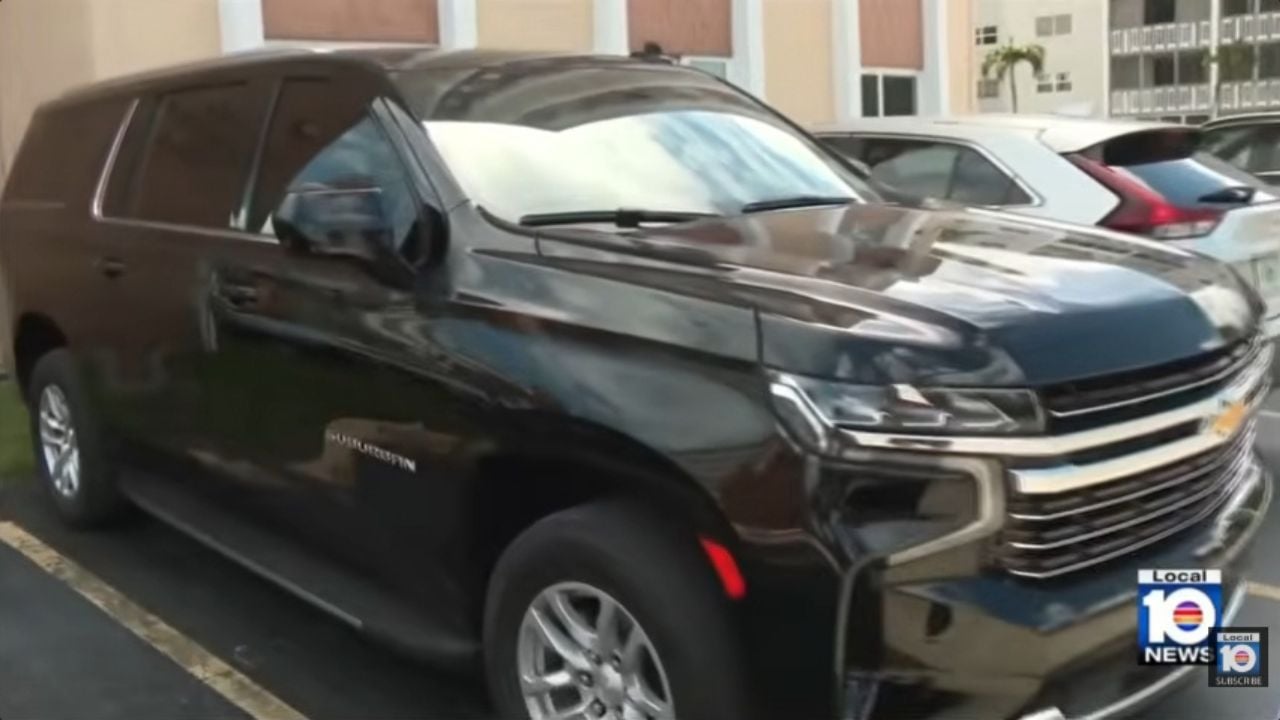
A clean VIN check isn’t enough anymore. If the VIN itself has been cloned, tools like Carfax can only tell you about the original car tied to that number, not the one sitting in front of you.
You need to cross-check VIN locations on the vehicle. Modern cars have VINs in multiple places. Dashboard, door frame, engine bay, sometimes even hidden stamps. If those don’t all match perfectly, walk away.
Paperwork can be faked. Titles can be forged. Registration documents can look convincing. What’s harder to fake is consistency across physical identifiers.
Another move is to involve a professional inspection service. Not just a mechanic checking engine health, but someone trained to spot tampering and inconsistencies in vehicle identity.
And then there’s the deal itself. A significant price drop should trigger questions. Not automatic suspicion, but curiosity. Why is the seller willing to lose that much money? Urgency, pressure, or reluctance to meet in controlled environments like a dealership or inspection center should raise your guard.
No Matter the Venue, Always Study the Menu
Thieves are getting more sophisticated in their methods, yes, but you don’t have to be their prey.
No matter how sophisticated their methods get, they still need a loophole or an offramp to snare a victim. For example, neglecting to check consistency across physical identifiers is one of such loopholes.
While it’s a general rule of thumb to avoid making significant deals via Facebook, people have also found themselves in hot water dealing with licensed dealerships.
We ran the story of a Canadian family that bought a used truck only to find out when the police seized it a week later that it was a stolen vehicle.
We’ve ran countless similar stories, including a young woman in Detroit who bought a used Malibu from a licensed dealership only to learn she couldn’t register the car in her name until a lien issue was resolved.
On the other hand, perfectly legit transactions have occurred without drama on Facebook. In fact, we only recently ran the story of a sweet, ’67 Firebird that changed hands via eBay. It’s safer to avoid social media marketplaces for car deals, but the safest method is the cautious method.
The uncomfortable truth is this: the scams are getting smarter. Buyers can do everything they think is right and still get caught.
Which means the new playbook isn’t just about checking boxes but about layering your defenses, slowing things down, and treating every “too good” deal like a puzzle that needs to make sense from every angle.