
Chinese automakers have gone from underestimated challengers to global disruptors in just a few short years. Brands once dismissed by Western rivals are now producing electric vehicles packed with advanced technology, strong range, and price tags many legacy automakers struggle to match.
That rapid rise has sparked growing concern in the United States.
Now Jim Farley, the chief executive of Ford Motor Company, has entered the debate with one of the strongest statements yet, urging a total block on Chinese EVs entering the American market.
His warning goes far beyond competition, touching jobs, national security, privacy, and the future of U.S. manufacturing itself.
Ford CEO Says Chinese EV Imports Would Be “Devastating”
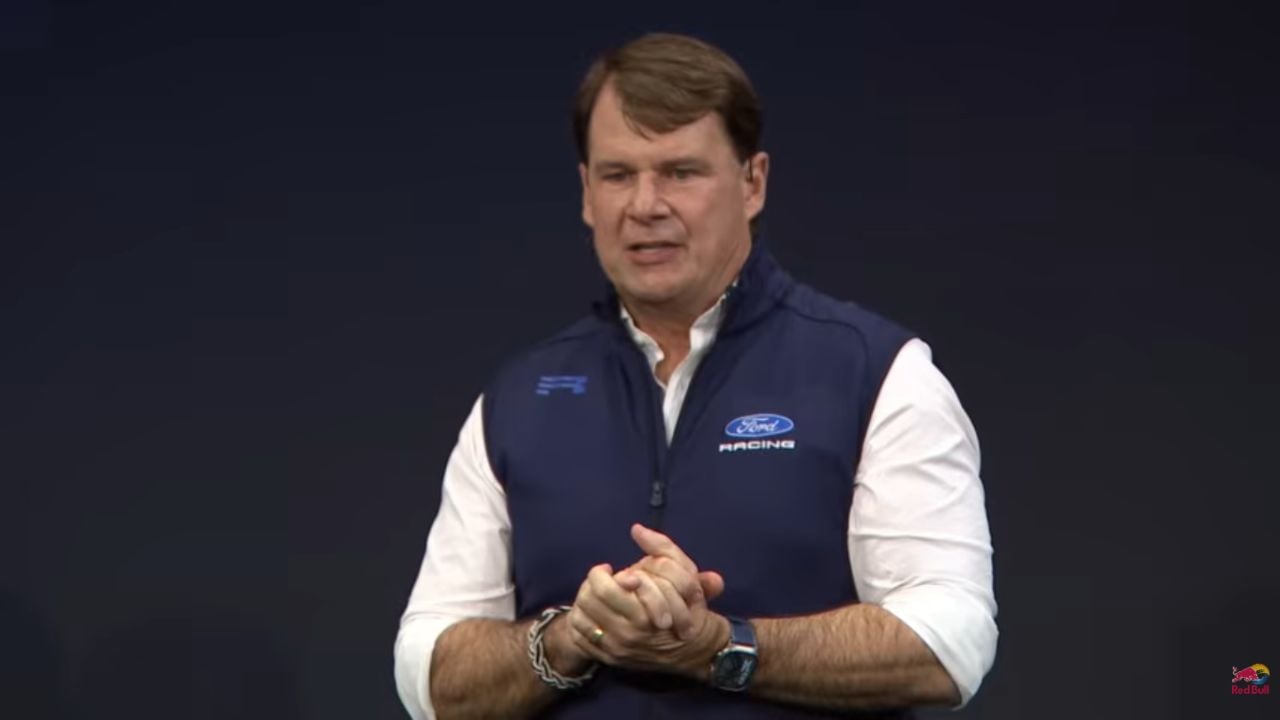
Speaking during a recent Fox News appearance, Farley argued that allowing Chinese-made EVs into America would seriously damage the domestic industry.
According to Farley, manufacturing remains central to the country’s economic strength, and losing production to lower-cost imports would come at a major price.
He reportedly said the U.S. should not allow them into the country because the economic consequences would be devastating, adding that auto manufacturing remains the “heart and soul” of America.
That is a significant statement coming from the head of one of Detroit’s Big Three.
Security and Privacy Fears Also Front and Center
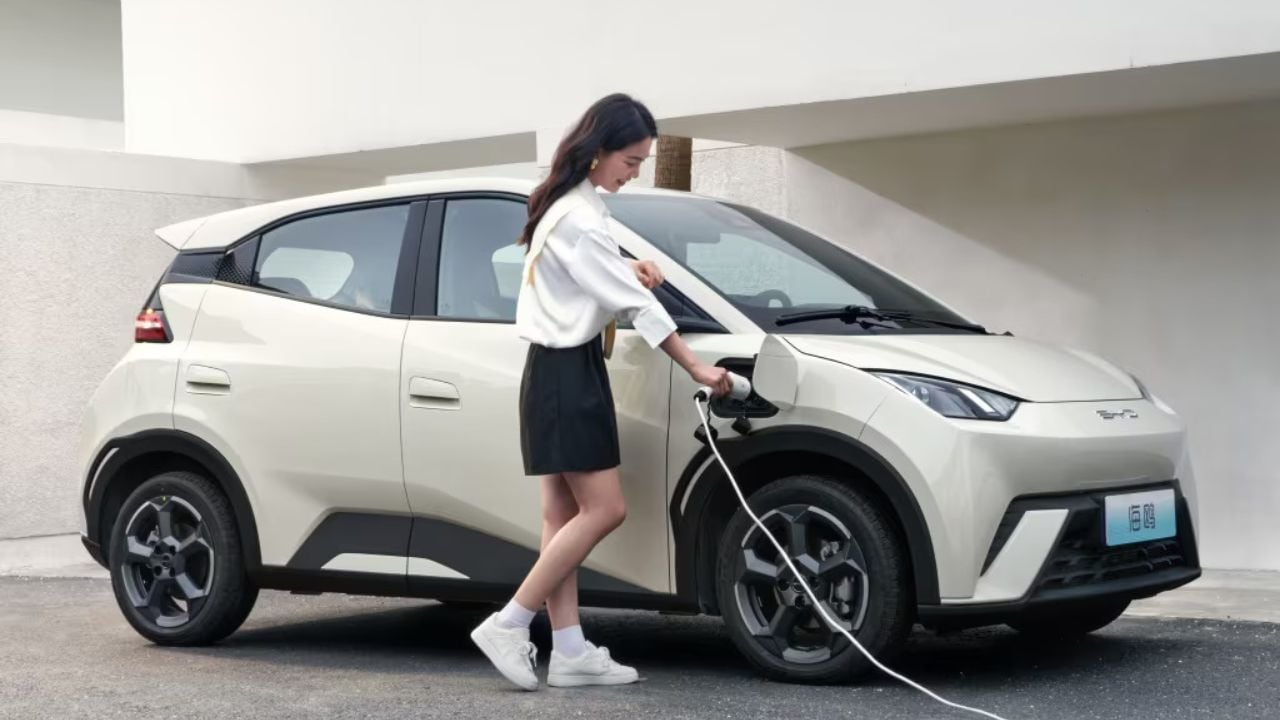
Farley also pointed to data concerns surrounding modern connected vehicles.
Today’s cars can collect large amounts of information through cameras, GPS systems, microphones, sensors, and onboard software. That includes driving habits, location history, cabin footage, and user preferences.
His concern is that Chinese-built connected cars could potentially gather sensitive data and transmit it overseas.
Those fears are already influencing policy. U.S. officials have increased scrutiny on Chinese automotive software and connected vehicle systems in recent years, citing national security risks.
The Irony: Ford Still Works With China
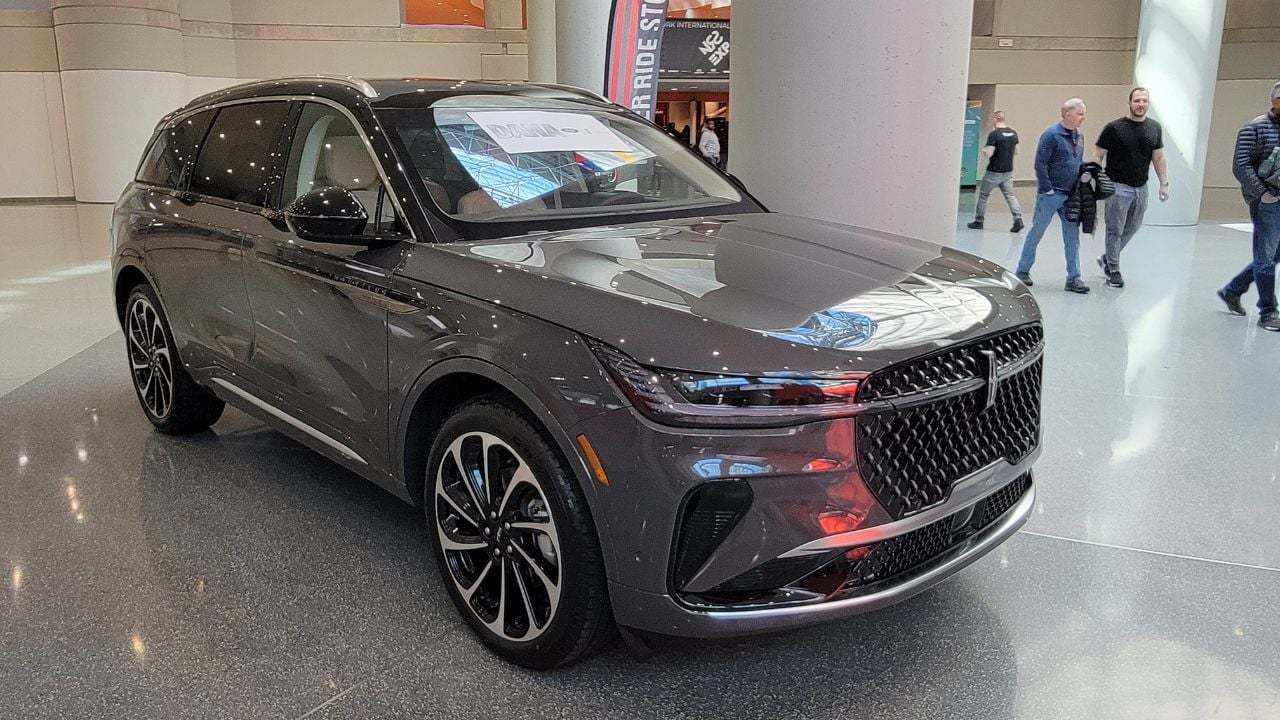
What makes Farley’s comments especially notable is Ford’s own involvement in China.
Ford operates joint ventures there, sources some battery technology linked to Chinese suppliers, and builds certain vehicles overseas for export, including the Lincoln Nautilus.
That reflects the difficult reality facing global automakers.
Many companies rely on Chinese battery expertise, supply chains, or production partnerships while simultaneously worrying about China’s long-term competitive threat.
In other words, they need China today while fearing China tomorrow.
Why Chinese EVs Have Everyone Nervous
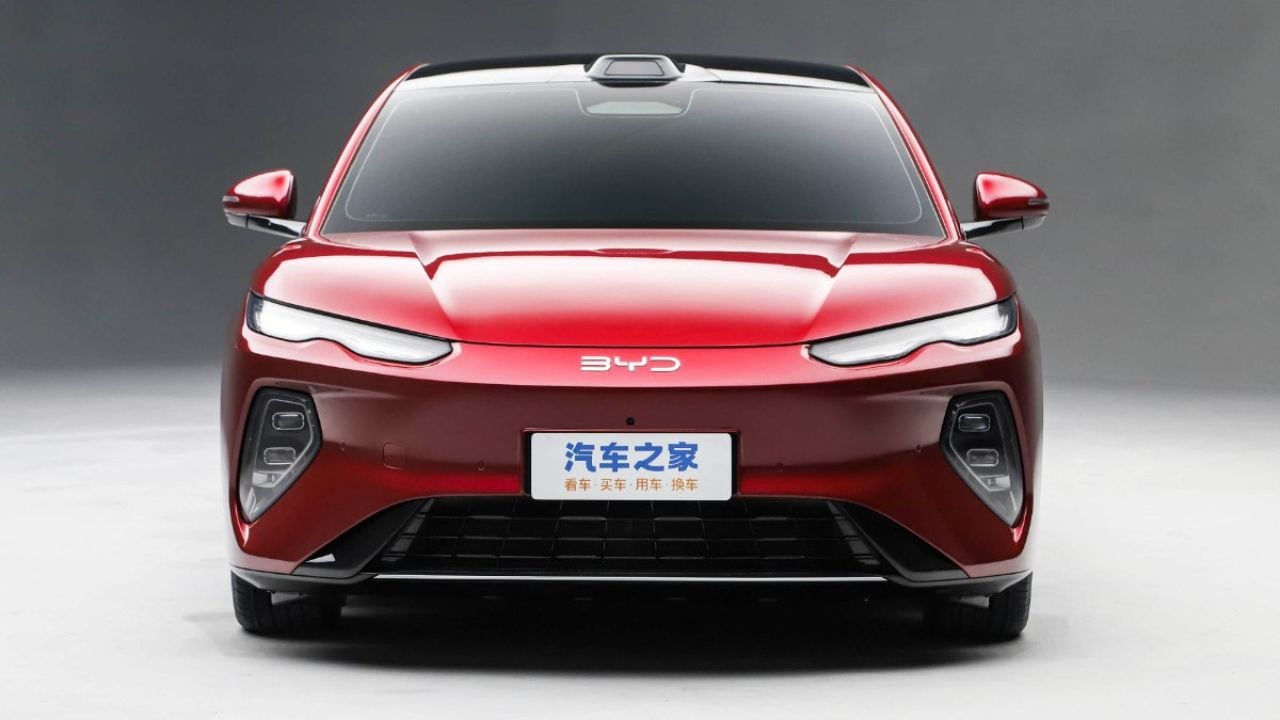
Chinese brands such as BYD, Xiaomi, NIO, and Geely have moved quickly.
They often combine:
- Competitive pricing
- Fast software development
- Strong battery integration
- Modern interiors and user tech
- Rapid production scaling
Legacy automakers in the U.S. and Europe know this is not a temporary challenge.
A Debate Bigger Than Cars

This debate is no longer just about what people drive.
It now touches industrial policy, supply chains, cybersecurity, employment, and geopolitical leverage. Cars have effectively become rolling computers, and whoever builds them controls more than transportation.
Farley’s comments show how seriously Detroit now views the threat.
Whether America moves toward a full ban or keeps using tariffs and software restrictions, it’s obvious that Chinese EVs have forced the entire industry to react.
For years, Western automakers set the pace. Now they are trying to protect their home ground.