
Counting deaths is a blunt instrument, but it can still teach travelers what to watch for. The U.S. Department of State publishes anonymized records of U.S. citizen deaths abroad from non-natural causes, listing the date, location, and reported cause. The figures below use the three calendar years 2020-2022 from that public file.
One crucial accuracy note: these are U.S. citizen deaths overseas, not tourist-only cases, and the totals are shaped by travel volume, expat communities, and whether incidents are reported to a U.S. embassy or consulate. “Non-natural” includes homicide, vehicle crashes, drowning, suicide, aviation incidents, and other accidents. Treat this as a guide to common hazards, not a ranking of “danger per vacation.”
1. Mexico

Mexico has the highest total in the 2020-2022 Department of State file, with 537 recorded non-natural deaths of U.S. citizens. The leading categories in those entries include homicide, auto crashes, and other accidents, with drowning and suicide also appearing often. The mix fits the reality of exposure: driving, nightlife, coastal time, and big-city movement all add risk in ordinary ways.
Practical prevention here is boring, which is exactly why it works. Prefer daylight driving, stick to well-used routes, and avoid improvising long road segments late at night. In beach zones, rip currents and alcohol plus water can turn a calm afternoon into an emergency fast. For personal security, follow local guidance on neighborhoods, skip flashy signals of wealth, and use vetted transport options.
2. Costa Rica

Costa Rica ranks next in this 2020-2022 slice, with 52 recorded cases. Drowning stands out as the dominant cause category, far ahead of traffic incidents and other listings. The pattern fits a destination where many visitors and long-stay residents spend time near surf beaches, rivers, and waterfalls.
Ocean conditions can look gentle while behaving like machinery. Swim where lifeguards exist, respect posted flags, and treat “strong swimmer” confidence as a rumor until you read the water. Near cascades and rocky pools, slippery edges and sudden depth changes can cause serious injuries without warning. Renting a car adds freedom, yet road fatigue and nighttime visibility are quiet multipliers, so plan drives conservatively.
3. Dominican Republic

The Dominican Republic follows closely with 49 recorded deaths in the same three-year window. The file shows a spread across drowning, homicide, auto crashes, and a noticeable cluster labeled as aviation accidents. That does not mean routine commercial flights are unsafe, but it does highlight that small aircraft and excursion-style aviation can show up in fatality statistics.
Beach resort comfort can create a false sense of invincibility. Keep water time inside swim zones, and be cautious with boat trips when conditions look choppy or crews seem rushed. If you book aerial tours, prioritize reputable operators with clear safety practices, and walk away if something feels off. On land, standard city habits still apply: avoid isolated areas late, and use reliable rides rather than accepting random offers.
4. Thailand

Thailand appears in the top group with 30 recorded deaths for 2020-2022. Motorcycle crashes lead the cause categories by a wide margin, with other accidents and suicides trailing behind. That profile matches a place where scooters are cheap, common, and often ridden by people who would never rent one at home.
A scooter can be a vacation’s fastest way to turn into a hospital visit. If you ride, wear a real helmet, avoid night runs, and skip unfamiliar mountain roads after rain. Water activities deserve equal respect, especially in rough-season surf and on boat-heavy islands. For everyone else, choosing taxis or ride apps over two wheels is one of the simplest risk reducers.
5. Jamaica
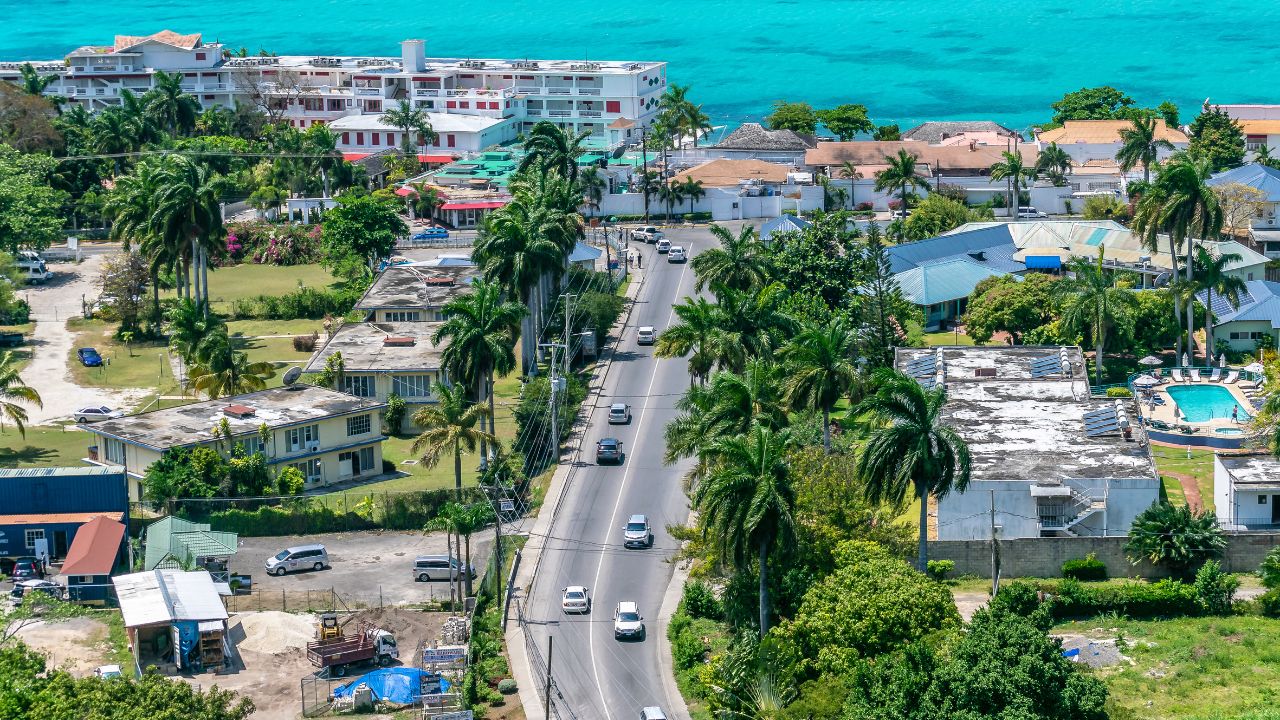
Jamaica shows 29 recorded deaths in the 2020-2022 dataset. Homicide sits at the top of the listed causes, with vehicle crashes next, and smaller numbers spread across other categories. That mix is less about beach loungers and more about how people move around, where they go after dark, and whether they drift outside well-traveled zones.
Traveling smart here looks like choosing structure. Stick with trusted transport, limit late-night wandering in unfamiliar areas, and use local advice when picking excursions or nightlife. Seatbelts and sober driving matter more than people want to admit on holiday. In the water, treat currents and rocky entries seriously, since “easy” swims can change fast.
6. Japan

Japan records 29 deaths across 2020-2022 in the posted file. Suicide is the largest category in those records, with drowning and other accidents also present. This is a reminder that the dataset includes U.S. citizens living abroad, not only short-stay visitors, so the headline hazards are not always “tourist mistakes.”
For typical travelers, the more relevant risks are situational: hiking missteps, winter conditions, and water incidents. Stay conservative on trails, respect weather warnings, and avoid solo swims in rough coastal areas. In cities, Japan is generally orderly, yet the basics still count: watch platform edges, be cautious with alcohol, and do not assume every environment is automatically safe because the streets feel calm.
7. Germany

Germany shows 26 recorded deaths in 2020-2022. The leading category is suicide, followed by other accidents and vehicle-related incidents, plus a smaller number marked undetermined or unknown. As with Japan, the pattern reflects that many U.S. citizens in the file are residents, students, or long-term workers rather than vacationers alone.
For visitors, the everyday hazards are familiar and preventable. Autobahn driving demands attention, and fatigue after long flights is a classic setup for bad decisions behind the wheel. Outdoor trips, especially near water or in alpine areas, reward cautious planning and realistic timing. Keep emergency numbers saved, and do not let “developed country” vibes erase common sense.
8. El Salvador

El Salvador has 25 recorded deaths in the 2020-2022 dataset. Drowning and auto crashes lead the causes, with homicide and other accidents also appearing. The distribution suggests that water safety and road behavior deserve as much planning as personal security.
Surf beaches are spectacular, and they can also be unforgiving. Swim with local guidance, avoid entering rough water alone, and treat warning signs as instructions, not decoration. For transport, prefer reputable drivers and minimize night road travel outside the most familiar corridors. In cities, keep awareness high, and follow current local advice on where to go and when.
9. Philippines

The Philippines records 25 deaths for 2020-2022 in the file. Homicide and suicide appear frequently, with motorcycle incidents and other categories also present. As an archipelago with heavy ferry and small-boat traffic, the broader “how you move” question often matters as much as “where you stay.”
Choose reputable inter-island operators, avoid overloaded vessels, and pay attention to weather calls that locals take seriously. On roads, treat motorbikes as a high-risk choice unless you have real experience and proper gear. In urban areas, basic precautions reduce exposure: keep valuables quiet, use trusted rides, and avoid situations that hinge on strangers pressuring you to go somewhere fast.
10. South Korea

South Korea rounds out this top-ten set with 24 recorded deaths across 2020-2022. Suicide is the leading cause in those records, followed by other accidents and a smaller set marked undetermined or unknown. That again signals the difference between “tourist danger” and the realities of U.S. citizens living abroad inside the same dataset.
Most short-stay visitors will see a highly organized environment, yet accidents still happen the usual way: fatigue, alcohol, traffic, and overconfidence. Use crosswalk discipline, stay alert around fast city traffic, and keep nighttime plans simple if you are jet-lagged. Outdoors, treat coastal conditions and hikes with the same respect you would anywhere else. If a trip feels emotionally heavy for any reason, reaching out early is a strength, not a failure.
Source note: Counts and cause categories are tallied from the U.S. Department of State’s public spreadsheet of U.S. citizen deaths abroad from non-natural causes for 2020-2022, which the Department explains and updates on its death statistics page.