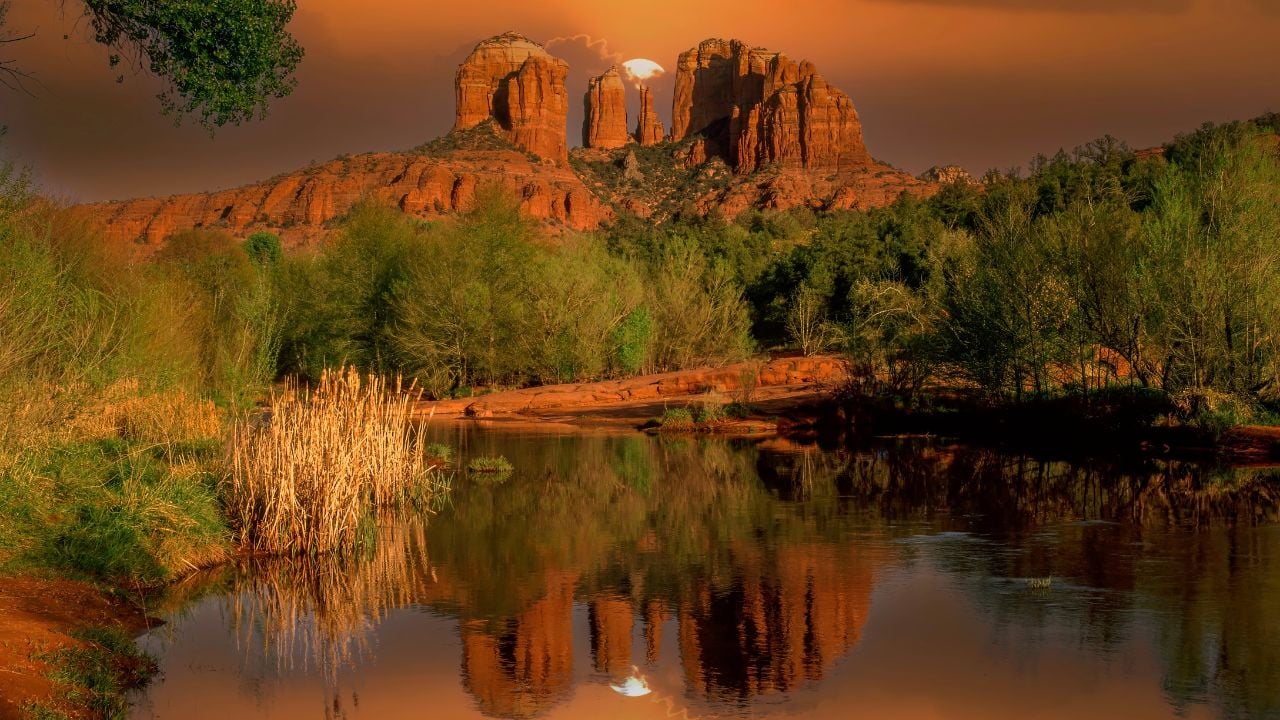
Sedona does not need a long introduction. The red sandstone walls, buttes, and cliffs take over the view almost as soon as you get close, and the approach into town already feels like part of the trip. Many places ask visitors to go find the scenery. In Sedona, the scenery is already waiting beside the road.
That immediate visual impact is only part of the appeal. Sedona also gives travelers more than one way to spend their time once they arrive. Some people come for the trails, some for the spa-and-wellness side of town, some for photography, and some for a few quiet days in a place that looks nothing like home. The area is compact enough that those different versions of the trip can exist side by side.
The city also works well for people who do not want every day to feel like an athletic test. A morning hike can be followed by a slow lunch, a drive to an overlook, a walk through galleries, and dinner with a view of the rocks. Sedona can absolutely be adventurous, but it does not force visitors into a difficult pace just to enjoy the place properly.
The smartest way to build the trip is to keep it focused. A few strong stops are enough to show why Sedona stays so popular. The scenery explains the city’s visual pull, the trails show how close the landscape sits to town, the vortex culture adds a distinct local identity, and the mix of nature and town life keeps the trip from narrowing into one-note outdoor tourism.
1. The Red Rock Scenery Is the Main Event From the Start
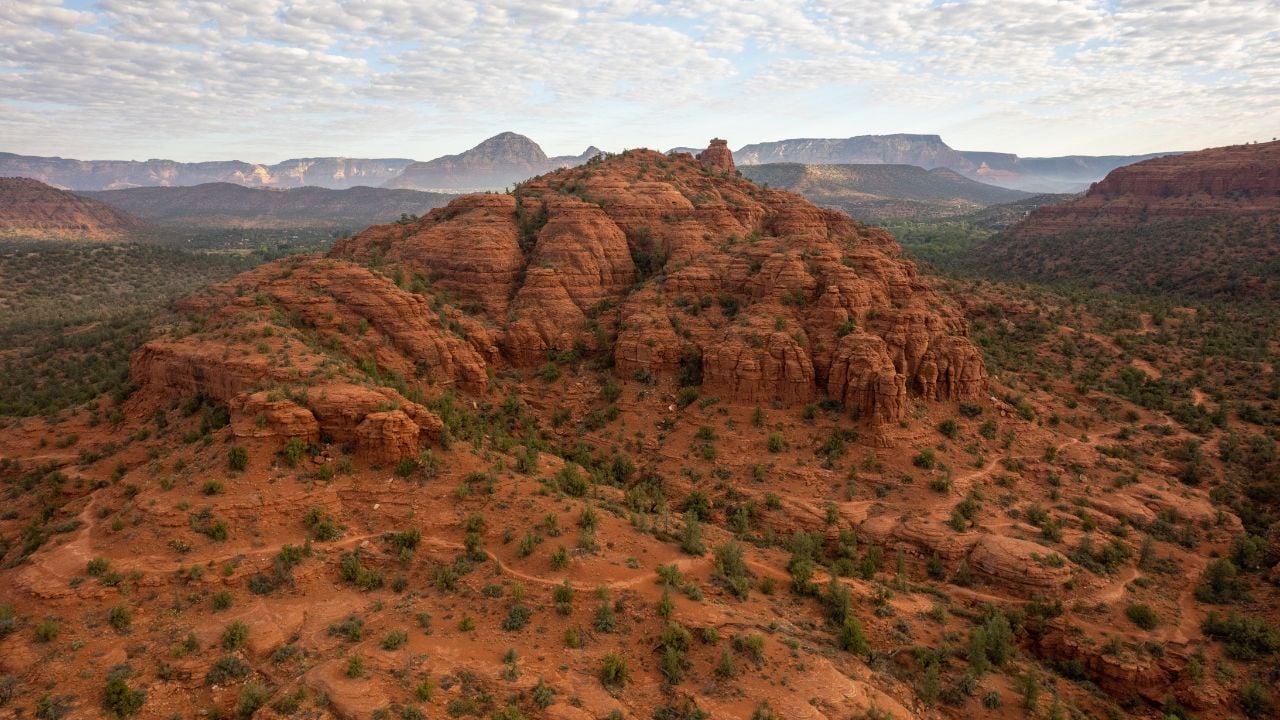
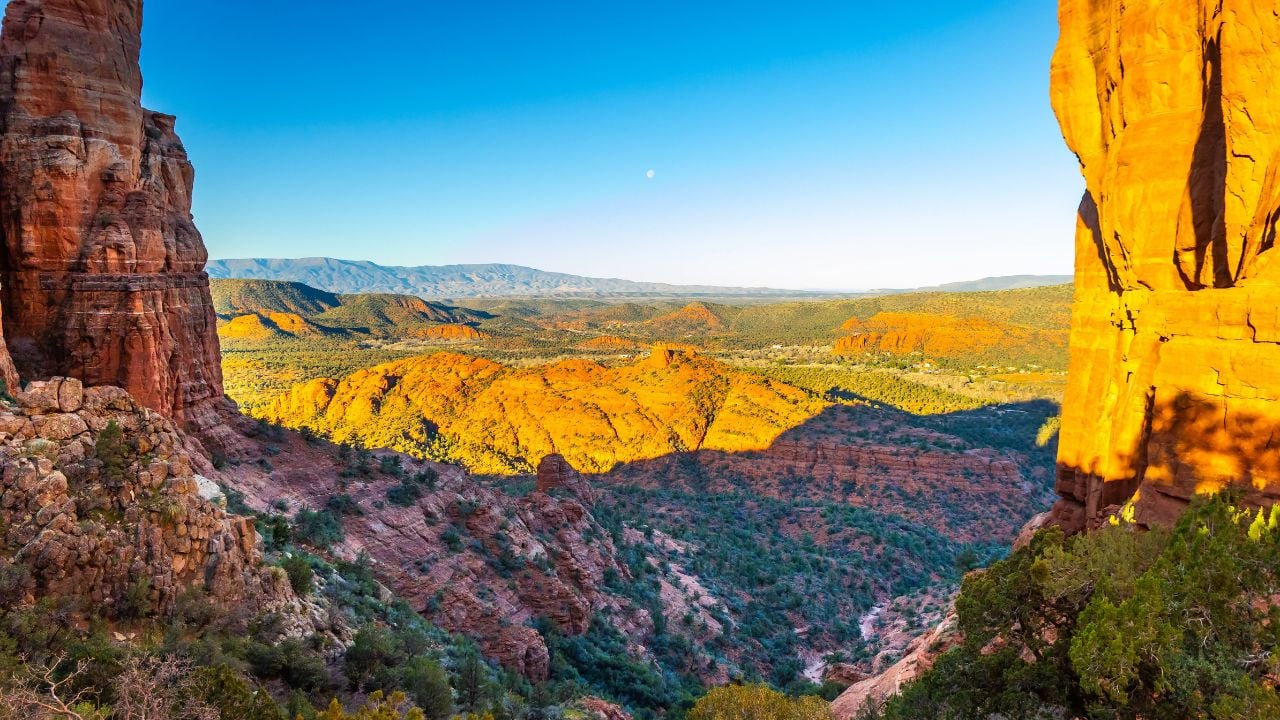
Sedona’s red rock landscape is the first reason people remember the place so clearly. The formations shift in color through the day, moving from darker rust and orange tones into pink, purple, and softer red as the light changes. Visitors do not have to disappear into the backcountry to enjoy that effect, either. Scenic drives, hotel patios, roadside pull-offs, and restaurant decks can all deliver views that feel unmistakably Sedona.
The wider setting helps explain why the scenery feels so present during the whole trip instead of only during one planned outing. Much of the area around town sits within Coconino National Forest’s Red Rock Ranger District, which keeps trails, viewpoints, and outdoor areas close at hand. Visitors using many Sedona-area Forest Service fee sites will need a Red Rock Pass or another accepted pass, so checking the rules before heading out saves time and frustration.
2. The Hiking Is Scenic Even When the Outing Is Short
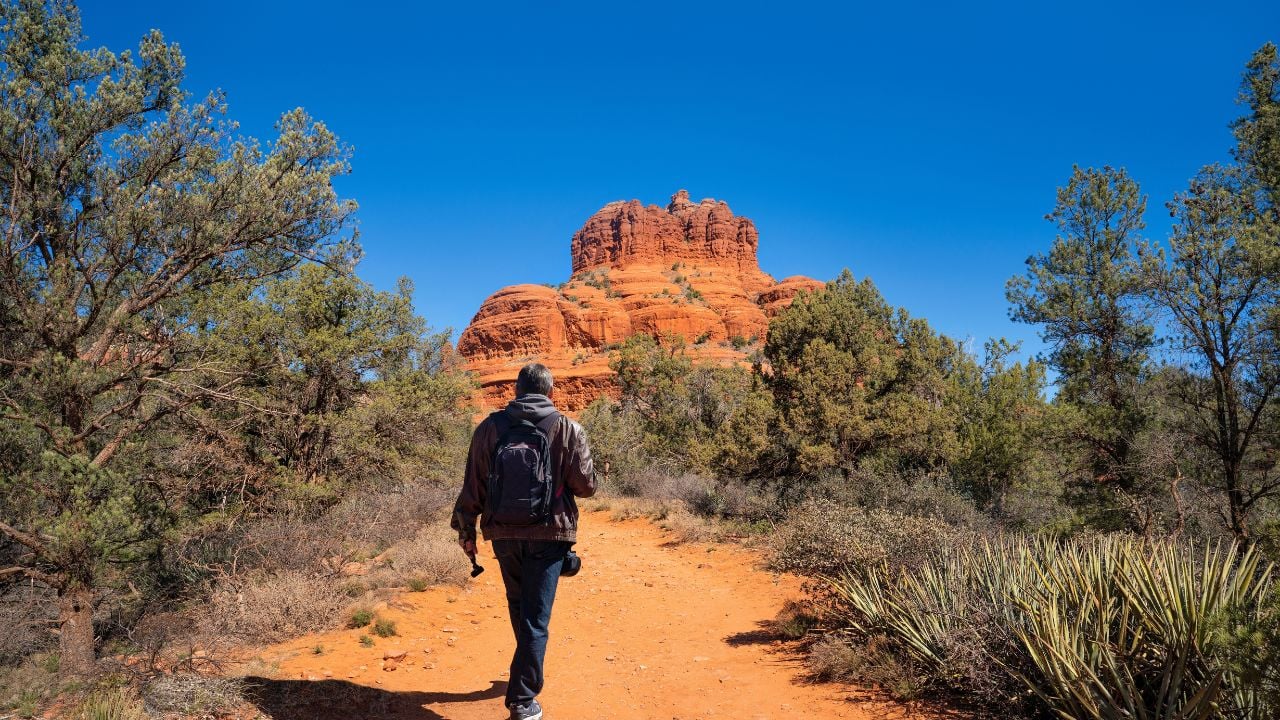
Sedona attracts hikers because even a shorter route can still bring broad views, unusual rock shapes, desert plants, and strong photo stops. Cathedral Rock, Bell Rock, Airport Mesa, and Soldier Pass are among the best-known names, but they do not all suit the same energy level or amount of available time. A visitor does not need to plan an all-day trek to feel as though the landscape delivered.
The bigger challenge is often access, not distance. Popular trailheads fill quickly, especially during busy seasons and pleasant-weather weekends. Sedona Shuttle and its trailhead routes were created to reduce traffic and make several high-demand hiking areas easier to reach. That helps first-time visitors keep the focus on the walk itself instead of spending too much of the morning circling for parking.
3. The Vortex Reputation Gives Sedona a Different Atmosphere From an Ordinary Hiking Town
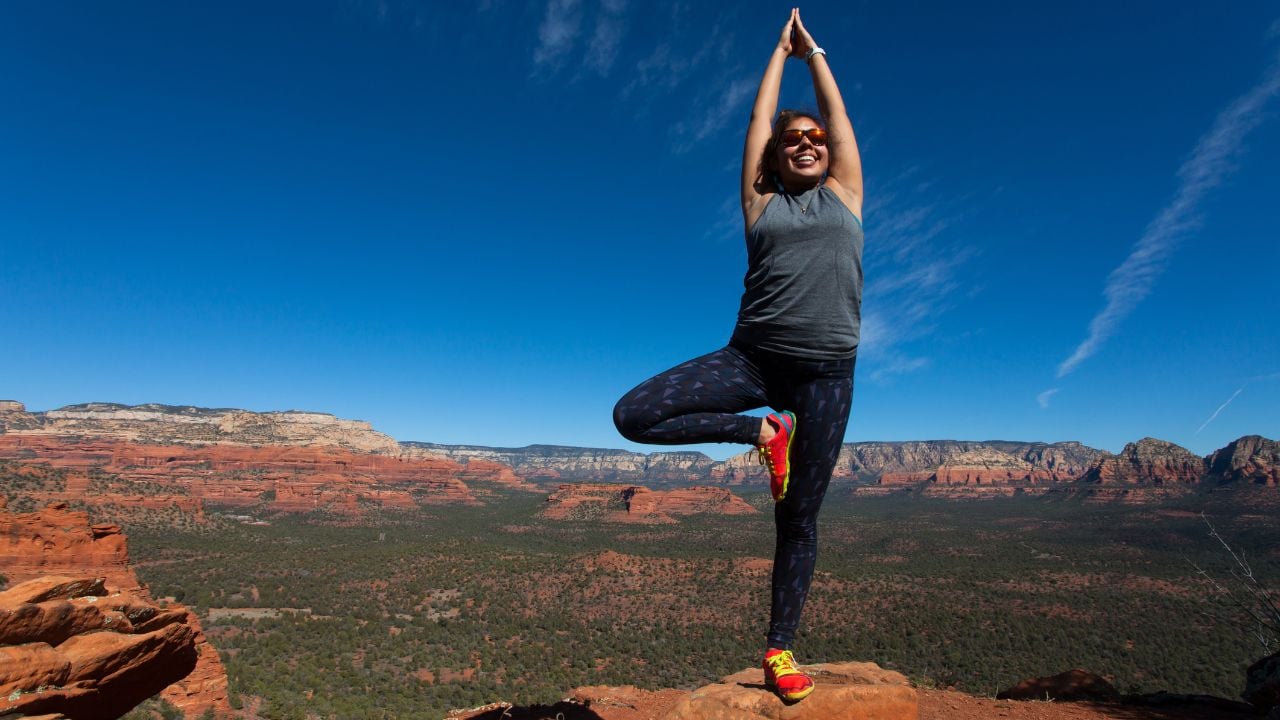
Sedona’s vortex sites are a big reason the city developed a reputation that stretches beyond ordinary sightseeing. Visit Sedona describes vortexes as places associated with meditation, healing, and self-discovery, and that language has become part of the destination’s identity. Some travelers arrive specifically for that side of Sedona, while others simply notice that the pace feels slower and quieter than in many other outdoor towns.
You do not have to believe every claim attached to the vortex culture to understand why the places linked to it remain popular. Many of them are naturally beautiful spots where people sit, watch the light move across the rocks, or look for a little stillness away from traffic and schedules. In Sedona, the spiritual identity works because it is tied to the landscape itself, not to a themed attraction built beside it.
4. The Town Gives Visitors Something To Do Between Hikes
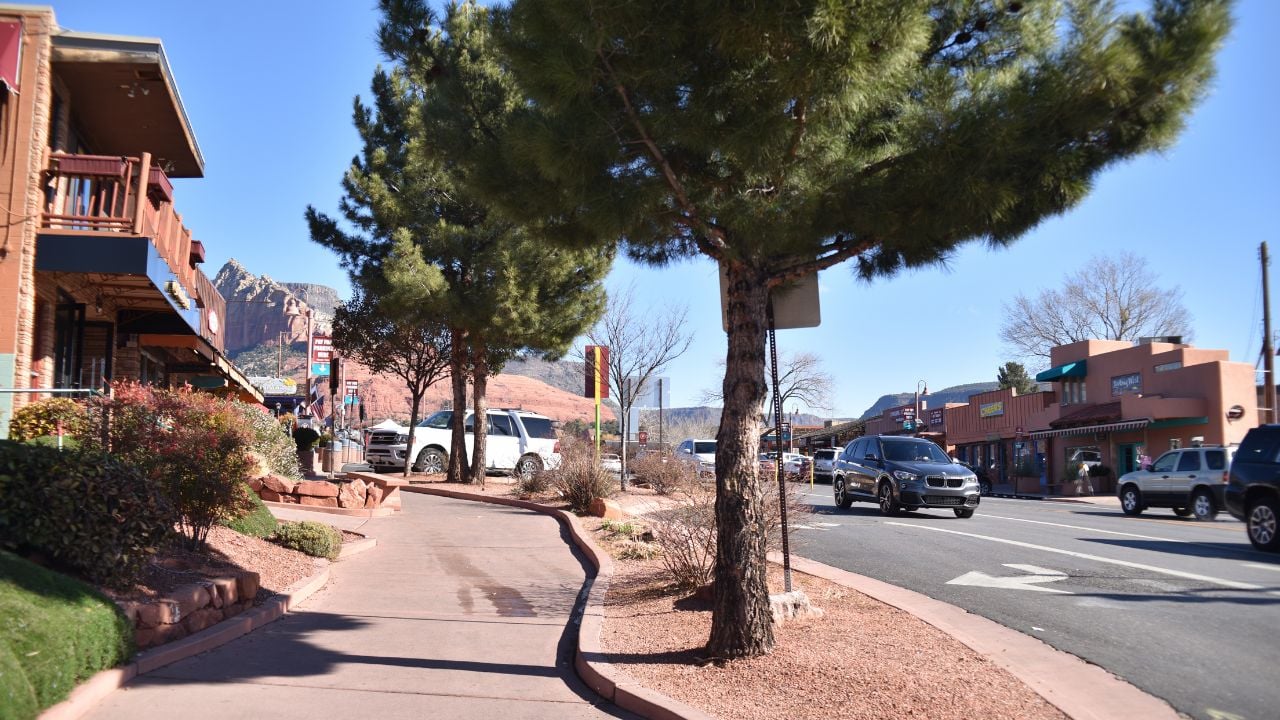
Sedona is not the kind of place where the day ends when the hike does. The town has galleries, shops, restaurants, spas, and scenic neighborhoods that give visitors other ways to spend their time once they step off the trail. Visit Sedona’s Visitor Center page points travelers to the Uptown location on Forest Road for maps, directions, local suggestions, and Red Rock Pass information.
That mix helps Sedona work for groups with different travel styles. One person can spend the morning on a trail while another browses galleries or shops, and everyone can still meet later for lunch or dinner with red rock views nearby. The City of Sedona says Uptown has free public parking, including all-day and three-hour lots, which makes the central visitor area practical as well as attractive.
5. Good Timing Usually Matters More Than a Packed Schedule
Sedona is beautiful, but it is not especially forgiving when visitors ignore logistics. Popular trailheads fill early, parking becomes frustrating, the midday sun can turn exposed routes into a slog, and traffic can build faster than first-time visitors expect. A better plan starts early, keeps plenty of water in the car, checks shuttle options ahead of time, and avoids stacking too many stops into the middle of the day.
Light also changes the experience in a very noticeable way. Sunrise softens the cliffs, late afternoon brings richer color back to the rock walls, and the busiest midday hours are often the least comfortable time to be on exposed trails or hunting for parking. Sedona leaves the strongest impression when visitors give themselves time to actually look at it instead of rushing from one named viewpoint to the next.