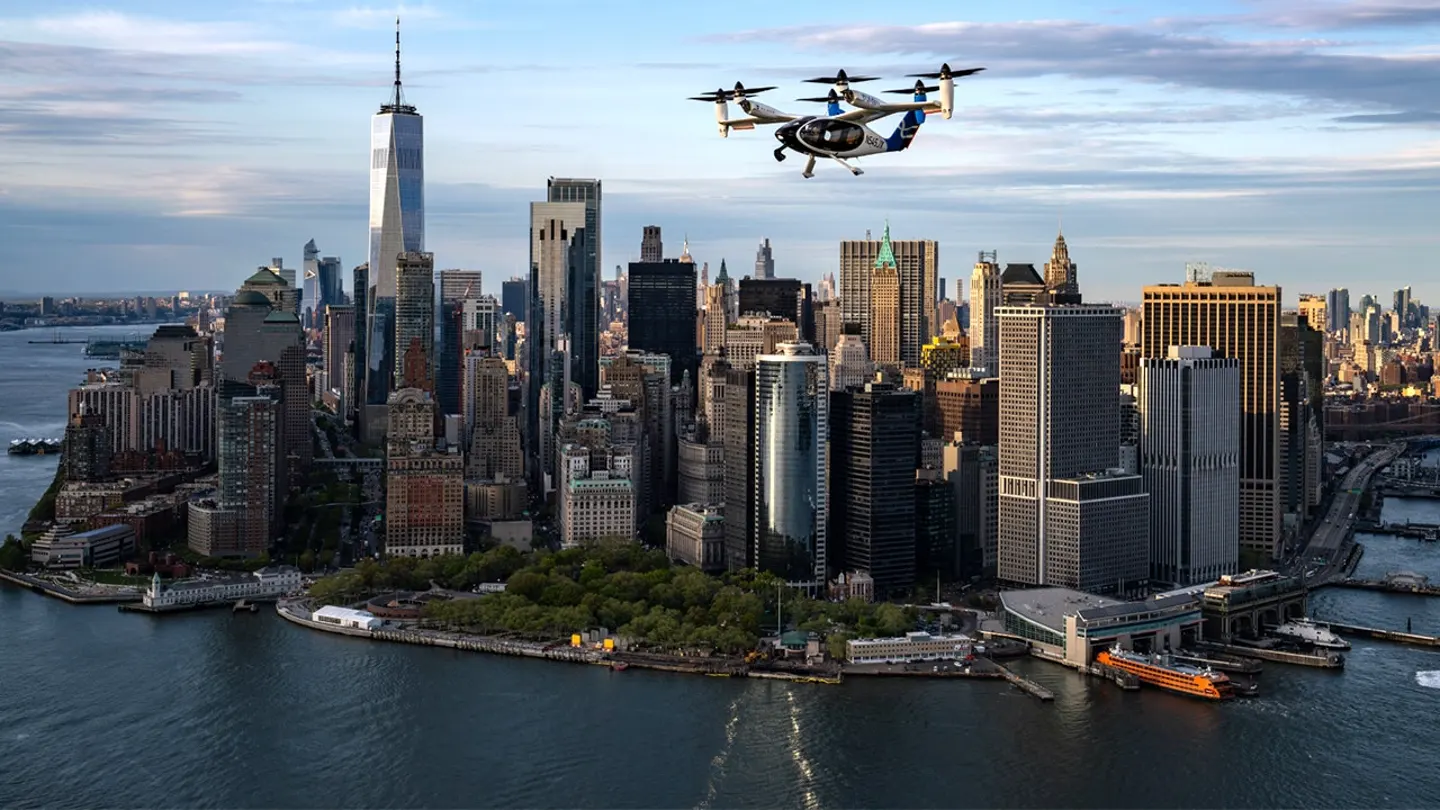
New York City has always had a complicated relationship with getting around. The subway is a cultural institution and a daily experiment in patience. The bridges and tunnels are monuments to both engineering and gridlock. And a cab from JFK to Midtown can run you $200 on a good day. So when a California company lands a quiet, zero-emission aircraft at a Manhattan heliport after departing from JFK in under 10 minutes, it is worth paying attention.
Joby Aviation recently completed what it describes as the first point-to-point electric vertical takeoff and landing, or eVTOL, air taxi demonstration flights in New York City. The aircraft departed from John F. Kennedy International Airport and touched down at heliports along the city’s existing network, including the West 30th Street and East 34th Street heliports in Midtown. The whole trip? Under 10 minutes. For context, a ground ride covering that same route on a bad traffic day can stretch past an hour.
The test flights were not a one-off stunt. Joby framed them as the opening move in a week-long public campaign across the city’s heliport infrastructure, laying the groundwork for what the company envisions as a connected regional air mobility network linking vertiports, major airports, and communities throughout the New York metropolitan area. The company worked alongside the Port Authority of New York and New Jersey to make it happen, which signals that this effort has some serious institutional backing behind it.
What makes this particularly notable is not just the speed. Joby’s aircraft produces no operating emissions and runs significantly quieter than traditional helicopters. In a city where noise complaints are practically their own borough, that matters. The technology is not waiting around for the distant future to arrive. If these flights are any indication, the future already has a landing pad on 34th Street.
What Joby Aviation Actually Built and Why It Is Different
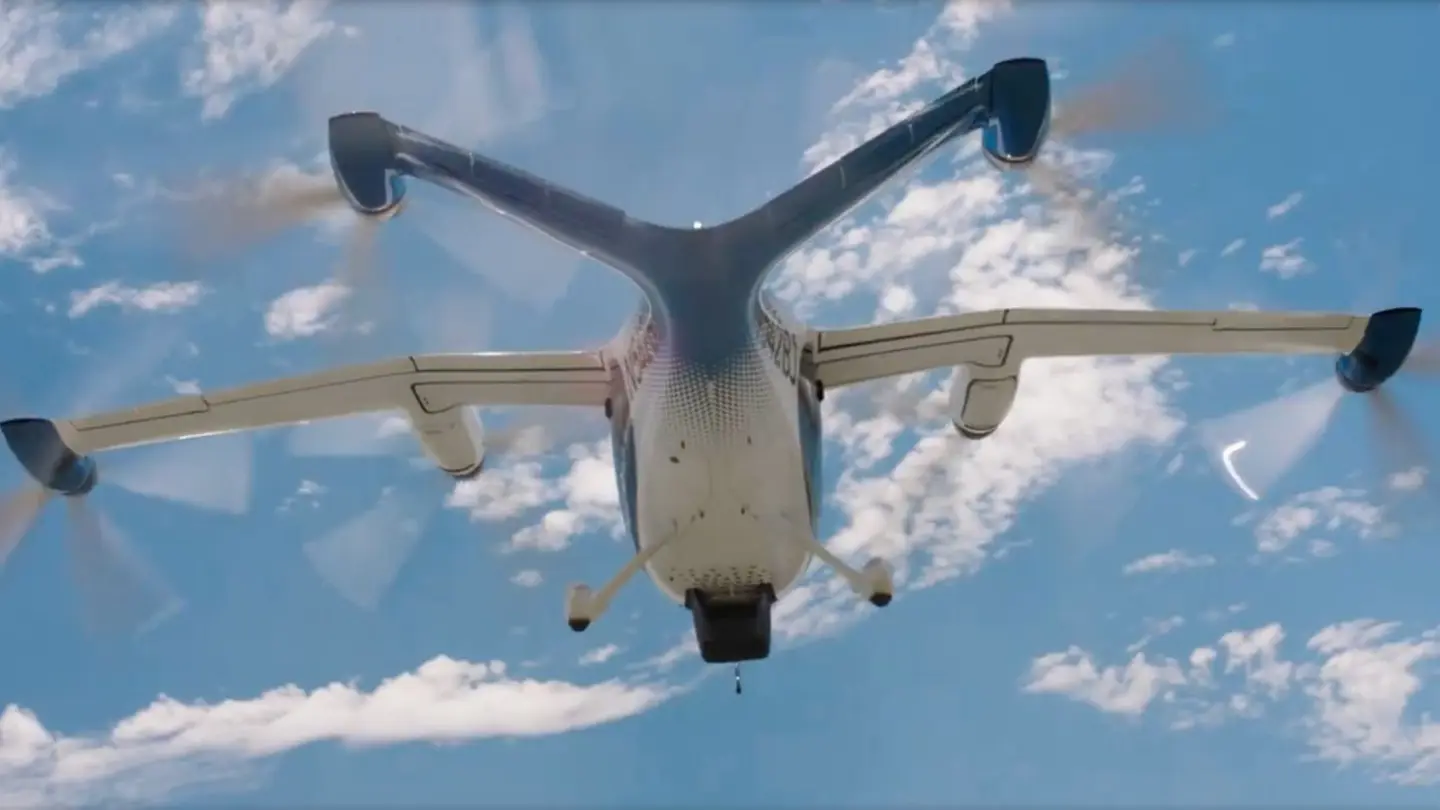
Joby Aviation is a California-based aerospace company that has spent years developing its eVTOL aircraft, which takes off and lands vertically like a helicopter but operates more quietly and without the direct emissions associated with conventional rotorcraft. The aircraft is battery-powered, which eliminates the noise and pollution that have made helicopter commuting a controversial and expensive option in dense urban areas.
The New York demonstration flights are part of a broader national strategy. Joby has previously conducted demonstration flights in San Francisco and has been working toward FAA certification for commercial passenger service. These New York flights represent a meaningful step in proving the technology works in one of the most logistically complex urban environments on earth.
What the People in Charge Are Saying
Port Authority chairman Kevin O’Toole weighed in on the significance of the flights, framing the agency’s participation as a responsibility to keep the regional transportation network aligned with emerging technology. He described the aircraft as exactly the kind of innovation worth testing and shaping for the public good.
The New York City Economic Development Corporation was equally enthusiastic. Interim president Jeanny Pak called the flights a real milestone, noting that the Joby demonstration linking city-owned heliports to major airports is proof that advanced air mobility has moved past the realm of science fiction. It is, in her words, already here.
That is a bold claim, but the footage and the flight data back it up. These were not simulated routes or computer renderings. The aircraft flew.
What Could This Actually Cost You
Here is where things get interesting and a little complicated. Joby Aviation CEO JoeBen Bevirt told NBC News that the company’s target pricing is to be competitive with ground transportation over time. That is a carefully worded promise, and “over time” is doing a lot of work in that sentence.
Right now, a rideshare between JFK and Midtown can cost anywhere from $150 to $250 depending on traffic and surge pricing. An air taxi route covering the same distance in a fraction of the time would presumably command a premium, at least initially. But the trajectory for emerging transportation tech typically trends toward greater accessibility as operations scale and competition grows. Think about what ride-sharing cost in 2012 versus today.
The goal is not to build a luxury service for the few. Whether the economics actually get there is a different question, and one that regulators, investors, and riders will all have a say in answering.
What This Moment Can Teach Us About Transportation Innovation
The reaction to Joby’s New York flights was telling. Social media responses ranged from pure excitement (“Can I get a ride?”) to legitimate criticism about the state of the city’s existing airport infrastructure. One commenter pointedly noted that the New York City area airports are among the worst in the country to reach, which is not wrong. JFK, LaGuardia, and Newark have long been notorious for access headaches.
That tension is actually the most instructive part of this story. Transportation innovation does not exist in a vacuum. A 10-minute air taxi hop means little if getting to the vertiport takes 45 minutes and costs half your fare. The success of eVTOL services in cities like New York will depend not just on the aircraft itself but on how seamlessly it integrates with everything below it, including subways, buses, ferry terminals, and yes, the occasional overcrowded cab.
The Joby flights are a genuine achievement. But they are also a reminder that solving urban mobility is rarely about one silver-bullet technology. It is about building systems that work together, and that takes cooperation between private innovators, public agencies, and the cities themselves. On that front, at least, this week in New York was a promising start.