German automakers have seen better days in China. The world’s largest car market is now going through an unusually intense fight for survival, especially outside the luxury segment.
European brands still have influence, but their old position is no longer guaranteed. Volkswagen wants to respond by making its Jetta subbrand feel more Chinese than ever.
More than 140 auto brands are now fighting for market share in China. In that kind of crowded field, even familiar names such as Audi, BMW, Mini, Mercedes, Porsche, and Volkswagen can almost disappear inside the massive halls of Auto China in Beijing.
Still, foreign automakers did not arrive at their most important market without new products. Their challenge is simple: they must show Chinese buyers that they can move faster, localize more deeply, and compete with domestic brands that already understand the market extremely well.
German Luxury Brands Go Local
BMW is not only showing the redesigned 7 Series, whose styling clearly reflects the influence of Chinese buyers, but also continues to offer a wide range of powertrains, including electric, gasoline, diesel, and plug-in hybrid options. With the new BMW i3 and iX3 pair from the so-called Neue Klasse, however, the approach is different.
In China, these models are available only with electric power. As with many combustion-powered models sold in the Chinese market, extended wheelbase versions are also part of the lineup. A range of more than 560 miles and a minimalist interior appear to be resonating well with local buyers.
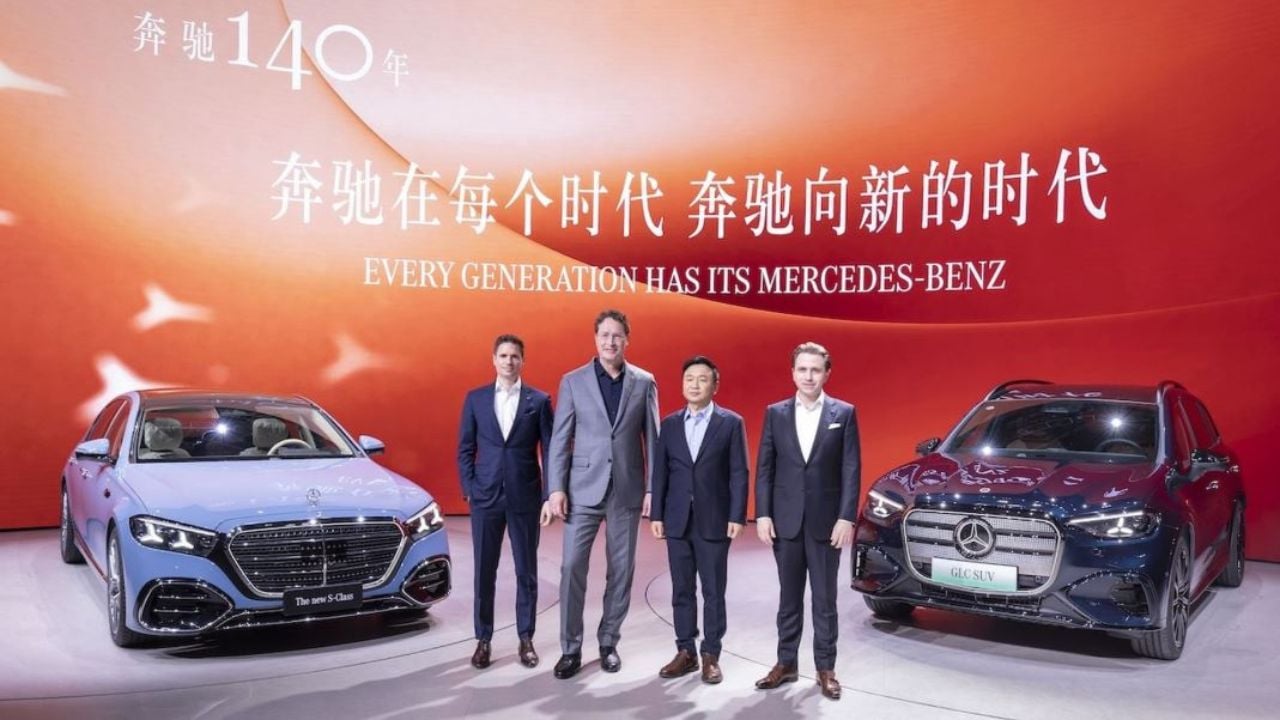
Mercedes is taking a similar path. Alongside the refreshed S Class, the main attraction is the electric GLC, a direct rival to the BMW iX3. It also comes with an extended wheelbase, which helps it reach a much broader audience than the high-end S-Class and Maybach models that remain especially popular in China.
The long-wheelbase electric GLC can be ordered with two luxury individual seats in the second row or with a six-seat layout. Air suspension and rear-wheel steering are also available. For buyers looking for a more accessible Mercedes, the new CLA 260L is intended to compete with increasingly strong Chinese brands.
“Auto China is the ideal platform for Mercedes-Benz to confirm our strategic commitment to China through concrete products,” said company CEO Ola Källenius. “In the future, we will further deepen localization, develop and produce more vehicles in China, and increasingly use the Chinese market as a source of innovation for Mercedes-Benz worldwide.”
Volkswagen Turns To Jetta
Porsche is bringing a sportier focus with the coupe version of its electric Cayenne, while Volkswagen is trying to reach a much wider group of buyers. That means competing directly with domestic brands such as BYD, Geely, Great Wall, Leapmotor, and MG.
This is where Jetta becomes more important than ever. Volkswagen separated Jetta into a subbrand in China in 2019, giving it a different role from the nameplate many buyers once knew as a simple sedan related to the Golf. In China, Jetta is meant to serve as an entry point into the Volkswagen world and help protect VW’s core lineup from deeper price pressure.
New electric Jetta models are expected to start at roughly $13,000. That move matters even more as Skoda pulls back from the Chinese market. Volkswagen wants to revive the reputation Jetta once had in China, where the original VW Jetta was a highly sought-after model, although the question remains whether that will be enough in today’s market.
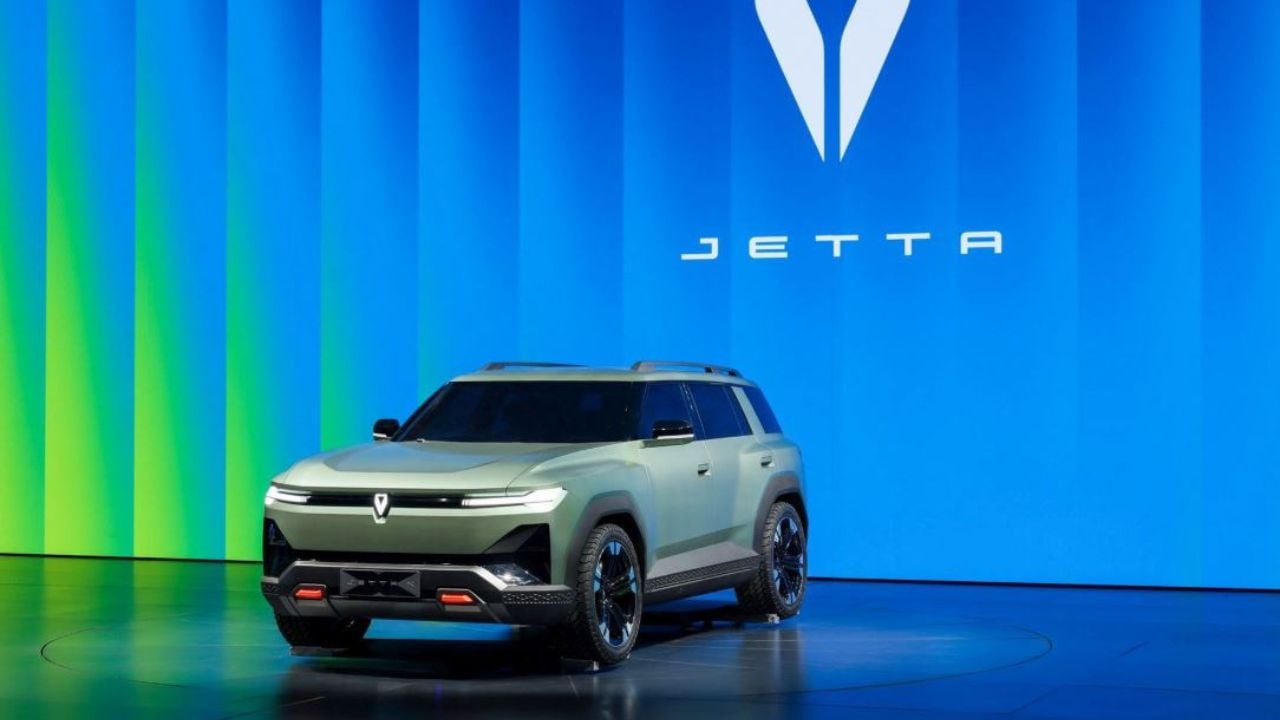
At the 2026 Beijing Auto Show, Volkswagen is showing the Jetta X, a fully electric concept SUV aimed at the so-called smart entry segment. The idea is to offer an affordable, modern, digitally focused EV with SUV styling. By 2028, Jetta is expected to introduce four new energy vehicle models, including plug-in hybrids and range-extender versions.
The strategy fits Volkswagen’s new internal approach, which management in Wolfsburg describes as “federalism.” In practice, that means giving local brands more autonomy and relying more heavily on their specific strengths. Volkswagen’s Chinese operation now has more freedom than before, with a stronger focus on faster development, advanced driver assistance systems, smart cockpits, and AI-based features tailored to Chinese buyers.
Audi Faces A Tougher Fight

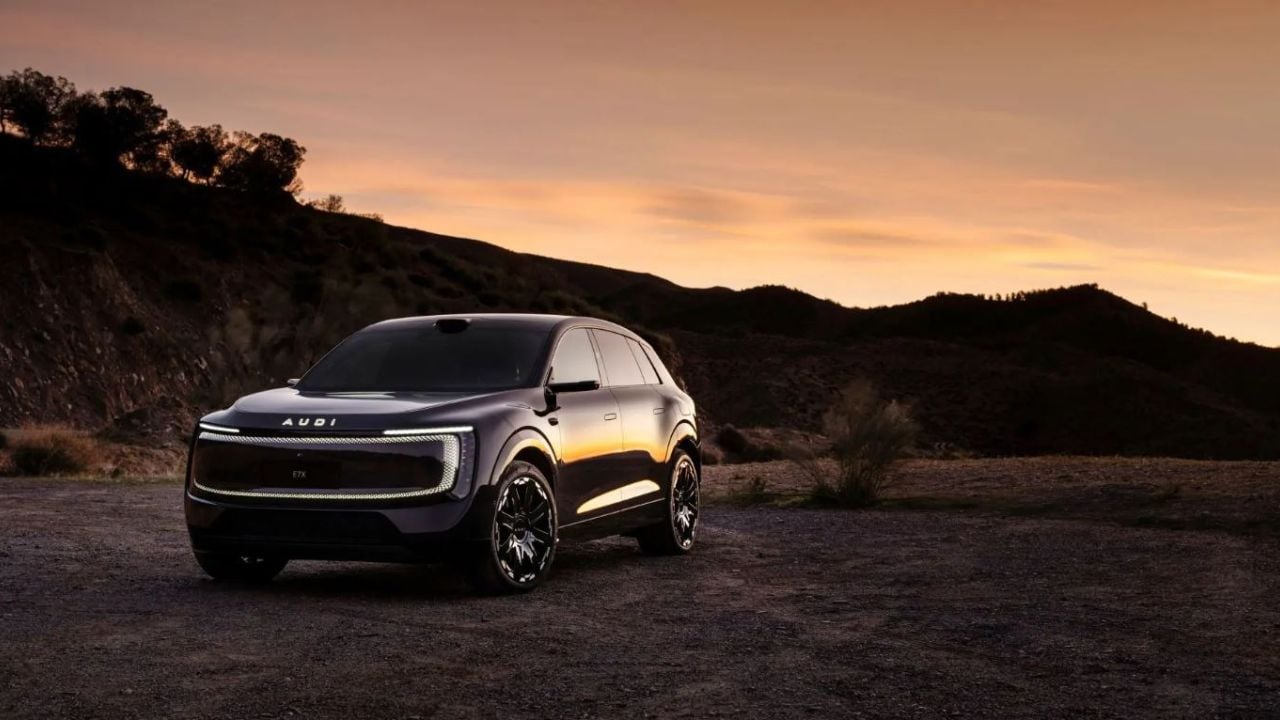
Audi is positioning itself higher in the market, but even there, the brand’s strategy shows how much China has changed. On some models, Audi has temporarily moved away from its familiar four-ring logo. That approach was first used on the Audi E5 Sportback, and it brought only short-lived success.
After initial interest, sales dropped sharply, and the vehicle’s price was reduced by around $4,000. It remains unclear whether that cut will be enough to revive demand. Audi’s next major move is the E7x SUV, available with about 402 hp or 671 hp, which debuts in Beijing as the first crossover from the Chinese sister brand developed and produced locally.
A similar approach applies to the Audi A6L and A6L e-tron. Thanks to an extended wheelbase and a 107 kWh battery, the electric version offers up to about 506 miles of range. That kind of specification is important in China, where long rear seat space and strong EV range remain major selling points.
“Audi is in a phase of transformation, which is especially visible in the important Chinese market,” said Audi CEO Gernot Döllner, trying to project optimism. The word “transformation” itself says a lot about how much the brand’s position has changed. Audi has moved from a dominant player into a challenger fighting to defend market share.
Smart Looks Back And Forward
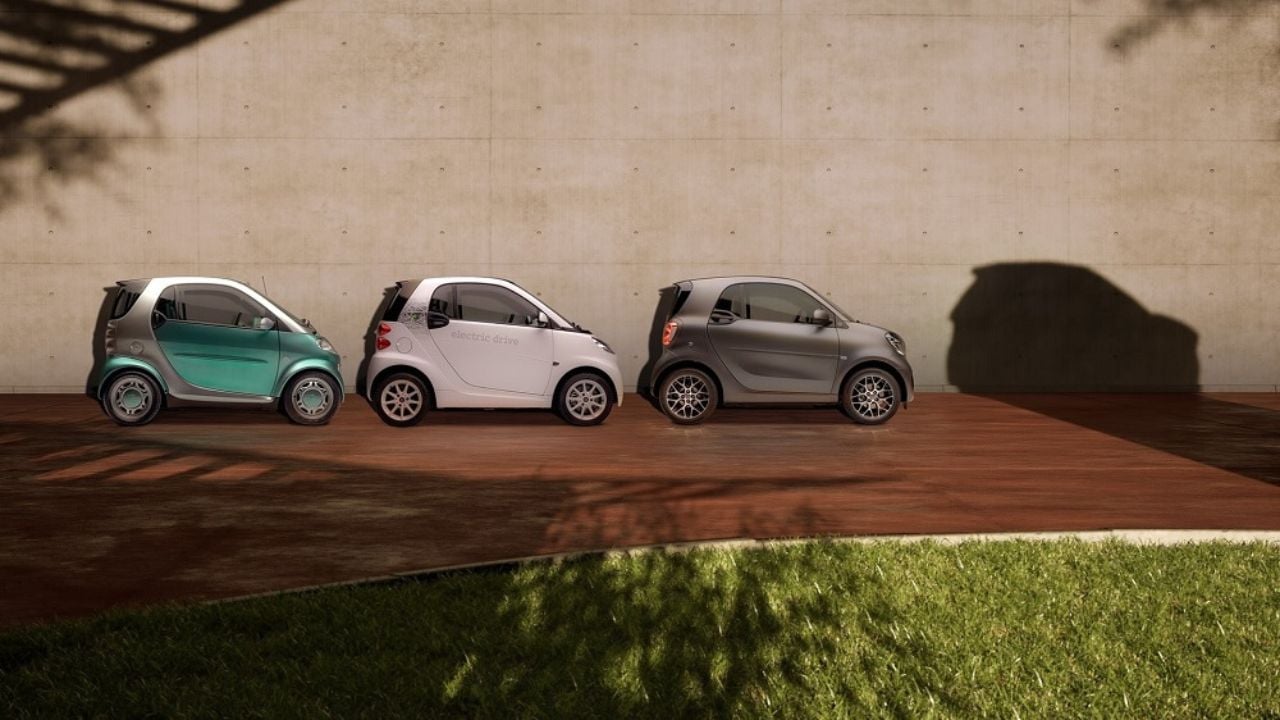
Smart is also returning to its roots with the #2, a concept measuring about 9.2 feet long. Its shape recalls the tiny two-seat models from the era of Nicolas Hayek and previews a production successor to the Smart Fortwo, which was recently discontinued.
The production version is expected to debut in the fall and should offer around 186 miles of range. That would make it a small-city-focused EV rather than a long-distance electric car, which fits the original Smart philosophy well.
At the same time, Smart, now a joint project between Mercedes and Geely, is also showing the sport sedan #6 in China. The model is closely related to the Mercedes CLA and was designed by the Mercedes team.
That contrast captures the current state of foreign automakers in China. They still bring major brand power, engineering depth, and global experience, but the market is moving at a speed that no longer favors old habits. To stay relevant, they must become more local, more digital, and much faster than before.
This article originally appeared on Autorepublika.com and has been republished with permission by Guessing Headlights. AI-assisted translation was used, followed by human editing and review.