Waymo has spent years positioning itself as the future of urban transportation, and by most measures, the Google-backed autonomous vehicle company has made serious inroads. Its driverless robotaxis now log millions of miles annually across Los Angeles, Phoenix, and the San Francisco Bay Area, ferrying passengers without a human hand on the wheel. The technology is genuinely impressive. The rollout, however, is getting complicated.
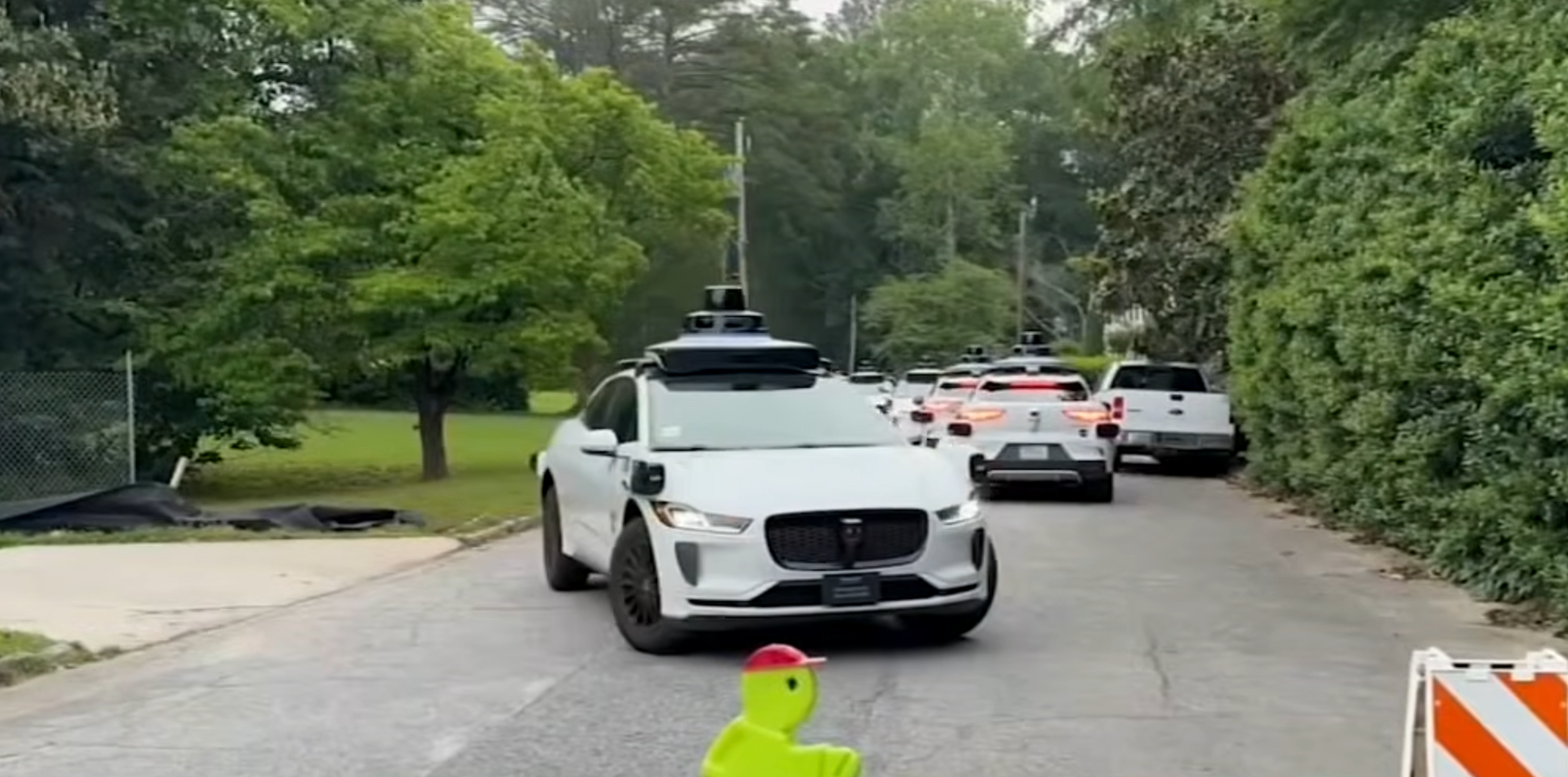
Residents in Westchester, a quiet neighborhood tucked about eight minutes from LAX, have grown increasingly frustrated with what they describe as a fleet takeover of their streets. Waymo vehicles have been idling at the curb, sometimes arriving six to twelve times a day, lighting up bedroom windows at 1 and 2 in the morning with their headlights and filling the air with backup alert beeps every time they reposition. Security camera footage from one resident captured two Waymos simultaneously competing for the same patch of curb.
The company’s explanation is that on-street staging between rides reduces both congestion and energy consumption while getting passengers picked up faster. Waymo has cited studies supporting the practice, framing it as a net positive for urban mobility. It is the kind of answer that makes perfect sense in a product presentation and considerably less sense when you are trying to sleep through it on a Tuesday night.
The situation is part of a broader pattern developing around Waymo’s LA expansion. In Santa Monica, a separate dispute over two Waymo charging facilities led to competing lawsuits, with residents there complaining about flashing lights, nighttime traffic, and the high-pitched backup sounds the vehicles emit as they enter and exit the lots. That case is now headed for Los Angeles County Superior Court.
A Neighborhood Already Short on Parking
Westchester was not working with a lot of margin to begin with. The proximity to LAX means the streets regularly attract drivers hunting for free long-term parking, prompting residents to post signs warning against airport parking. Those signs mean nothing to an algorithm.
Autonomous vehicles programmed to stage in a given area are going to stage there regardless of what the signage says, and a city councilmember confirmed the practice is not just a nuisance but a violation of city laws.
What Waymo Says
Waymo did respond to complaints and, in at least one documented case, agreed to stop staging on a specific block after the affected resident escalated to both the company and a council office. But the concession was block-by-block, not neighborhood-wide, and other streets in Westchester continued to see regular Waymo traffic in the interim.
The company’s written position holds that on-street parking between trips is an operationally sound strategy backed by research, and some residents in the area have said they genuinely do not mind the vehicles.
The Bigger Infrastructure Problem
The friction playing out in Westchester and Santa Monica is less a local zoning dispute and more a preview of the friction that will define the next decade of urban mobility. Autonomous fleets need to charge and stage near their service areas. That means round-the-clock operations that do not align neatly with residential quiet hours.
The question of where a driverless fleet actually lives when it is not moving passengers is one the industry has not solved cleanly yet, and cities are starting to push back on having that problem deposited into their neighborhoods by default.
The Enthusiasm Gap
Public sentiment around the technology itself is also worth noting. A national survey found that six in ten U.S. drivers still report being afraid to ride in a self-driving vehicle, and the proportion of people who are enthusiastic about the technology has actually dropped from 18% in 2022 to 13% in 2025. That is not the trajectory a company wants as it scales. Waymo’s vehicles are capable of doing things that would have seemed like science fiction a decade ago.
Whether the communities they operate in feel like partners in that future, or staging lots for it, may end up mattering more than any mileage milestone