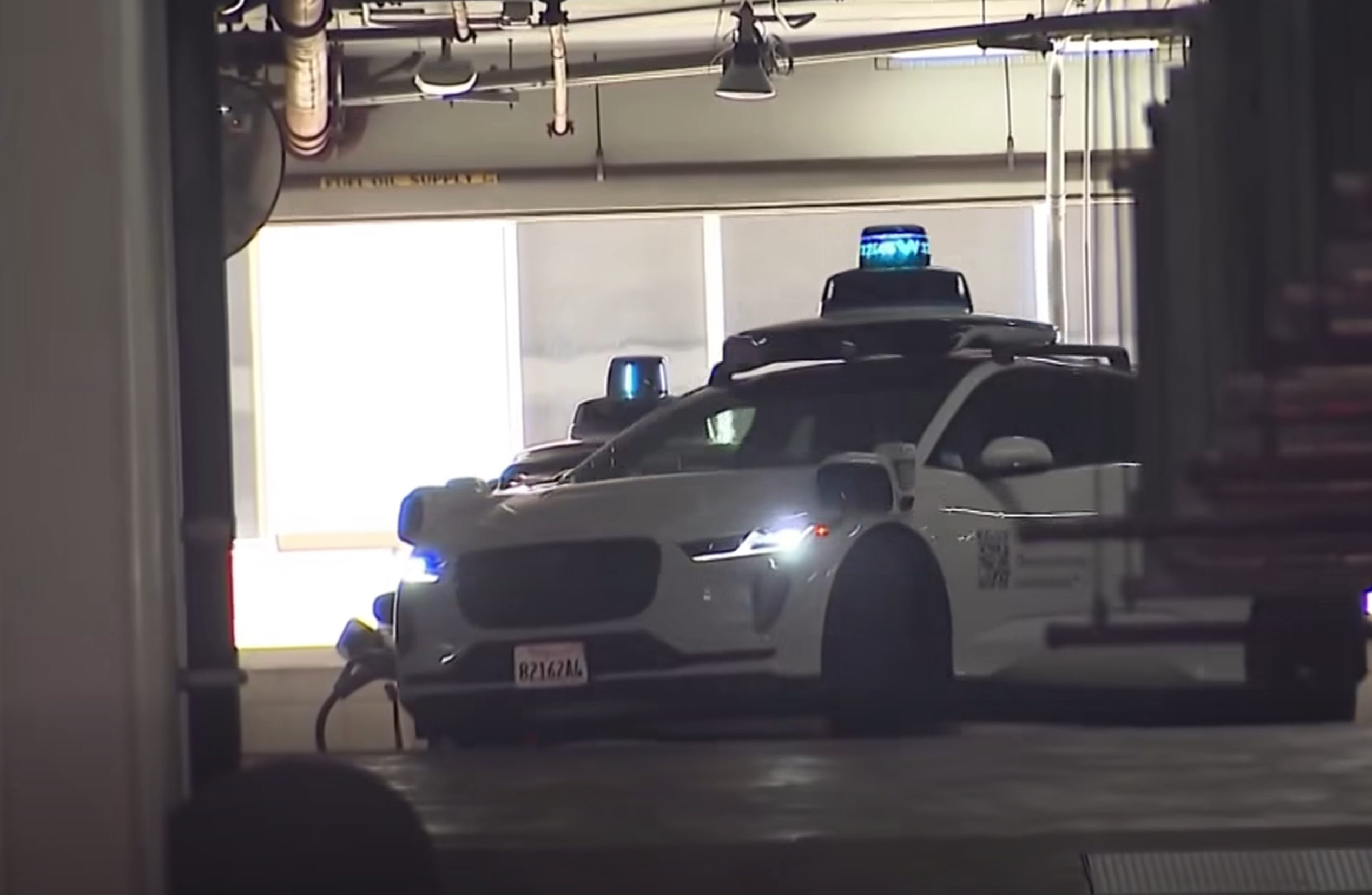
San Francisco has been the unofficial proving ground for autonomous vehicle technology for years, and for the most part, the city has played along. Waymo’s white, sensor-laden robotaxis have become a fixture of the urban landscape, racking up millions of trips and generally managing to avoid the kind of catastrophic headlines that skeptics anticipated. The company has positioned itself as a good neighbor, a phrase that appears in nearly every public statement it releases, and to its credit, the safety record has been hard to dispute.
But living next to a good neighbor and sharing a parking garage with an entire fleet of them are two very different things. Residents of SoMa Grand, a condominium community at 1160 Mission Street in San Francisco, have been raising complaints about sharing their parking garage with Waymo vehicles, describing the experience as frustrating and, in the words of at least one resident, simply terrible. The core issue is not philosophical opposition to autonomous vehicles. It is far more practical: people are trying to get to work, and a fleet of robots is blocking the exit.
One resident, Margarita, said she was late to work after spending 20 minutes trapped in the garage behind a cluster of Waymos, one of which had apparently gotten confused by the garage environment. That kind of real-world friction is exactly what does not show up in controlled testing or press releases, and it gets at a genuine tension in the broader rollout of autonomous vehicle technology: what happens when the infrastructure built for human drivers has to absorb an entirely different kind of machine operator.
Waymo representatives did attend an HOA meeting at the building in May 2025, and the company offered some goodwill gestures in the process of moving in, including covering two months of parking costs for residents and adding electric vehicle charging stations. Whether that buys much goodwill when you’re late to work for the third time in a week is a separate question.
Speed Bumps Are the Solution Nobody Asked For
Among the improvements Waymo says it has made since moving into the SoMa Grand garage are deploying additional parking staff to help direct residents, installing more EV charging stations, and adding speed bumps and mirrors at certain corners for driver safety. That last item has not landed well.
Margarita put it plainly: the speed bumps appear every couple of feet, they are rough on her car, and they slow everything down further. It is a scenario that will feel familiar to anyone who has ever watched a bureaucratic solution make a problem worse. The cars were creating traffic. The fix added obstacles that slow all traffic down equally, including the human drivers who were not the source of the problem to begin with.
Another resident described their main concern as getting stuck behind two or three Waymos in the garage when one of the vehicles becomes confused, which is not an unusual occurrence in a multi-level parking structure with tight turns, low ceilings, and the kind of spatial complexity that autonomous systems still handle inconsistently.
This Is Not the First Parking Problem Waymo Has Had in San Francisco
The SoMa Grand situation is a concentrated version of a citywide pattern. Waymo vehicles racked up 589 parking violations in San Francisco in 2024, accumulating over $65,000 in fines. The breakdown of those violations tells a story on its own: 138 citations were for failing to comply with street cleaning restrictions, 134 for obstructing traffic, 77 for parking in prohibited areas, and 74 for double parking.
Waymo has its own dedicated lots in the city where vehicles can stage between rides, but the robotaxis occasionally have to street park when they are far from one of those facilities. The company has said its vehicles are designed to take the safest action available during pickups and drop-offs, which is when most of those citations occurred. That may be technically accurate and still be genuinely aggravating to every other driver on the block.
In August 2024, a different kind of parking problem went viral when a group of Waymos in one of those dedicated lots began honking at each other in the middle of the night, waking up nearby residents. The vehicles are designed to honk to avoid collisions, and as they maneuvered through the lot together, the feature triggered across most of them simultaneously. The company said it was working on the issue. Residents said they were working on their sleep schedules.
What Happens When Autonomous Fleets Need Real Estate
The SoMa Grand situation raises a question that the autonomous vehicle industry has not fully answered: who decides when a shared space has been appropriated by a commercial fleet? Many of the condo owners at SoMa Grand were living there long before Waymo arrived, when the lower floors of the garage served as hourly parking for visitors to the nearby Orpheum Theater. The transition from occasional human visitors to a permanent robotaxi fleet is a significant change in character for a residential building, and it apparently happened without residents having much say in the matter.
The broader question of street and garage parking is already contentious in San Francisco, where residents with permitted spots have developed an intimate understanding of street cleaning schedules and parking windows. Introducing a commercial fleet into that ecosystem creates friction that goes beyond inconvenience. It raises legitimate questions about how cities regulate the physical footprint of autonomous vehicle operations, not just their behavior on the road.
After reporters began inquiring about conditions at SoMa Grand, residents noticed that Waymo pulled a significant number of its vehicles from the garage. Which is, in its own way, an answer.
The Neighbor Problem That Keeps Getting Bigger
Waymo’s standard line is that it cares deeply about the communities it serves. A company spokesperson reiterated that commitment in a statement about the SoMa Grand situation, and the concrete steps the company has taken, the parking staff, the charging stations, the HOA meeting, do suggest some genuine effort. But being a good neighbor in a residential parking garage requires a level of situational awareness and adaptability that a fleet of autonomous vehicles, by definition, has to learn on the fly.
For older residents who bought their condos before any of this was imaginable, and for anyone who simply needs to get out of the garage and onto the freeway by 8 a.m., the promise of a thoughtful, self-driving future is considerably less compelling than it sounds in a product announcement. The technology works well enough on open roads. Tight corners, confused robots, and speed bumps every couple of feet are a different matter entirely.