
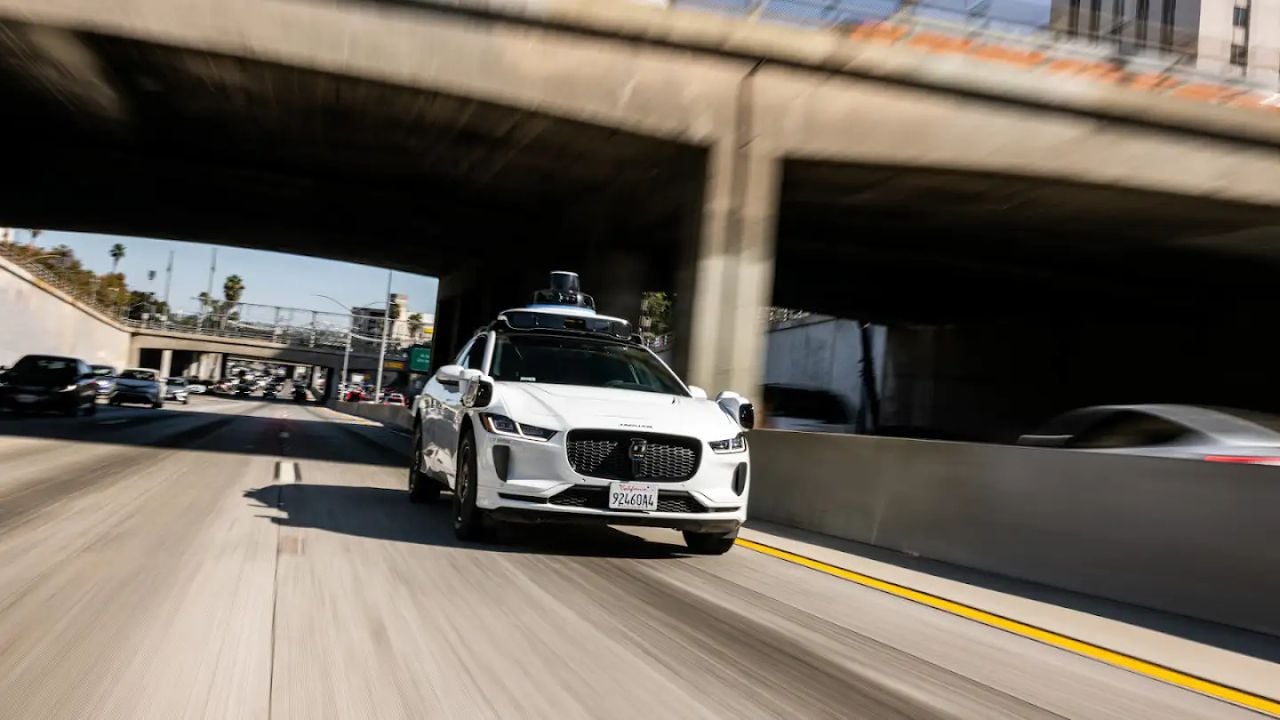
San Francisco’s favorite robotic taxi is once again in the hot seat, but this time it’s not because a Waymo got stuck in an existential crisis at a four-way stop. A labor group representing Uber and Lyft drivers has filed a formal complaint with the California Public Utilities Commission, alleging that Waymo has been quietly letting unaccompanied minors ride in its driverless vehicles across the Bay Area; a practice the union says violates the company’s own operating permit.
The California Gig Workers Union dropped the complaint on Tuesday, and the core argument is pretty straightforward: if human rideshare drivers can face deactivation or serious legal consequences for transporting a minor alone, why should a robot car get to play by different rules?
“I’m a driver — if I get a minor in my car, I can be deactivated,” said Uber and Lyft driver Hector Castellanos. “So I believe Waymo has to follow the same rules that we have.” Hard to argue with the logic, honestly. Equal treatment under the law applies to humans and their four-wheeled robot replacements alike.
Here’s where it gets a little awkward for Waymo: the company’s own website says minors must be accompanied by an adult. So either someone didn’t get the memo, or the autonomous vehicle politely ignored it — which, given that these cars are essentially giant rolling computers, feels on-brand.
But What Do Parents Actually Think?
While the union is fuming, some San Francisco parents at Washington Square Park had a rather different take — and it was refreshingly blunt.
“You can’t trust anyone nowadays,” said Arienne Barrow. “There’s so many stories about what happened to people in Ubers and all that, so I’d rather a Waymo any day.”
Ouch. Noted.
Another parent, Mark Daniel, delivered perhaps the most deeply human answer imaginable: “At this moment I’d say AI all day. Waymo — unless the Ubers are run by women. If there was an only-woman app with women who are verified as a child specialist, I would allow them to take my child.”
So: Waymo is currently tied with a hypothetical women-only, background-checked, child-specialist rideshare service that does not yet exist. Not a ringing endorsement of the current human driver pool, but points for creativity.
To be fair to Uber and Lyft, they do operate teen rider programs in select markets. Uber has one running in parts of Los Angeles, though it’s not currently available in the Bay Area — which makes the whole situation even messier. Nobody’s playing on a level field here.
So What Happens Now?
The CPUC will need to weigh in on whether Waymo’s permit actually prohibits unaccompanied minors, and if so, what the consequences look like. Waymo, for its part, hasn’t publicly addressed the complaint in detail. It’s most likely preparing for its meeting with the city of Austin.
What’s clear is that as autonomous vehicles inch closer to mainstream use, regulators are going to have to work a lot faster at defining the rules of the road — not just the physical ones, but the legal and ethical ones too. Because right now, we’ve got a robot car potentially playing babysitter, a labor union rightfully asking “why does the robot get a pass?”, and parents who, somewhat understandably, would rather trust an algorithm than a stranger.
Car enthusiasts who spent years insisting self-driving cars would never work might want to quietly update their talking points — because the real debate has already moved on to who gets to ride in them.