A young Florida woman spent 13 days in jail, faced charges that could have sent her to prison for life, and had her reputation ripped apart after the Florida Highway Patrol accused her of causing a horrific triple-fatal crash on Interstate 4.
State prosecutors have now dropped every charge against 23-year-old Lindsey Isaacs, while investigators have arrested another woman they say actually caused the crash.
Modern crash investigations increasingly rely on technology like Flock license plate reader cameras, surveillance footage, timeline analysis, and digital tracking tools to identify suspect vehicles. In this case, authorities used those tools alongside witness statements to help build the case against Isaacs’ black Dodge Durango before the investigation later shifted toward a different SUV and a different driver.
The reversal is turning the case into the kind of nightmare scenario critics of automated surveillance technology have warned about for years. Now, conflicting affidavits, defense vehicle photos, and prosecutors’ dramatic pivot are fueling major questions about how investigators became so certain they had the right vehicle in the first place.
FHP Originally Claimed the Evidence Pointed Directly at Isaacs’ Durango
The issue here is not simply that investigators arrested the wrong woman. The original arrest affidavit described evidence investigators claimed directly tied Lindsey Isaacs’ Dodge Durango to the crash.
The affidavit was direct and detailed. Investigators repeatedly stated they had probable cause to believe Isaacs was driving the SUV involved in the triple-fatal collision. Troopers claimed the left side of Isaacs’ Durango had marks “consistent” with damage on the Ford Focus involved in the crash.
Investigators also alleged they observed “smudge or rub marks” that appeared to have been wiped away and claimed those marks were consistent with the SUV sideswiping a motorcycle rider. The affidavit further tied witness statements, Flock camera data, surveillance footage, and aggressive driving behavior directly to Isaacs’ SUV, including statements describing a Dodge Durango allegedly traveling at speeds exceeding 100 MPH before the crash.
At the time, FHP clearly believed they had the right vehicle and the right driver.
After Isaacs’ arrest, the State Attorney’s Office reportedly requested assistance from FHP’s Specialized Investigation and Reconstruction Team, or SIRT, after identifying discrepancies in the original investigation, according to ClickOrlando.
That later review ultimately shifted investigators away from Isaacs’ black Dodge Durango and toward the maroon SUV prosecutors say was actually involved in the crash.
The Defense Says the Vehicle Photos Tell a Completely Different Story
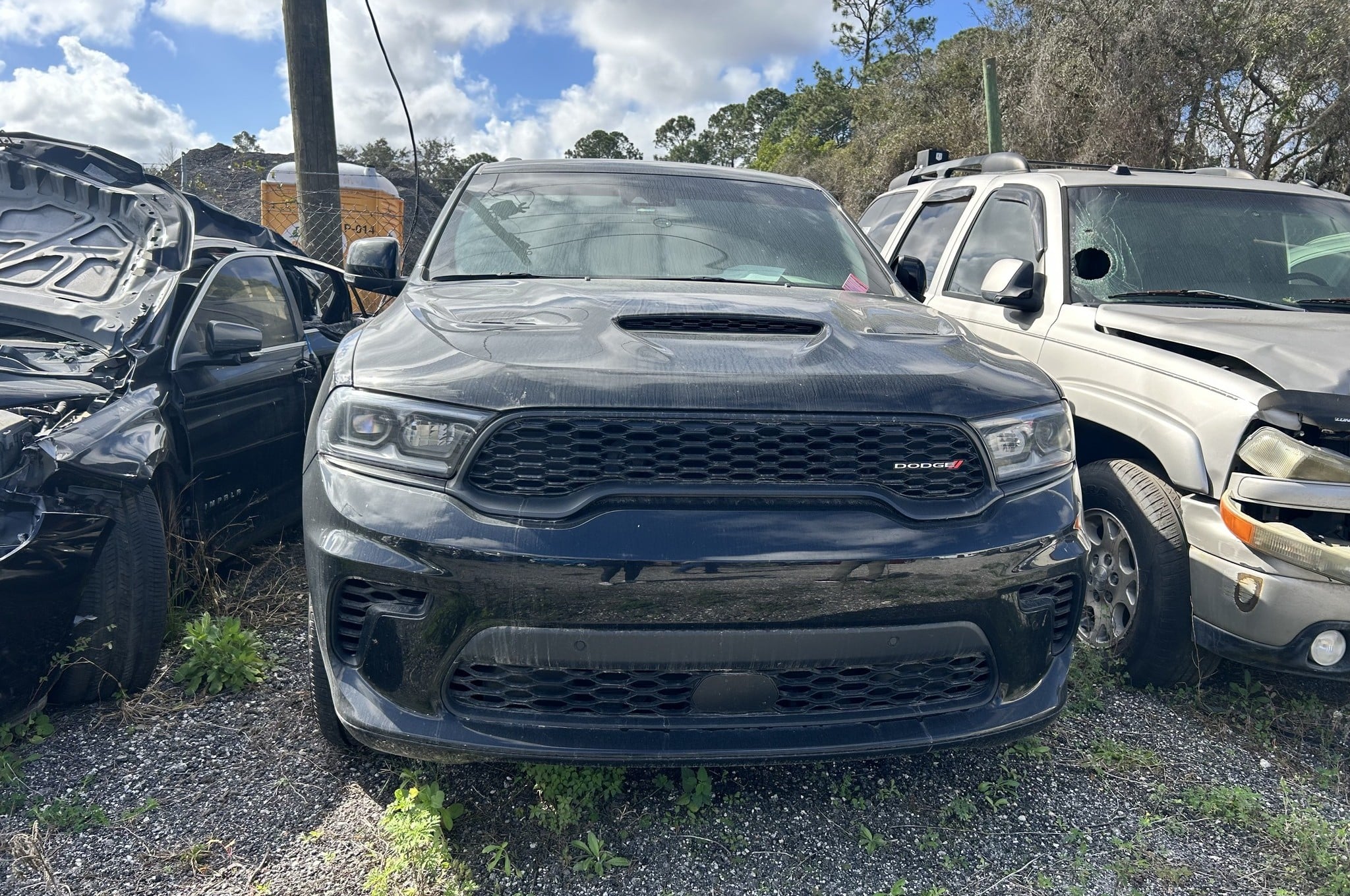
Isaacs and her attorney, Patrick McGeehan, are now openly questioning how investigators became so certain they had the right SUV in the first place. In a public press release issued after the charges were dropped, McGeehan stated the defense inspected the Durango and found no catastrophic damage consistent with the kind of violent multi-vehicle crash investigators originally described.
Looking at the defense photos, it becomes much easier to understand why public confidence in the investigation began to collapse. The SUV shown in the photos appears far less damaged than many people would expect after a violent triple-fatal interstate crash.
The color confusion may help explain how investigators initially focused on the wrong Dodge Durango. For many people following the case, however, it still does not fully explain how authorities allegedly became so certain the SUV itself showed evidence consistent with a catastrophic interstate collision.
That contradiction is now at the center of the backlash surrounding the case. The dramatic shift in the investigation, combined with significant evidence now allegedly linking another driver and another Dodge Durango to the crash, is raising serious questions about whether investigators became too certain too quickly and rushed the case against Isaacs before all of the evidence was fully vetted.
The Later Affidavit Presents a Completely Different Theory of the Crash
The later arrest affidavit states that a witness who called 911 the night of the crash described the suspect vehicle as maroon, not black. Court documents also state the witness provided the first three digits of a license plate, which investigators later connected to another Dodge Durango belonging to 47-year-old Alisa Lee Montalvo of Deltona.
Investigators say the darkness along Interstate 4 may have made the maroon SUV appear black amid the chaos of the crash.
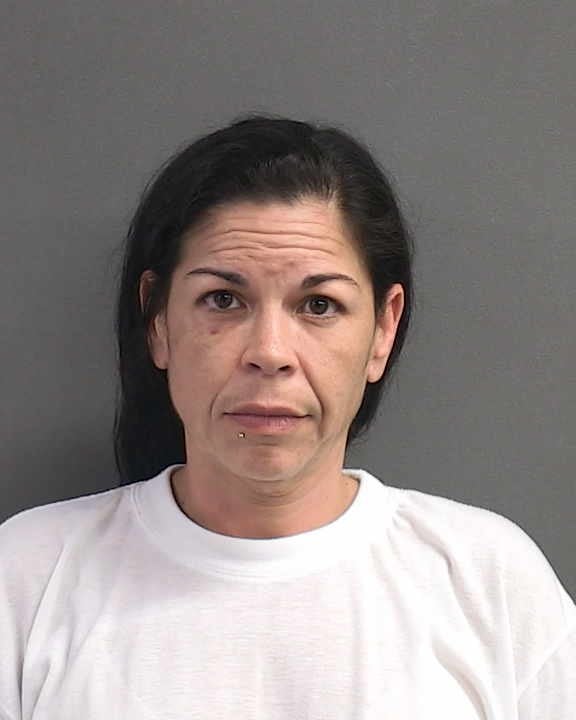
Authorities now allege Montalvo was driving the maroon 2021 Dodge Durango involved in the crash. Court records also state investigators found red or maroon paint on the damaged Ford Focus involved in the collision.
Even more significantly, investigators now allege that Montalvo had the SUV’s driver-side doors replaced after the crash and did not file an insurance claim for the repairs.
According to ClickOrlando, investigators also obtained photos of the alleged damage, an airbag reportedly found in the backseat, and receipts connected to the repairs after a man in Altamonte Springs told investigators Montalvo brought the SUV to him following the crash.
If those allegations are accurate, it means the case against Isaacs was far more flawed than many people initially realized because, according to prosecutors, while Isaacs was sitting in jail accused of killing three people, another suspect prosecutors now say may have been responsible for the crash was still free.
The Charges Were Dropped. The Fallout for Isaacs Has Not Ended
Isaacs told WESH that being falsely incarcerated was the worst 13 days of her life. She also said her reputation was ruined and that she continues receiving threats and hate online even after prosecutors dropped every charge against her.
That is the reality people often forget in cases like this. Even when charges are dismissed, mugshots remain online, headlines remain searchable, and social media posts continue spreading long after corrections happen.
And in a case involving three deaths, public accusations can follow someone for years, even after prosecutors determine they had the wrong person entirely.
Isaacs’ attorney says they are now pursuing all legal avenues related to the wrongful arrest. The fallout from this case is likely far from over.
Editor’s Note: We are sharing this story to help drive awareness of the situation and ongoing concerns surrounding the investigation. We have chosen not to publish images of Lindsey Isaacs, and we sincerely pray she receives healing and the justice she deserves moving forward.