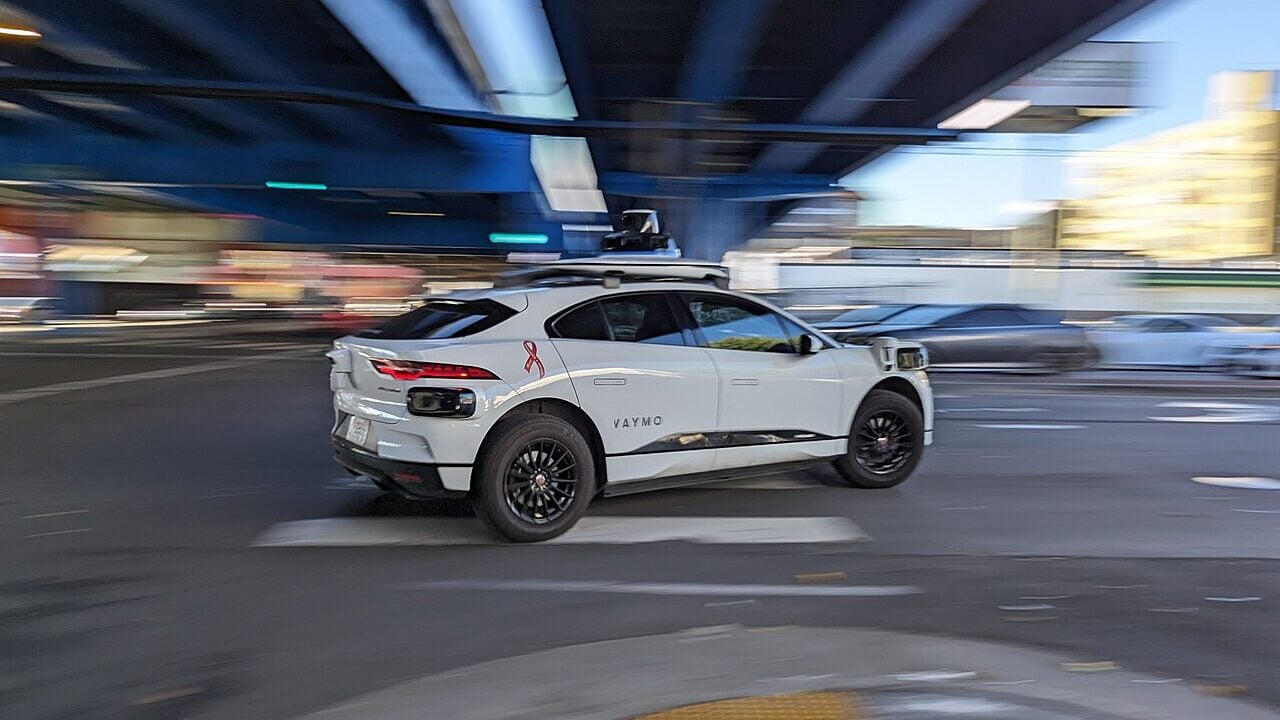
The City of Austin has some questions for Waymo. And they’d like answers by April 29th, preferably before anyone else has to push a robot car out of the way during a mass shooting response.
Following a now-viral video showing a Waymo autonomous vehicle blocking an ambulance responding to the shooting at Buford’s on West 6th Street on March 1st, Austin City Council members are requesting a formal joint meeting with the company to figure out how exactly this happened and, more importantly, how to make sure it doesn’t happen again.
Council Member Zohaib “Zo” Qadri shared the memo publicly on Instagram, noting that he and four colleagues — Jose “Chito” Vela, Jose Velasquez, Paige Ellis, and Krista Laine — have formally invited Waymo to appear before the Public Safety and Mobility Committees. The proposed meeting is set for April 29th at 11 a.m., giving Waymo roughly 7 weeks to come up with a better answer than “the algorithm was doing its best.”
Austin Demands Answers From Waymo
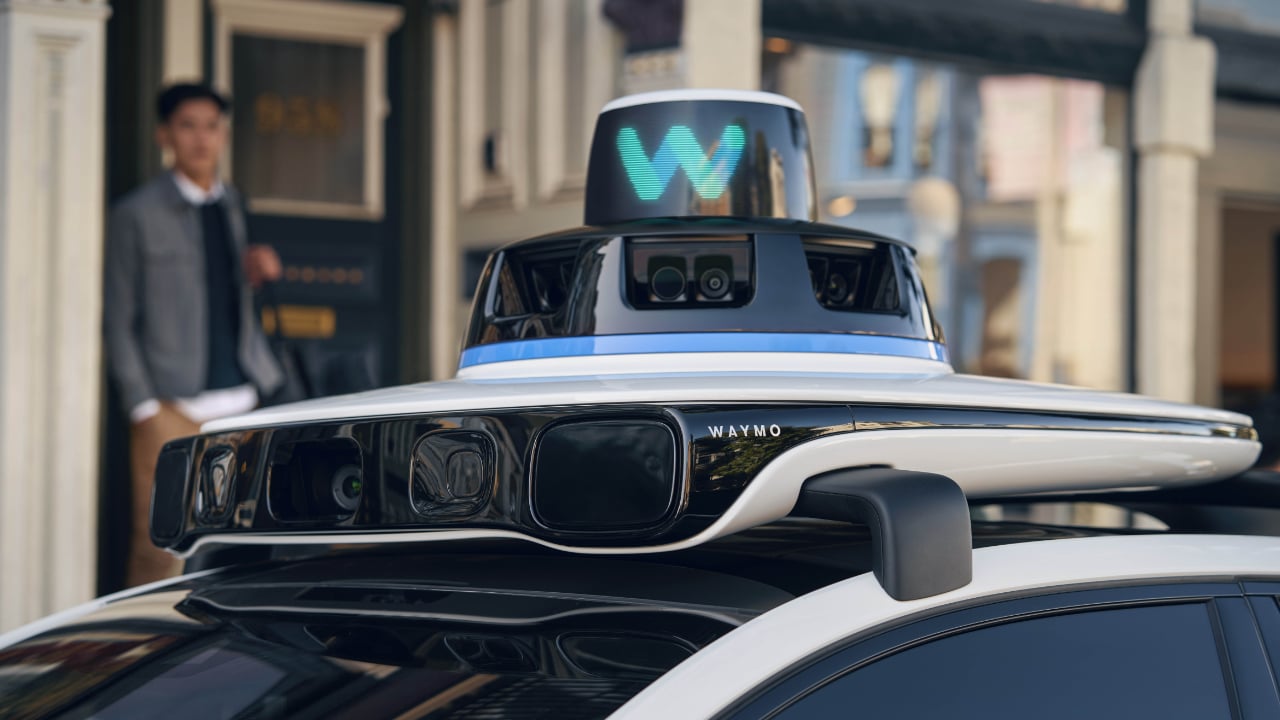
At the beginning of March 2026, a Waymo vehicle took up two lanes of traffic near the scene of a shooting, making it difficult for ambulances to reach the impacted residents on Sixth Street. The video began circulating on social media and in news outlets, with residents quite alarmed by the autonomous vehicle’s obstruction.
To be fair, Austin officials acknowledged in their letter that first responders ultimately reached the scene and provided care. Nobody is claiming lives were lost because a self-driving car had a moment. But that’s not really the point, is it? As the letter puts it, it is “unacceptable” that emergency personnel had to stop what they were doing during an active shooting response to physically move a vehicle out of the way. These are paramedics, not parking enforcement.
“As autonomous vehicle technology continues to operate on Austin’s streets, it is critical that these systems are able to fully recognize and respond appropriately to emergency situations and the presence of first responders. Our community must have confidence that these vehicles will never create additional barriers during life-saving response efforts,” the letter stated.
This is the kind of scenario that autonomous vehicle critics have been raising for years — not whether the cars can handle a clean sunny-day highway, but what happens when the unexpected meets the unavoidable. A chaotic emergency scene at 2 a.m. on West 6th Street is, shall we say, not a controlled test environment.
In response to the letter, many Austin residents called for the full-on ban of Waymo in the city, even though the council appeared willing to work with the robotaxis. One comment read: “Thank you for this. Please let us know how constituents can fight against Waymo in our city. From what I understand, it’s a state-regulated issue.”
To Waymo’s credit… well, they haven’t said anything yet. The company has not issued a public statement accepting or rejecting the City Council’s invitation. Whether that silence is strategic or just slow PR triage remains to be seen. Either way, the clock is ticking.
Austin is one of a growing number of cities where autonomous vehicles have moved from novelty to infrastructure, which means the rules of the road, including getting out of the way of an ambulance, need to actually apply to them. The technology is impressive. The edge cases, apparently, still need some work.
Here’s hoping the April 29th meeting is productive — and that nobody has to shove a Waymo out of the way to get there.