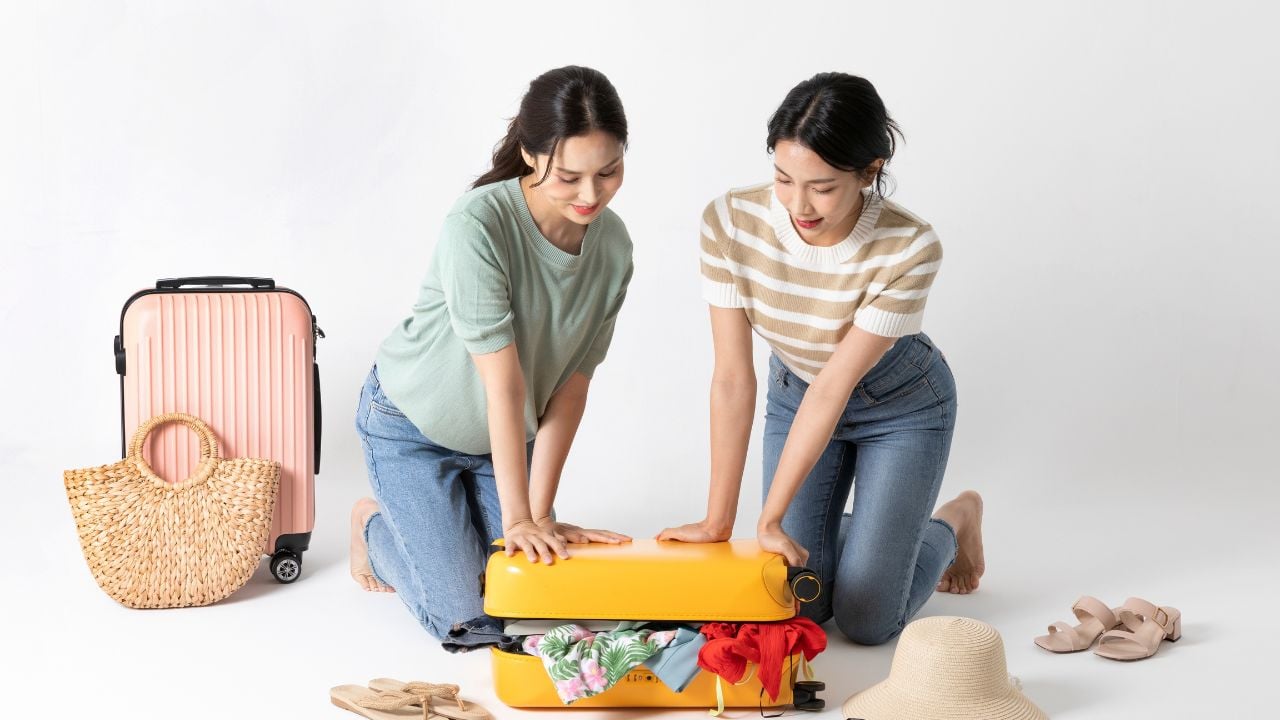
Packing looks simple until you are five minutes from leaving and everything you need is still sitting on a chair. The people who seem calm are usually not lucky. They have built a repeatable system that cuts the last-minute chaos and makes every trip feel lighter.
A smarter bag is not about fancy gear. It comes from decisions made before you even open the suitcase, like choosing a simple color palette, planning for laundry, and refusing to build a giant “just in case” pile. Use the habits below and you will spend less time digging through bags and more time enjoying the trip.
1. Start With a Quick Plan, Not a Blank Suitcase
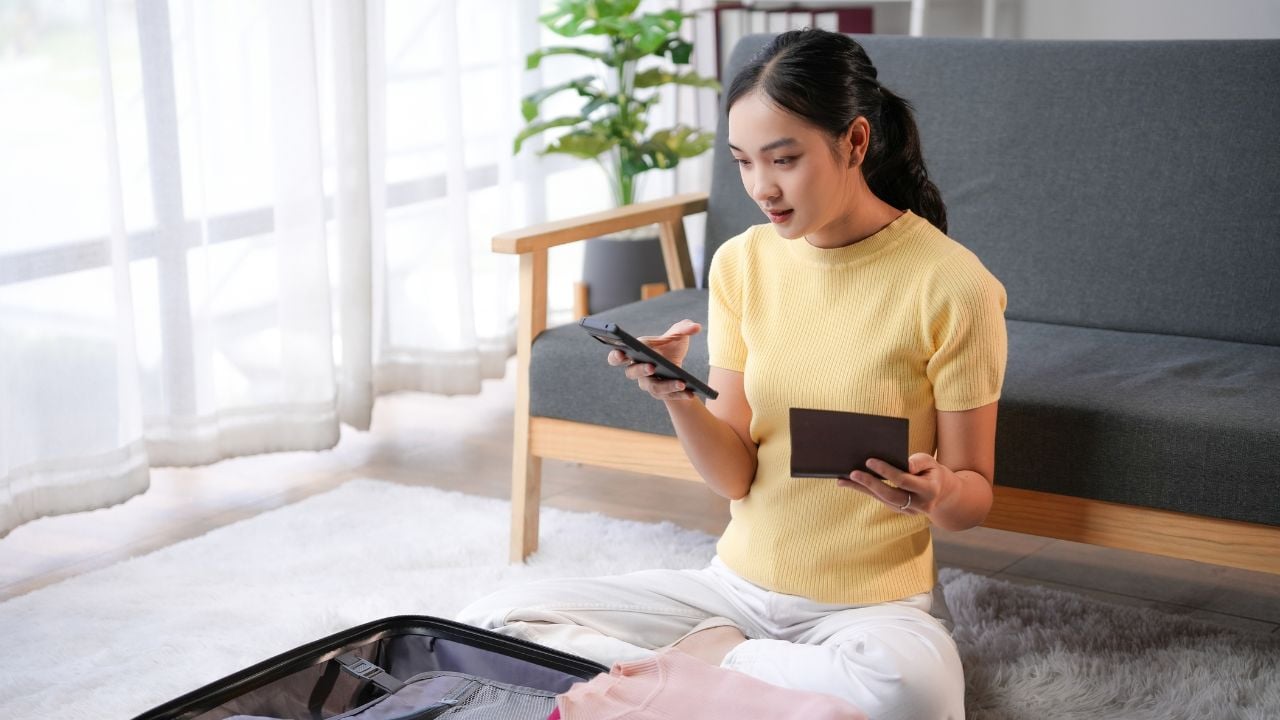
Before you pack a single item, check the weather, the length of the trip, and the most demanding activity on your schedule. That one step tells you what actually deserves space in your bag. A casual city weekend and a hiking-heavy getaway do not need the same things. TSA’s own travel checklist is a useful reminder that planning starts with more than clothes. Documents, chargers, medication, and anything you would hate to lose should be accounted for before you start folding shirts.
Write a small list with three categories: must-have, nice-to-have, and leave-behind. That list keeps overpacking in check because it forces you to choose. Once the plan exists, packing becomes execution instead of improvisation. That is how frequent travelers avoid bringing five outfits for a three-day trip. The calmer bag almost always belongs to the person who made decisions early, not the person who kept tossing in extra items at the last second.
2. Build Outfits Around One Color Palette
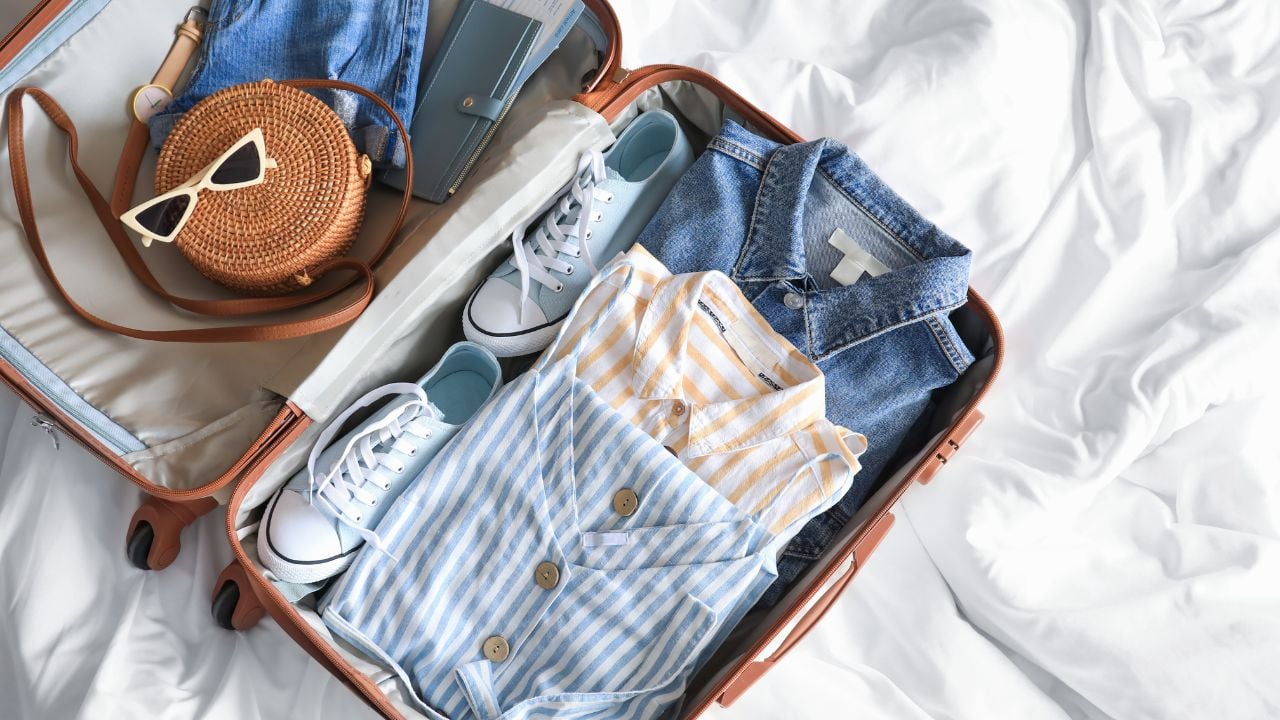
Pick two main colors and one accent, then pack pieces that mix easily. That way you can rotate tops and bottoms without feeling repetitive. It also prevents the classic mistake of bringing one random shirt that matches nothing. REI’s packing-light guidance is useful here because it treats clothing as a small system rather than a pile of separate choices. Once your pieces work together, a smaller wardrobe suddenly feels much more capable.
Shoes should follow the same rule. Choose one pair for walking, plus one optional pair for dinner or dressier moments. If you cannot name exactly when you will wear the third pair, it should probably stay home. Your feet will thank you, and your bag will feel lighter immediately. The same goes for jackets, bags, and accessories. The more each piece can work across several moments of the trip, the less you need to carry and the more polished the whole wardrobe tends to look.
3. Pack by “Modules” Instead of by Item
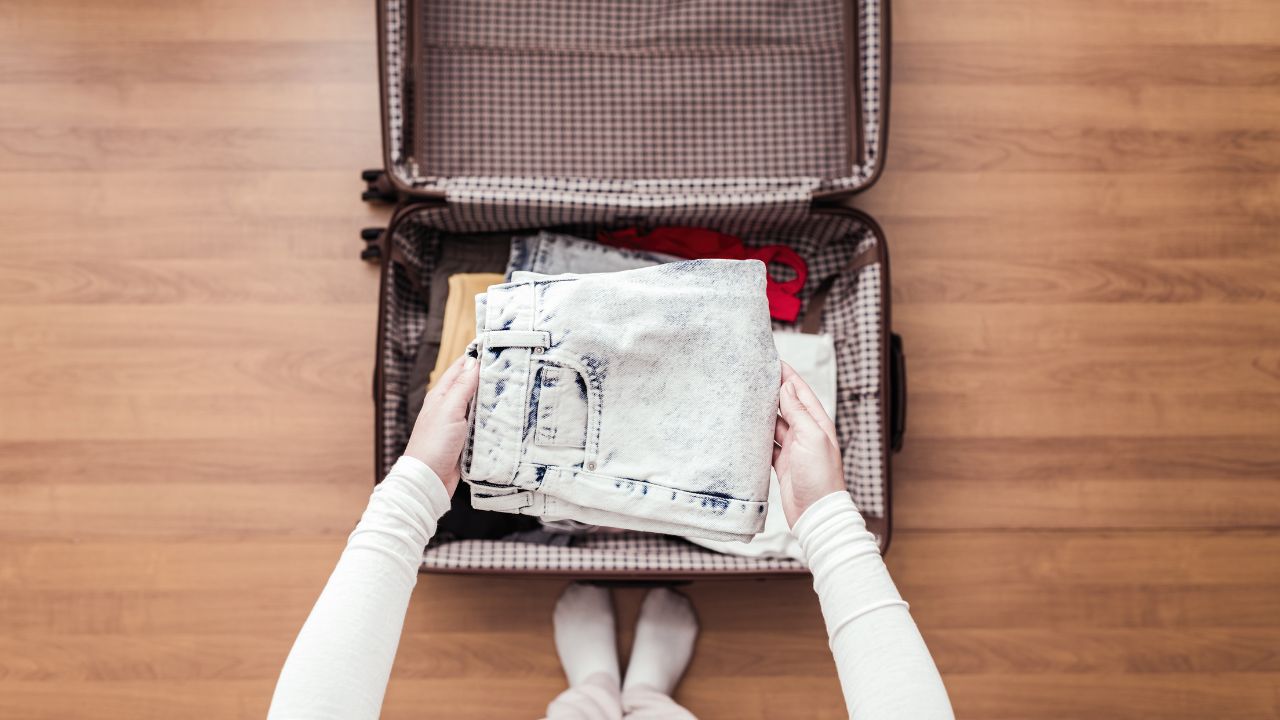
Think in small bundles: one sleep set, one workout set, one nicer dinner set, one swim kit, one rain kit. Each module is a complete solution, so you are less likely to forget key pieces. It also makes unpacking easier because everything already has a purpose. Instead of asking yourself whether you packed enough socks or the right top, you know the whole category is covered.
Use pouches or packing cubes if you like structure. Keep socks and underwear together, tech in one pouch, and toiletries in another. REI also recommends using organizers and keeping anything you will need in transit near the top or in a separate compartment. When you need something, you grab the module instead of tearing through the whole suitcase. That is how you avoid turning the hotel room into a clothing mess by the end of the first night.
4. Keep a Permanent Toiletry Kit Ready To Grab
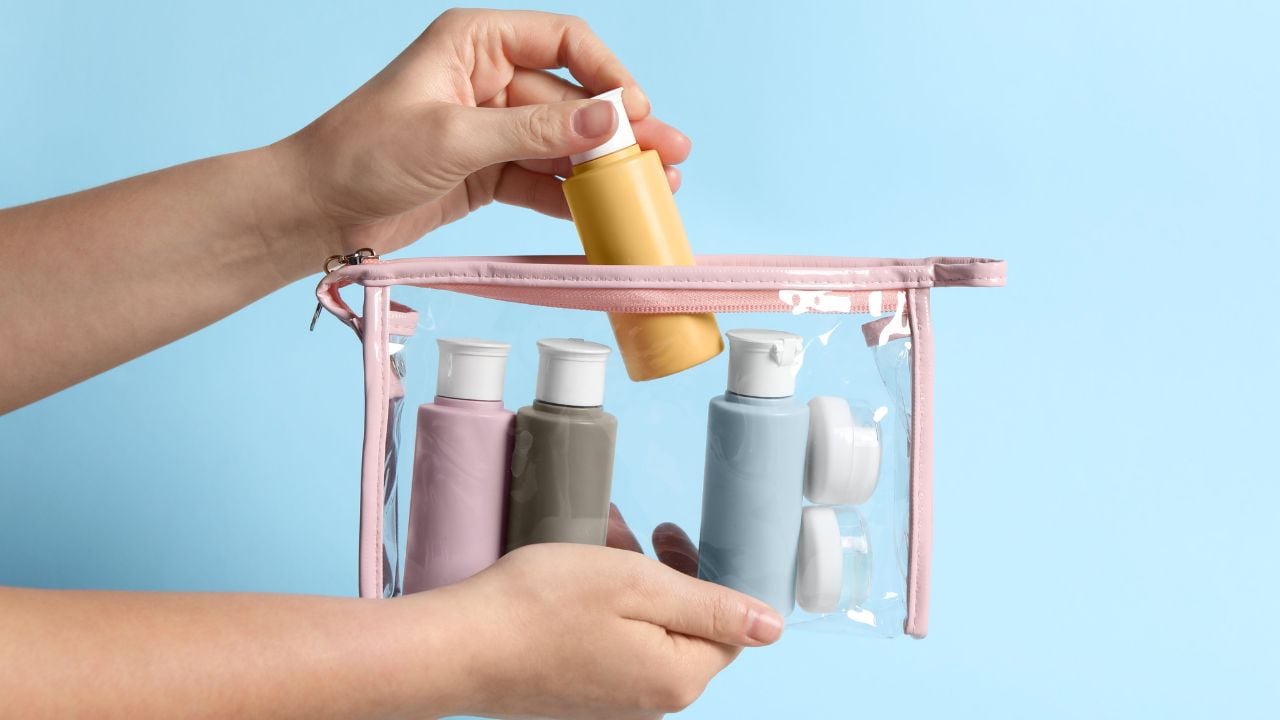
Frequent travelers often keep toiletries packed year-round. A small bag with travel-size essentials that fit TSA’s carry-on liquids rule removes one of the most annoying parts of getting ready. Refill it after each trip, and it is ready to go again without any thought. This is one of the simplest habits that separates easy departures from messy ones.
Add a simple mini pharmacy too. Pain relief, blister care, allergy medicine, and a few bandages can save a day. The CDC’s travel health guidance suggests building a small kit with the basics you are most likely to need, and its travel-abroad-with-medicine advice recommends keeping prescription medicines in original, labeled containers and bringing enough for the whole trip plus extra in case of delays. A small amount of preparation can spare you a frantic late-night pharmacy search in an unfamiliar place.
5. Use the “One Heavy Layer” Rule
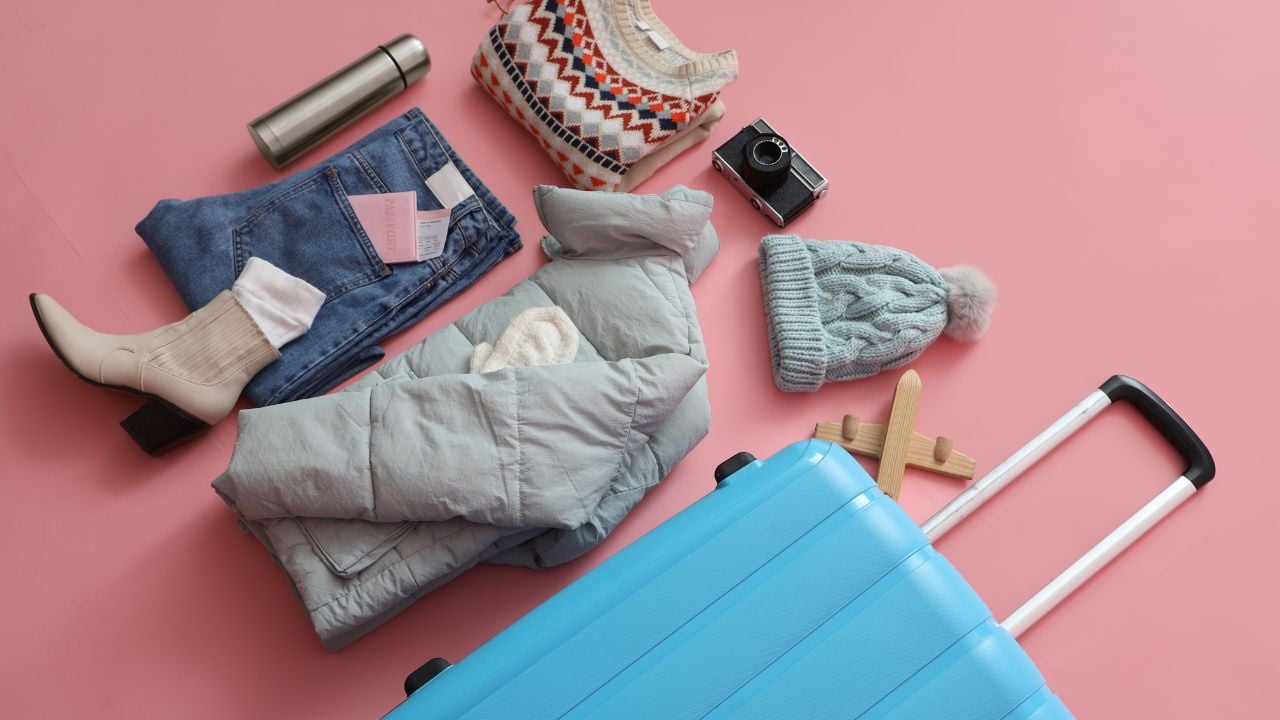
Instead of packing bulky outerwear, wear your heaviest layer during transit. Jackets, boots, and thick hoodies take up the most room. Putting them on while you travel keeps your luggage smaller and easier to handle. Rick Steves’ packing-light advice has pushed that basic logic for years, and it still holds up because bulk is usually what makes a suitcase feel clumsy long before weight alone does.
Layering also works better than packing several bulky pieces. A light base, a warm mid-layer, and a shell can cover a wide range of temperatures. This matters even in warm destinations, because planes, trains, and evenings can still feel chilly. One flexible layering system beats three separate outfits every time. It is also easier to adapt when a forecast changes and you do not want your entire wardrobe plan wrecked by one cold morning or one windy night.
6. Pack One Laundry Option and Cut Your Clothing Count

If the trip is longer than a few days, plan for laundry instead of packing for every single day. A small packet of detergent sheets or a travel detergent bottle is enough. Even a quick sink wash can reset basics like socks, underwear, and light shirts. This is where a bag starts to feel dramatically more manageable, because you stop trying to carry your whole week on your back.
REI’s travel-packing advice uses the “wear one, wash one, dry one” mindset, and it is one of the smartest ways to keep clothing counts under control. Bring quick-dry pieces when possible, because they are much easier to wash and dry overnight. Once you trust that system, you stop packing duplicates out of fear. That is usually the turning point when people finally realize they can travel with much less than they thought.
7. Keep the Last 10 Percent of Space for the Return Trip
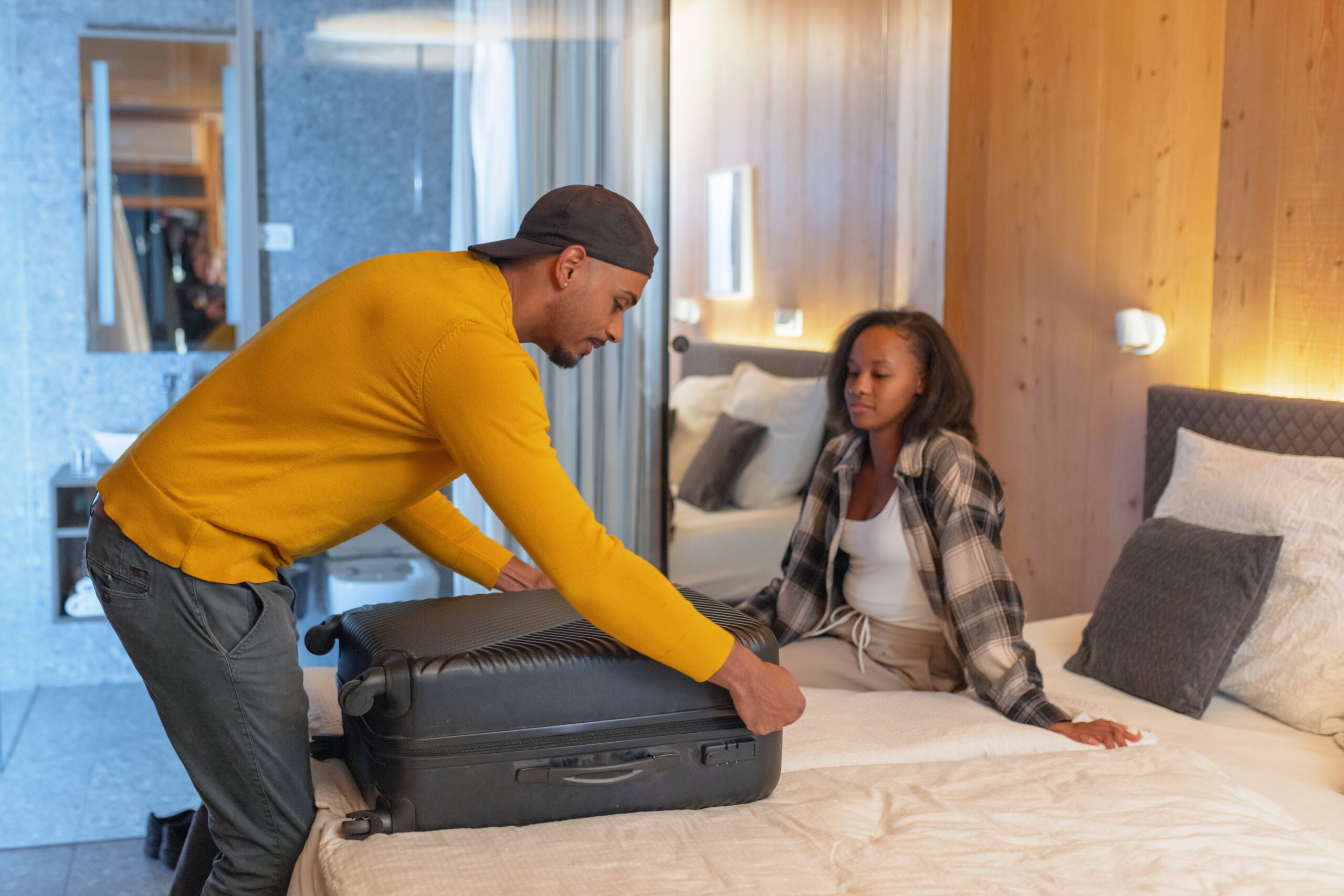
A suitcase packed right to the zipper line is a future problem. Leave room for souvenirs, snacks, laundry, or a layer you did not need at the start. A little extra space also makes repacking much easier when it is time to head home. Bags that look perfectly optimized on departure are often the same ones that become infuriating on the return leg.
For the flight home, keep a small airport pocket with chargers, a pen, a snack, medication, and anything else you will want while seated. REI specifically advises keeping in-transit essentials in a separate compartment or near the top of your bag, and that one habit makes airports, security lines, and gate waits much less annoying. The calmer you are in transit, the easier the whole trip feels. That last bit of empty space is not wasted room. It is what keeps the bag useful all the way home.