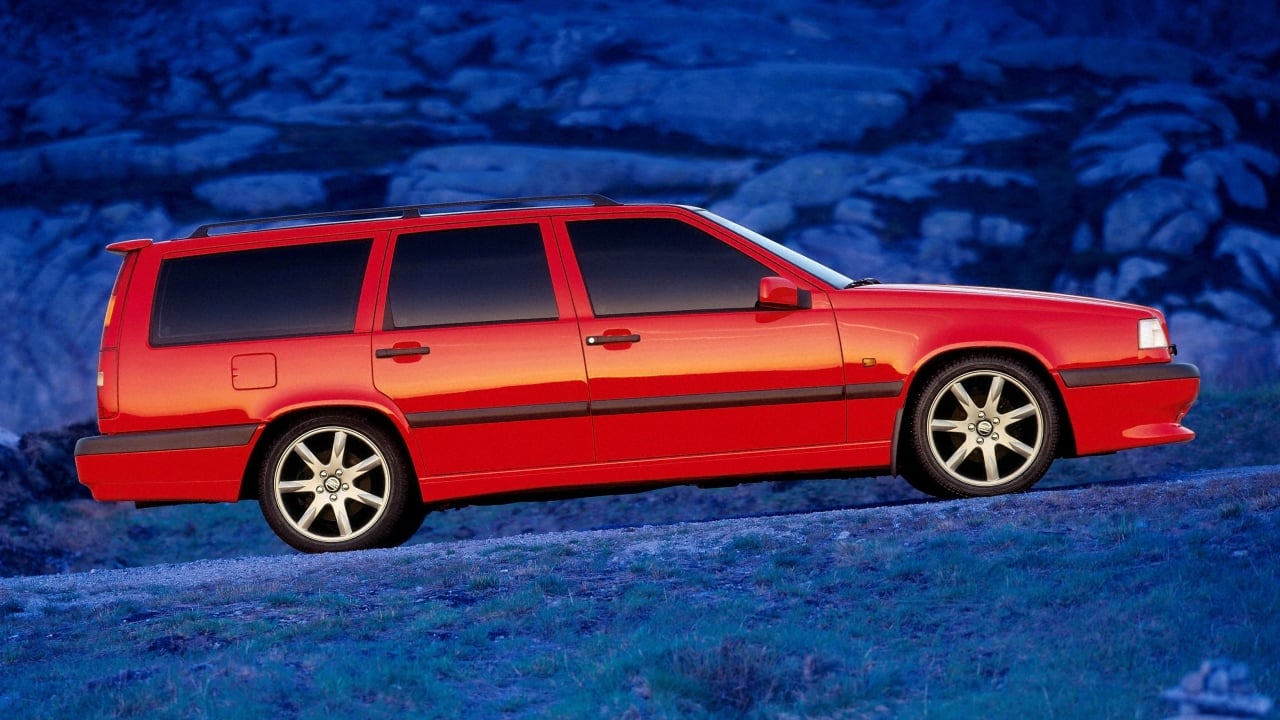
For the better part of three decades, the automotive industry has treated wagons like an endangered species. Crossovers and SUVs swallowed the market whole, forcing many manufacturers to either abandon wagons entirely or quietly leave them to survive in tiny enthusiast-focused niches.
Even Volvo, arguably one of the world’s most wagon-associated brands, has steadily transitioned toward SUVs in recent years. The Swedish automaker now sells a lineup heavily dominated by crossovers, while its sedans have already begun disappearing from several markets.
However, according to Volvo CEO Håkan Samuelsson, the pendulum may finally be starting to swing back the other way. Speaking during a recent media roundtable, Samuelsson suggested the industry may have gone “a bit too far into a single SUV market.”
That alone is interesting, coming from a company that still sells wagons in America when most rivals have already abandoned them. What makes it even more intriguing is that Samuelsson openly hinted that Volvo will continue offering lower-slung vehicles well into the future.
Volvo Thinks Buyers Could Grow Tired Of SUVs
“I don’t think 10 years from now, we will only have SUVs from Volvo,” Samuelsson said during the discussion. Later in the conversation, he reportedly suggested that even within the next five years, Volvo’s lineup would still include something other than crossovers.
That naturally raises questions about what exactly Volvo has planned. Sedans continue losing ground globally, and there is little indication that Volvo intends to jump into minivans or other niche body styles for the American market.
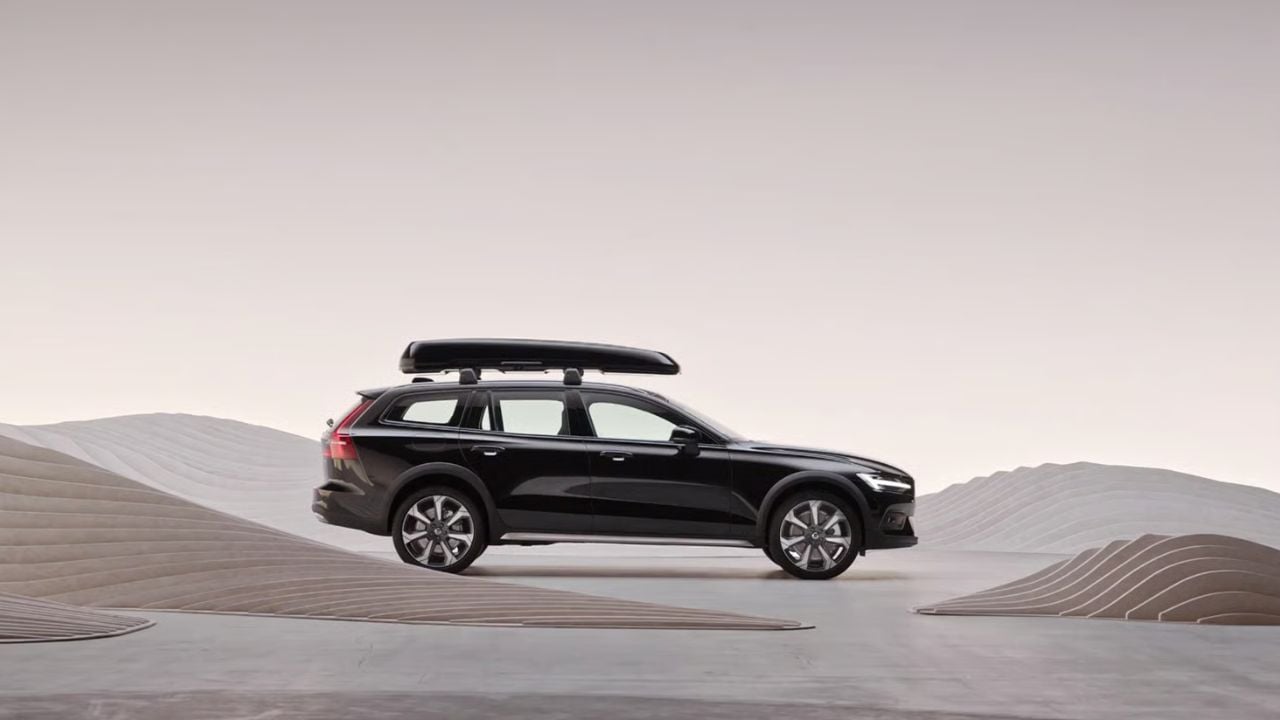
The most logical answer is wagons. Volvo remains one of the few automakers still carrying genuine wagon DNA through modern products like the V60 Cross Country, and Samuelsson’s comments strongly suggest the company sees long-term value in keeping that tradition alive.
He also pointed toward practical reasons why lower vehicles could become increasingly important in the EV era. Aerodynamics play a massive role in efficiency and driving range, and tall SUVs naturally create more drag than lower-bodied wagons or sedans.
Aerodynamics Could Help Wagons Return
According to Samuelsson, lower cars simply make more sense from an engineering standpoint. Smaller frontal areas improve efficiency, reduce drag, and make it easier for automakers to maximize EV range without relying solely on larger battery packs.
That’s important because the automotive industry is now obsessed with squeezing every possible mile out of electric vehicles. A sleek wagon can often deliver crossover practicality while requiring less energy to push through the air at highway speeds.
Volvo’s scalable SPA3 platform could also make a wagon revival easier than ever. The architecture underpinning future Volvo EVs was designed with flexibility in mind, meaning the company could theoretically develop new wagon-shaped vehicles without needing entirely separate engineering programs.
The aging V60 Cross Country also feels increasingly overdue for a replacement. The current generation entered production back in 2018, and despite still looking sharp, it is beginning to show its age compared to newer EV-focused rivals.
The Generational Shift May Already Be Happening
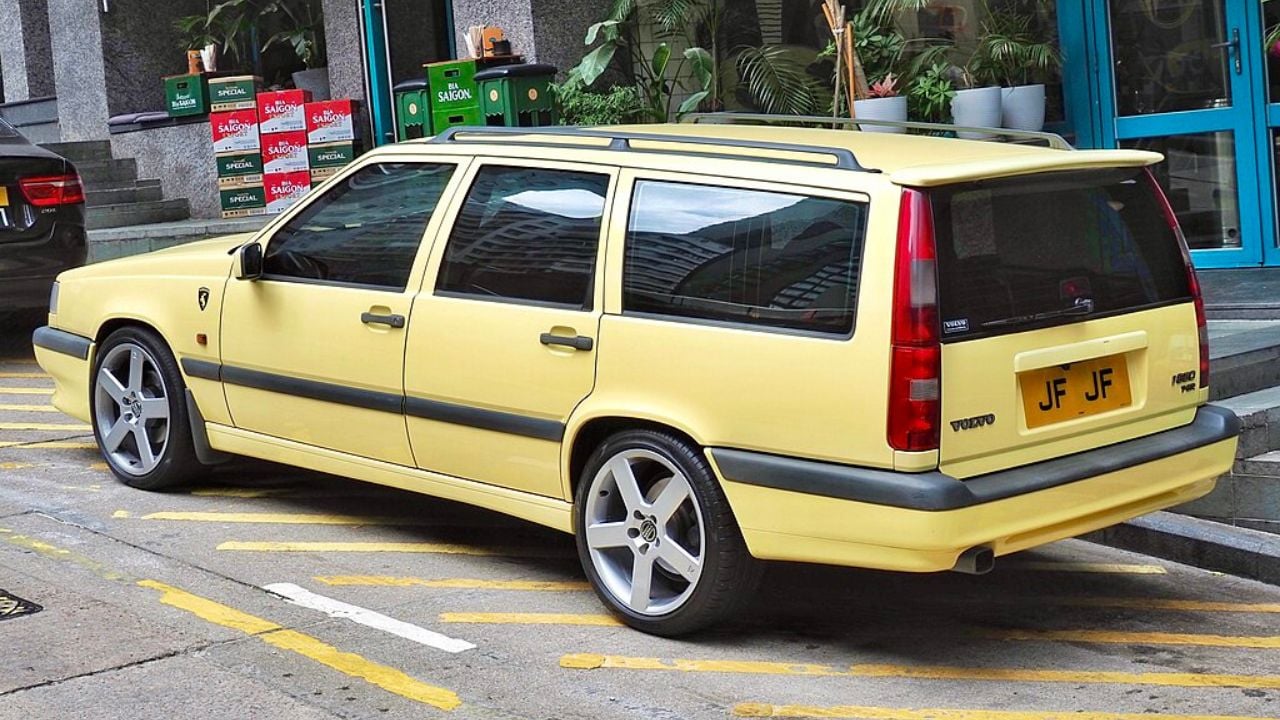
Samuelsson also hinted at another reason wagons could return: younger buyers often reject whatever their parents drove. Ironically, that now works against SUVs, which have become the default family vehicle for an entire generation.
He joked that some younger consumers already associate SUVs with their parents’ cars. If automotive trends continue cycling the way they historically have, wagons could eventually regain some of the cool factor they lost during the crossover boom.
That does not mean America is suddenly about to become wagon country again. SUVs still dominate sales charts, and most buyers continue prioritizing ride height and perceived practicality over sharper handling or aerodynamic efficiency.
Still, hearing a major global automaker openly discuss a future beyond SUVs feels refreshing. For wagon enthusiasts who have spent years watching the segment slowly disappear, Volvo’s comments sound like one of the strongest signs yet that the good old longroof may not be dead after all.