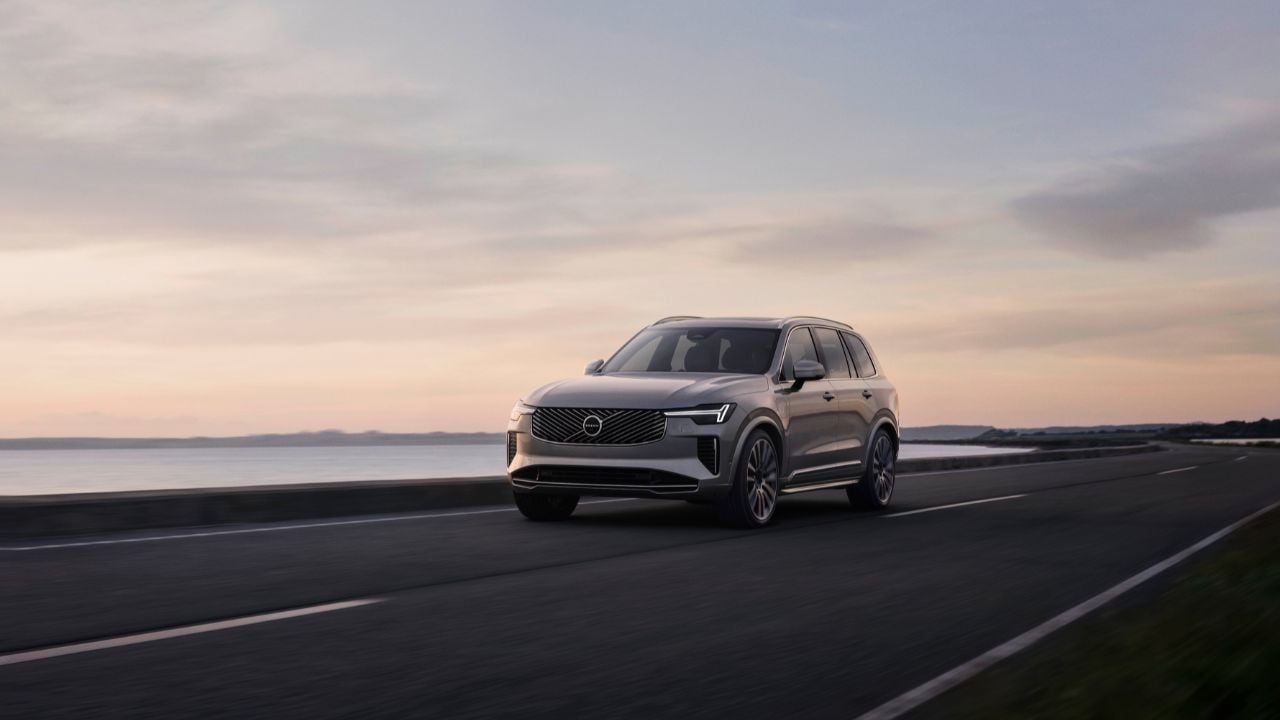
Volvo is having a rough start to 2026 in the United States, and dealers are making sure everyone knows it.
The Swedish automaker posted a steep 32 percent decline in U.S. sales during the first quarter, moving just 22,651 vehicles. That marks the third straight quarterly drop in one of the world’s most important automotive markets and the weakest first-quarter showing for Volvo since 2020.
While Volvo cited geopolitical uncertainty, changing tariff conditions, and the end of federal EV subsidies, retailers say the deeper issue is simpler: customers are being asked to pay premium prices for vehicles that are no longer fresh enough to excite the market.
For dealers, this is where the real pain begins. Slower sales mean overflowing lots, expensive inventory carrying costs, heavier discounts, and shrinking profits. In luxury retail, none of those trends are welcome.
Dealers Say Inventory Is Becoming a Serious Problem
Volvo reportedly ended the quarter with 93 days of supply, well above the broader industry average of 65 days. That is also worse than the brand’s inventory level a year ago.
When cars sit too long, dealers pay more in floorplan costs, which are financing expenses tied to unsold inventory. Those costs can eat into margins quickly, especially when retailers must slash prices to move units.
Some dealers also claim they are being pushed to accept more vehicles than they can reasonably sell. That can create a dangerous cycle where stores discount heavily or sell to brokers just to clear space.
In short, nobody wants a luxury showroom that feels like a parking lot clearance event.
Aging XC40, XC60, and XC90 Lineup Under Pressure
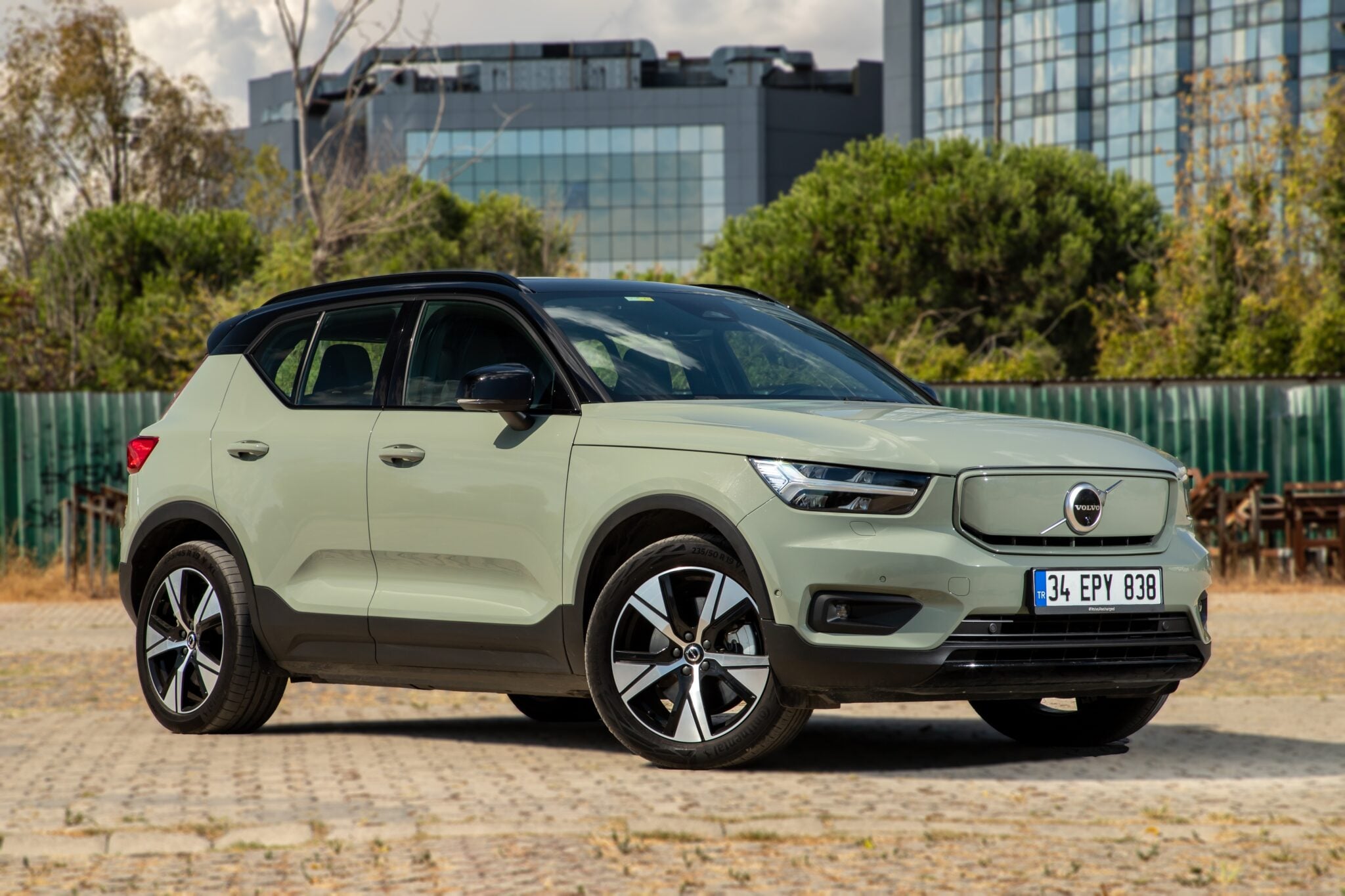
Much of Volvo’s U.S. business still depends on the XC40, XC60, and XC90 crossovers. The issue is that all three models have been around for years without full redesigns.
That matters because luxury buyers often shop for the newest design, latest technology, and freshest cabin experience. If rivals are offering major updates while your lineup looks familiar, winning shoppers gets harder.
One retailer reportedly pointed to the XC90 as an example, saying older products need stronger incentives to remain competitive.
Volvo argues demand still exists, noting recent gains for the XC90 and rising certified pre-owned sales. But dealers appear unconvinced that momentum alone can solve the age problem.
Volvo’s EV Bet May Have Left a Gap in the Market
Volvo was one of the louder brands in the industry push toward an all-electric future, previously aiming to become fully EV by 2030.
That bold strategy may now be contributing to current headaches. As EV demand growth slowed and policy conditions changed, Volvo found itself needing stronger hybrid and gasoline options while some next-generation products were not yet ready.
Meanwhile, newer EV launches have faced challenges. The EX90 reportedly suffered delays, while the smaller EX30 was dropped from the U.S. lineup after tariffs hurt profitability.
The lesson here is clear: betting everything on one future can be risky when customers are still living in the present.
Hope Now Rests on the Incoming EX60
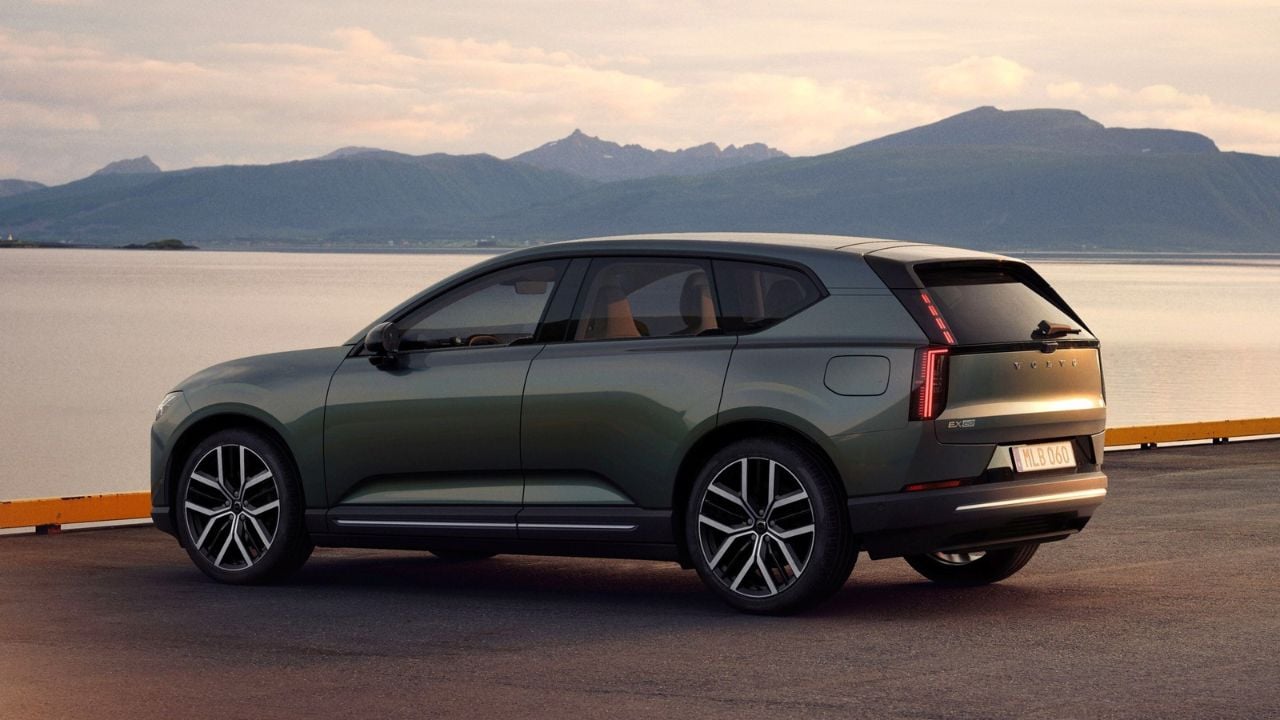
Volvo’s next major opportunity appears to be the EX60, a midsize electric crossover expected this summer.
The company believes the model can attract new buyers thanks to broad-market sizing, fast charging capability, and an estimated range of up to 400 miles. Dealers have reportedly been told U.S. sales could reach around 7,000 units this year.
If that happens, it would be a meaningful win for Volvo’s EV strategy and a badly needed morale boost for retailers.
Still, one new model rarely fixes every issue overnight.
What the Industry Can Learn From Volvo’s Situation
Volvo’s current struggles highlight several truths about today’s market.
First, product timing matters. Even strong brands can stumble when vehicles stay unchanged too long.
Second, flexibility matters more than bold headlines. Consumers are choosing hybrids, gas models, and EVs at different speeds depending on price and region.
Third, dealer relationships still matter. When stores lose confidence, recovery gets harder.
Volvo remains a respected brand with strong safety credentials and loyal customers. But in 2026, reputation alone is not enough. Fresh products, sharper pricing, and clearer strategy may determine whether this slump becomes a temporary setback or a longer detour.