Volcanoes are among Earth’s most powerful forces, capable of reshaping landscapes in a matter of seconds. While many volcanic regions are open to tourists and even celebrated as adventure destinations, others remain far too unstable for safe exploration. In 2025, increased seismic activity, gas emissions, thermal shifts, and evolving eruption patterns have prompted governments worldwide to tighten access or close certain zones entirely. These regions, though stunning, carry risks that even the most seasoned travelers must respect.
For curious adventurers, these off-limits volcanic areas hold an undeniable allure. Their dramatic terrain, crater lakes, ash fields, and lava-scarred landscapes feel like scenes from another planet. Yet beauty often hides danger: invisible toxic gases, sudden ash explosions, landslides, and extreme heat can turn a postcard-perfect view into a deadly situation with no warning. As climate change alters temperatures and rainfall patterns, some volcanoes are becoming even more unpredictable.
This list highlights volcanic regions that authorities strongly discourage visiting, not because they lack appeal, but because their activity levels push them beyond acceptable safety thresholds. Understanding the risks behind these geological giants not only protects travelers; it also deepens our appreciation for the planet’s raw and volatile power.
Mount Merapi, Indonesia
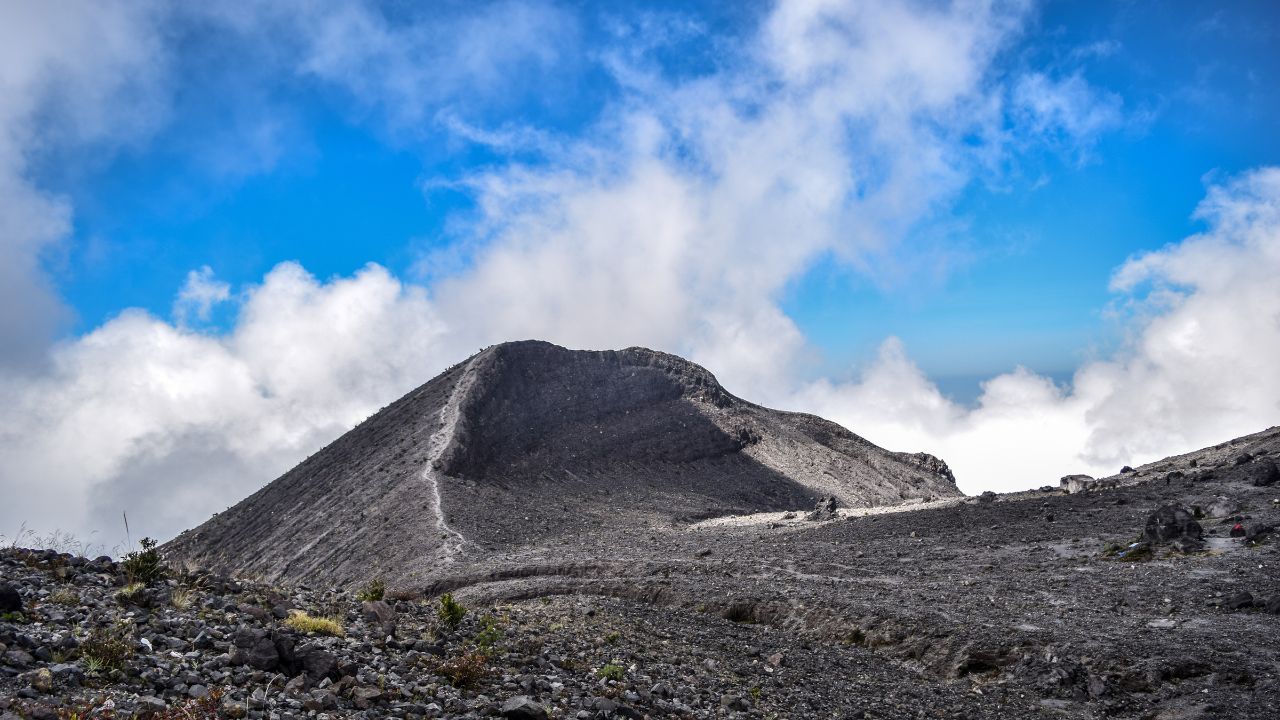
Mount Merapi is one of the world’s most active and dangerous volcanoes, known for its frequent eruptions and devastating pyroclastic flows. Located near Yogyakarta, a major cultural hub, Merapi sits close to densely populated communities that live with its constant threats. Authorities monitor it closely, yet its activity remains unpredictable, making certain slopes and crater areas strictly off-limits.
Visitors often underestimate Merapi’s power, believing that calm periods signal safety, but the volcano can shift from quiet to violent in mere minutes. Sudden ash plumes, rockfalls, and gas bursts make trekking near its summit extremely dangerous. Even well-marked trails have been permanently closed due to repeated flare-ups and thermal instability.
Despite these hazards, Merapi retains a magnetic pull for tourists fascinated by Indonesia’s volcanism. While safe viewpoints exist farther from the peak, the upper zones are far too unstable for visitation. In 2025, experts emphasize observing Merapi from designated lookout points only.
Kīlauea Summit Region, Hawaii (USA
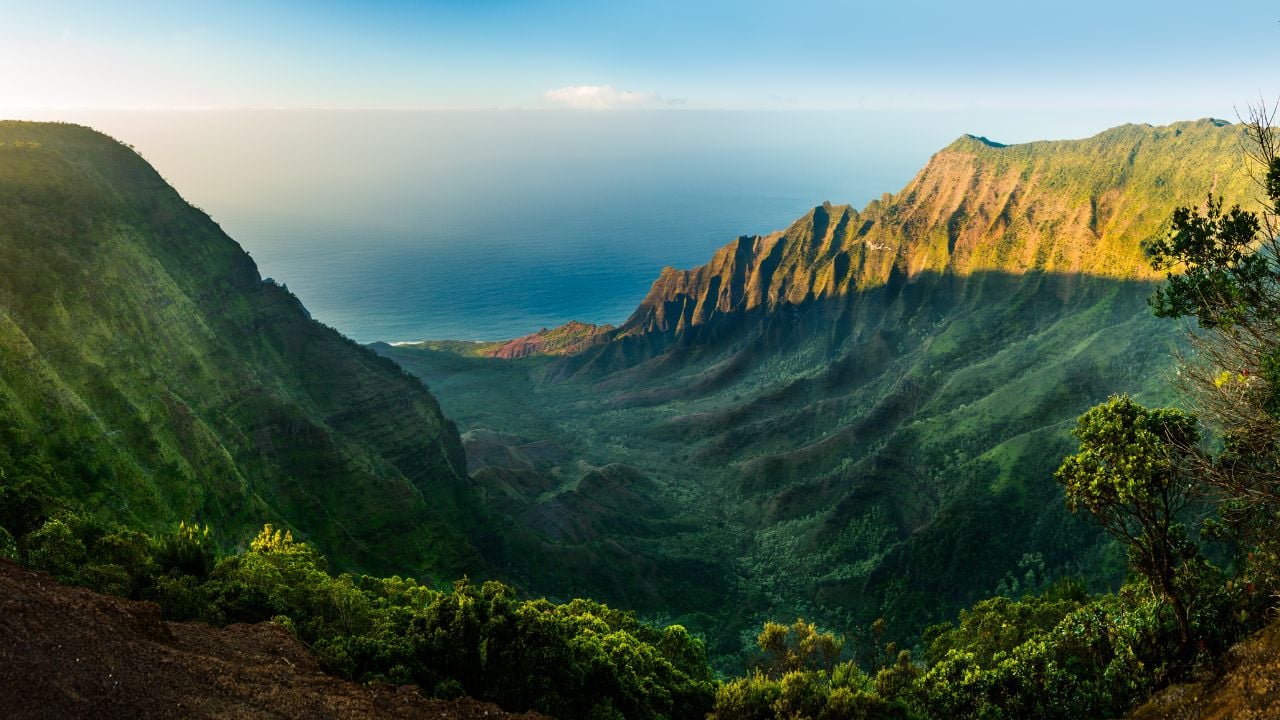
Kīlauea is one of Earth’s most active volcanoes, but not all of it is accessible, especially the volatile summit. After major collapses and explosive episodes in recent years, the area around Halemaʻumaʻu crater has become dangerously unstable. Crater edges can collapse without warning, and volcanic gas concentrations often spike to lethal levels.
The National Park Service frequently updates restrictions, and large swaths of the summit remain closed indefinitely. The ground itself is structurally weak, riddled with cracks, steam vents, and ash hazards that form and disappear overnight. Even experienced geologists approach the summit cautiously when conducting research.
Visitors can still safely explore other parts of Hawai‘i Volcanoes National Park, but the summit region is off-limits for good reason. Its beauty is mesmerizing, glowing lava, shifting fissures, sulfuric plumes, but this dramatic landscape is simply too unpredictable for tourist access.
Mount Nyiragongo, Democratic Republic of Congo
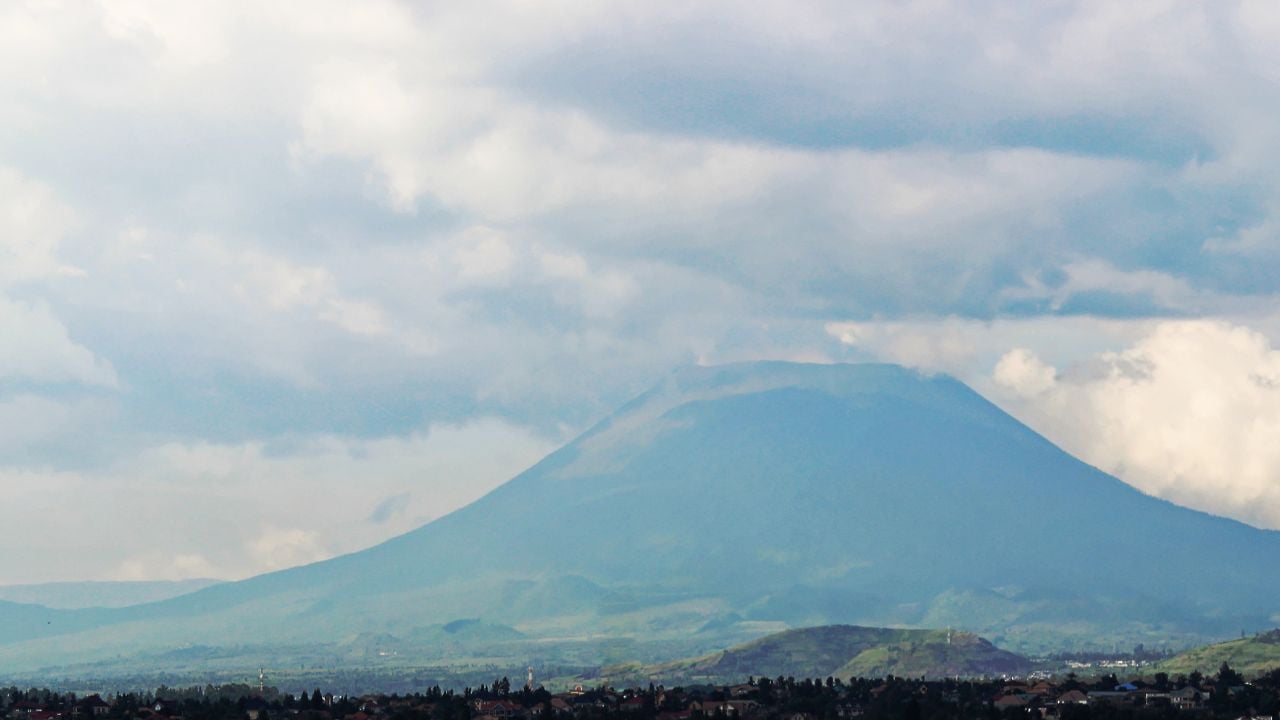
Mount Nyiragongo holds one of the world’s most active and volatile lava lakes, a churning pool of molten rock that once made the summit hike famous. However, after deadly eruptions and rapid lava flows that reached populated areas, the volcano has become too unstable for any tourism. Seismic activity beneath the crater continues to rise, indicating high eruption potential.
Nyiragongo’s lava is unusually fluid, allowing it to travel at alarming speeds. In past eruptions, it poured into nearby cities within minutes, destroying infrastructure and leaving residents little time to escape. Even without an active eruption, the ground around the summit can shift unexpectedly, cracking or collapsing over unseen lava tubes.
Authorities have banned access to Nyiragongo, stressing that scientific monitoring, not tourism, is the only safe activity near the crater. Though the volcano offers one of Earth’s most spectacular sights, the risks far outweigh the rewards.
White Island / Whakaari, New Zealand

Whakaari, also known as White Island, was once a popular adventure tourism site, but the 2019 eruption that killed and injured dozens changed everything. The island remains dangerously unstable, producing bursts of steam, ash, and toxic gases without warning. These “phreatic explosions” are impossible to predict even with advanced equipment.
The volcanic crater is essentially open and exposed, offering no natural shelter. This means that any sudden eruption gives visitors no chance to escape. Gas emissions can spike to lethal concentrations, and the thin crust around many vents makes walking hazardous. Scientists now access the island only through remote sensors and drones.
New Zealand has banned all public visits to Whakaari, and experts agree that the island may never again be safe for tourism. Its haunting landscape stands as a reminder of nature’s power, and its unpredictability.
Popocatépetl, Mexico
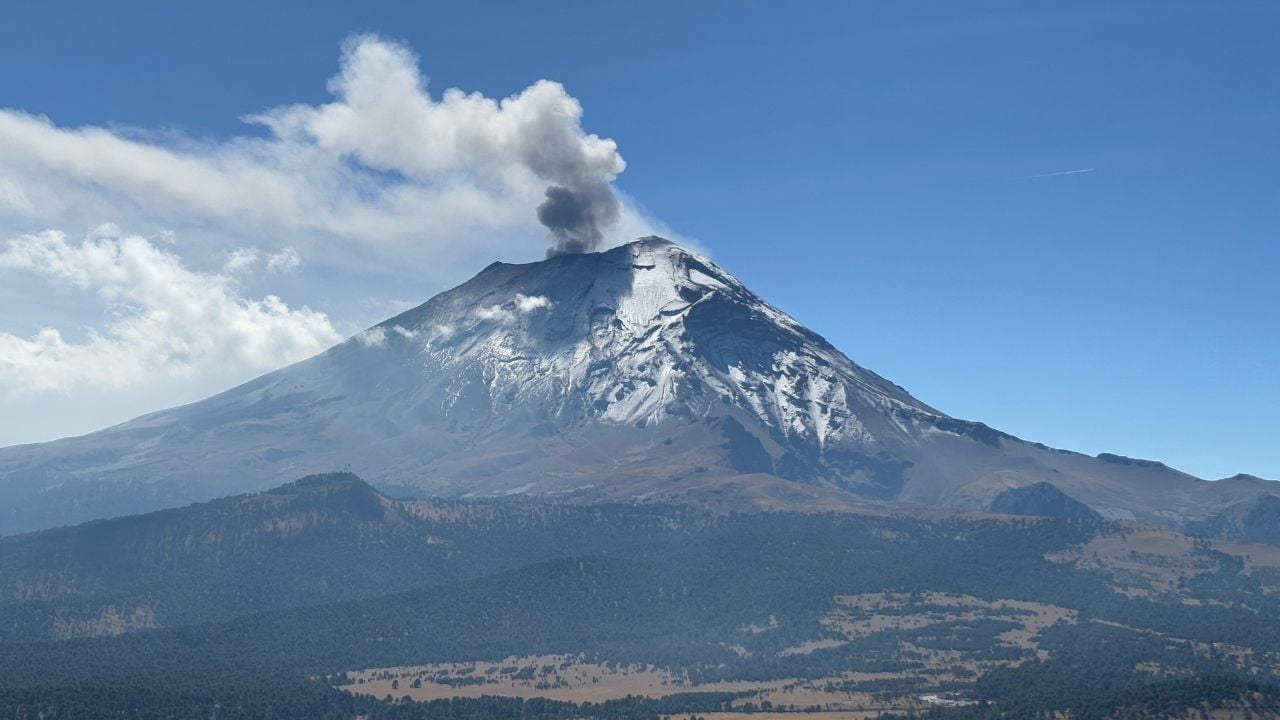
Popocatépetl, located near Mexico City, is one of the most closely monitored volcanoes in North America. In recent years, increased activity has brought large ash plumes, glowing explosions, and volcanic bombs thrown from the crater. The danger zone around its summit is permanently closed, with authorities enforcing a strict exclusion radius.
Even when Popocatépetl appears calm, seismic activity beneath the mountain remains elevated. Sudden ash emissions can disrupt air travel, while gas expulsions create toxic conditions on upper slopes. Snow and ice on the peak add another risk: eruptions can trigger lahars, powerful mudflows capable of sweeping away anything in their path.
Despite its proximity to major cities, reaching the summit is out of the question. Popocatépetl offers stunning views from safe distances, but the volcano’s explosive behavior makes close encounters extremely dangerous.
Taal Volcano, Philippines

Taal Volcano sits in a picturesque crater lake near Manila, making it a historically popular tourist spot, until recent eruptions drastically changed the landscape. Increased seismicity, gas release, and sudden explosions have transformed Taal into one of the Philippines’ most dangerous volcanoes. The entire island around the main crater is now permanently off-limits.
Volcanologists warn that Taal’s magma continues to move unpredictably beneath the lake, creating risks of steam explosions, lava fountaining, and even a more catastrophic eruption. Toxic sulfur dioxide regularly reaches dangerous levels, making prolonged exposure unsafe for both residents and visitors.
While safe viewing areas exist around the lake’s perimeter, the crater island itself remains unstable. The beauty of Taal’s setting contrasts sharply with the hazards beneath, reinforcing why access is tightly restricted.
Mount Agung, Indonesia
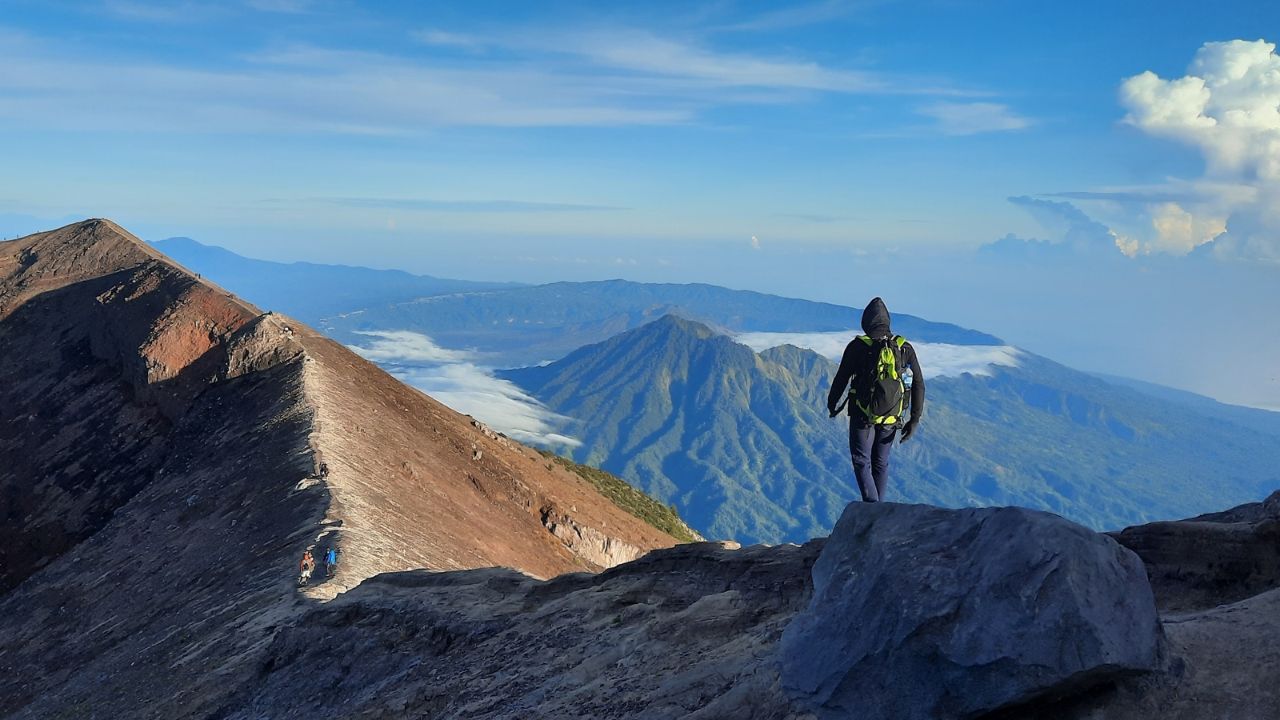
Mount Agung on Bali may lie near tourist hotspots, but its upper crater remains far too dangerous to visit. Agung’s eruptions in recent years included widespread ash clouds, sudden explosions, and days-long tremors that indicated deep magma movement. Although the volcano is monitored closely, its activity level remains volatile.
Agung’s steep slopes and fractured summit make climbing hazardous even during quiet periods. Loose rock, hidden vents, and gas emissions create unpredictable conditions. The danger zone shifts frequently depending on seismic readings, forcing officials to adjust access restrictions with little notice.
For travelers in Bali, Agung is best admired from afar. Its spiritual significance and towering presence add beauty to the island, but the volcano’s summit remains unsafe for all tourism.
Campi Flegrei, Italy
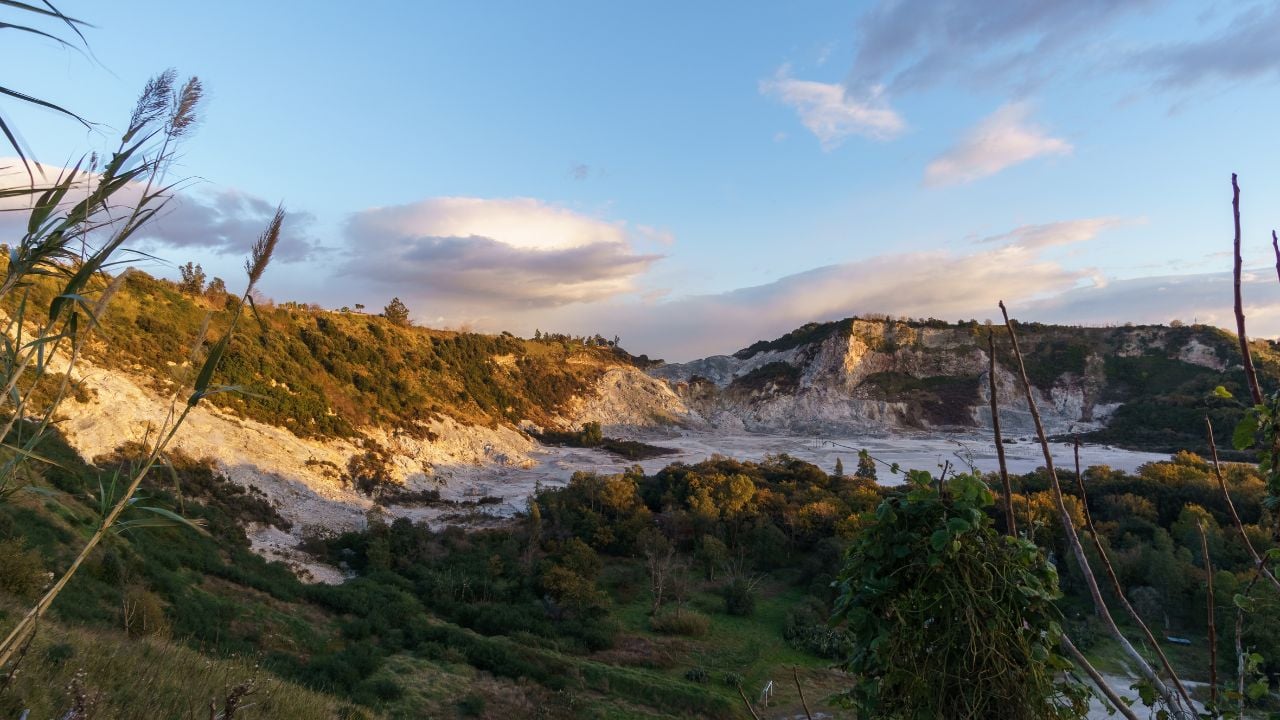
Campi Flegrei near Naples is not a typical volcano, it’s a massive supervolcanic caldera capable of producing catastrophic eruptions. Over the last decade, scientists have recorded alarming signs: rising ground, increased gas emissions, and persistent seismic swarms. Residents live with daily warnings, and officials have tightened restrictions across the most active zones.
Unlike a single volcanic cone, Campi Flegrei hides multiple vents and fissures beneath towns and farmland. The ground can crack, sink, or heat up suddenly, making the area uniquely dangerous. A small eruption could be devastating due to the region’s high population density.
Tourists can visit Naples safely, but entering high-risk areas inside the caldera is strongly discouraged. As one of Europe’s most unstable volcanic systems, Campi Flegrei demands caution and respect.
Nevado del Ruiz, Colombia
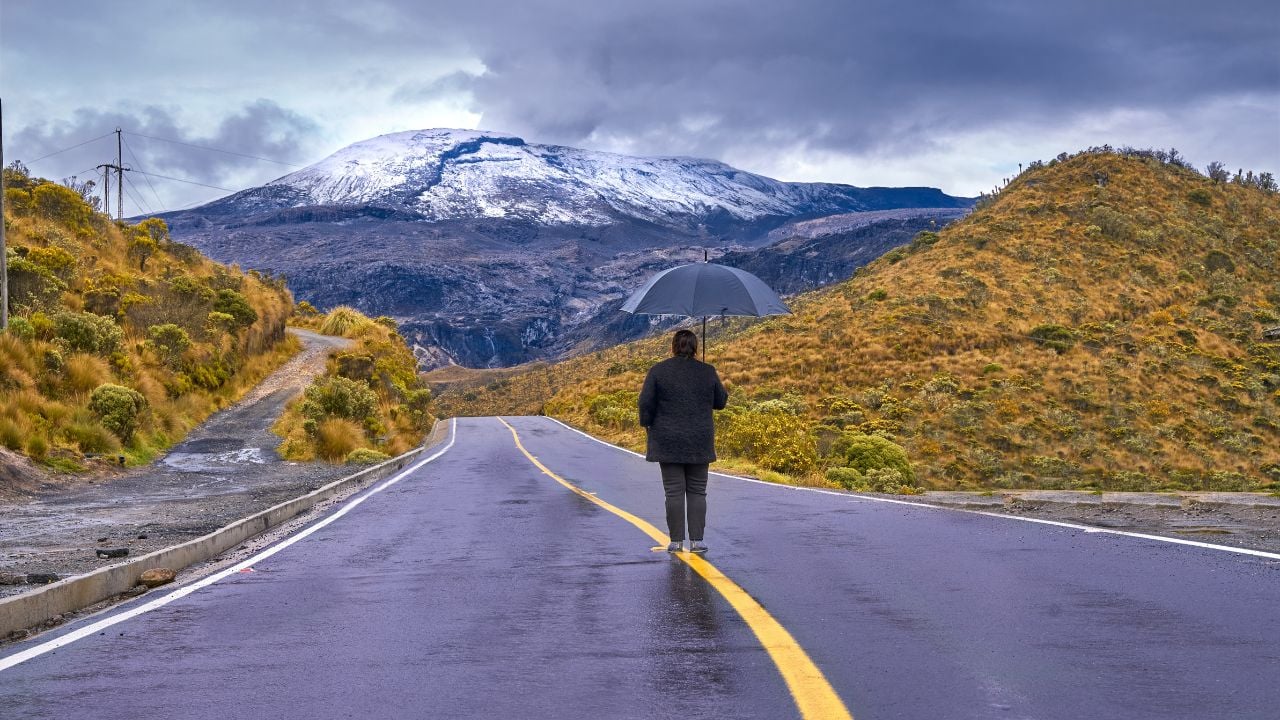
Nevado del Ruiz is notorious for the 1985 eruption that caused one of the most tragic volcanic mudflows in history. Today, the volcano remains active and unpredictable, with fluctuating gas emissions and thermal activity that make summit access extremely hazardous.
Steep slopes covered in snow and ice increase the risk of lahars during eruptions. Even minor ash events could melt snow and send dangerous debris flows into surrounding valleys. Authorities restrict access to the upper slopes and crater, emphasizing that conditions can shift rapidly.
Visitors to nearby towns and viewpoints can observe Ruiz safely from a distance. However, climbing or approaching the summit remains prohibited due to the ongoing instability beneath its glacier-capped peak.
Sakurajima, Japan
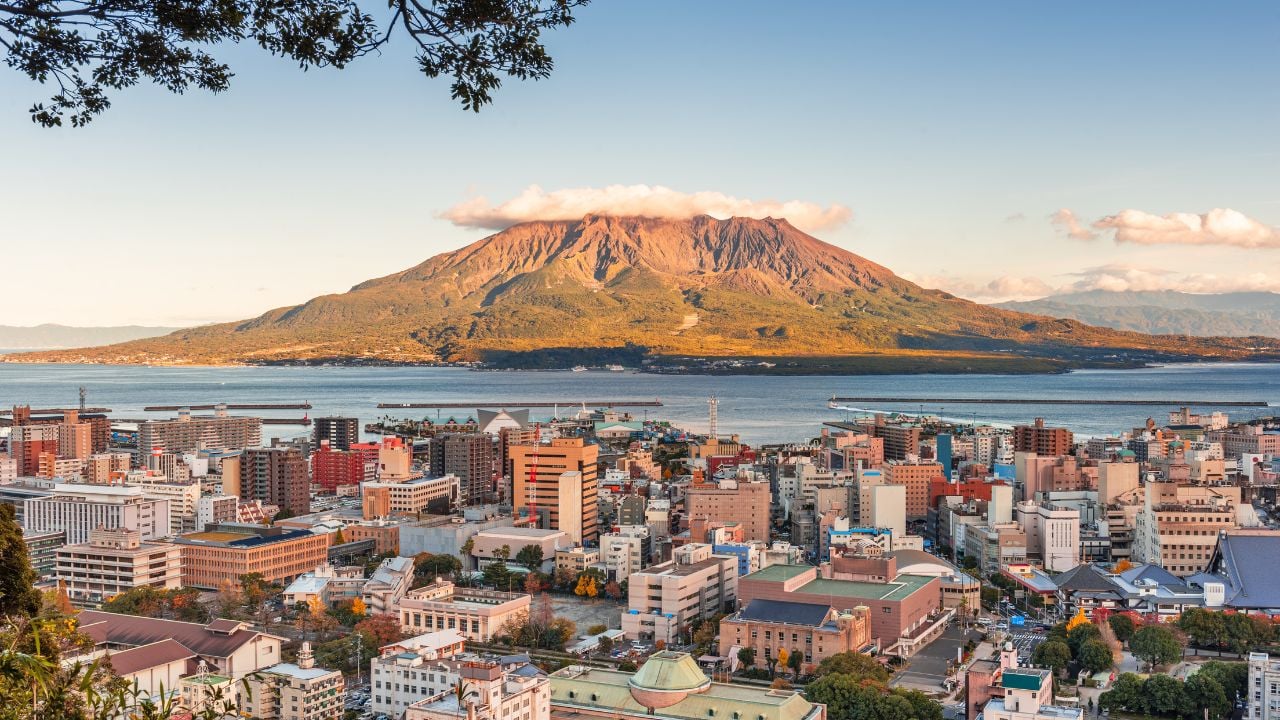
Sakurajima in Kagoshima Bay is one of Japan’s most active volcanoes, erupting frequently with ash bursts and minor explosions. While the region is well-prepared for volcanic hazards, the summit and crater zones remain strictly off-limits due to constant activity. Residents nearby regularly deal with ashfall and tremors.
The volcano’s proximity to populated areas adds to its danger. Even a moderate eruption could send rocks and ash into towns and farmland. Authorities maintain a permanent exclusion zone around the crater to prevent accidents from unexpected blasts.
Travelers can enjoy stunning views of Sakurajima from safe observation points, ferries, and coastal promenades. However, venturing onto the volcano itself is unsafe and forbidden, its eruptions are simply too frequent and unpredictable.
Soufrière Hills Volcano, Montserrat
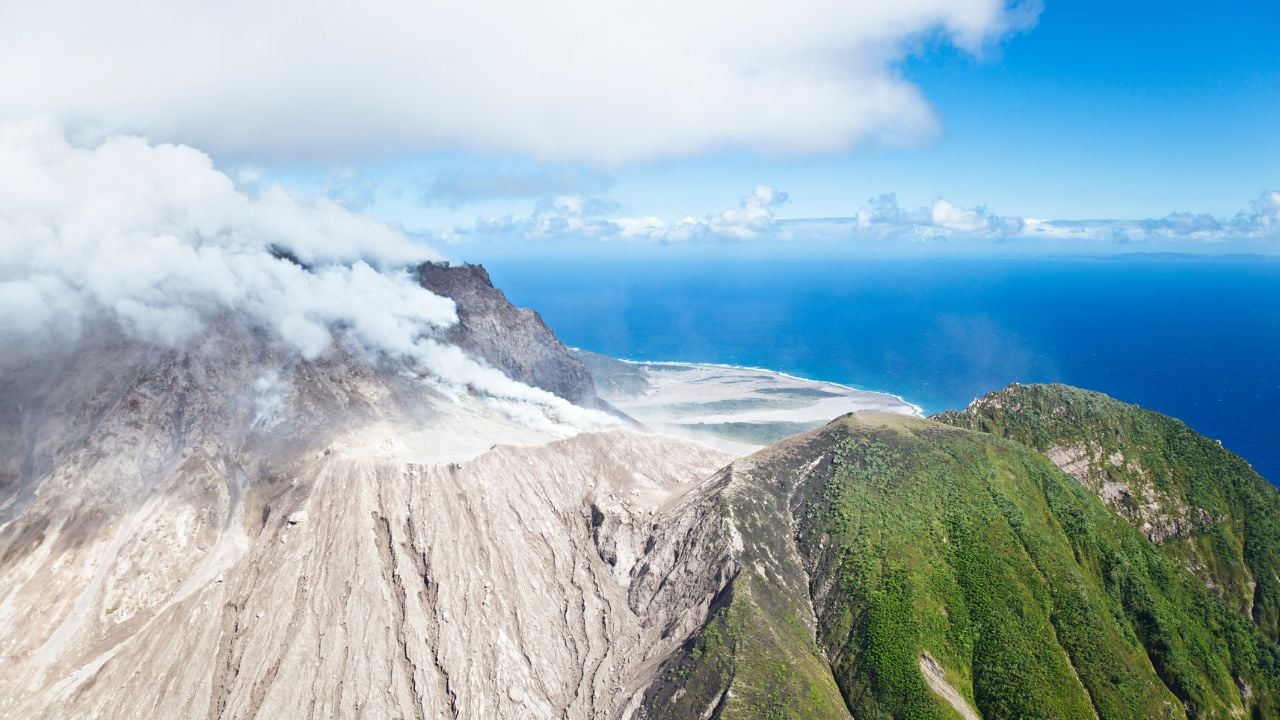
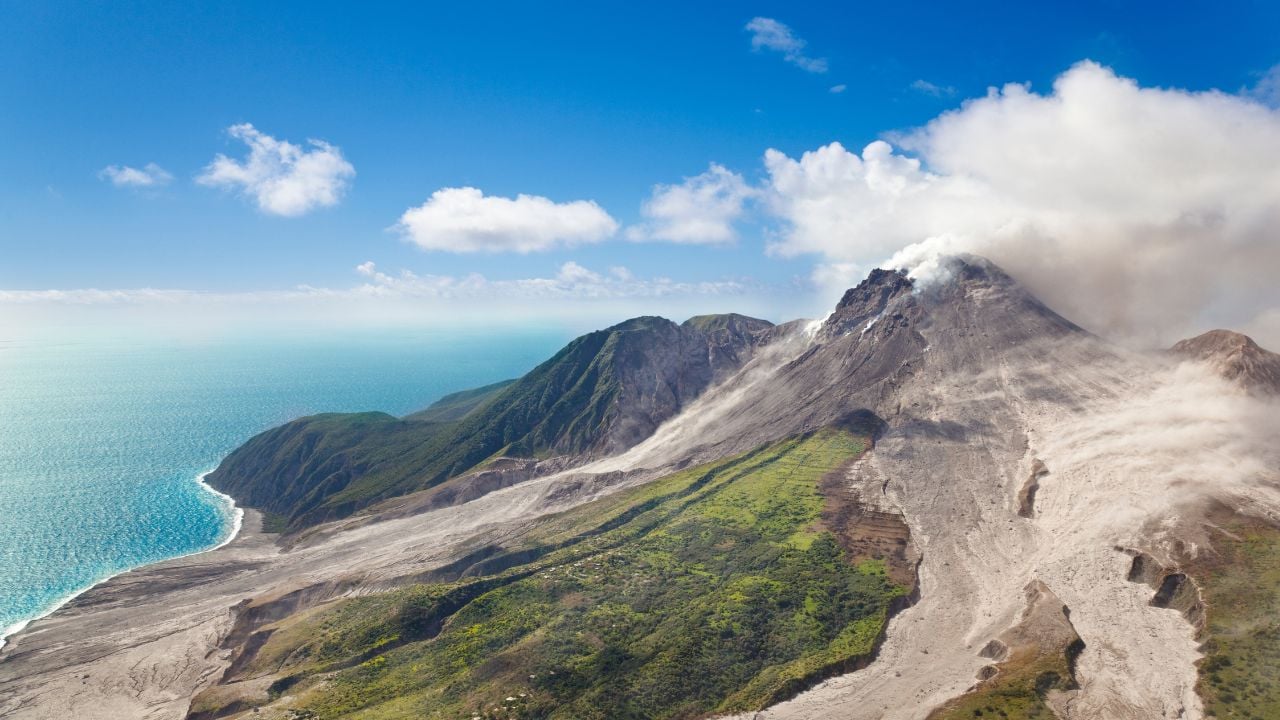
Soufrière Hills on the Caribbean island of Montserrat is a haunting reminder of how quickly paradise can turn into danger. Since its catastrophic eruption in 1995, the volcano has remained highly unstable, forcing the permanent evacuation of the island’s southern half, including the capital city, Plymouth, now buried under ash. Today, the “Exclusion Zone” surrounding the volcano remains strictly off-limits, and access is forbidden due to the unpredictable nature of its activity. The landscape still shifts under the influence of gas emissions, dome collapses, and lingering thermal hotspots that make the area incredibly hazardous.
Even when the volcano appears calm, scientists warn that Soufrière Hills can awaken with almost no warning. Its primary threat comes from sudden pyroclastic flows, deadly surges of superheated gas and ash that race down slopes at terrifying speeds. These flows have destroyed entire neighborhoods in the past, and the terrain around the volcano remains deeply unstable. Cracks in the ground open without notice, and rainfall can trigger mudflows that sweep across abandoned roads and vegetation. Despite continuous monitoring, the volcano’s behavior remains too erratic to permit safe entry into the restricted zones.
The contrast between Montserrat’s peaceful northern region and the desolate, ash-covered south is striking. Overlook points allow visitors to view the buried remains of former towns, but no one is allowed anywhere near the active dome or the destroyed city of Plymouth. The island has rebuilt itself admirably, yet Soufrière Hills stands as a powerful symbol of nature’s unpredictability. In 2025, it remains one of the Caribbean’s most dangerous volcanic regions, a place that sparks fascination but demands absolute respect.