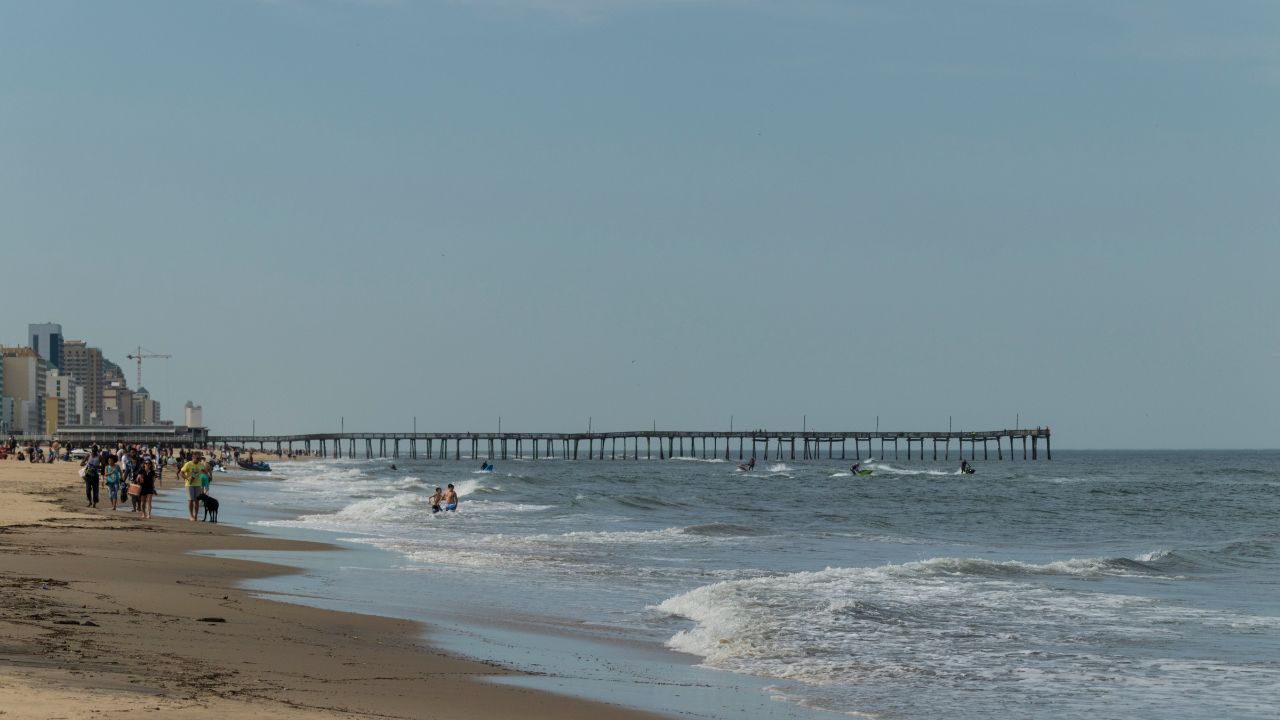
Something is shifting along this stretch of the Atlantic. The classic ingredients are still here: sandy frontage, a long boardwalk, and beach-town energy. The difference is that the surf presence now looks more organized and more visible than it once did, thanks in large part to new infrastructure, a strong competition calendar, and easier entry points for beginners.
The result is a destination where families, first-timers, and serious board riders can all find a place. Safety messaging is more visible too, which helps visitors enjoy the water with less guesswork. For travelers, that makes the whole scene easier to understand and easier to join.
Atlantic Park Surf Made Planned Swell a Real Option
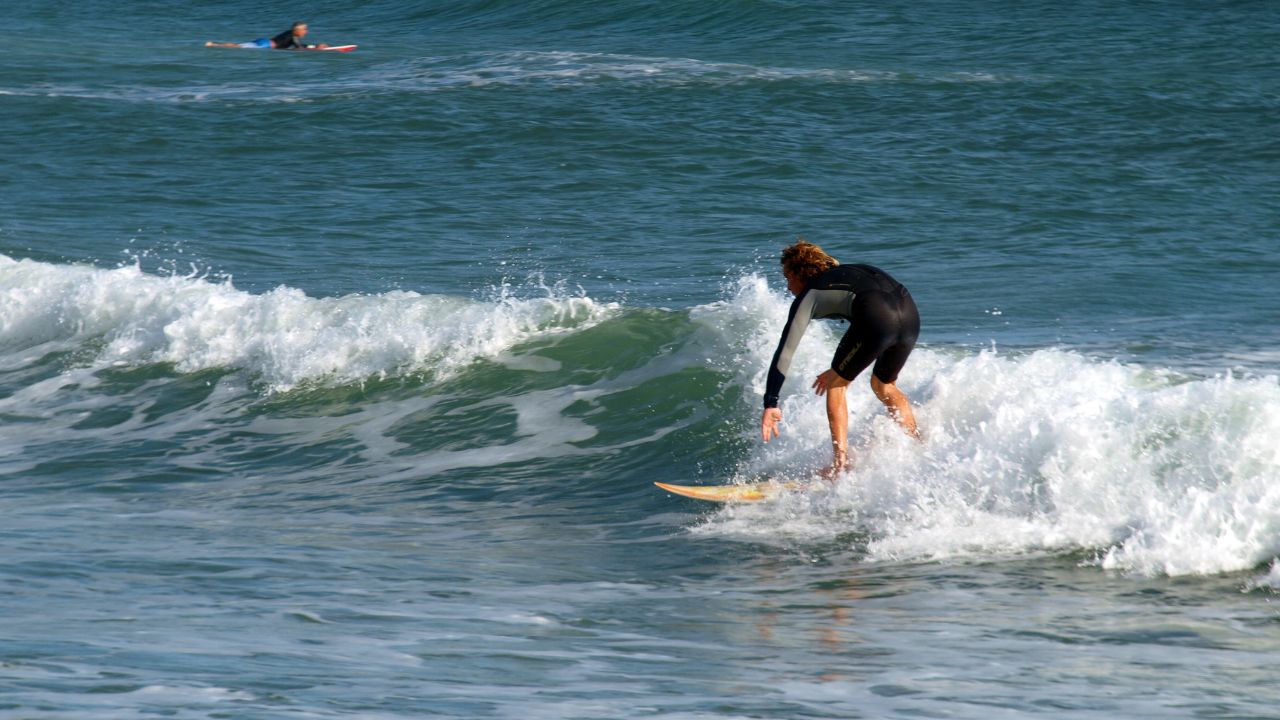
A major headline arrived with Atlantic Park Surf. The venue promotes itself as the first Wavegarden Cove in North America, and Wavegarden’s own announcement described the Virginia Beach opening the same way. That explains why the project drew attention well beyond the local beach scene.
For visitors, the appeal is reliability. Visit Virginia Beach says the lagoon can produce up to 1,000 surfable waves per hour across different skill levels, which means a short trip no longer depends entirely on forecast luck. A reserved session can make a weekend feel much more efficient.
Croatan Beach Keeps the Local Lineup Alive
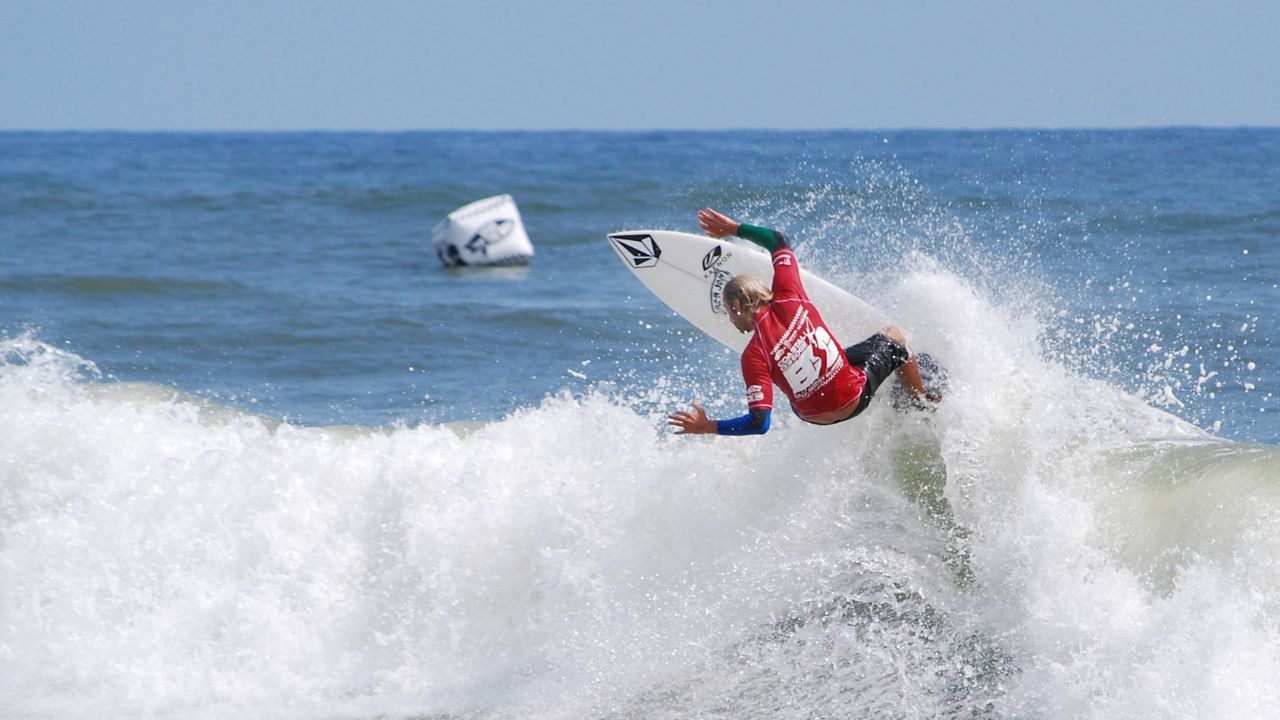
Croatan still feels like one of the clearest homes of everyday surf culture in Virginia Beach. Visit Virginia Beach describes Croatan Beach as stretching from Rudee Inlet to Camp Pendleton and says it has two designated surfing areas, beginner-friendly breaks, surf camps, and board rentals. That gives the neighborhood a grounded, local identity that balances the flashier new surf-park story.
The city’s own safety page also shows how established that surf zone is. Virginia Beach’s beach-rules guidance specifically defines Croatan Beach as the stretch between the Camp Pendleton surfing area and Rudee Inlet. That kind of formal recognition helps keep the culture visible and organized.
The East Coast Surfing Championships Still Anchor the Calendar
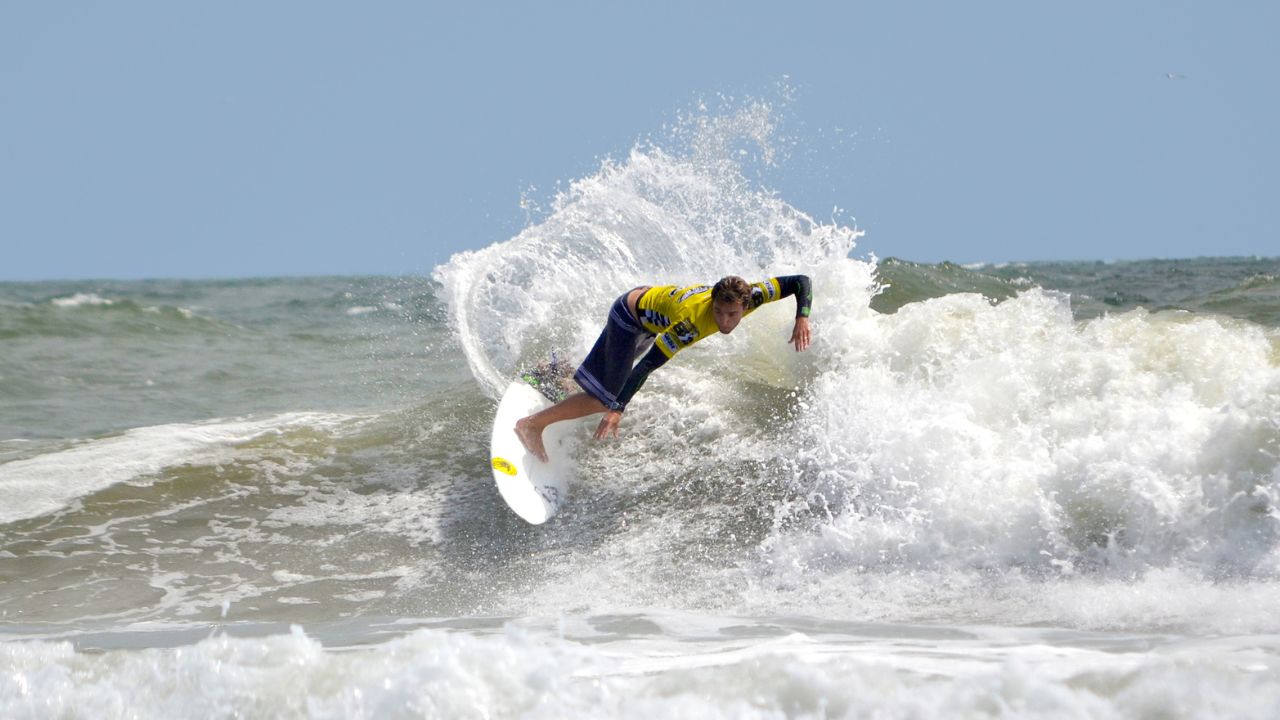
The Coastal Edge East Coast Surfing Championships remain the city’s signature surf event. Visit Virginia Beach lists the 2026 dates as August 23rd through 30th at the Oceanfront and describes it as the longest-running surf competition in the world. That gives late summer a built-in surf focal point.
The event also reaches beyond the contest heats. The ECSC site frames it as a full surf carnival rather than a narrow sports tournament, which is a big reason the atmosphere spills beyond the water. Even for people who never paddle out, the beachfront takes on the feel of a live sports venue with sand underfoot.
Lessons Are Now Part of the Normal Itinerary
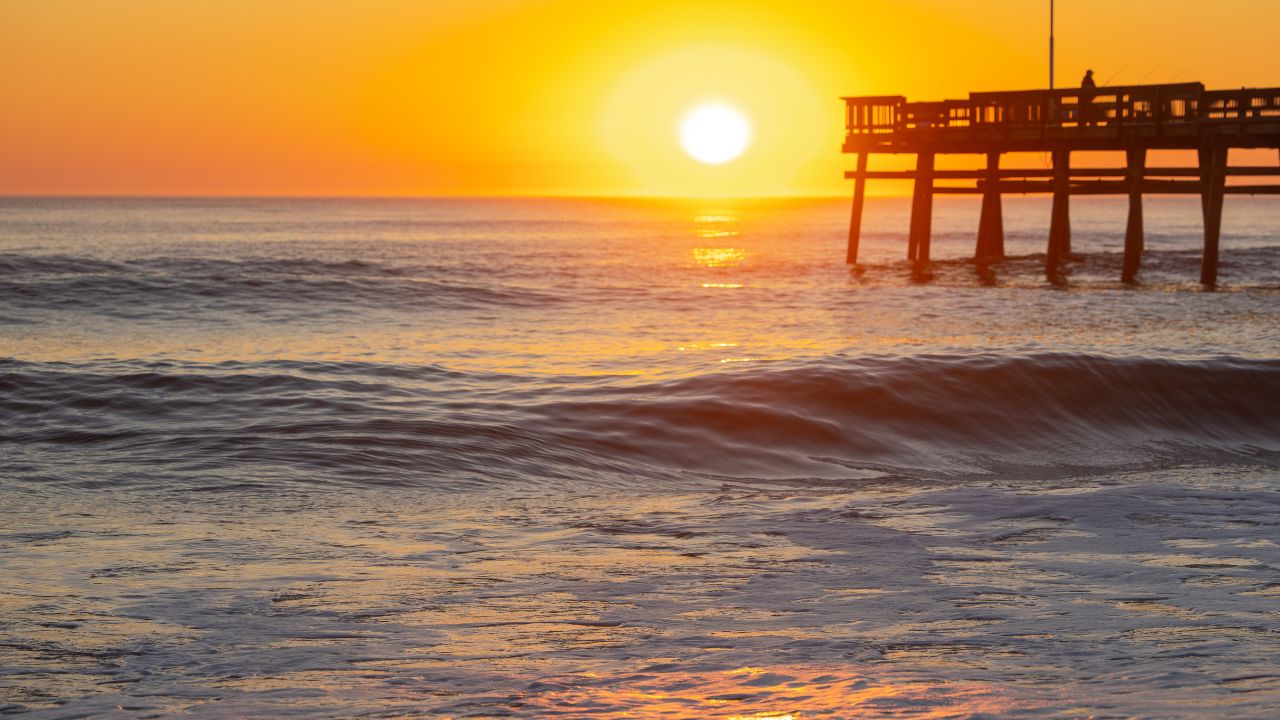
A place starts to feel truly surf-forward when instruction is easy to find and easy to book. Visit Virginia Beach publishes a dedicated surf-lessons guide, highlighting camps and private lessons for both kids and adults. That kind of official promotion suggests the city now sees beginner access as part of the normal beach experience.
The practical benefit is simplicity. Travelers can arrive without gear, rent what they need, and spend one morning learning before using the rest of the day for restaurants, museums, or a sunset walk. One guided session can completely change how someone experiences the shoreline for the rest of the trip.
The Surf and Rescue Museum Adds Heritage to the Scene

The local culture extends beyond boards and wetsuits to the people who worked these waters long before recreation took over. Visit Virginia Beach notes that the original Seatack Life-Saving Station was built in 1878 and that the 1903 replacement building still stands today as the Surf and Rescue Museum. That history gives the modern beachfront a stronger sense of continuity.
The building’s historic status is well documented too. Virginia’s Department of Historic Resources says the first-generation station was replaced by the current structure in 1903. Pair a museum visit with a beach walk and the coastline starts to read differently, with leisure and rescue history sharing the same strip of sand.
Safer Water Habits Are Becoming Part of the Lifestyle
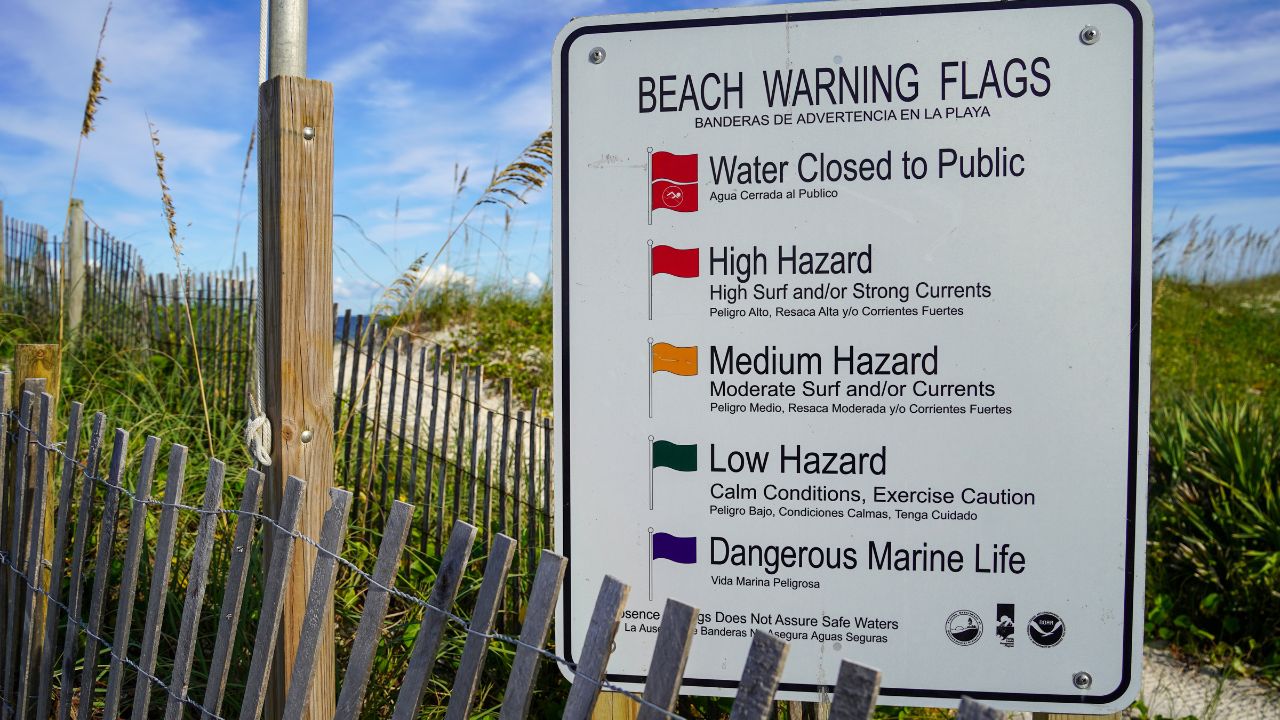
As more visitors enter the ocean with boards, safety messaging naturally becomes more important. Virginia Beach publishes beach rules and ocean guidance, while NOAA’s rip-current safety page advises swimmers to choose lifeguard-protected beaches when possible and ask lifeguards about conditions before entering the water. That kind of public information helps create a healthier relationship with the shoreline.
Planning matters for another reason as well. Rip currents remain one of the clearest hazards for casual visitors, especially people unfamiliar with local conditions. A destination feels more welcoming when newcomers can learn the basics quickly, then relax and enjoy the experience.