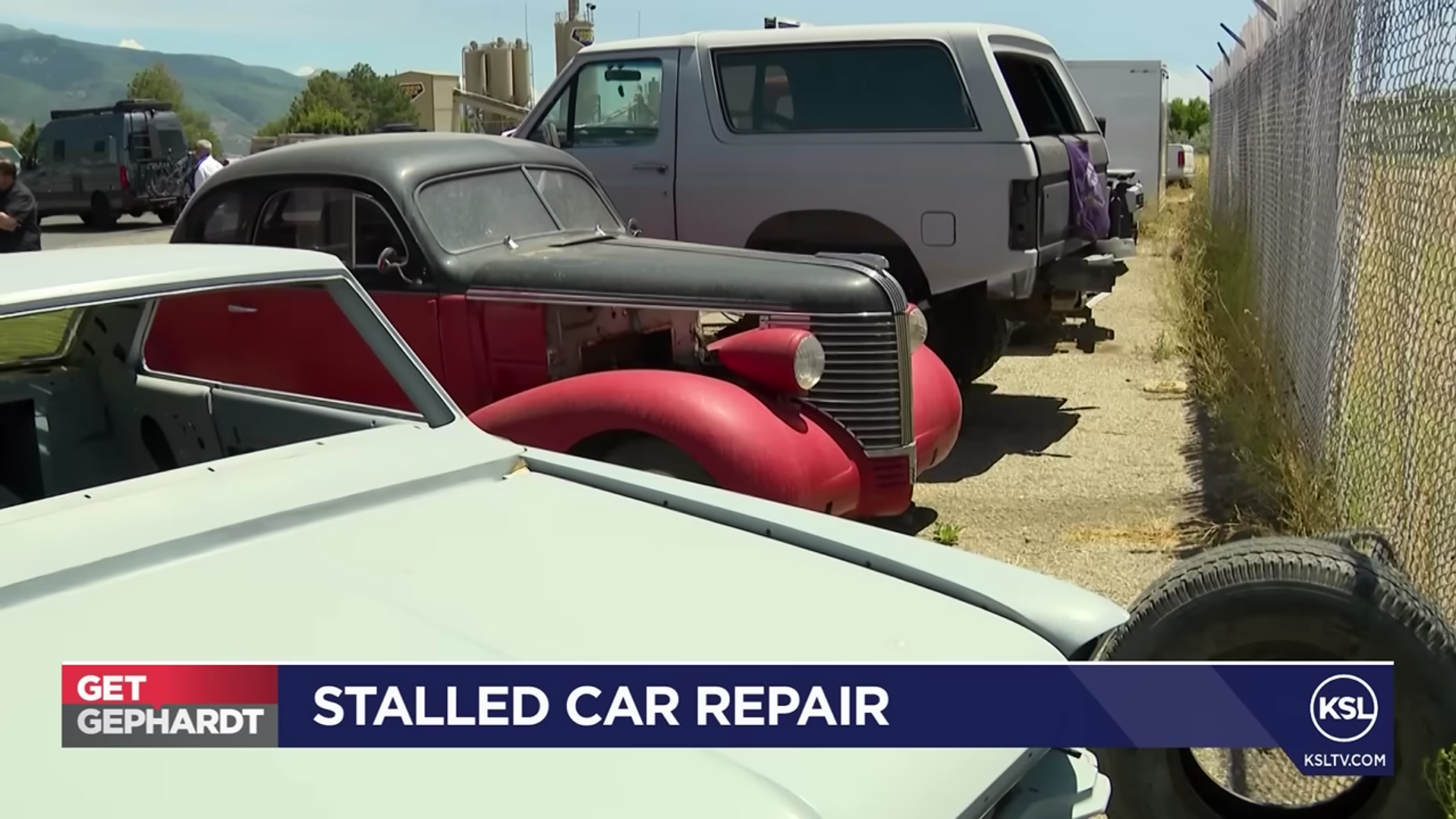
Classic-car restorations can take time, especially when major fabrication and drivetrain work are involved. Six years, however, was far longer than Jennie Johnson expected her late husband’s 1938 Pontiac to remain unfinished at a Utah restoration shop.
Jennie’s husband, Len, reportedly paid Wasatch Customs in Layton more than $16,000 to replace the classic Pontiac’s Ford engine with a Pontiac powerplant. The project began around six years ago, but a series of delays left the car sitting unfinished long after the couple expected to have it back.
Len never got to see the project completed. He died in May 2025, roughly four-and-a-half years after the Pontiac was dropped off, leaving Jennie to continue pushing for the restoration her husband had wanted so badly.
After another missed deadline and months of what Jennie described as unanswered calls, she contacted KSL Investigators. What they found suggested her experience may not have been an isolated one.
The Pontiac Project Kept Missing Deadlines
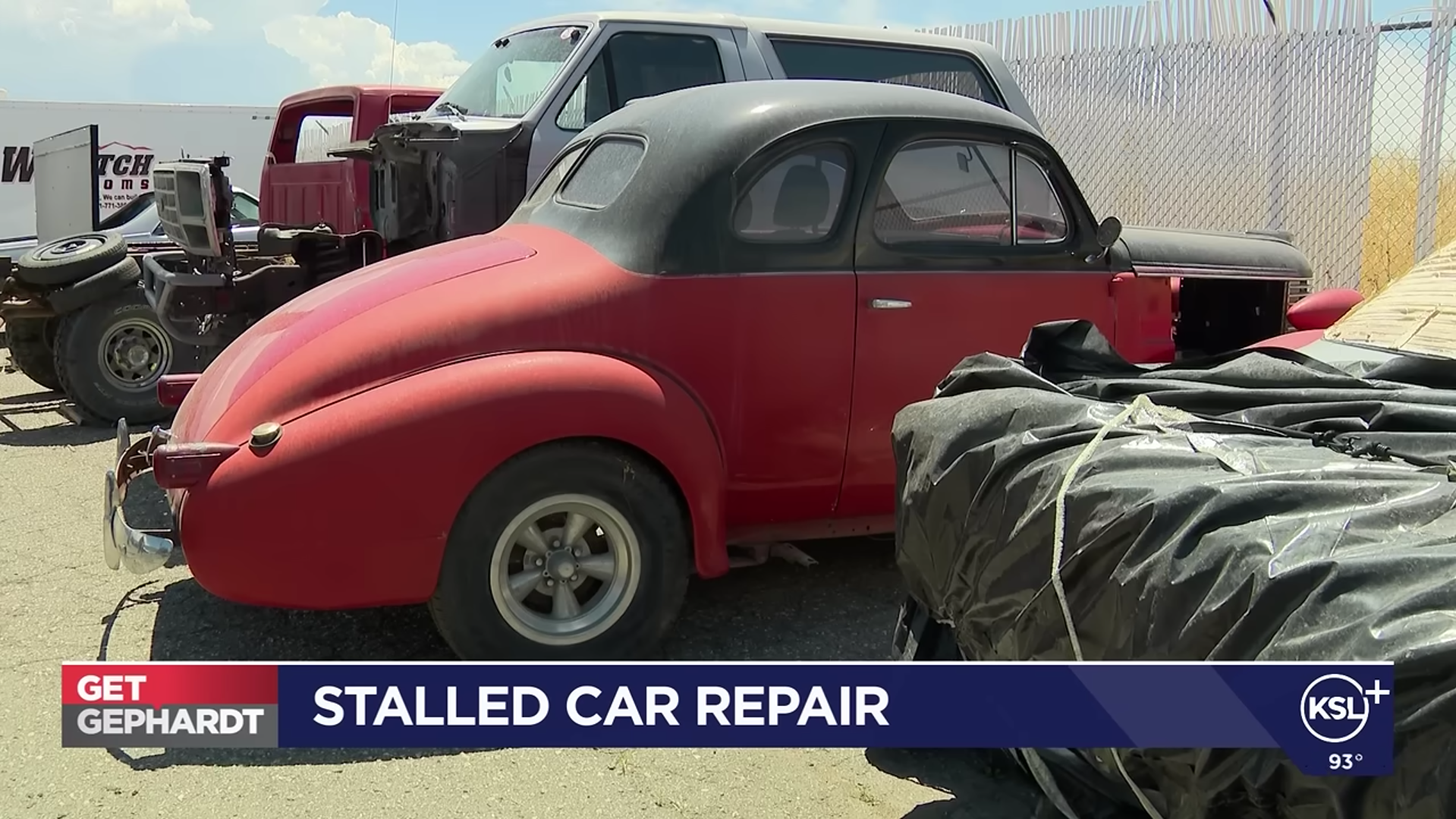
According to Jennie, the shop offered several explanations as the restoration dragged on. COVID-era parts shortages and difficulties hiring qualified workers were among the reasons she said the couple was given for the delays.
After Len’s death, Jennie continued trying to get the project completed. She said the shop promised regular progress updates and eventually told her the Pontiac should be finished by October, but that deadline passed without the car being completed.
KSL later contacted Wasatch Customs about the project, and owner Mark Lambert reportedly explained that fitting the requested engine required substantial modifications. According to his response, workers had to remove portions of the firewall and floor to make the engine fit, and he predicted the car would be running and drivable by mid-May.
That deadline also came and went. Jennie ultimately decided she had waited long enough and arranged for a tow truck to remove the Pontiac from the shop.
State Investigators Found Other Complaints
KSL’s investigation uncovered numerous public reviews from other customers who claimed their own vehicles had been stuck at Wasatch Customs for years. Some reviews described waits of three years, while others alleged delays stretching to six or seven.
At least four vehicle owners also filed complaints with Utah’s Division of Consumer Protection. Division director Katie Hass told KSL that investigators had evidence of conduct they considered deceptive.
Over the previous two years, the state had reportedly issued Wasatch Customs $27,500 in fines related to accepting payment for services that were not delivered. The business was also ordered to cease and desist from practices that violate the Utah Consumer Sales Practices Act.
Hass was blunt about the agency’s view of the situation. She told KSL that the people operating the business were not fulfilling their side of agreements with customers.
The Shop Owner Denies Being Deceptive
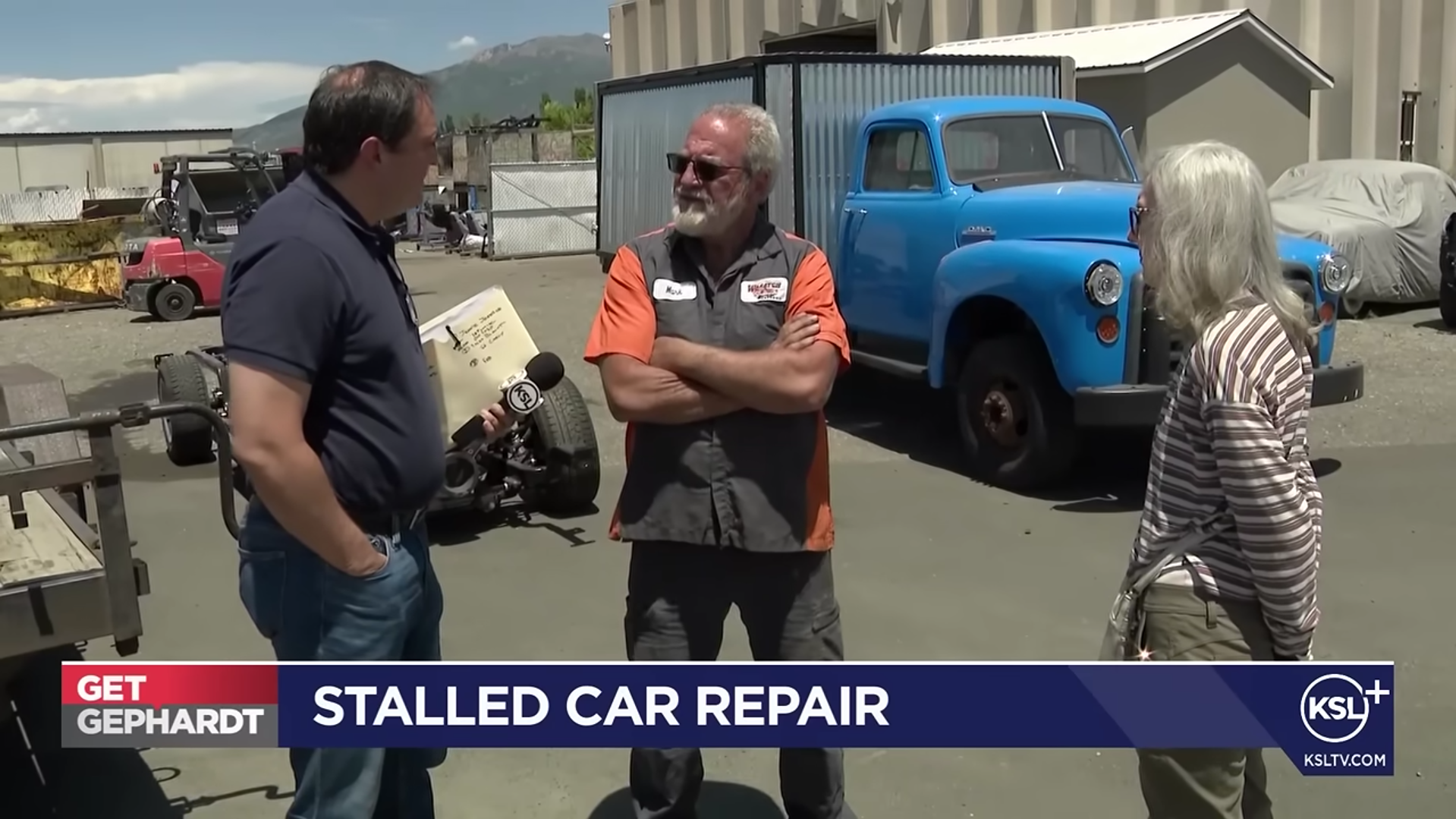
KSL confronted Lambert while Jennie was retrieving the Pontiac. When asked whether six years was a reasonable amount of time for the project, he acknowledged that it was not reasonable for a normal job.
Lambert also admitted that the Pontiac sometimes sat untouched for weeks. However, he maintained that the shop had performed thousands of dollars in additional work beyond what Jennie and Len had already paid for and said he intended to write off those extra costs.
When questioned about the state’s use of the word “deceptive,” Lambert rejected the characterization. He again pointed to difficulty sourcing parts and finding workers capable of completing specialized restoration jobs.
He also acknowledged that Jennie’s Pontiac was not the only project that had gone significantly beyond its expected timeline. Lambert said the shop was trying to work through those vehicles while avoiding additional expenses for customers.
The Car Finally Left — Still Unfinished
For Jennie, the dispute carries an emotional weight that goes far beyond money. The Pontiac represented something Len had hoped to enjoy again, yet he died before seeing the finished car or getting another chance to drive it.
When the tow truck finally arrived, the 1938 Pontiac left Wasatch Customs in pieces and far from road-ready. KSL described the car as arguably being in worse condition than when it entered the shop nearly six years earlier.
The case also serves as a reminder of how important detailed written agreements can be when undertaking an expensive restoration. Utah recognizes verbal contracts, but clearly documenting the scope of work, estimated costs, progress expectations, and deadlines can make disputes easier to resolve when a project begins slipping off schedule.
For Jennie, that advice comes too late to give Len the experience he wanted. Her immediate priority is to find a path forward for the unfinished Pontiac and finally bring her husband’s long-delayed project to some kind of conclusion.