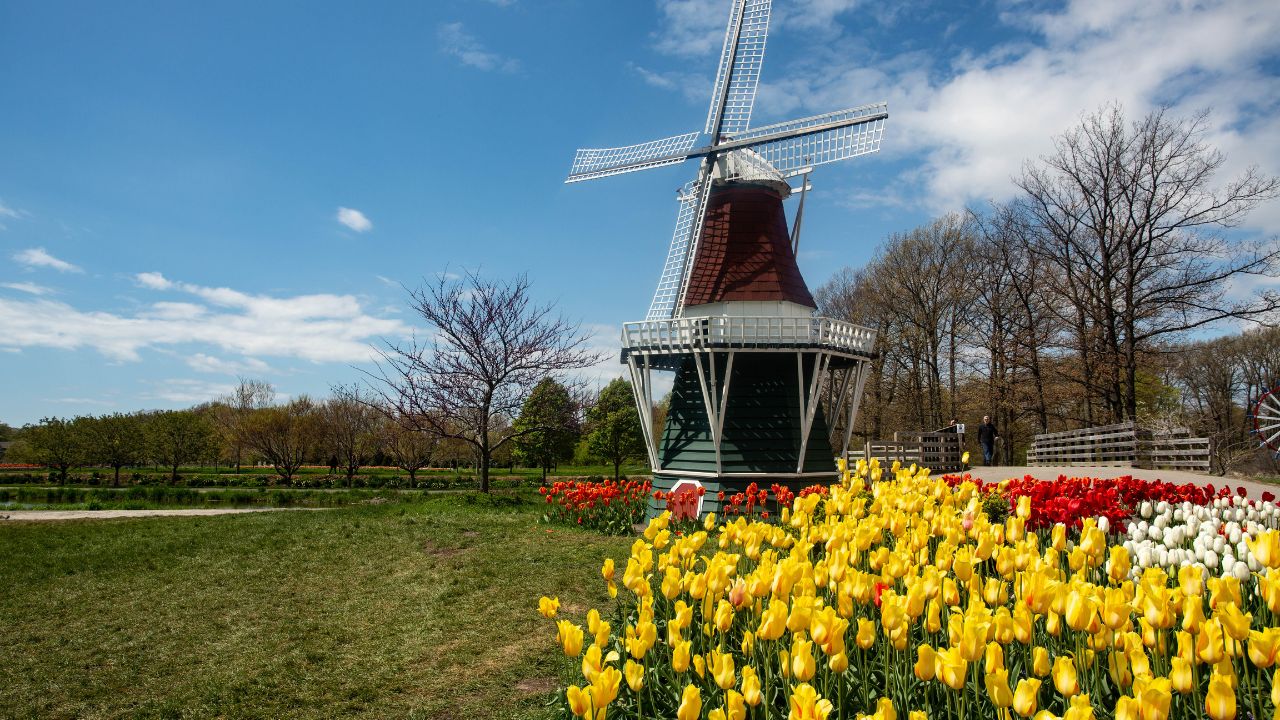
No, none of these towns is literally Europe with the license plate swapped out and a cornfield added for legal safety. Still, a handful of places in the United States really do deliver the right visual and cultural ingredients: Danish windmills, Bavarian façades, Swiss chalet styling, Dutch tulips, Swedish folk art, or Spanish colonial streets that feel startlingly un-Florida. The trick is choosing destinations with documented heritage, not just a souvenir shop selling one lonely pretzel.
What makes these towns work is not perfection. It is concentration. When architecture, festivals, food, street design, and local identity all point in the same direction, the illusion gets much stronger. For travelers chasing an overseas mood without a transatlantic flight, these are some of the best stateside substitutes.
1. Solvang, California
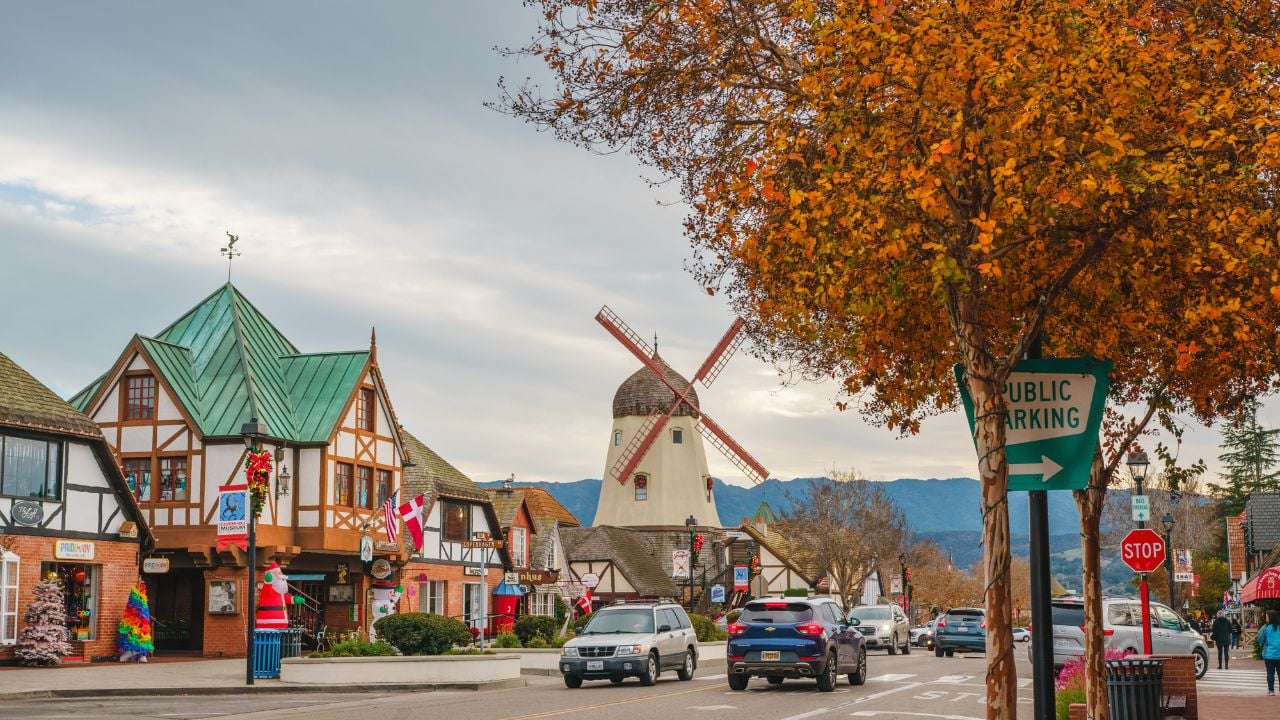
Solvang is the clearest Danish fantasy on this list, and the town is not shy about it. The city’s own history page says Solvang was founded in 1911 by Danish immigrants, while visitor material still leans hard into windmills, bakeries, and old-world styling. That gives the place a much sturdier backbone than a few themed storefronts and a wink.
Walking through town is the part that really sells the illusion. Solvang still revolves around Copenhagen Drive, Danish pastries, and European-style bakeries, while Solvang Danish Days returns in 2026 for its 89th edition. In practical terms, this is the U.S. town most likely to make you forget, briefly and foolishly, that you are still in California wine country.
2. Leavenworth, Washington
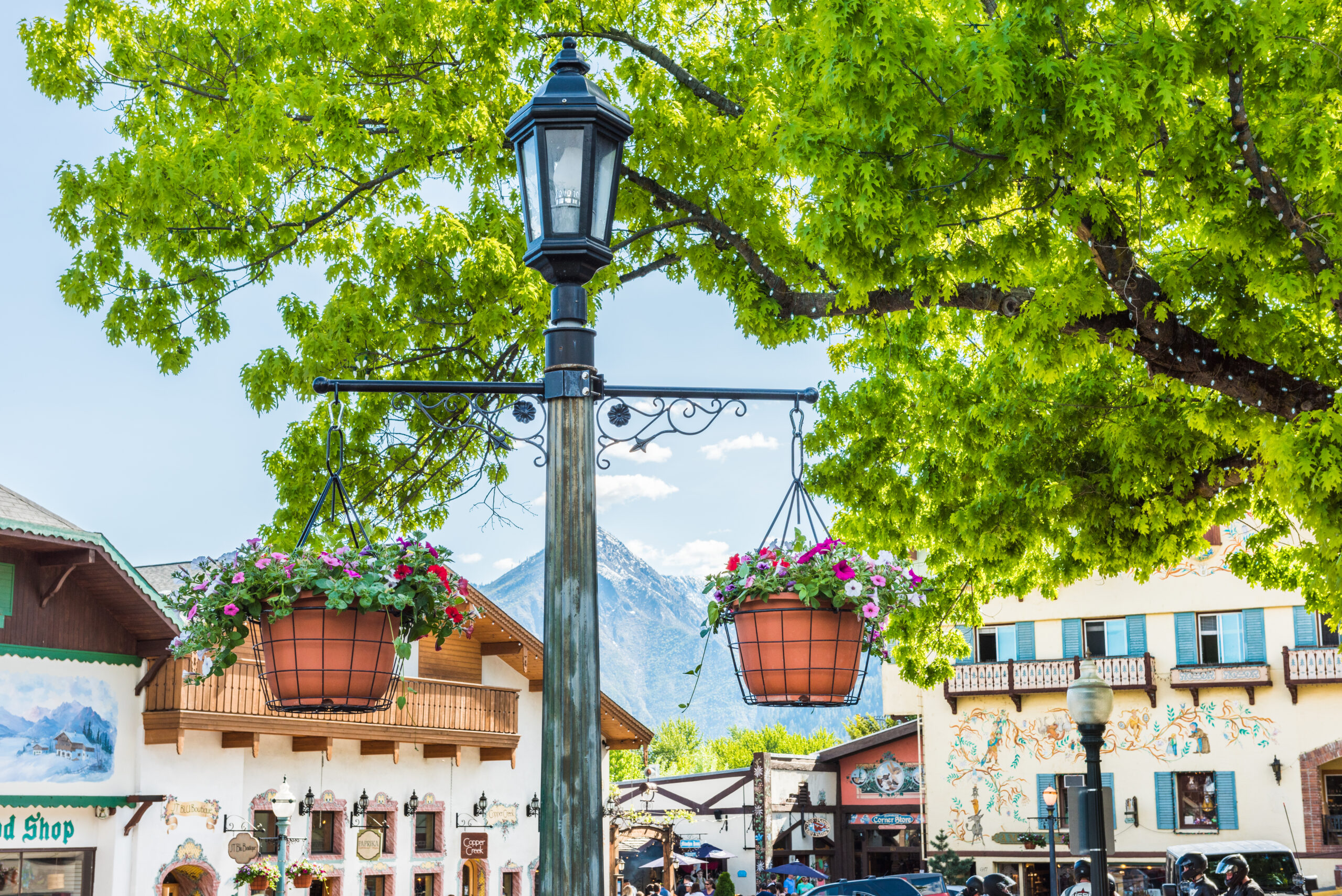
Leavenworth is the most theatrical pick, but the town has committed so thoroughly that the performance becomes the reality. Its tourism board calls it a Bavarian village in the Cascade Mountains, and the city’s comprehensive plan makes clear that the Old World Bavarian Alpine theme is a central visual and economic feature, not a casual branding exercise. This is a place where the costume became municipal policy.
That seriousness is exactly why Leavenworth works. Between specialty shops, restaurants, festivals, mountain scenery, and an identity the town applies with near-comic discipline, it feels less like a gimmick than a very focused small-town hallucination. It is a lot, but it is a lot on purpose, which is why it lands.
3. New Glarus, Wisconsin
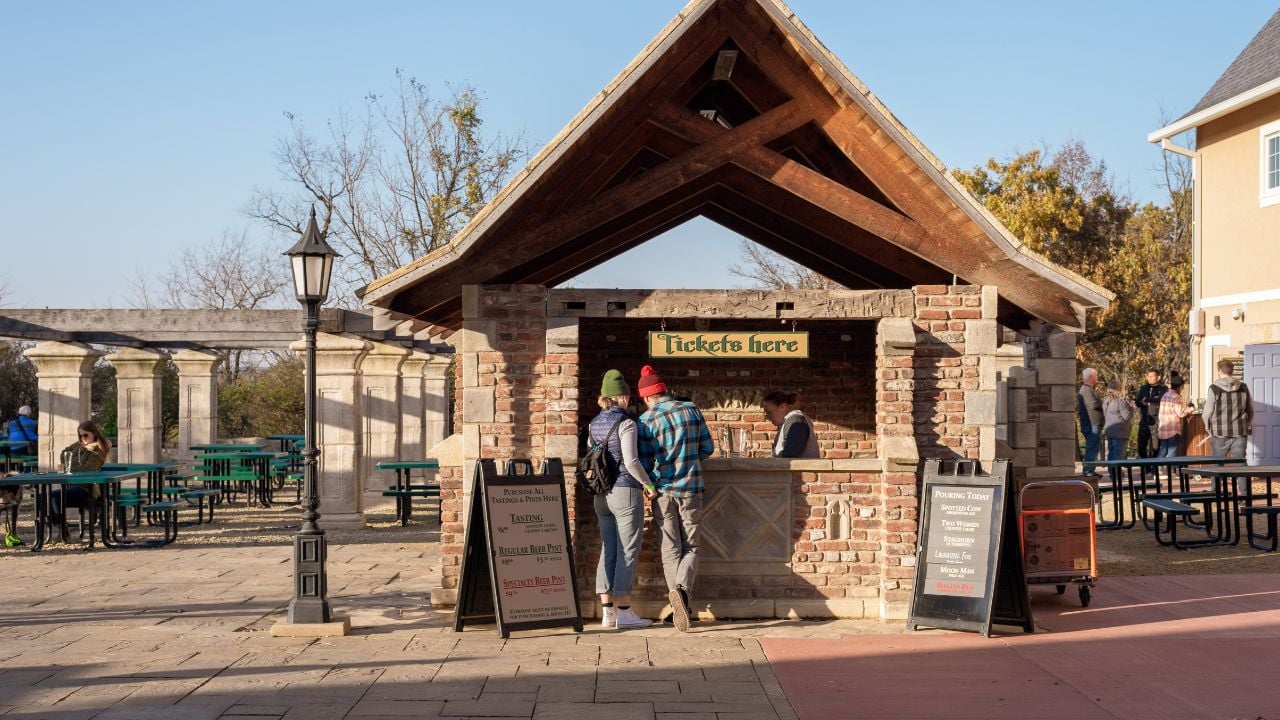
New Glarus is the Swiss answer, and it has the receipts. The Chamber of Commerce calls it America’s Little Switzerland and says the town was settled in 1845 by 108 Swiss pioneers from the Canton of Glarus. Village history also emphasizes its Swiss colony roots and Alpine-style character, which gives the place more substance than a generic chalet aesthetic.
That combination makes New Glarus feel less staged than many lookalike destinations. Swiss festivals, folk traditions, and a townscape that still leans into its roots help it feel culturally inhabited rather than merely decorated. If you want chalet energy without boarding a flight to Zurich, this one has a very serious case.
4. Holland, Michigan

Holland gets points for leaning into Dutch identity without turning into a cartoon. The tourism board says the community was settled in 1847 by Dutch immigrants, and local heritage still feels central to the town’s identity rather than sprayed on later for visitors.
The visual payoff arrives fast in spring. The city says De Zwaan was brought over from the Netherlands in 1964 and still operates at Windmill Island Gardens, while Holland’s official tulip-lanes page says 12 miles of tulips stretch through local neighborhoods. Add Tulip Time and the place stops feeling Midwestern and starts looking like a very tidy postcard from the Low Countries.
5. Lindsborg, Kansas
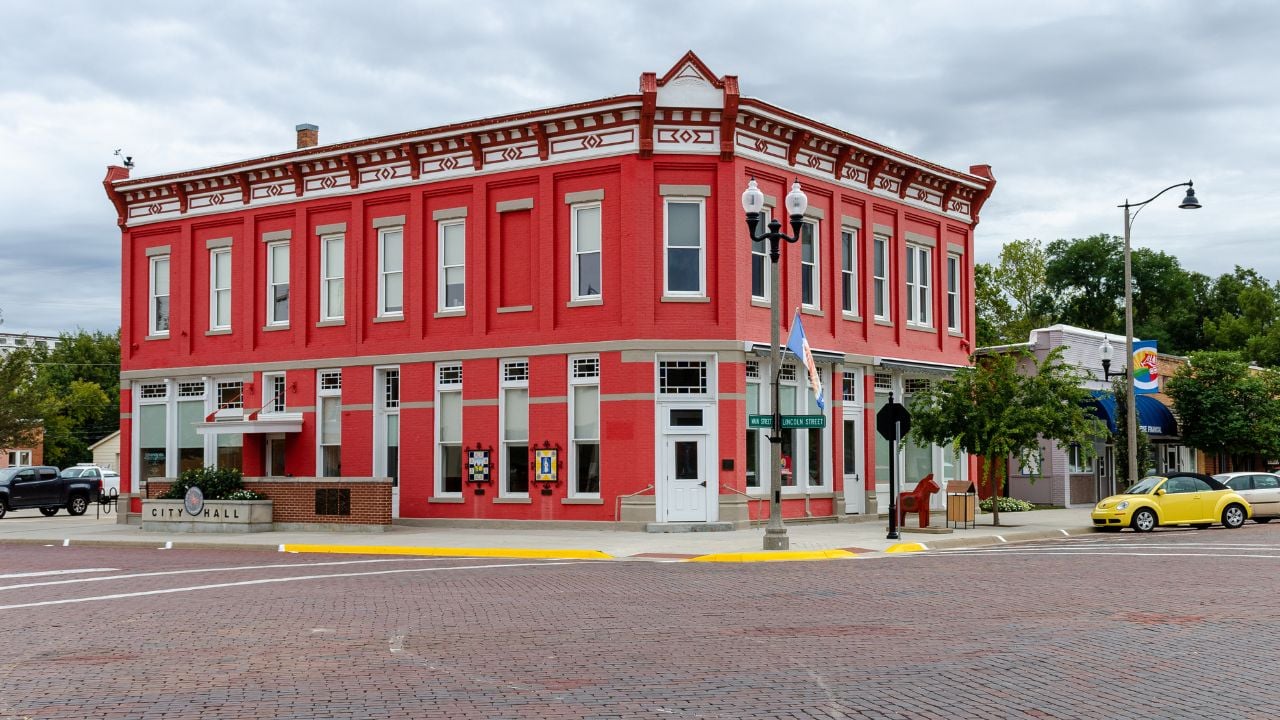
Lindsborg brings the Swedish angle, and it does so with remarkable confidence. The visitor bureau literally welcomes travelers to Little Sweden USA, while its attractions pages highlight Swedish folk tunes, Scandinavian shops, artist studios, and red-brick streets downtown. That is not subtle branding. It is a full handshake with a Dala horse attached.
The town’s details help it land as more than a label. Lindsborg’s own Wild Dala page explains how the Dala horse became part of the town’s public identity, and the downtown really does carry that Swedish feel in a way that is visible rather than hidden away in one museum. For travelers chasing a softer, smaller, less theme-park version of Europe, this is one of the most charming picks in the middle of the country.
6. St. Augustine, Florida

St. Augustine is the outlier here because it is not a themed imitation. It is an actual Spanish-founded city with very old bones. The city says it was founded in 1565 and remains the oldest continuously occupied settlement of European and African American origin in the United States, while tourism materials still present a historic core shaped by Spanish colonial layers and later architectural influences.
That makes St. Augustine one of the strongest overseas-without-the-flight options in the country. Historic downtown, St. George Street, and centuries-old urban fabric create a mood that feels closer to southern Europe than to the average U.S. beach town. It is less cute than the others on this list and far more convincing.
The best part of this category is that these towns do not need to fool you completely. They just need to shift the mood, change the streetscape, and make a weekend feel less ordinary. These six can do that with surprising force, which is a neat little trick for places still reachable without jet lag, customs lines, or an argument with your passport drawer.