
There are bad days, and then there is the kind of day where you return from serving your country only to discover your car has been quietly sold off like an unwanted sofa. That, in essence, is the storm now swirling around a California towing company that seems to have treated federal law more like a suggestion than a rulebook.
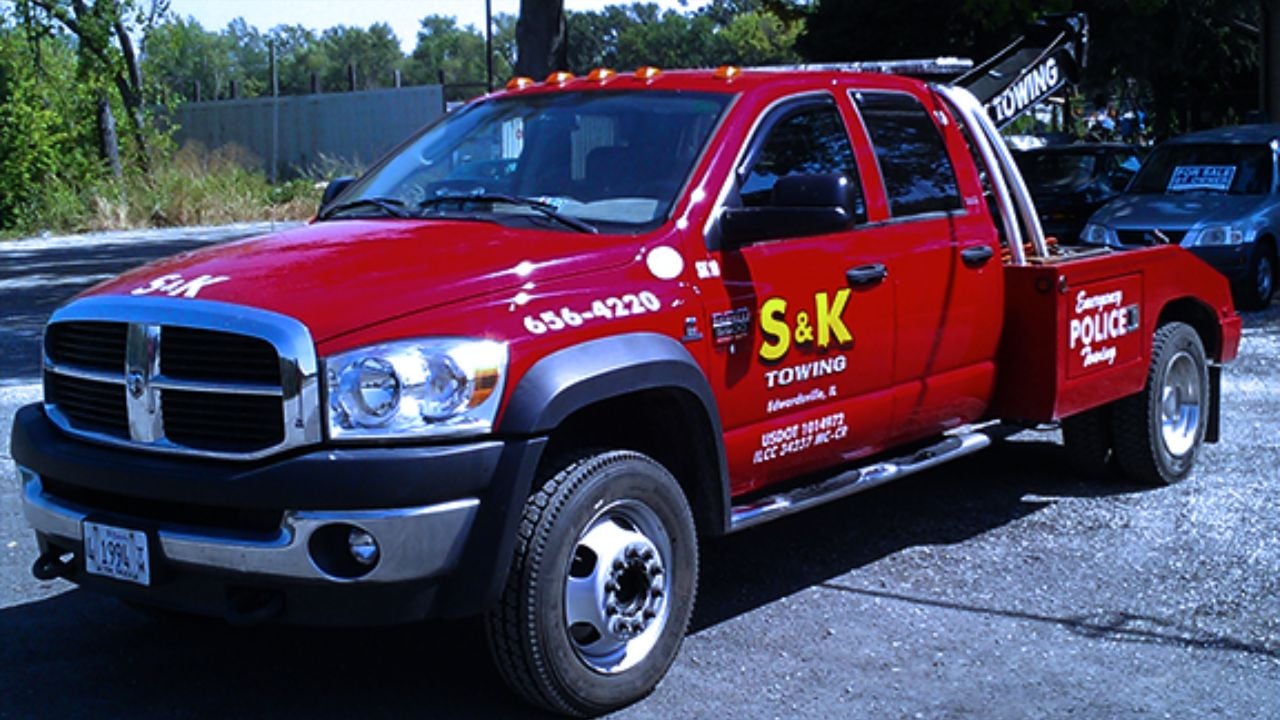
At the center of this story is S & K Towing, a company now facing a lawsuit from the U.S. Department of Justice. The accusation is not some minor paperwork slip. It is a pattern. A long one. And if the claims hold up, a deeply troubling one.
Between 2020 and 2025, the company allegedly sold or disposed of about 148 vehicles belonging to active-duty service members. Not abandoned cars. Not forgotten junkers. Vehicles owned by people who were, in many cases, deployed and unable to respond to towing notices or storage fees piling up in the background.
When the Law was Ignored
Now here is where things stop being messy and start becoming illegal.
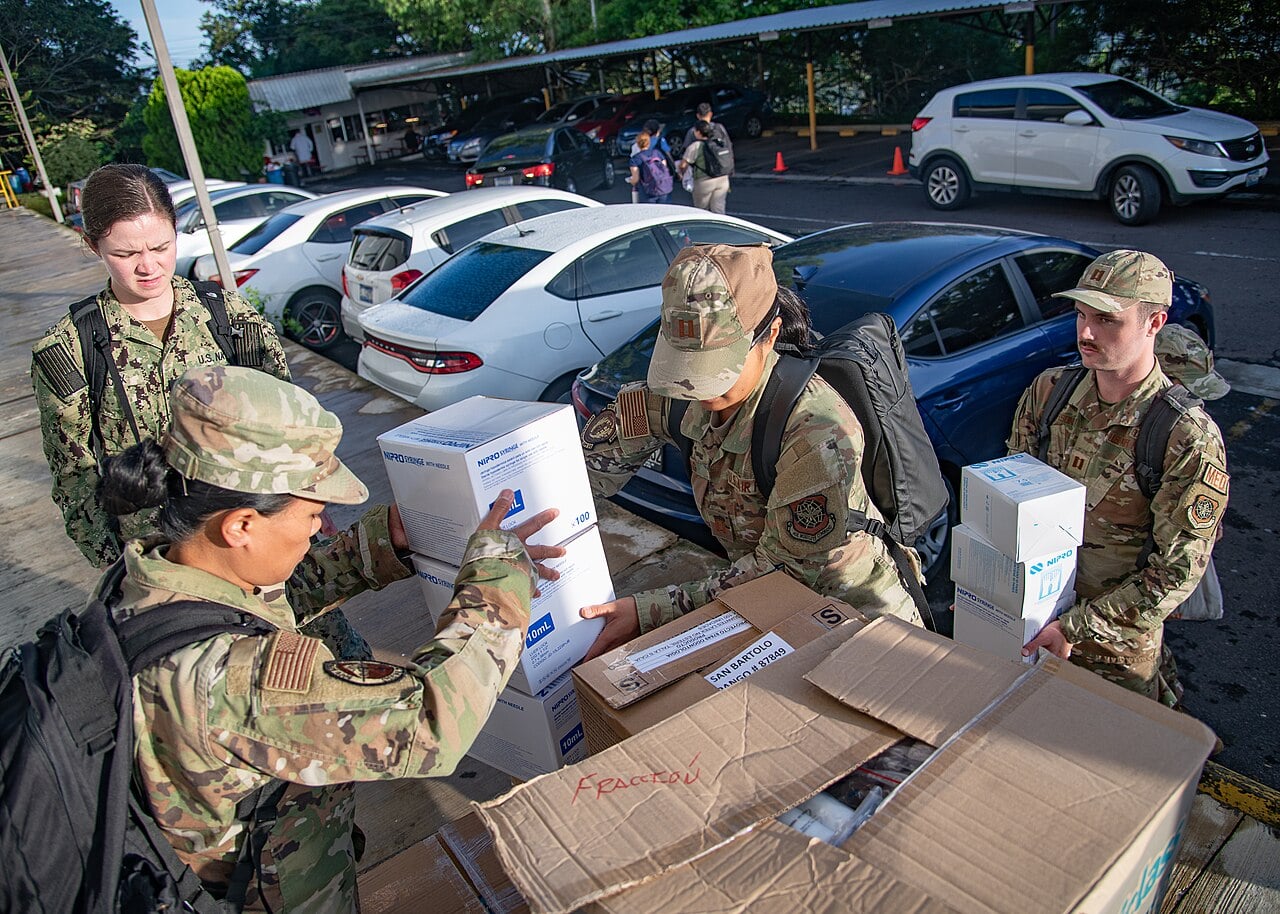
U.S. Air Force photo by Tech. Sgt. Justin Norton – Public Domain, Wikimedia.
There is a federal law called the Servicemembers Civil Relief Act, or SCRA if you prefer your legal acronyms short and punchy. It exists for a simple reason. When you are deployed, you are not exactly in a position to argue with a tow yard clerk or show up in court.
So, the law requires towing companies to obtain a court order before selling a service member’s vehicle. No court order, no sale. Simple.
According to the lawsuit, simple was ignored.
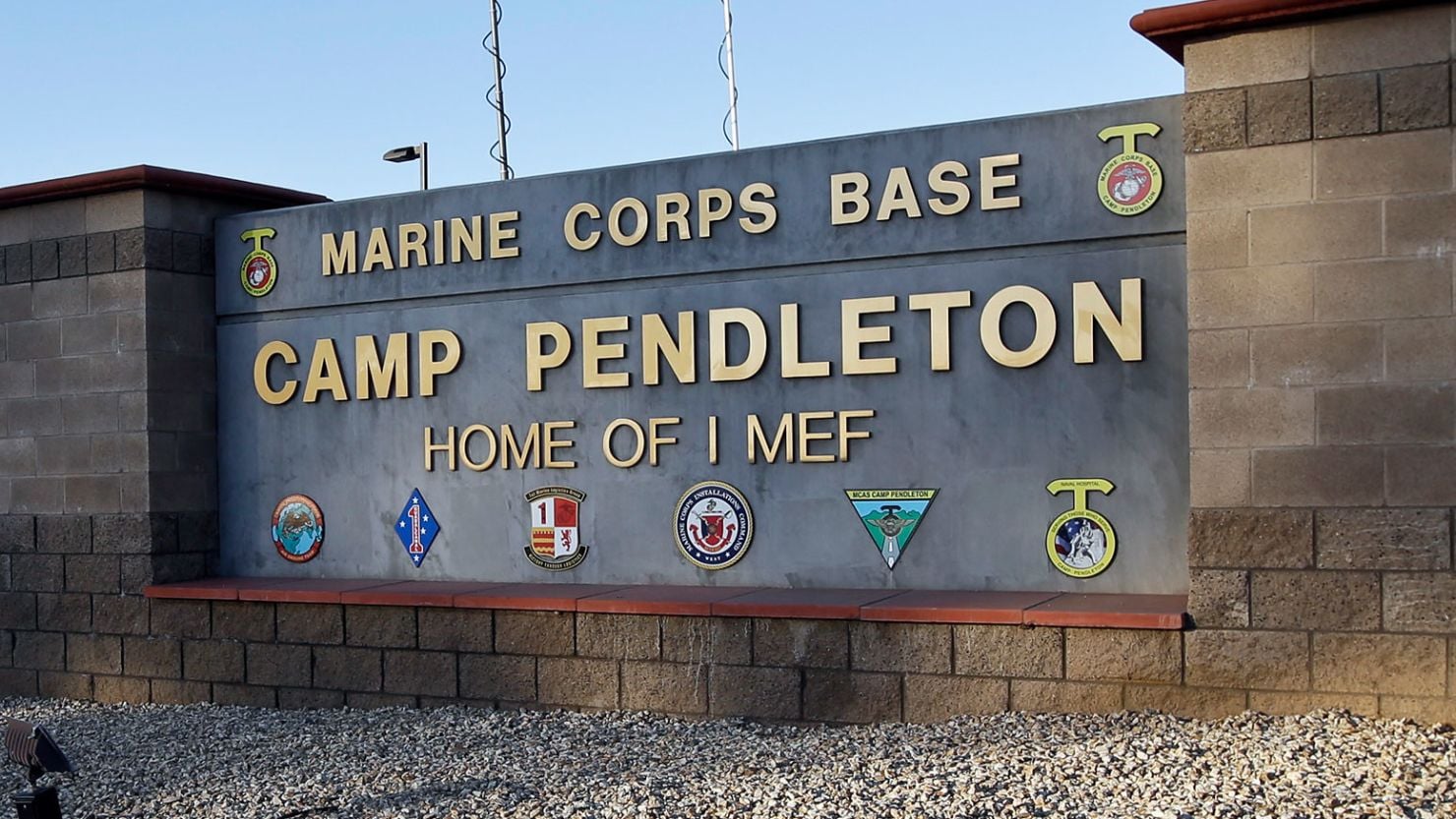
Many of the vehicles in question were towed from Marine Corps Base Camp Pendleton, which is not exactly a random parking lot where cars go to be forgotten. It is a major military installation. That alone raises eyebrows.
But it gets worse.
In several cases, the company was allegedly informed that the vehicle owners were active-duty personnel. The expected response would be caution, maybe even a pause. The alleged response instead was to proceed anyway.
Even more unsettling is what some of those vehicles contained. Reports indicate that personal belongings were still inside when the cars were sold. We are talking uniforms, keepsakes, even military awards. Items that carry more weight than the metal shell they were sitting in.
Then comes the detail that feels almost too on the nose. In 2024, a military legal assistance attorney reportedly warned the company that its actions were violating federal law. The alleged reply was a blunt “We do this all the time.” It is the kind of statement that sounds almost fictional until you realize it is now part of a federal case.
The Justice Department Steps In
The Department of Justice is not amused. The lawsuit is seeking financial compensation for affected service members, along with civil penalties that could make this a very expensive lesson. There is also a push to ensure the company changes its practices, assuming it gets the chance to continue operating in the same space.
What makes this story stick is not just the legal angle. It is the imbalance. On one side, you have individuals serving in roles that often take them far from home with limited control over everyday logistics. On the other side, a business that allegedly kept the wheels turning, quite literally, without stopping to check whether it should.
For both service members and civilians, this is not just a courtroom drama. It is a reminder that cars are are tied to people’s lives, routines, and sometimes their identity. When those cars are taken and sold under questionable circumstances, the impact goes far beyond the loss of a vehicle.
This case is still unfolding, and the final judgment will come later. But what’s already clear is that when the law says stop, and someone keeps driving anyway, the road ahead rarely ends well.